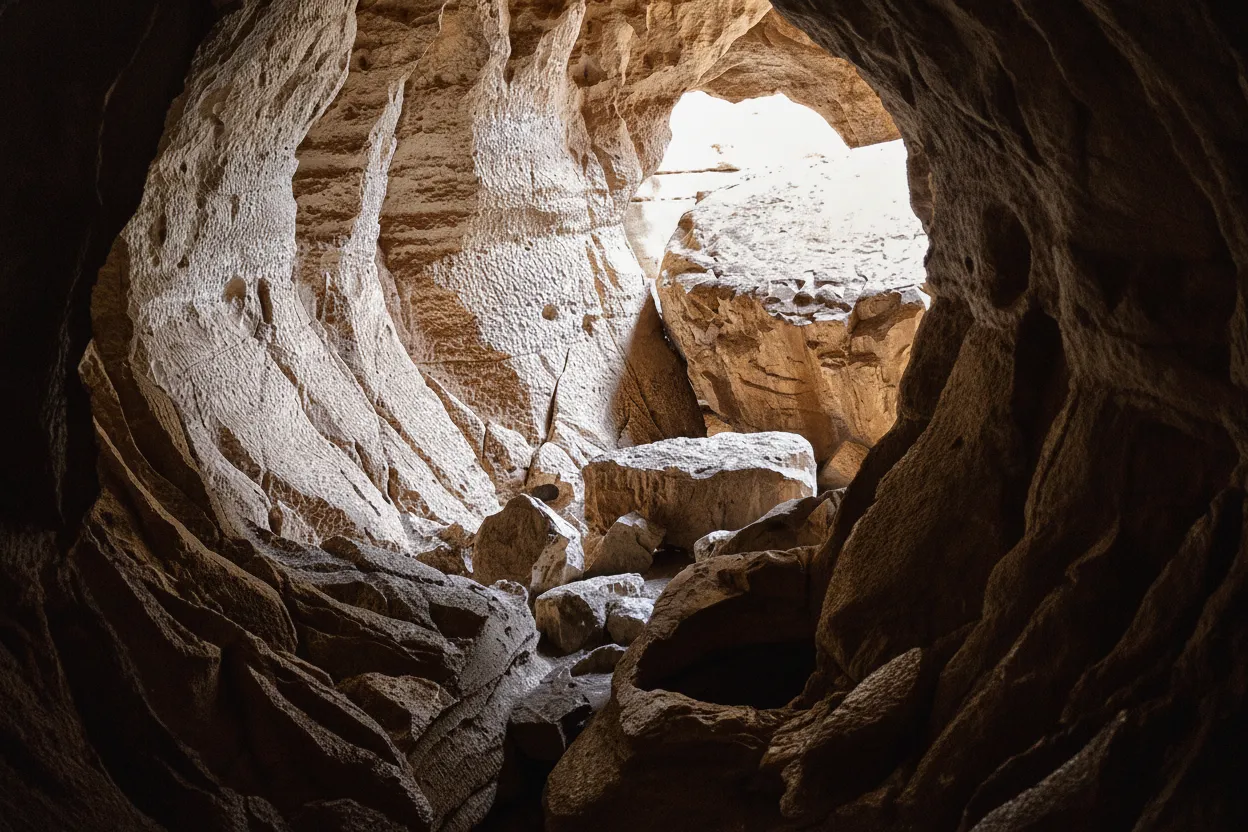
Imagine a place where the earth itself breathes, where a sacred river whispers ancient secrets through colossal chambers, and where the echoes of prayer have resonated for centuries. This isn't a scene from a fantasy novel; it's the living, breathing reality of the Sof Omar Caves in Ethiopia. Descend into the mystical depths of Africa's longest cave system, where the mighty Weyib River has sculpted a magnificent underground world, transforming it into a unique natural mosque and a revered pilgrimage site. Prepare to have your sense of wonder ignited as we journey into a destination that blends geological marvel with profound spiritual significance, a true hidden gem waiting to be discovered.
What Makes Sof Omar Caves Truly Special?
The Sof Omar Caves aren't just any caves; they are a geological masterpiece and a cultural sanctuary rolled into one breathtaking experience. Carved over millennia by the relentless flow of the Weyib River through vast limestone formations, this colossal cavern system stretches for over 15 kilometers, making it the longest cave in Africa. Above ground, the landscape of Ethiopia's Oromia Region is a tapestry of rolling hills and vibrant life, but beneath it lies a labyrinthine marvel of natural architecture.
What truly sets Sof Omar apart is its dual identity. While its geological grandeur – towering pillars, echoing chambers, and intricate rock formations – could stand alone as a world-class natural attraction, it is also deeply revered as a holy place. For centuries, it has served as a mosque and a pilgrimage site, believed to be the hermitage of Sheikh Sof Omar, a 12th-century Muslim saint. This unique fusion of the sacred and the natural creates an atmosphere unlike anywhere else on Earth, where the majesty of the earth's creation meets the profound devotion of humanity.
Walking through its vast, echoing halls, you'll encounter a silence broken only by the rush of the river and the occasional murmur of pilgrims. It’s a place that humbles, inspires, and connects you to both the immense power of nature and the enduring spirit of faith. Sof Omar isn't just a sight to see; it's an experience to feel, to absorb, and to carry with you long after you've re-emerged into the Ethiopian sun.
A Journey Through Time: History and Legend
The story of Sof Omar is etched into its very walls, a chronicle spanning millions of years of geological formation and centuries of human reverence. Geologically, the caves are a testament to the patient, persistent power of water. The Weyib River, originating in the Bale Mountains, found its way into the soluble limestone, slowly eroding and carving out the incredible network of passages, chambers, and natural bridges you see today. This process created a subterranean world of unparalleled beauty and scale, a geological wonder that continues to evolve with every passing season.
But the human history of Sof Omar is equally compelling. For the local Oromo people, the caves have long held significance, likely providing shelter and a spiritual connection to the land long before the arrival of Islam. The pivotal figure in its spiritual narrative is Sheikh Sof Omar, a revered Muslim saint said to have lived in these caves in the 12th century. Legend has it that the Sheikh used the caves as a hermitage, a place of deep contemplation and worship. His presence transformed the natural wonder into a sacred sanctuary, drawing followers and pilgrims who sought spiritual solace and blessings within its depths.
Over the centuries, the caves evolved into a functional mosque and a major pilgrimage destination, particularly for Muslims from the Oromia and Somali regions of Ethiopia. The very layout of the caves, with their natural courtyards and vast halls, lent themselves perfectly to communal prayer and ritual. Navigating its vast passages became a symbolic journey, a test of faith and endurance. Today, the reverence for Sheikh Sof Omar and the spiritual power of the caves continue to draw visitors, offering a unique glimpse into a living tradition that bridges ancient geological processes with enduring human faith.
Exploring the Underground Marvels: What You'll See
Stepping into the Sof Omar Caves is like entering another dimension. The initial entrance, a dramatic opening in the earth, immediately sets the tone for the adventure ahead. You'll descend into a world of profound darkness, where the only light comes from your headlamp and the occasional shafts of sunlight filtering through distant openings.
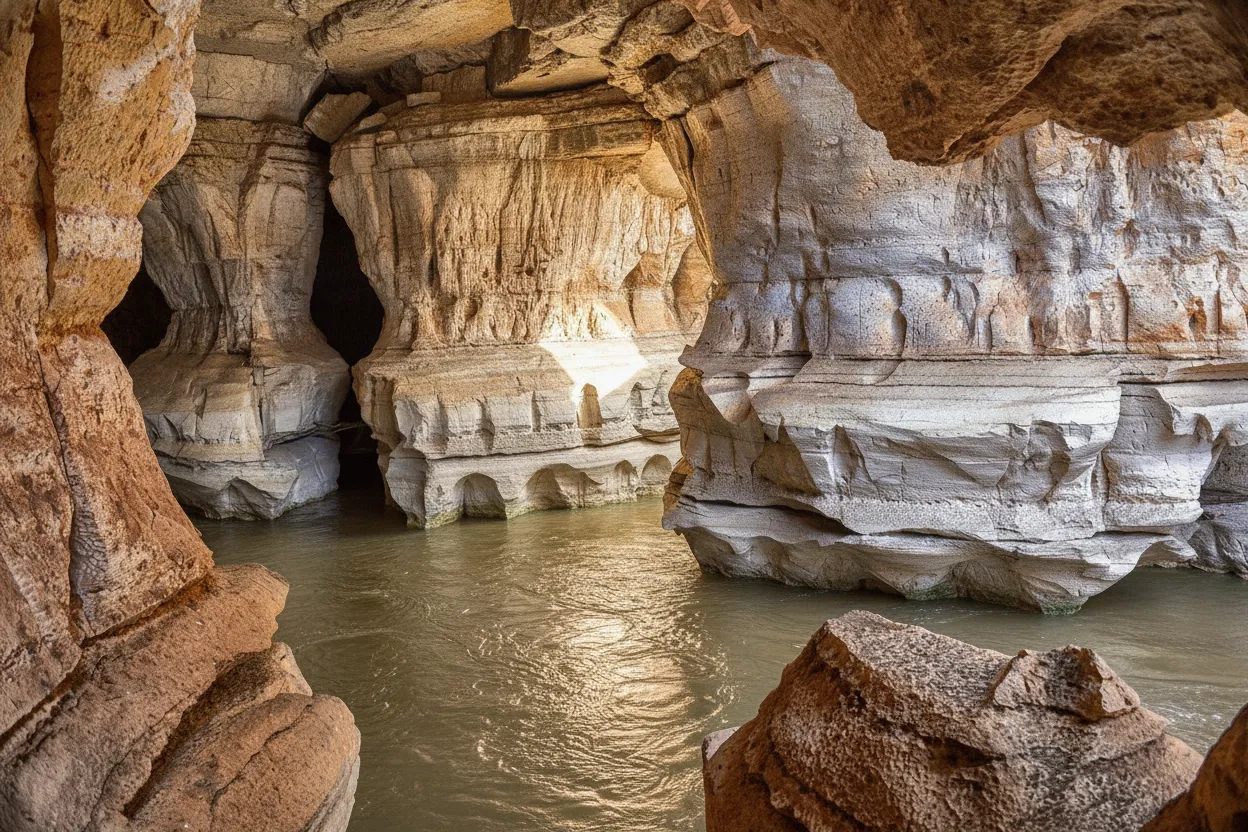
The star of the show is, of course, the Weyib River. It flows powerfully through the cave system, its waters glinting in the beam of your torch, guiding your path. Sometimes you'll walk along its banks, other times you might cross it on natural rock bridges or even wade through shallow sections (depending on water levels and your guide's advice). The sound of the river, at times a gentle murmur, at others a roaring torrent, becomes the soundtrack to your exploration.
As you delve deeper, you'll encounter a series of awe-inspiring chambers, each with its own character. There's the "Pillar of Mystery," a colossal column formed by erosion, standing sentinel in a vast hall. Further on, you might navigate the "Chamber of Columns," where an array of natural pillars creates an almost architectural feel, as if a master builder had designed this subterranean cathedral. The scale is often overwhelming; some chambers are so immense that your light struggles to reach the ceiling, creating an illusion of infinite space.
One of the most revered sections is often referred to as the "Dome of the Mosque," a particularly grand chamber where pilgrims gather for prayer. Here, the spiritual atmosphere is palpable, a quiet reverence permeating the air. You'll see natural formations that have been given names reflecting their spiritual significance, adding another layer of wonder to the experience.
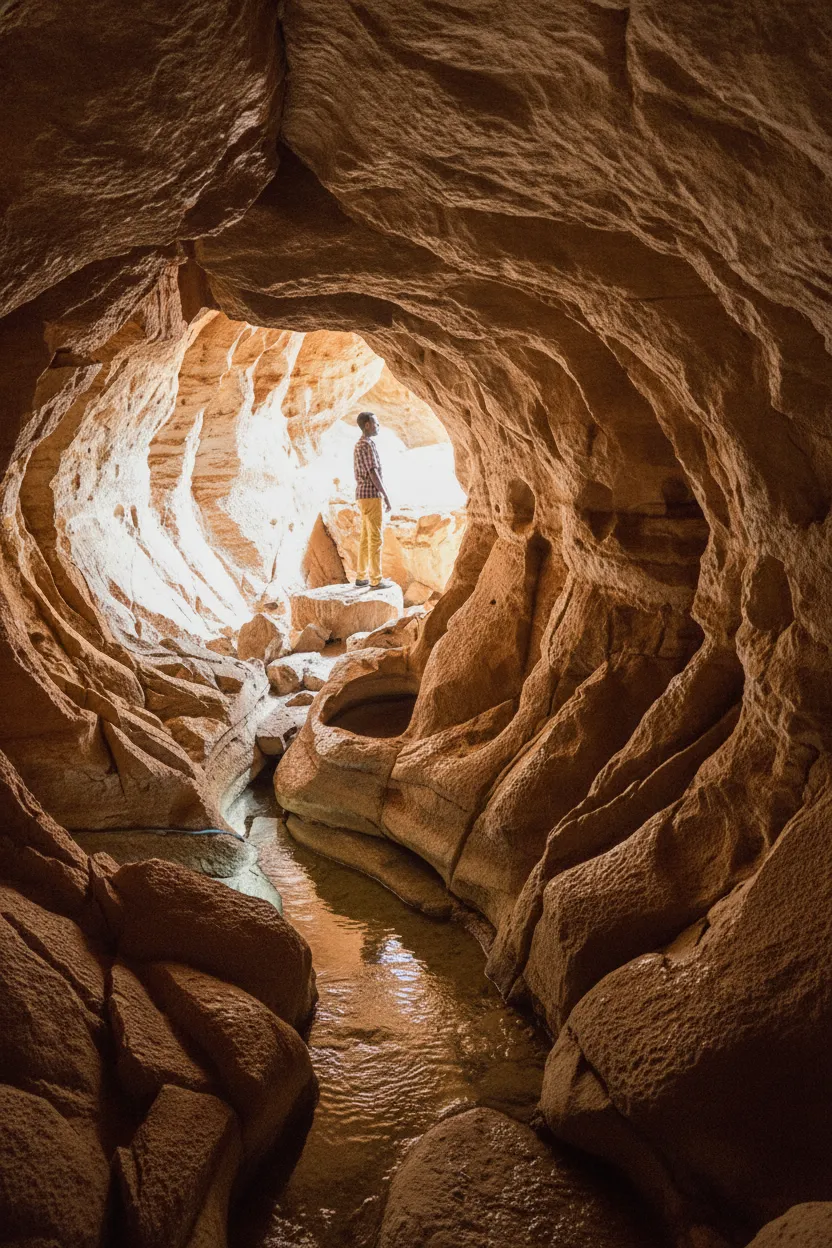
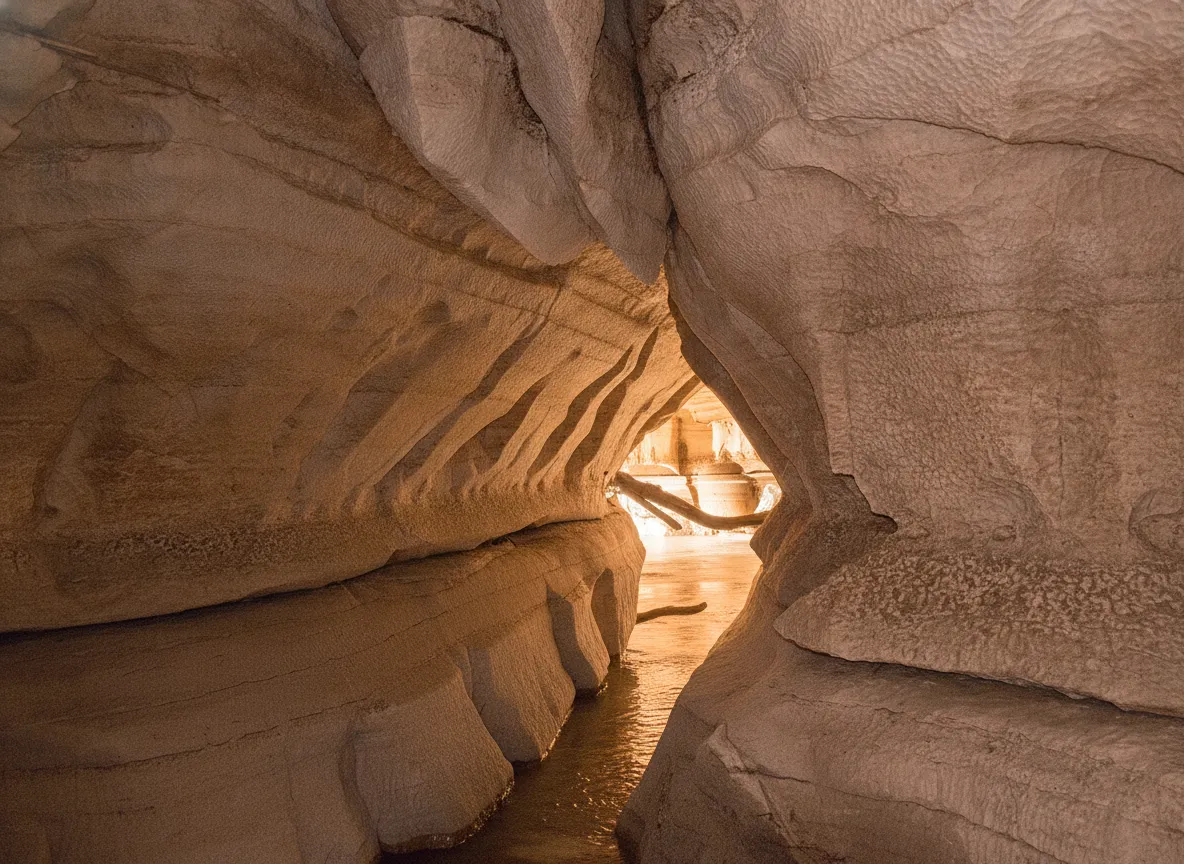
The caves also harbor unique geological features: smooth, water-worn rock faces, intricate patterns etched by millennia of erosion, and sometimes even small, ephemeral stalactites and stalagmites where water drips from the ceiling. The complete circuit through the caves can take several hours, revealing hidden passages, dramatic overlooks, and breathtaking vistas around every corner. It's an immersive journey that challenges your senses and rewards you with sights few others ever witness.
Practical Tips for Your Sof Omar Adventure
Embarking on a journey to the Sof Omar Caves is an adventure that requires a bit of planning, but the rewards are immeasurable. Here's what you need to know to make your visit unforgettable:
-
Best Time to Visit: The dry season, typically from October to February, is ideal. During these months, river levels are lower, making navigation easier and safer. The wet season can bring higher water levels, potentially restricting access to certain parts of the cave or making the journey more challenging.
-
Getting There: Sof Omar is a remote destination, adding to its allure. The nearest major towns are Bale Robe and Goba, both accessible from Addis Ababa by domestic flight (to Robe Airport - GOB) or a long, scenic bus ride. From Bale Robe or Goba, you'll need to arrange a 4x4 vehicle, as the roads leading to the caves can be rough. The journey itself is part of the adventure, showcasing the stunning Oromia landscape.
-
What to Bring: This is crucial!
- Headlamps/Torches: Absolutely essential. Bring at least two per person, with extra batteries. The caves are incredibly dark.
- Sturdy Shoes: Waterproof hiking boots with good grip are highly recommended, as surfaces can be slippery, uneven, and wet.
- Water & Snacks: Carry plenty of water and some energy-boosting snacks.
- Appropriate Clothing: Wear comfortable, quick-drying clothing. Layers are good, as the temperature inside the caves can be cooler than outside. For women, modest clothing is advisable out of respect for the site's religious significance.
- Small Backpack: To carry your essentials, keeping your hands free.
- Camera: If you plan to take photos, ensure your camera is water-resistant or protected, and be prepared for low-light conditions.
-
Guides: Hiring a local guide is not just recommended, it's essential. They are invaluable for navigation, safety, and for sharing the rich history, legends, and spiritual significance of the caves. They know the safest routes and can point out hidden features you might otherwise miss. Your driver can usually help arrange a guide upon arrival.
-
Safety: Be prepared for an adventurous experience. Surfaces can be slippery, and you'll be navigating in low light. Always follow your guide's instructions. If you have any mobility issues or are claustrophobic, discuss these concerns with your guide beforehand.
-
Accommodation: There are no accommodations directly at the caves. Most visitors stay in Bale Robe or Goba, which offer basic to mid-range hotels and guesthouses.
-
Respect: Remember that Sof Omar is a sacred pilgrimage site. Dress modestly, be mindful of pilgrims, and respect the natural environment. Leave no trace behind.
Why Sof Omar Should Be On Your Bucket List
Sof Omar Caves offers an unparalleled journey into the heart of Ethiopia's natural and spiritual landscape. It's a destination that transcends typical tourism, offering an experience that is at once thrilling, deeply moving, and profoundly beautiful. From the sheer geological magnificence carved by the Weyib River to the centuries-old echoes of faith, this hidden gem promises an adventure unlike any other.
If you're an intrepid traveler seeking genuine discovery, a nature lover yearning for untouched wonders, or a spiritual seeker drawn to places of ancient power, Sof Omar Caves will captivate your imagination and leave an indelible mark on your soul. It's more than just a cave system; it's a testament to the enduring forces of nature and the timeless spirit of humanity. Are you ready to descend into its depths and uncover its mysteries?
Essential Travel Information
- Location Sof Omar Caves, Ethiopia
- Best Time October to February (dry season)
- Getting There Fly to Addis Ababa (ADD), then domestic flight to Robe Airport (GOB) or drive to Bale Robe/Goba. From there, hire a 4x4 vehicle to the caves.
- Airport Addis Ababa Bole International Airport (ADD), then Robe Airport (GOB) for domestic connection.
- Budget Mid-range (approx. $50-100+ USD per day, excluding international flights, but including local transport/guides)
- Language Amharic, Oromo
Find Places to Stay Near Sof Omar Caves
Compare hotels, hostels, and unique stays in Ethiopia.
Search AccommodationTours & Experiences Near Sof Omar Caves
Book guided tours, day trips, and unique experiences.
Browse Tours