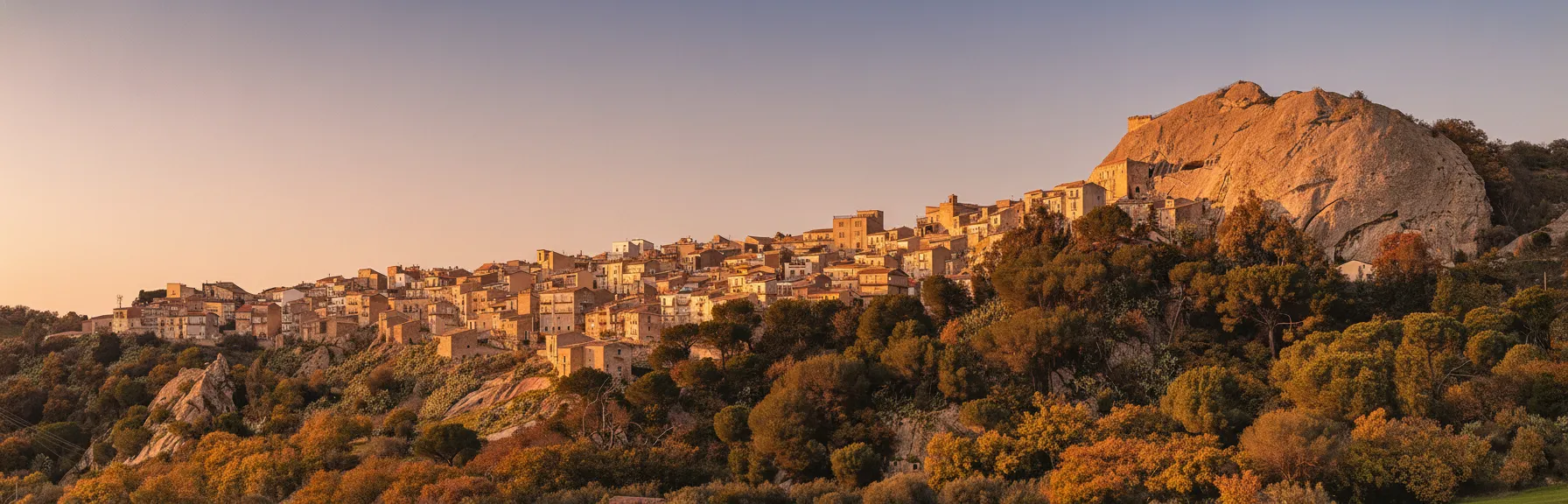
Imagine a place where the very earth doesn't just cradle a village, but *becomes* it. A place where homes aren't built on rock, but *from* it. Where an ancient castle isn't perched atop a cliff, but seamlessly melds into its rugged face, as if sculpted by nature itself. This isn't a fantasy; it's Sperlinga, a breathtakingly unique village tucked away in the heart of Sicily. Forget the postcard-perfect coastal towns for a moment, because this hidden gem offers an experience so profoundly ancient and intimately connected to the land, it will redefine your understanding of human habitation. You think you know Sicily? Think again. Sperlinga isn't just *near* the rock; many of its homes, and even its ancient castle, are literally carved *into* the sandstone cliffs, whispering tales of millennia to anyone who cares to listen.
What Makes Sperlinga So Special?
Sperlinga is not just another picturesque Italian village; it's a living, breathing testament to troglodytic habitation, a rare architectural marvel that feels as if it grew organically from the earth itself. What sets it apart is the sheer scale and integration of its rock-cut structures. While other places might have a few cave dwellings, Sperlinga takes this concept to an entirely different level. Here, entire sections of the village, including its magnificent castle, are carved directly into the soft, golden sandstone cliffs that dominate the landscape.
Walking through Sperlinga feels like stepping back in time, into a world where humans coexisted in profound harmony with their environment. The homes, with their rough-hewn rock walls and cool, naturally insulated interiors, are not just historical relics; many are still inhabited, offering a rare glimpse into a timeless way of life. This isn't a museum piece; it's a vibrant community that has adapted and endured within its unique geological embrace. The blend of natural rock and human ingenuity creates an aesthetic that is both rugged and surprisingly elegant, a captivating dialogue between nature's raw power and humanity's enduring spirit.
A Journey Through Time: Sperlinga's Deep Roots
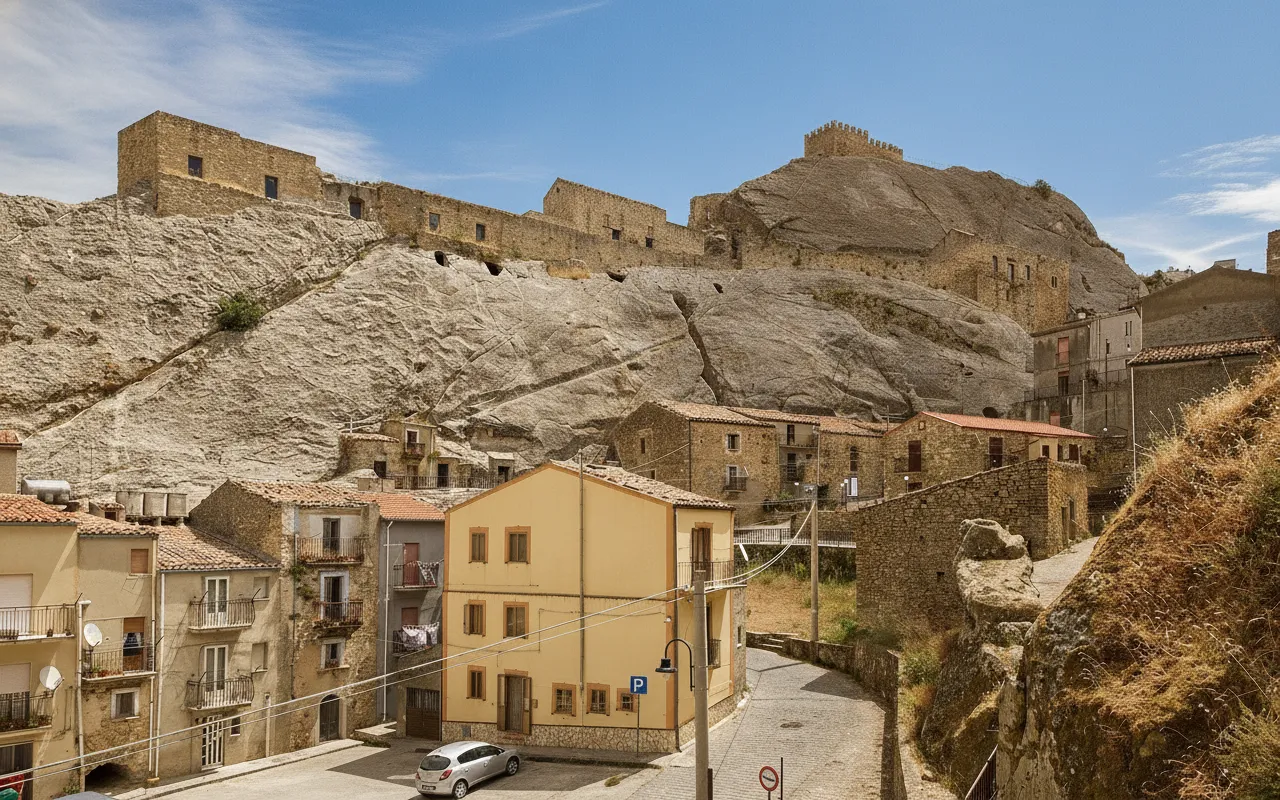
The story of Sperlinga is as old and layered as the rock it inhabits. Its origins stretch back to the Siculi people, one of the indigenous populations of Sicily, who discovered the natural protection and shelter offered by these soft sandstone cliffs thousands of years ago. Imagine early settlers, not building their homes, but excavating them, finding refuge and community within the earth itself. This tradition of rock-cut dwelling became the bedrock of Sperlinga's identity.
Over the centuries, Sperlinga witnessed the ebb and flow of countless civilizations that shaped Sicily. The Romans, Byzantines, Arabs, Normans, and Aragonese all left their mark, each adding a new chapter to the village's rich tapestry. The most prominent symbol of this enduring history is undoubtedly the Castello di Sperlinga. While its earliest forms likely date back to pre-Roman times, the castle we see today bears the strong influence of Norman architecture, later modified by subsequent rulers.
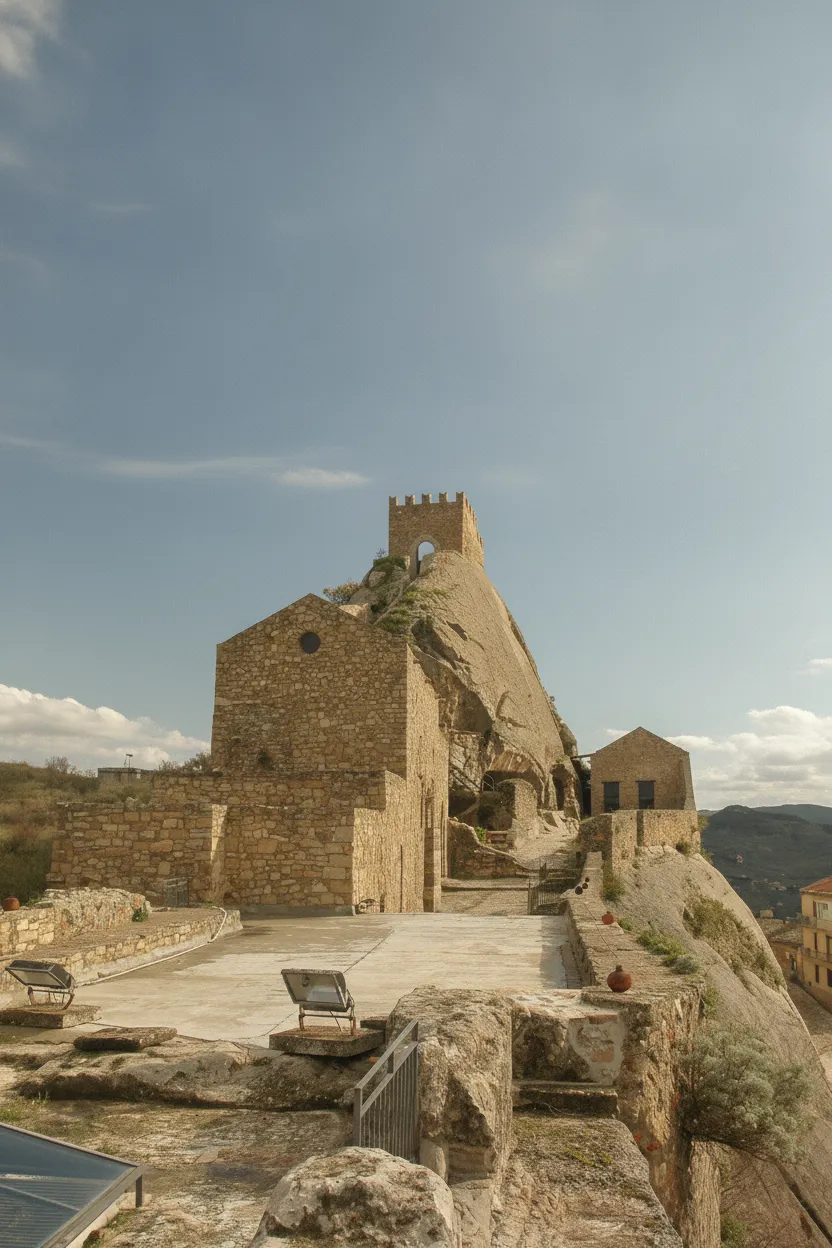
It's fascinating to consider how the castle evolved. Instead of constructing massive walls from scratch, successive occupants simply expanded and reinforced the existing rock formations, carving out new chambers, watchtowers, and defenses directly from the cliff face. This organic growth allowed the castle to blend seamlessly into its surroundings, making it a formidable and almost invisible fortress. During the Sicilian Vespers in the late 13th century, Sperlinga gained fame for being the only castle in Sicily to remain loyal to the Angevins, holding out for over a year against Aragonese forces – a testament to its impregnable design.
The name "Sperlinga" itself is believed to derive from the Greek "Spelunca," meaning "cave," a direct nod to its defining characteristic. This deep historical connection, from the Siculi to the present day, makes visiting Sperlinga a profound journey into the past, offering a tangible link to ancient ways of life that have miraculously persisted through the ages.
What You'll See and Experience in Sperlinga
A visit to Sperlinga is an immersive experience that engages all your senses. Prepare to be enchanted by its unique blend of natural beauty and human ingenuity.
The Castello di Sperlinga: A Fortress Born from Rock
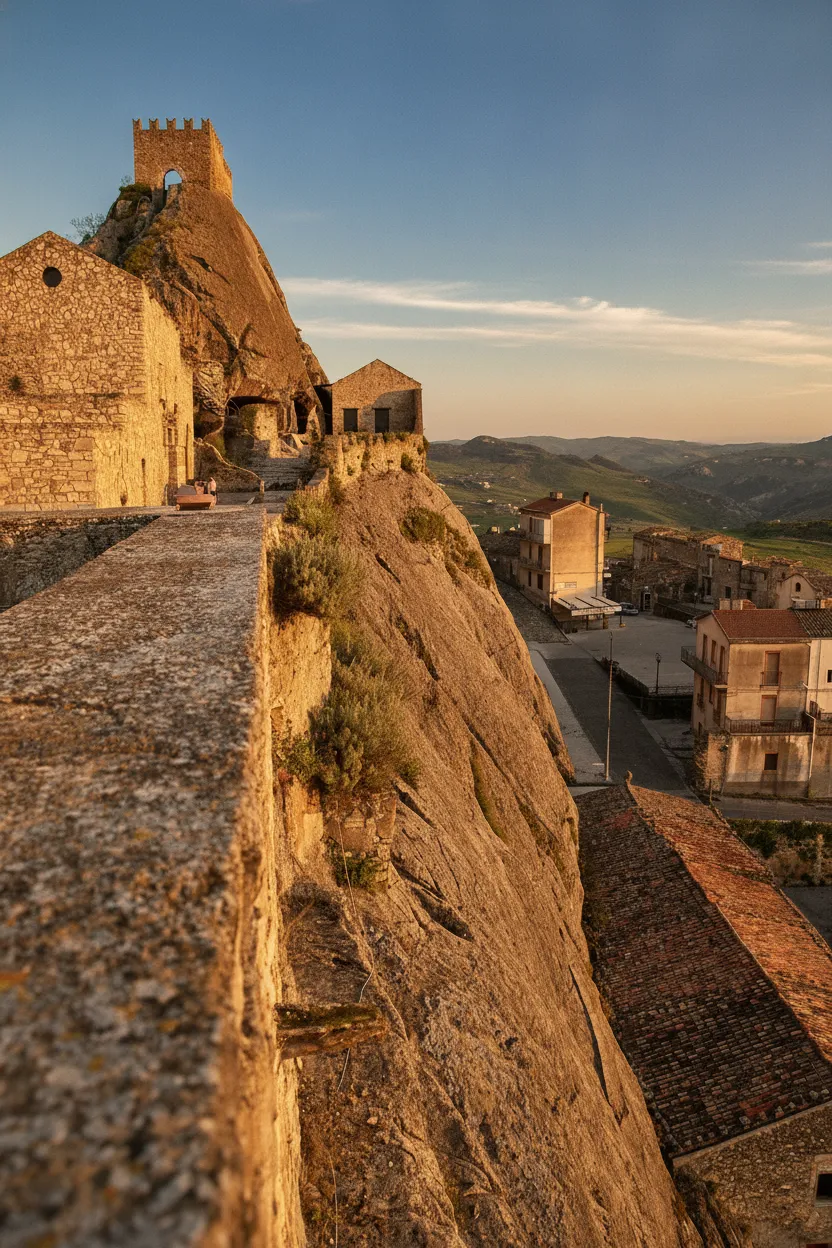
This is the undisputed star of Sperlinga. As you approach, the castle almost seems to disappear into the cliff, its rock-hewn battlements blending perfectly with the natural contours. Ascending to the castle is an adventure in itself, often involving rock-cut staircases and tunnels. Inside, you'll discover a labyrinthine complex of chambers, ancient prisons, stables, and living quarters, all carved directly from the sandstone. Imagine the lives lived within these cool, echoing spaces! From the castle's panoramic terraces, the views of the surrounding Sicilian countryside are simply breathtaking, stretching across rolling hills and valleys. It’s a photographer's dream and a history buff’s paradise.
The Troglodytic Dwellings: Living History
Beyond the castle, the village itself is a wonder. Wander through its narrow, winding streets, and you'll encounter numerous rock-cut dwellings. Some are open to visitors, offering a glimpse into the simple yet ingenious way of life that has characterized Sperlinga for millennia. You can see how these homes were adapted over time, with modern conveniences sometimes integrated into ancient rock walls. It's a surreal experience to realize that people still live in these very caves today, a testament to their practicality and enduring charm. Keep an eye out for the unique architectural details, such as carved niches, natural ventilation shafts, and the surprisingly spacious interiors.
Exploring the Village and Beyond
Sperlinga is more than just its rocks. The modern part of the village, though small, is charming, with a few local shops, cafes, and trattorias where you can savor authentic Sicilian cuisine. Take your time to stroll, soak in the tranquil atmosphere, and interact with the friendly locals. The surrounding landscape, dotted with olive groves and vineyards, is perfect for gentle hikes, offering different perspectives of the unique rock formations and the village clinging to them. Don't miss the small Chiesa Madre (Mother Church), which, while not rock-cut, offers a beautiful contrast to the ancient structures.
Practical Tips for Visiting Sperlinga
To make your visit to this extraordinary place as smooth and enjoyable as possible, here are a few practical pointers:
Best Time to Visit
The ideal times to explore Sperlinga are during the spring (April-May) and autumn (September-October). The weather is pleasantly mild, perfect for exploring on foot, and the crowds are significantly smaller than during the peak summer months. Summer (July-August) can be very hot, making extensive walking uncomfortable, though the cool interiors of the rock dwellings offer some respite.
How to Get There
Sperlinga is located in the inland heart of Sicily, making a rental car almost essential for convenient access. Public transport options are very limited. The drive from major airports like Catania (CTA) or Palermo (PMO) takes approximately 1.5 to 2 hours, offering scenic views of the Sicilian countryside. The roads leading to Sperlinga are generally well-maintained, but be prepared for some winding mountain roads.
Where to Stay and Eat
While Sperlinga itself has limited accommodation, you'll find charming local B&Bs and agriturismos in the surrounding areas that offer an authentic Sicilian experience. These often provide delicious home-cooked meals featuring local produce. In the village, seek out small family-run trattorias for traditional Sicilian dishes – think fresh pasta, hearty stews, and local cheeses. Don't leave without trying some of Sicily's famous pastries!
What to Bring
- **Comfortable Walking Shoes:** You'll be doing a lot of walking, often on uneven surfaces and up stairs, especially within the castle.
- **Camera:** The photographic opportunities are endless, from sweeping panoramas to intricate architectural details.
- **Sun Protection:** Even in milder months, the Sicilian sun can be strong.
- **Water Bottle:** Stay hydrated, especially if you're exploring for several hours.
- **A Sense of Wonder:** This place truly inspires awe, so come prepared to be amazed!
Respectful Travel
Remember that Sperlinga is a living community, not just a historical site. Be respectful of local residents, their homes, and their way of life. Support local businesses, and always adhere to any guidelines or rules posted at the castle and other sites.
Sperlinga is more than just a destination; it's an experience that connects you to the deep past of Sicily and the ingenious spirit of humanity. It’s a powerful reminder that sometimes, the most extraordinary wonders are not grand monuments built to defy nature, but humble dwellings born from its very embrace. So, if you're seeking a genuinely unique adventure off the well-trodden path, let Sperlinga carve its indelible mark on your travel memories. You won't just visit a place; you'll step into a timeless story written in stone.
Essential Travel Information
- Location Sperlinga, Italy
- Best Time Spring (April-May) and Autumn (September-October)
- Getting There Car rental is essential, approx. 1.5-2 hours drive from Catania or Palermo airports.
- Airport Catania Fontanarossa (CTA)
- Budget Budget/Mid-range (approx. €50-€100 per day excluding car rental)
- Language Italian, Sicilian dialect
Find Places to Stay Near Sperlinga
Compare hotels, hostels, and unique stays in Italy.
Search AccommodationTours & Experiences Near Sperlinga
Book guided tours, day trips, and unique experiences.
Browse Tours