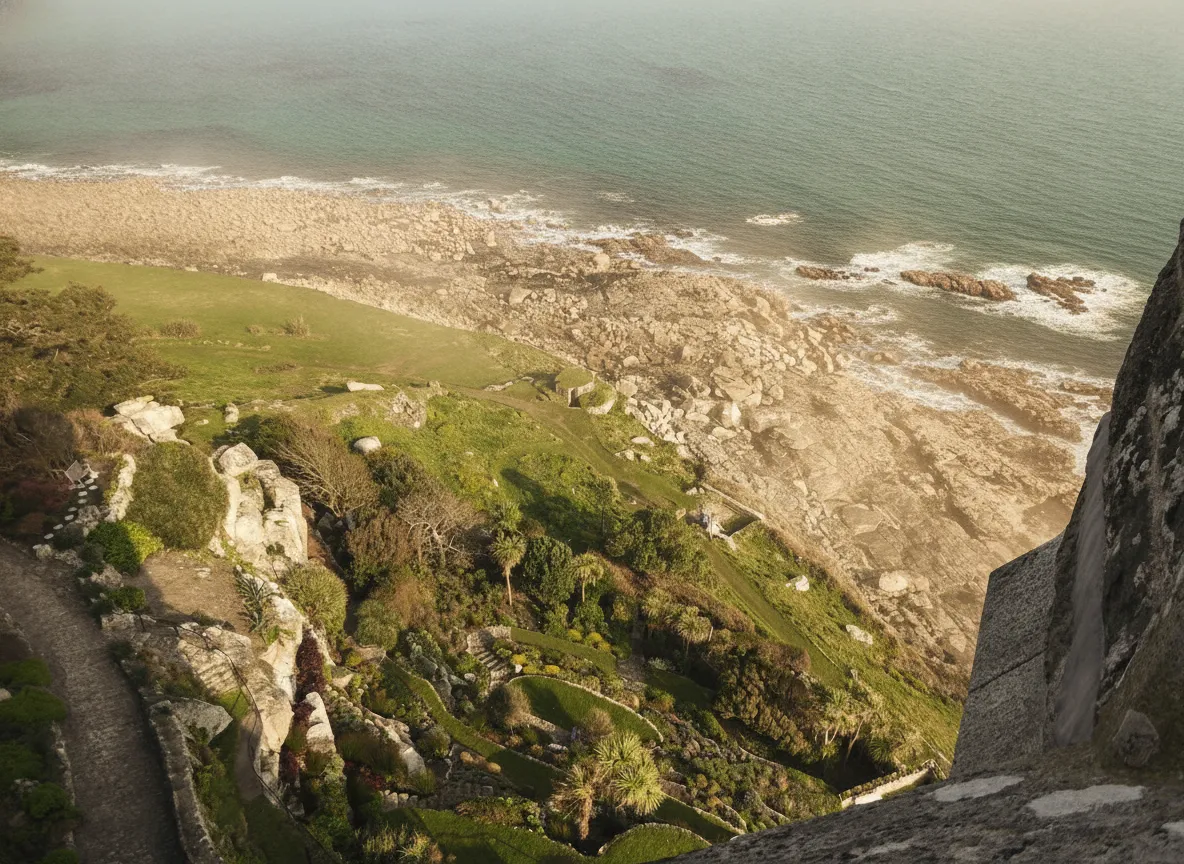
Imagine a place where history isn't just written on ancient stones, but carved directly into the very heart of the earth. A colossal, cathedral-like chamber, hand-hewn over centuries into solid granite, now lies beneath one of England's most iconic tidal islands, swallowed by the sea at high tide. While millions flock to the fairytale castle of St Michael's Mount, few are aware of the monumental secret hidden within its base – an awe-inspiring, subterranean quarry, a testament to human grit and ingenuity, awaiting discovery only when the ocean deigns to retreat.
This isn't just another tourist spot; it's an adventure into a forgotten world, a chance to step into the echoes of manual labour that shaped a landmark. Forget crowded gift shops and guided tours; this is raw, untamed history, a breathtaking glimpse into the sheer scale of ambition that built the Mount we know today. Are you ready to venture beyond the postcard view and uncover Cornwall's most magnificent, yet elusive, secret?
Unveiling Cornwall's Hidden Gem: The St Michael's Mount Quarry
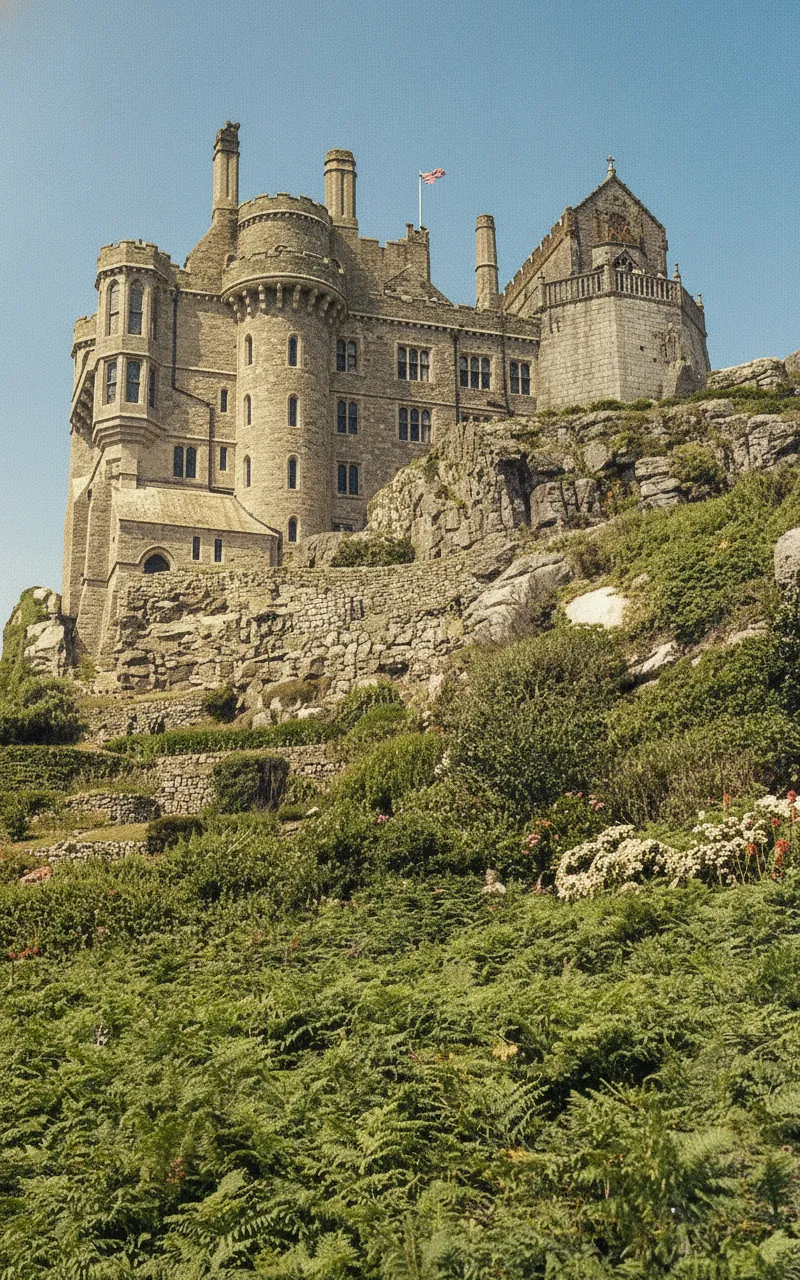
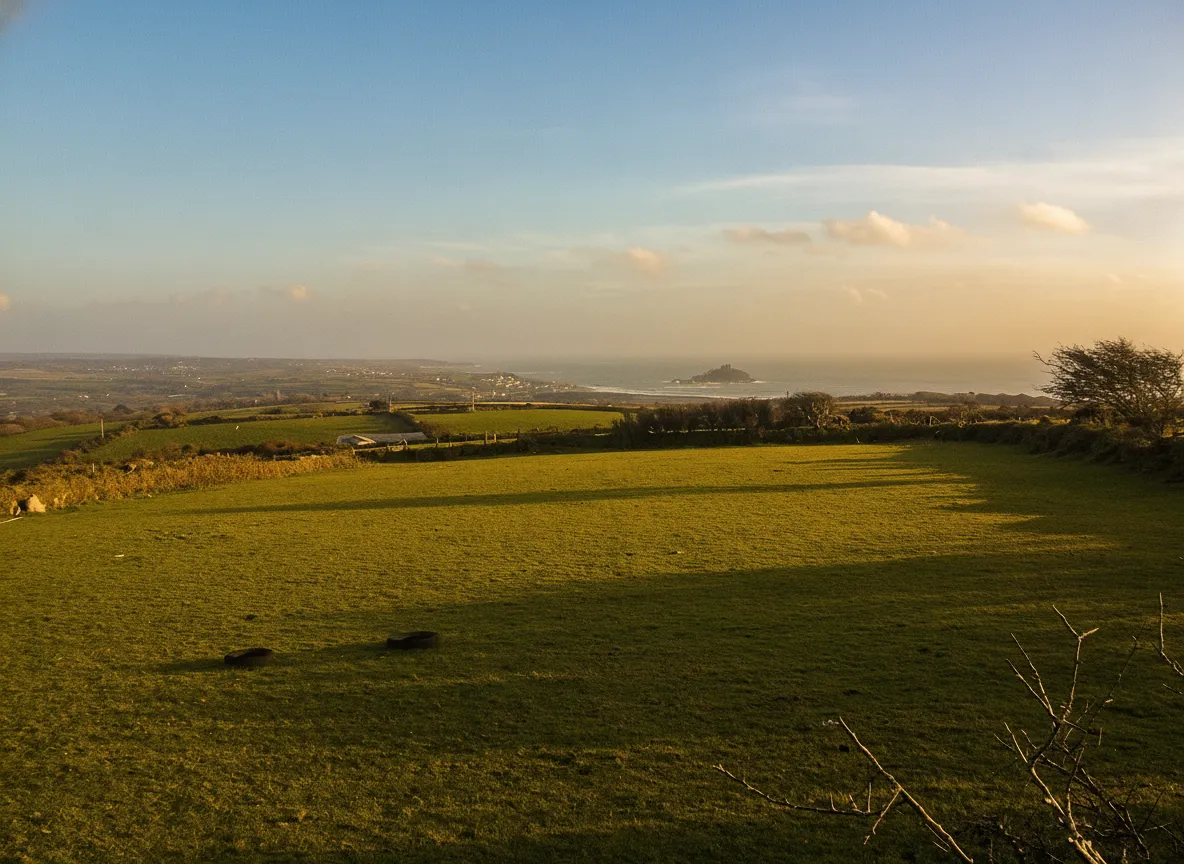
St Michael's Mount itself is a marvel, a granite island crowned with a medieval castle and a picturesque harbour, connected to the mainland by a cobbled causeway revealed only at low tide. It's a place steeped in legend, from giants to archangels, a beacon of Cornish heritage. Yet, beneath its well-trodden paths and manicured gardens lies a secret so grand, so utterly unexpected, it feels almost mythical: the St Michael's Mount Quarry.
Most visitors gaze up at the castle, admire the harbour walls, and walk the causeway, oblivious to the fact that these very structures were born from the rock beneath their feet. The quarry isn't merely a hole in the ground; it's a vast, cavernous space, a monumental feat of manual excavation that boggles the mind. Imagine standing inside a chamber so immense, so perfectly carved, that the natural light filtering in from its seaward opening feels like stained glass in a forgotten nave. The air is cool, damp with the breath of the ocean, and the silence, punctuated only by the distant calls of gulls and the gentle lapping of waves, is profound. It's a place that humbles you, a tangible connection to the tireless hands that shaped this iconic landscape, long before the age of machinery.
A Monument to Human Endeavour: The History of the Quarry
The story of St Michael's Mount is inextricably linked to its granite. For centuries, this resilient, beautiful stone was the very foundation of its existence, both literally and figuratively. While the exact dates of the quarry's inception are lost to time, it's understood that quarrying began as early as the 12th century, intensifying during the medieval period and continuing well into the 19th century. This wasn't just about building a castle; it was about creating an entire island infrastructure.
The granite extracted from this subterranean cathedral was used to construct the very causeway that connects the Mount to Marazion, allowing pilgrims and supplies to reach the island. It built the sturdy harbour walls, protecting fishing boats and trading vessels from the tumultuous Cornish seas. Even parts of the castle itself, particularly its lower defensive sections, owe their existence to the stone hewn from this hidden chamber. Imagine the scene: skilled quarrymen, working by the flickering light of candles or oil lamps, painstakingly chiselling away at the rock face, day after day, year after year. The only tools available were hammers, chisels, and sheer brute force. Each block of granite, weighing hundreds of pounds, had to be levered out, hauled through the tunnels, and then transported to its final destination. It was a labour of Hercules, a testament to the perseverance and strength of the people who called this rugged coast home. The quarry represents not just a source of building material, but a living, breathing archive of human struggle and triumph against nature.
Stepping Inside the Subterranean Cathedral: What to Expect
Accessing the St Michael's Mount Quarry is an adventure in itself, a true "off-the-beaten-path" experience that requires careful timing and a sense of wonder. As you approach the base of the Mount from the causeway, you'll need to look for a substantial opening in the rock face, often partially obscured by seaweed and barnacles. This is the mouth of the beast, the entrance to a forgotten world.
Once inside, the scale of the chamber immediately strikes you. The vastness is astounding, far greater than any casual observer might imagine. The walls rise dramatically, bearing the unmistakable marks of tools – a textured tapestry of human effort etched into the granite. Light, when the tide is low enough, streams in from the main opening, creating dramatic shadows and highlighting the natural beauty of the rock. You might notice various smaller tunnels branching off, some leading further into the Mount's interior, others serving as defunct access points. The air is cool and still, carrying the faint, earthy scent of damp rock and the clean tang of the sea. Sound travels differently here; every whisper, every footstep, is amplified, creating a symphony of echoes that transports you back centuries.
It’s a place that evokes a profound sense of awe and respect for the sheer audacity of those who carved it. You can almost hear the ghosts of ancient labourers, their hammers ringing against the stone, their voices carrying through the cavernous space. This isn't just a hole in a rock; it's a monumental sculpture, a hand-carved monument to a bygone era of industry and determination. It offers a unique perspective on the Mount itself, revealing the raw material and the immense effort that underpins its iconic beauty. Standing within its cool embrace, you feel the weight of history, the power of the sea, and the enduring spirit of human endeavour all at once.
Planning Your Expedition: Practical Tips for Visiting the Quarry
Visiting the St Michael's Mount Quarry is an unforgettable experience, but it requires careful planning due to its unique accessibility. This isn't a formally managed attraction with signposts and visitor centres; it's a natural, historical site that demands respect and caution.
Tide Times are Your Lifeline
This is the single most crucial piece of advice. The quarry is only accessible at low tide, and even then, often only for a limited window. Before you even think about setting off, meticulously check the St Michael's Mount tide times. Aim to arrive at the Mount as the tide is nearing its lowest point, giving you the maximum safe window for exploration. The sea can return surprisingly quickly, and being cut off is a serious risk.
Appropriate Footwear and Gear
The ground inside and around the quarry entrance can be uneven, rocky, and very slippery due to seaweed and dampness. Sturdy, waterproof walking boots with good grip are absolutely essential. Consider bringing a headlamp or a powerful torch, as some areas within the quarry can be quite dark, even on a sunny day. A waterproof jacket is also advisable, as the interior can be damp.
Safety First, Always
While an incredible experience, the quarry is an unmanaged, natural environment. Do not climb on unstable rocks. Be mindful of falling debris, though the granite is generally very stable. If you are exploring deeper, always go with a companion and let someone know your plans. Respect the environment and leave no trace – take only photographs, leave only footprints.
Getting to St Michael's Mount
First, you need to get to St Michael's Mount itself. You can walk across the ancient causeway from Marazion at low tide (check tide times!). At high tide, small ferry boats operate from Marazion beach. Once on the island, the quarry entrance is typically found at the base of the Mount, on the Marazion side, near the causeway's end or just beyond the harbour walls. It can be a little tricky to spot for the uninitiated, adding to its hidden charm.
Respect and Conservation
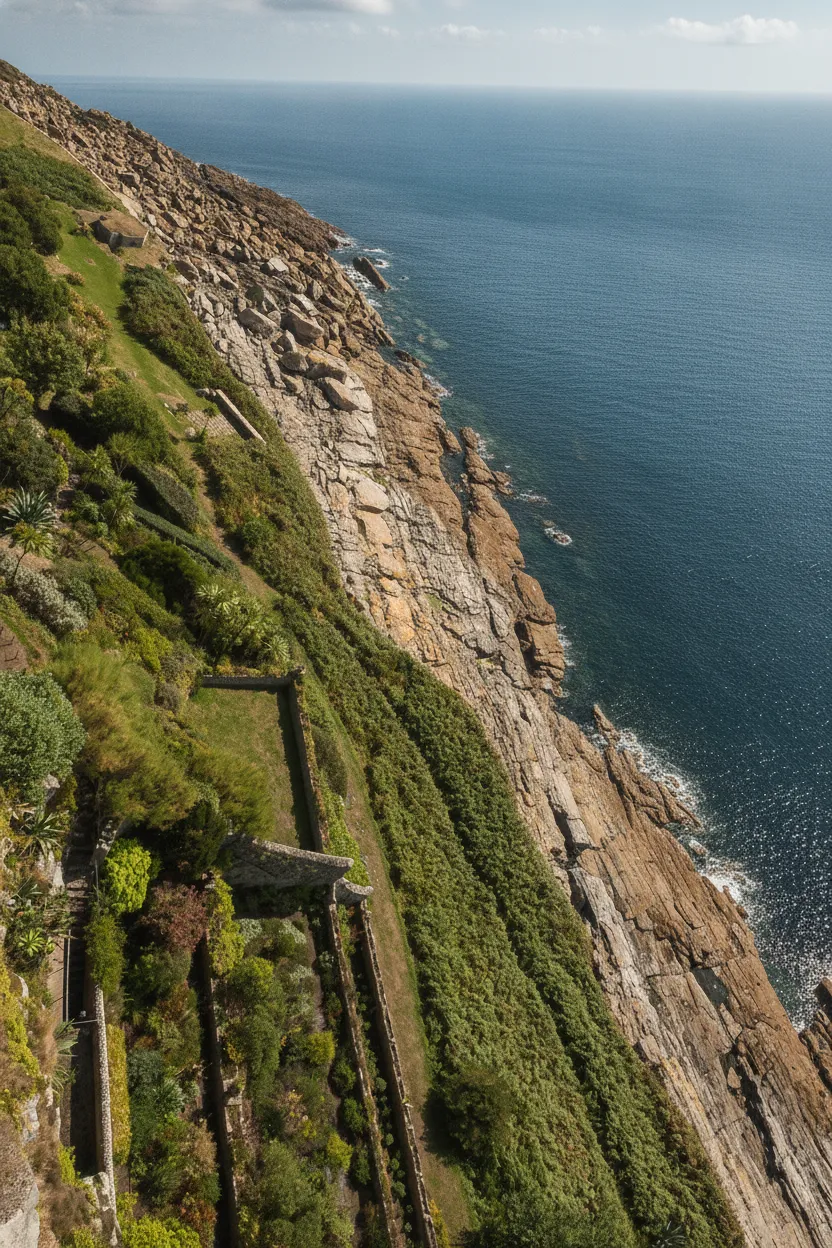
Remember that St Michael's Mount is managed by the National Trust and the St Aubyn family. While the quarry is a natural feature, it's part of a sensitive historical and ecological site. Access is unofficial, so always act responsibly. Do not disturb wildlife, deface the rock, or leave any litter. Help preserve this incredible piece of history for future generations.
Visiting the St Michael's Mount Quarry is more than just seeing a historical site; it's an immersive journey into the very soul of Cornwall, a testament to resilience, and a reminder that some of the greatest wonders lie just beneath the surface, waiting for the curious and the brave. It's an adventure that will stay with you long after the tide has risen and reclaimed its secret once more.
Essential Travel Information
- Location St Michael's Mount Quarry, United Kingdom
- Best Time Late spring to early autumn (May-September) for best weather and longer daylight hours, but ALWAYS check tide times meticulously.
- Getting There Access St Michael's Mount from Marazion via the causeway (at low tide) or small ferry boats (at high tide). The quarry entrance is at the base of the Mount, typically on the Marazion side, accessible only during specific low tide windows.
- Airport Cornwall Airport Newquay (NQY)
- Budget Mid-range (approx. £50-£100 per person per day, including travel to Cornwall, St Michael's Mount entry fee, and local food/accommodation, though quarry access itself is free once on the island).
- Language English
Find Places to Stay Near St Michael's Mount Quarry
Compare hotels, hostels, and unique stays in United Kingdom.
Search AccommodationTours & Experiences Near St Michael's Mount Quarry
Book guided tours, day trips, and unique experiences.
Browse Tours