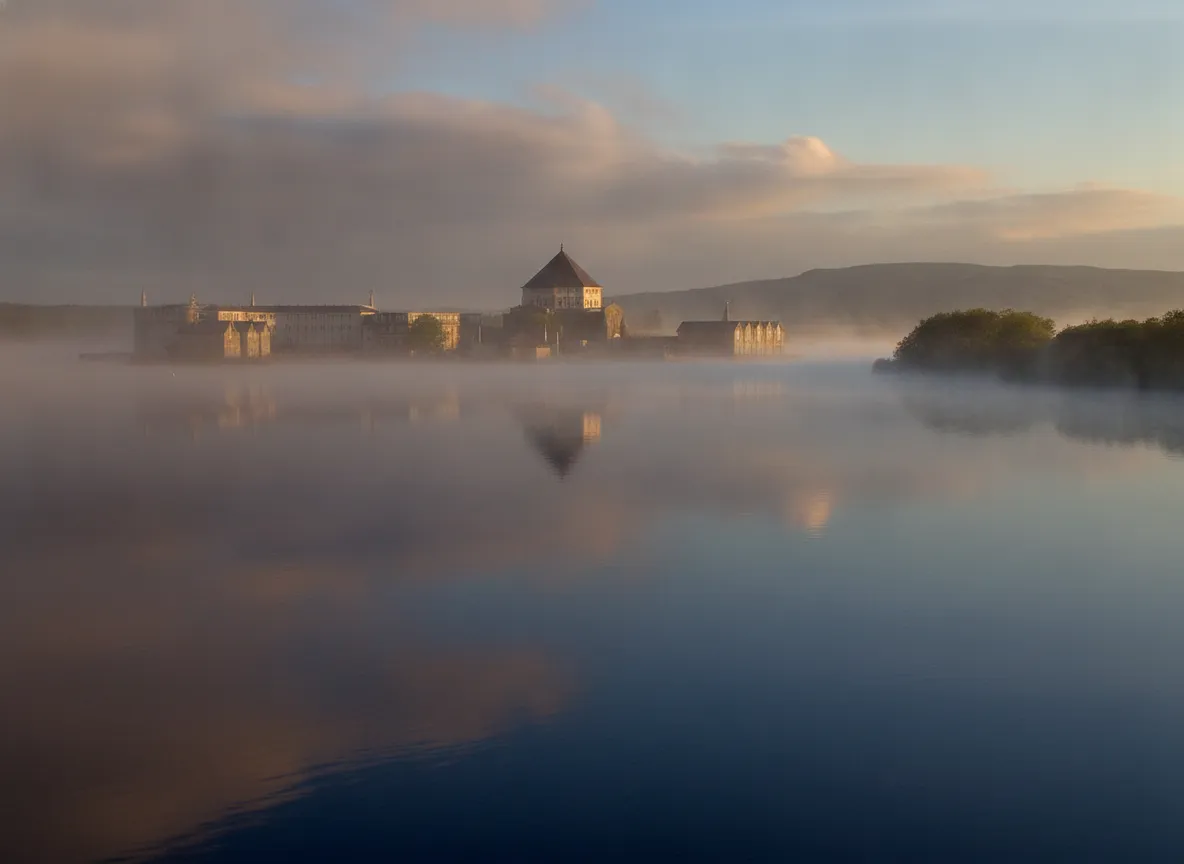
For centuries, pilgrims have made their way to Station Island, drawn by the promise of spiritual purification and a connection to the divine that feels almost tangible. It's a place where time seems to slow, where the modern world fades, and the echoes of generations of prayer resonate in the quiet air. This isn't a typical tourist attraction; it's an invitation to witness, and perhaps even partake in, one of the most unique and demanding spiritual ordeals known to humanity.
St. Patrick's Purgatory: A Glimpse Beyond the Veil
What truly sets St. Patrick's Purgatory, or Lough Derg as it's often simply known, apart is its unyielding commitment to an ancient form of Christian pilgrimage. Since the 5th century, this small island has been a beacon for those seeking profound spiritual renewal, repentance, and a deeper connection with their faith. Unlike many pilgrimage sites that have adapted to modern tourism, Lough Derg maintains an austere, disciplined regimen that has remained largely unchanged for centuries. Pilgrims undertake a three-day fast, consuming only water and dry bread, and endure a 24-hour vigil without sleep, all while walking barefoot on the ancient stones and participating in a continuous cycle of prayer, reflection, and Mass.
This isn't merely a symbolic journey; it's a physical and spiritual crucible designed to strip away distractions and confront the self. The sheer dedication and fortitude required are astonishing, creating an atmosphere of intense introspection and shared purpose among those who undertake it. For the curious outsider, the very existence of such a place, thriving in the modern world, is a source of wonder. It’s a testament to the enduring human quest for meaning, for forgiveness, and for a glimpse of something beyond our immediate comprehension. To even observe (from a respectful distance, of course) the quiet determination of these pilgrims is to witness a rare and powerful expression of faith.
It’s this stark, unique spiritual ordeal, rarely witnessed by outsiders, that makes Lough Derg so profoundly fascinating. It challenges our assumptions about travel, about faith, and about human endurance, inviting us into a world where the spiritual landscape is as real and rugged as the physical one.
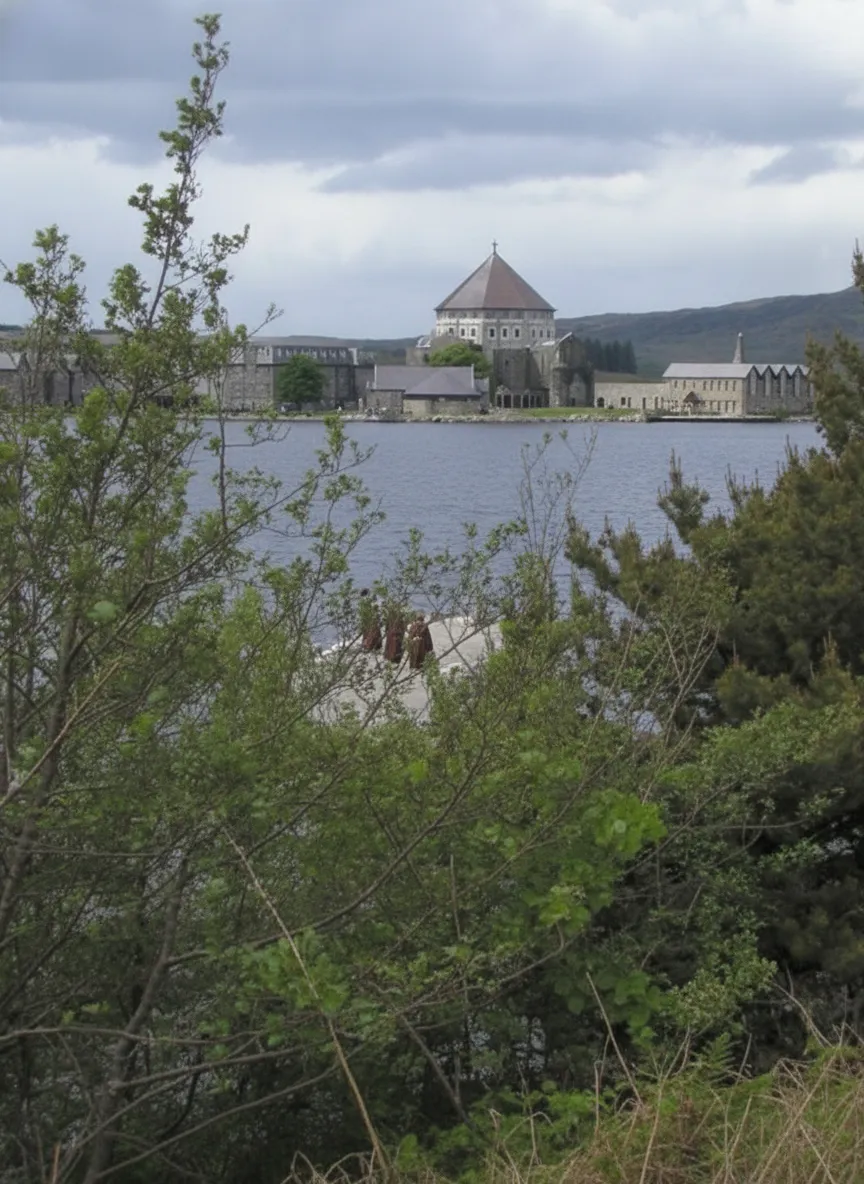
Echoes of Eternity: A History Steeped in Legend
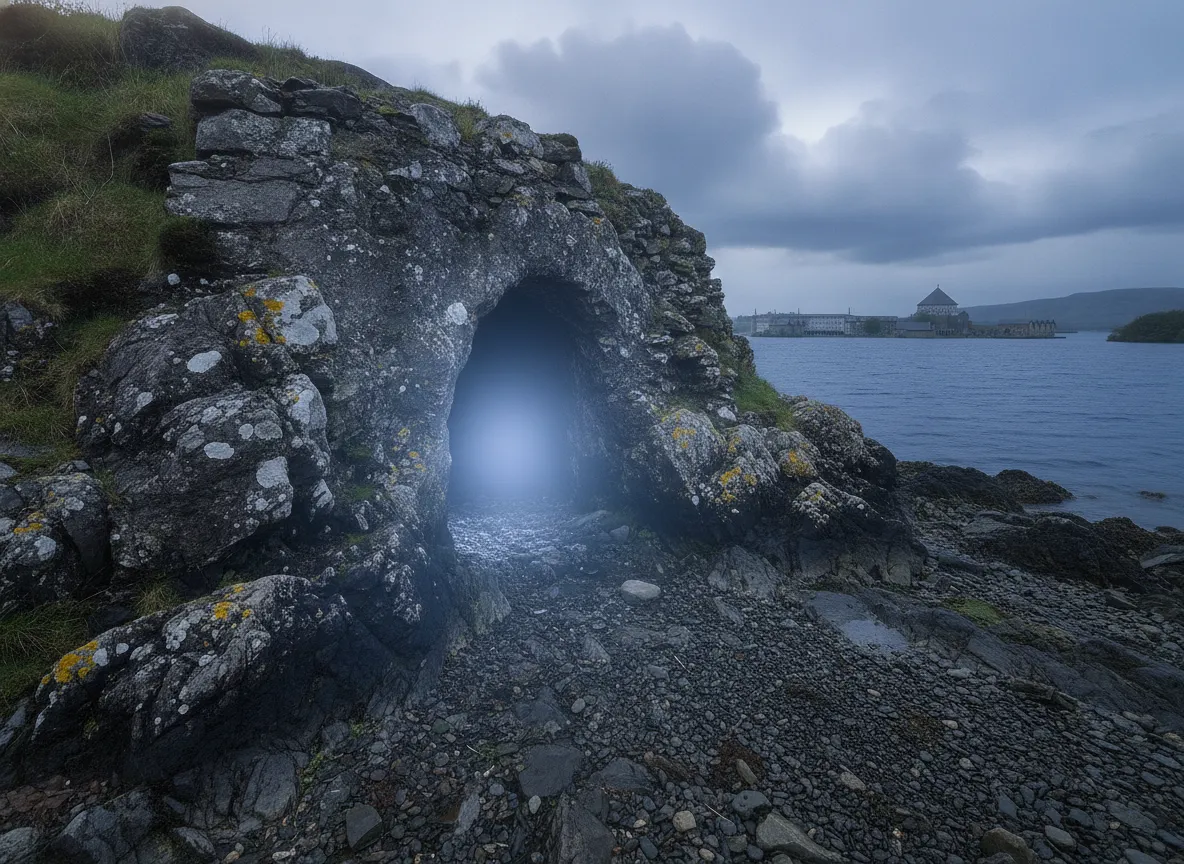
The story of St. Patrick's Purgatory begins, as many great Irish tales do, with St. Patrick himself. Legend has it that in the 5th century, weary from his efforts to convert the pagan Irish, Patrick was shown a cave on this very island by God. This cave, it was revealed, was an entrance to Purgatory, a place where penitents could experience the torments of the afterlife and thereby cleanse their sins. Those who endured the night in the cave, it was believed, would be granted a vision of the afterlife and have their sins forgiven.
While the original cave was eventually closed by papal decree in the 15th century due to concerns about its authenticity and misuse, the tradition of pilgrimage to Station Island continued unabated. The essence of the ordeal – fasting, sleeplessness, and intense prayer – became the new "purgatory," a spiritual journey designed to achieve the same profound purification. Over the centuries, Lough Derg gained international renown, attracting pilgrims from across Europe and beyond. Kings, queens, knights, and common folk alike braved arduous journeys to seek solace and spiritual cleansing on this remote island.
The island's history is peppered with fascinating accounts, from medieval chronicles detailing visions of heaven and hell, to the steadfast resilience of the pilgrimage through periods of persecution and political upheaval. It has survived Viking raids, suppression during the Reformation, and the trials of famine and war, always re-emerging as a powerful beacon of faith. This unbroken chain of devotion, spanning over 1,500 years, imbues Lough Derg with an almost palpable sense of history, where every stone and every whisper of wind carries the weight of countless prayers.
The Sacred Ordeal: What to Expect on Station Island
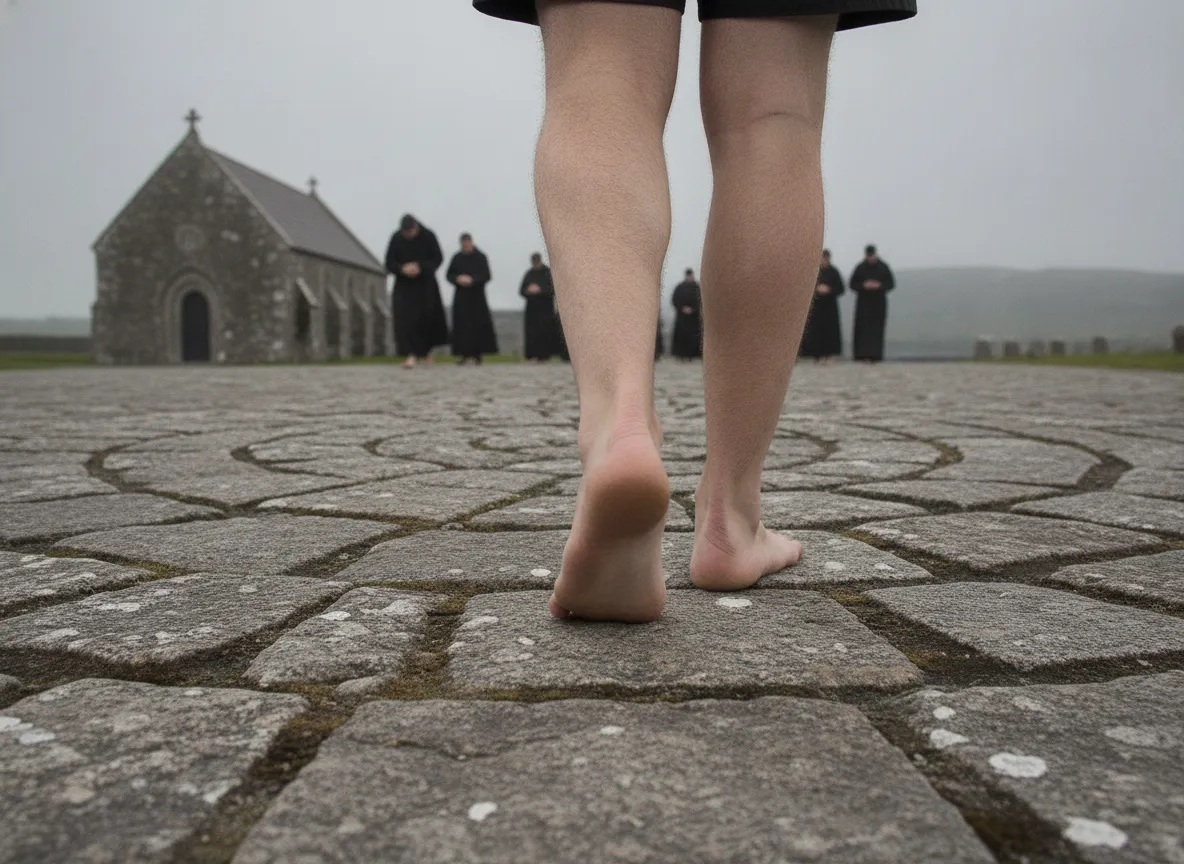
For those who undertake the full three-day pilgrimage, the experience is meticulously structured and deeply immersive. Upon arrival, pilgrims shed their shoes, signifying a detachment from the material world. The journey begins with a 'Vigil,' a 24-hour period of sleeplessness, punctuated by 'Stations' – barefoot walks around the island's various holy sites, including the Basilica and the ancient penitential beds (foundations of old monastic cells). Each Station involves specific prayers and meditations, often recited in unison, creating a powerful communal spiritual energy.
Fasting is another cornerstone of the pilgrimage. Throughout the three days, pilgrims consume only water, often drawn from the lake itself, and a single, sparse meal of dry bread and black tea or coffee each day. This physical austerity is not about suffering for suffering's sake, but about clearing the mind and body to focus entirely on the spiritual. The simple, shared accommodation, the quiet meals, and the constant rhythm of prayer foster an environment of profound introspection and camaraderie among pilgrims, many of whom arrive as strangers but leave with a deep, shared experience.
You won't find opulent cathedrals or elaborate decorations here. The beauty of Station Island lies in its stark simplicity, its rugged natural setting, and the profound human spirit it nurtures. The main Basilica, St. Patrick's Purgatory Chapel, and the various outdoor Stations are functional, serene spaces designed to facilitate prayer and contemplation. It's a place where the inner landscape becomes the primary focus, and the external world is stripped down to its most essential elements, allowing for a truly transformative encounter with oneself and the divine.
Beyond the Pilgrimage: Lough Derg for the Curious Traveler
While the full three-day pilgrimage is undoubtedly the heart of Lough Derg, it's a specific spiritual undertaking primarily for those of Catholic faith seeking a profound experience. However, this doesn't mean the area is entirely off-limits for the curious traveler. For those not ready for the full ordeal, Lough Derg also offers one-day retreats and other shorter programs during its pilgrimage season (typically May to August/September). These provide a valuable opportunity to experience the island's unique spiritual atmosphere, learn about its history, and participate in a less intense form of reflection and prayer, without the full fasting or sleeplessness requirements.
For any visit, whether a full pilgrimage or a day retreat, practical considerations are key. Dress warmly and in layers, as Irish weather can be unpredictable, even in summer. Waterproof outer layers are highly recommended. While the island provides basic accommodation for pilgrims, you'll want to ensure you have suitable clothing for walking and for the cool evenings. Respect for the quiet and sacred nature of the island is paramount. Photography might be restricted in certain areas or during sacred times, so always be mindful and ask if unsure.
Beyond Station Island itself, the surrounding region of County Donegal offers breathtaking natural beauty, from rugged coastlines to rolling hills. Exploring the picturesque landscapes around Lough Derg can complement a spiritual visit to the island, offering a chance to reflect in the tranquility of nature. Consider extending your trip to discover other hidden gems in this less-traveled part of Ireland.
St. Patrick's Purgatory on Lough Derg is more than just a destination; it's an experience that challenges, inspires, and ultimately enriches the soul. It stands as a powerful reminder that in our fast-paced world, there are still places where ancient traditions thrive, offering profound opportunities for introspection and spiritual growth. Whether you embark on the full pilgrimage or simply visit for a day of quiet reflection, Lough Derg promises an encounter with a timeless Ireland, a place where the veil between worlds feels wonderfully, mysteriously thin.
Essential Travel Information
- Location St. Patrick's Purgatory, Lough Derg, Ireland
- Best Time May to September (pilgrimage season)
- Getting There Access to Station Island is via boat from the Lough Derg shore near Pettigo, County Donegal. Advance booking for pilgrimages or retreats is essential.
- Airport Donegal Airport (CFN)
- Budget Budget/Mid-range (pilgrimage costs are fixed, accommodation on island is basic, surrounding area offers varied options)
- Language English, Irish (Gaeilge)
Find Places to Stay Near St. Patrick's Purgatory, Lough Derg
Compare hotels, hostels, and unique stays in Ireland.
Search AccommodationTours & Experiences Near St. Patrick's Purgatory, Lough Derg
Book guided tours, day trips, and unique experiences.
Browse Tours