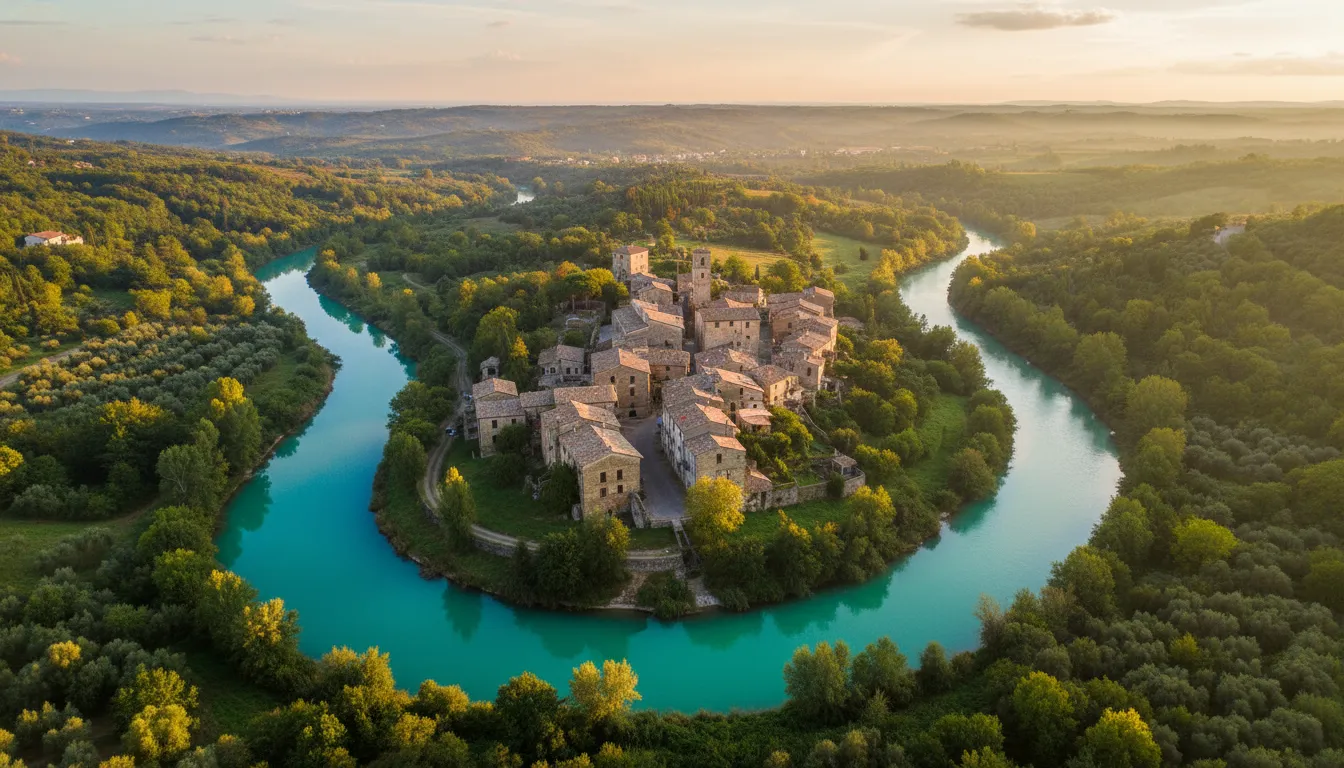
Imagine drifting on waters so impossibly turquoise, they seem otherworldly, a hue so vibrant it feels painted by an artist’s wildest dream. Now picture tracing the path of an ancient Roman canal, carved through the heart of a forgotten village, where time itself seems to slow to a whisper. This isn’t a scene from a fantasy novel; it’s the breathtaking reality of the Stifone Waterways, a hidden gem nestled in the verdant heart of Umbria, Italy. Prepare to discover a place where ancient history and stunning natural beauty converge in a way you never thought possible, far from the madding crowds, waiting for your quiet admiration.
Umbria, often overshadowed by its more famous Tuscan neighbor, holds countless secrets, but few are as captivating as Stifone. This isn't just a picturesque spot; it's a living testament to Roman ingenuity, a hydraulic marvel from the 1st century BCE that continues to flow with purpose and unparalleled beauty today. If you're yearning for an authentic, off-the-beaten-path Italian experience that will leave you utterly spellbound, then pack your bags – your journey to Stifone is about to begin.
The Unearthly Beauty of Stifone's Turquoise Waters
What truly sets Stifone apart is the mesmerizing color of its waters. Fed by the Nera River, these canals boast an iridescent turquoise that defies belief. It’s a color so intense, so pure, that it feels almost surreal, as if someone poured a giant bottle of liquid sapphire into the landscape. This isn't the murky green of many rivers or the deep blue of the sea; it’s a translucent, glowing azure that invites you to dip your hands in and feel its cool embrace.
Drifting along these tranquil canals, whether by kayak, paddleboard, or simply gazing from the banks, you'll experience a profound sense of peace. The vibrant water reflects the lush greenery that lines its edges, creating a kaleidoscope of natural hues that shift with the sunlight. The air is still, broken only by the gentle dip of an oar or the distant chirping of birds. Unlike Italy's bustling coastal towns or crowded historical sites, Stifone offers a rare opportunity for quiet contemplation, a chance to reconnect with nature and history in a truly intimate way. It feels like stepping into a perfectly preserved painting, where every detail, from the ancient stone walls to the swaying reeds, contributes to an atmosphere of ethereal beauty.
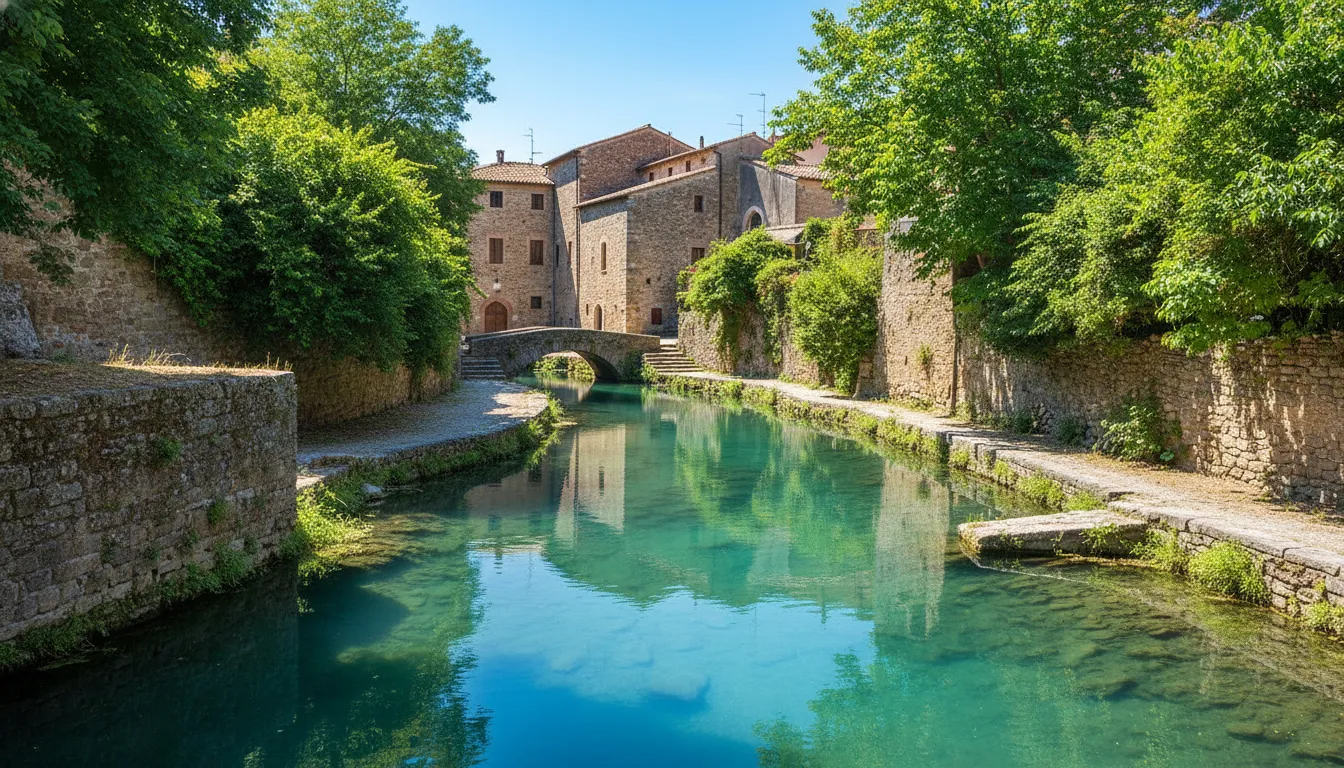
The magic is in this blend: the vivid, almost unnatural color of the water juxtaposed with the timeless, rustic charm of the tiny hamlet it flows through. It’s a landscape that whispers tales of ancient times, yet feels utterly alive and vibrant in the present. This striking visual spectacle, combined with its serene atmosphere, makes Stifone an unforgettable destination for those seeking beauty beyond the ordinary.
A Roman Engineering Marvel Reborn in Nature
The story of Stifone's waterways is one of remarkable human ingenuity and nature’s enduring embrace. These aren't just pretty canals; they are the remnants of an ingenious Roman hydraulic system dating back to the 1st century BCE. Imagine, over two millennia ago, Roman engineers, with their unparalleled understanding of water management, devised a complex network to harness the mighty Nera River. Their goal? To provide water for various purposes, likely including irrigation and perhaps even powering mills, for the nearby ancient city of Narnia (modern-day Narni).
The brilliance of this system lies in its longevity and its seamless integration into the natural landscape. The Romans weren't just building; they were adapting, shaping the environment to their needs with a foresight that still impresses today. The canals were meticulously cut through rock and earth, channeling the river's flow with precision. Over the centuries, as empires rose and fell, and the original purpose perhaps faded, nature reclaimed parts of the system, transforming it into the breathtaking landscape we see today.
The waters that flow through Stifone are incredibly pure and cold, originating from underground springs that feed into the Nera River. It’s this unique geological composition, combined with the riverbed's characteristics, that gives the water its distinctive, luminous turquoise hue. The ancient stone walls of the canals, now softened by moss and lush vegetation, stand as silent sentinels, testament to a civilization that understood the power and potential of water better than almost any other. Walking alongside these waterways is like tracing a line through history, feeling the echoes of Roman footsteps while surrounded by the vibrant pulse of nature.
Exploring Stifone: What Awaits Your Discovery
Stifone is a place designed for gentle exploration and quiet appreciation. While it might not boast grand museums or bustling markets, it offers something far more precious: an immersive, tranquil experience that engages all your senses.
The most popular way to experience the waterways themselves is by **kayak or paddleboard**. Gliding silently over the impossibly clear, turquoise water allows you to truly appreciate its depth and color. You can paddle upstream, exploring secluded bends where the vegetation hangs low, or simply drift with the gentle current, taking in the serene surroundings. It’s an activity that requires no prior experience, just a desire to connect with this unique environment. Imagine the photos you'll capture – vibrant blue water, ancient stone, and lush green reflections!
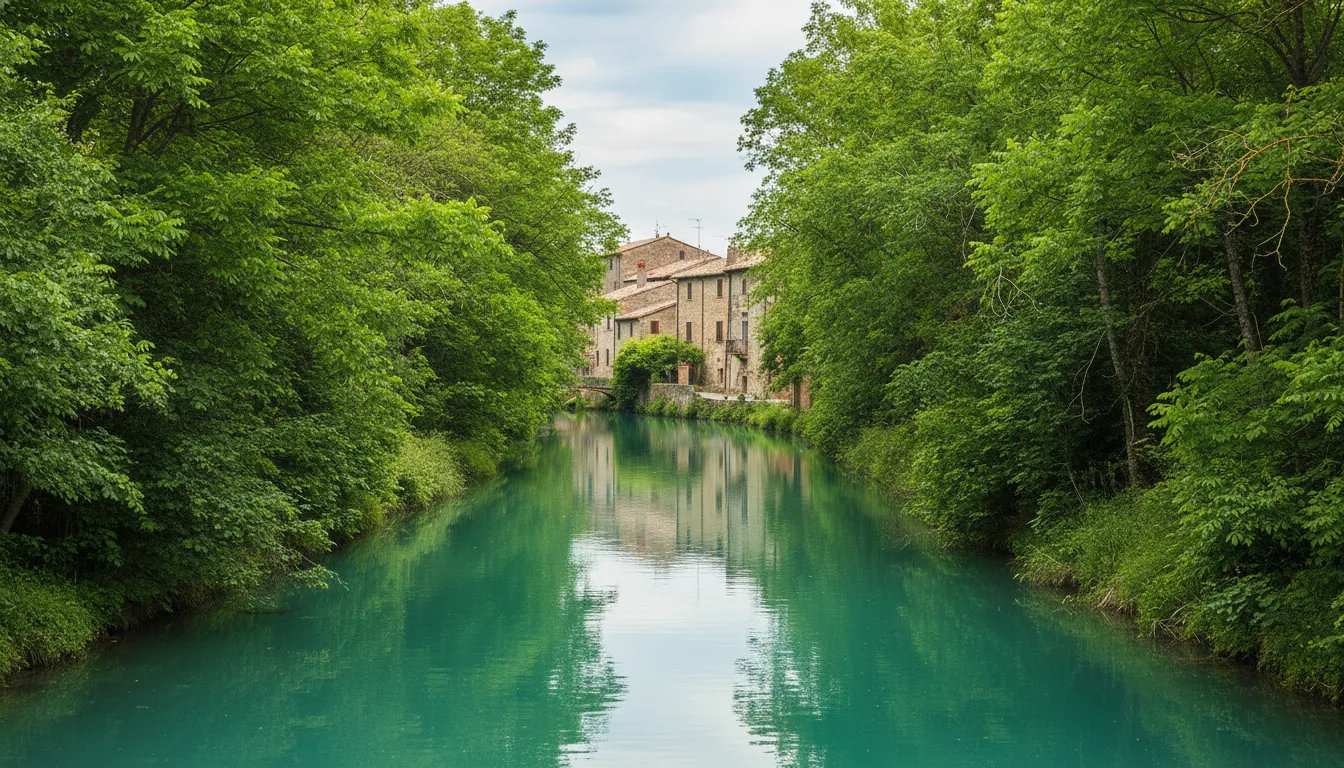
Beyond the water, the **tiny hamlet of Stifone** itself is a delight to explore on foot. With just a handful of stone houses, a charming old bridge, and a pervasive sense of calm, it feels like a village plucked from a bygone era. Wander its narrow lanes, admire the traditional Umbrian architecture, and perhaps find a quiet spot to simply sit and listen to the gentle flow of the canals. There are no shops or cafes directly in Stifone, which only adds to its untouched charm, encouraging you to truly disconnect.
The surrounding area is also perfect for **gentle walks and nature photography**. The lush vegetation that thrives along the canal banks is home to various bird species, and the play of light on the water and greenery offers endless opportunities for stunning shots. You'll find yourself constantly reaching for your camera, trying to capture the elusive, almost magical quality of the light and color.
While Stifone is the main draw, its location in Umbria means you're never far from other regional treasures. The nearby town of Narni, with its medieval charm and underground secrets, makes for an excellent complement to a Stifone visit. But truly, the magic of Stifone lies in its singular focus – the mesmerizing waterways and the ancient story they tell.
Practical Tips for Your Stifone Adventure
Ready to embark on your journey to this hidden Italian paradise? Here are some practical tips to ensure your visit to Stifone is as smooth and magical as the waters themselves:
- Getting There: Stifone is best reached by car. It's a small village, and public transport options are limited. The nearest larger towns are Narni and Terni. From Rome, it's about a 1.5 to 2-hour drive. A GPS will be your best friend, as signs for Stifone itself can be sparse.
- Best Time to Visit: Spring (April-May) and early autumn (September-October) offer the most pleasant weather for outdoor activities. The lush greenery is at its peak, and the temperatures are ideal for kayaking or walking. Summer months can be hot, but the cool water offers a refreshing escape. Avoid visiting in winter, as many local services might be closed, and the weather less inviting.
- Accommodation: Stifone itself has very limited accommodation. Your best bet is to stay in nearby Narni, Terni, or one of the charming agriturismos (farm stays) scattered throughout the Umbrian countryside. These offer a fantastic base for exploring the region and often provide authentic local experiences.
- Kayaking/Paddleboarding: While Stifone is gaining recognition, it's not a highly commercialized area. You might find local providers in Narni or Terni who offer guided tours or rentals that include transport to Stifone. Alternatively, if you have your own equipment, you can launch from designated spots. Always check local regulations before launching.
- What to Bring:
- **Camera:** You'll want to capture the incredible colors!
- **Comfortable Shoes:** For exploring the village and walking along the banks.
- **Swimwear & Towel:** If you plan on kayaking or taking a refreshing dip.
- **Water & Snacks:** There are no shops in Stifone, so come prepared.
- **Sunscreen & Hat:** Especially during warmer months.
- **A Sense of Wonder:** This place truly deserves it.
- Respectful Tourism: As a largely undiscovered gem, Stifone remains pristine. Please help keep it that way. Take all your rubbish with you, respect the tranquility of the village, and avoid disturbing the local flora and fauna.
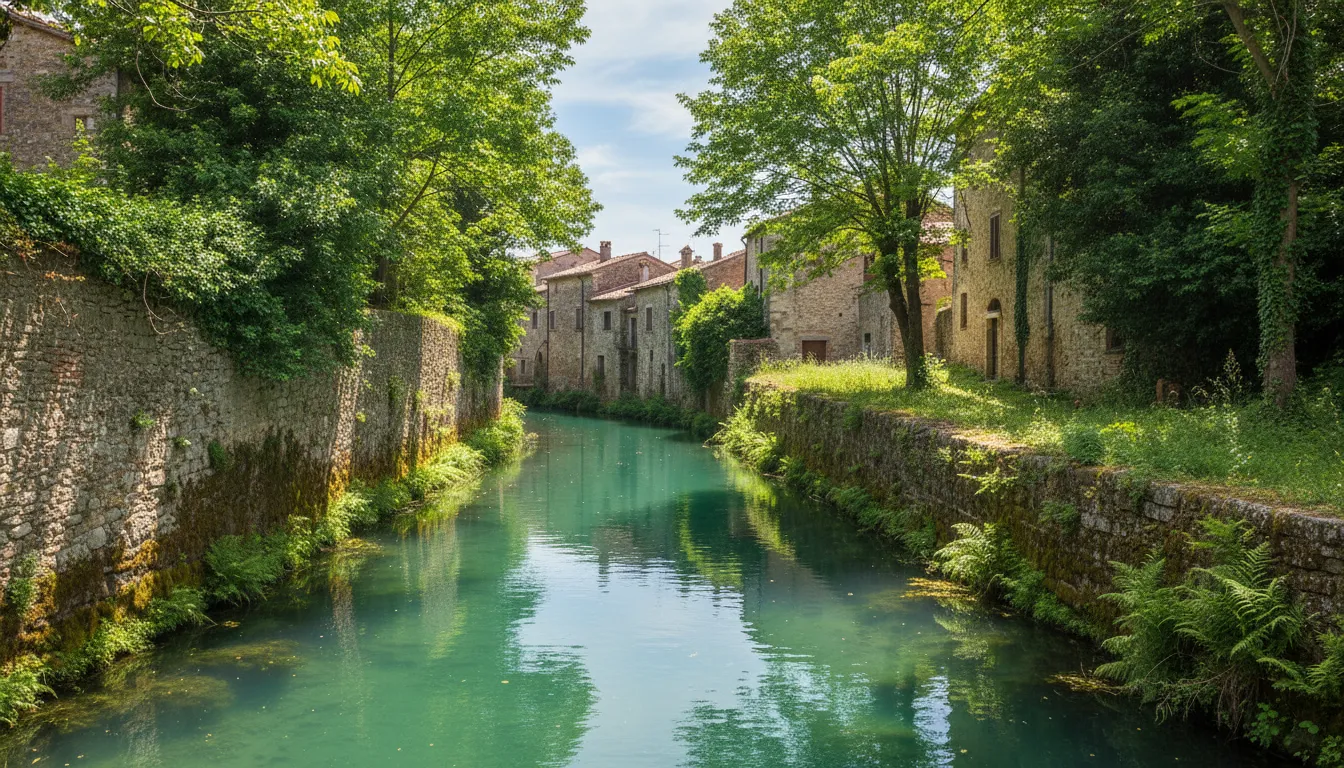
Stifone Waterways is more than just a destination; it’s an experience that carves itself into your memory. It’s the whisper of ancient history carried on the current, the vibrant splash of turquoise against ancient stone, and the profound peace of a place untouched by the rush of modern life. If you’re a traveler who seeks beauty, history, and tranquility in equal measure, then Stifone, Umbria, awaits your discovery. It’s a reminder that some of the world’s most incredible wonders are often found far off the well-trodden path, waiting patiently to be cherished.
Essential Travel Information
- Location Stifone Waterways, Italy
- Best Time April-May (Spring) and September-October (Early Autumn)
- Getting There Best reached by car; approximately 1.5-2 hours drive from Rome. Nearest towns for services are Narni and Terni.
- Airport Perugia San Francesco d'Assisi Airport (PEG) or Rome Fiumicino Airport (FCO)
- Budget Mid-range, approximate daily cost €80-€150 (excluding accommodation, including activities/food)
- Language Italian
Find Places to Stay Near Stifone Waterways
Compare hotels, hostels, and unique stays in Italy.
Search AccommodationTours & Experiences Near Stifone Waterways
Book guided tours, day trips, and unique experiences.
Browse Tours