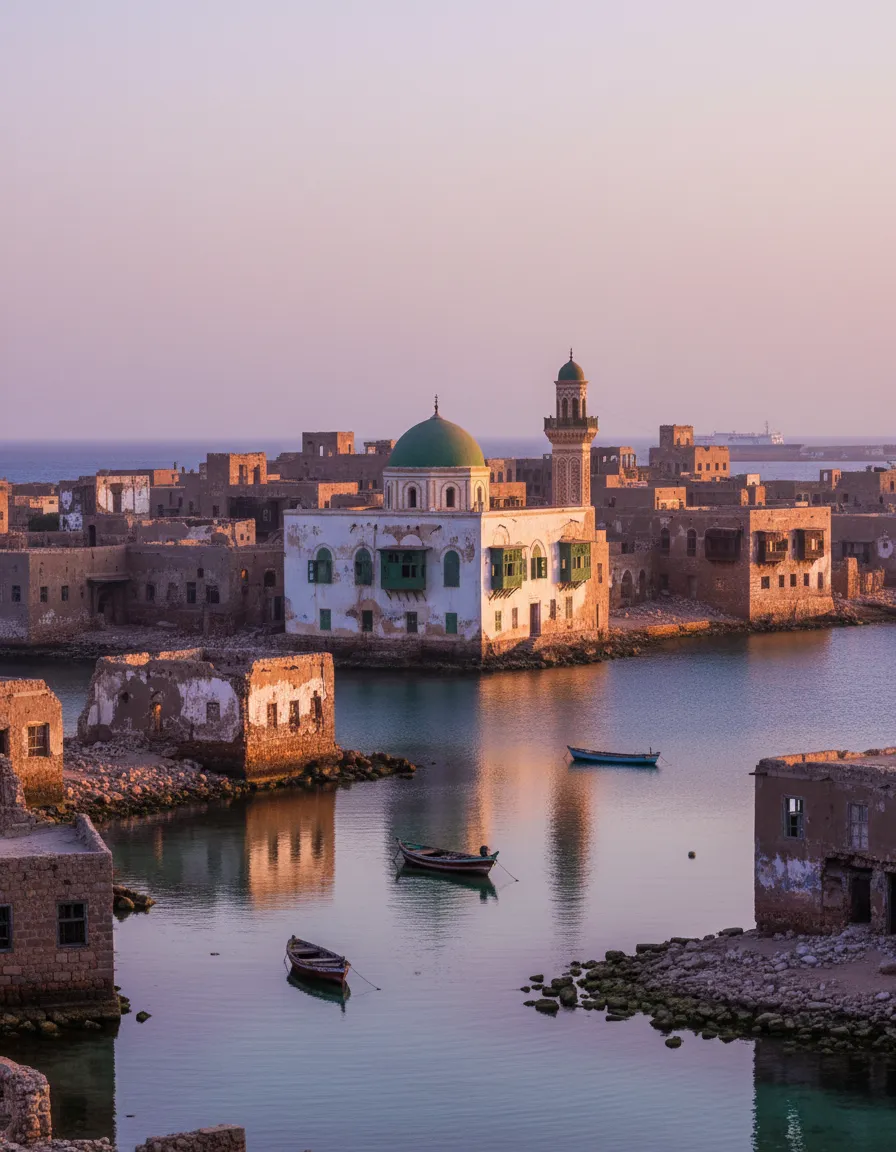
Imagine a place where time itself has turned to dust, where magnificent structures, once symbols of immense wealth and power, now stand as skeletal remains, slowly surrendering to the very sea from which they were born. This isn't a scene from a forgotten movie set; it's Suakin, Sudan – a ghostly coral city on the Red Sea, beckoning the most intrepid of travelers to uncover its secrets. Prepare to walk through history, where every crumbling archway and collapsing wall whispers tales of a vibrant past, now exquisitely preserved in its state of graceful decay.
What Makes Suakin Truly Special?
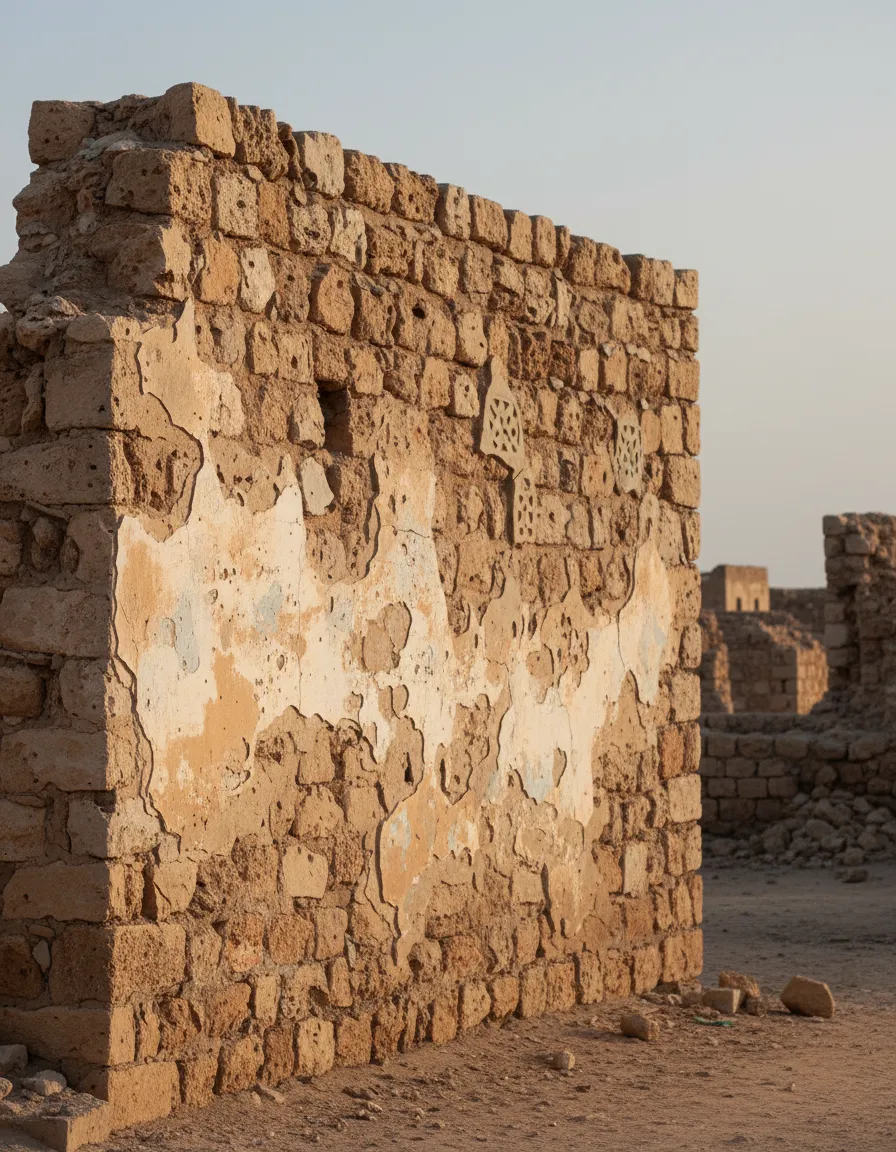
Suakin isn't just another historical ruin; it's an architectural marvel and a poignant testament to impermanence. What sets it apart immediately is its very fabric: the entire city, from its grandest mosques to its humblest homes, was constructed from blocks of fossilized coral. This unique building material lends the city an ethereal quality, a shimmering, porous surface that seems to breathe with the sea. As you wander, you'll witness this coral slowly eroding, dissolving back into the Red Sea, creating a powerful, almost melancholic, cycle of creation and destruction.
This isn't a site heavily developed for tourism. Suakin remains largely untouched, a genuine "ghost city" where the only sounds you're likely to hear are the wind whistling through empty windows and the gentle lapping of waves against crumbling foundations. It offers an unparalleled opportunity for true exploration, a chance to step back centuries and feel the weight of a forgotten world. The atmosphere is thick with history, a palpable sense of lives lived, fortunes made, and a bustling port that once connected continents. It’s a place that forces introspection, making you ponder the fleeting nature of human endeavor against the relentless march of time and the elements.
A Journey Through Suakin's Storied Past
To truly appreciate Suakin, one must understand its extraordinary history. For centuries, this island city was a beating heart of trade and pilgrimage, strategically positioned on the crucial maritime routes of the Red Sea. From the medieval period onwards, Suakin flourished as a vital port, connecting Africa's interior with the Arabian Peninsula, India, and beyond. Spices, gold, slaves, and precious goods flowed through its customs houses, enriching its merchants and funding the construction of its elaborate, multi-story coral buildings.
Its golden age dawned under the Ottoman Empire, which recognized Suakin's immense strategic importance. It became the principal port for pilgrims embarking on the Hajj to Mecca from across Africa, earning it the moniker "the gateway to the Holy Land." The Ottomans invested heavily, fortifying the city and embellishing it with grand structures that reflected its status as a pivotal imperial outpost. Imagine the vibrant scene: dhows filling the harbor, markets overflowing with exotic goods, and thousands of pilgrims passing through its gates, all under the watchful gaze of Ottoman officials.
However, progress, as it often does, brought change. The opening of the Suez Canal in 1869, followed by the establishment of the modern deep-water port of Port Sudan just north of Suakin in the early 20th century, spelled the beginning of the end. Suakin's shallow harbor could not accommodate larger steamships, and its strategic importance waned. By the 1920s, the city was largely abandoned, its inhabitants moving to the newer, more accessible Port Sudan. This sudden exodus, rather than a violent destruction, is precisely why Suakin remains so captivating today – it wasn't destroyed; it was simply left behind, a perfectly preserved time capsule slowly dissolving back into the sea.
What Awaits You in Suakin's Whispering Ruins
Stepping onto Suakin island is like crossing a threshold into another dimension. The modern causeway that connects the mainland to the island is your gateway to a world frozen in time. As you begin your exploration, the sheer scale of the ruins will astound you. The city plan, still discernible, reveals a sophisticated urban layout. You'll wander through narrow alleyways, where the shade offers a brief respite from the Red Sea sun, and discover remnants of once-grand residences, their intricately carved wooden balconies long gone, but the ghost of their elegance still clinging to the coral walls.
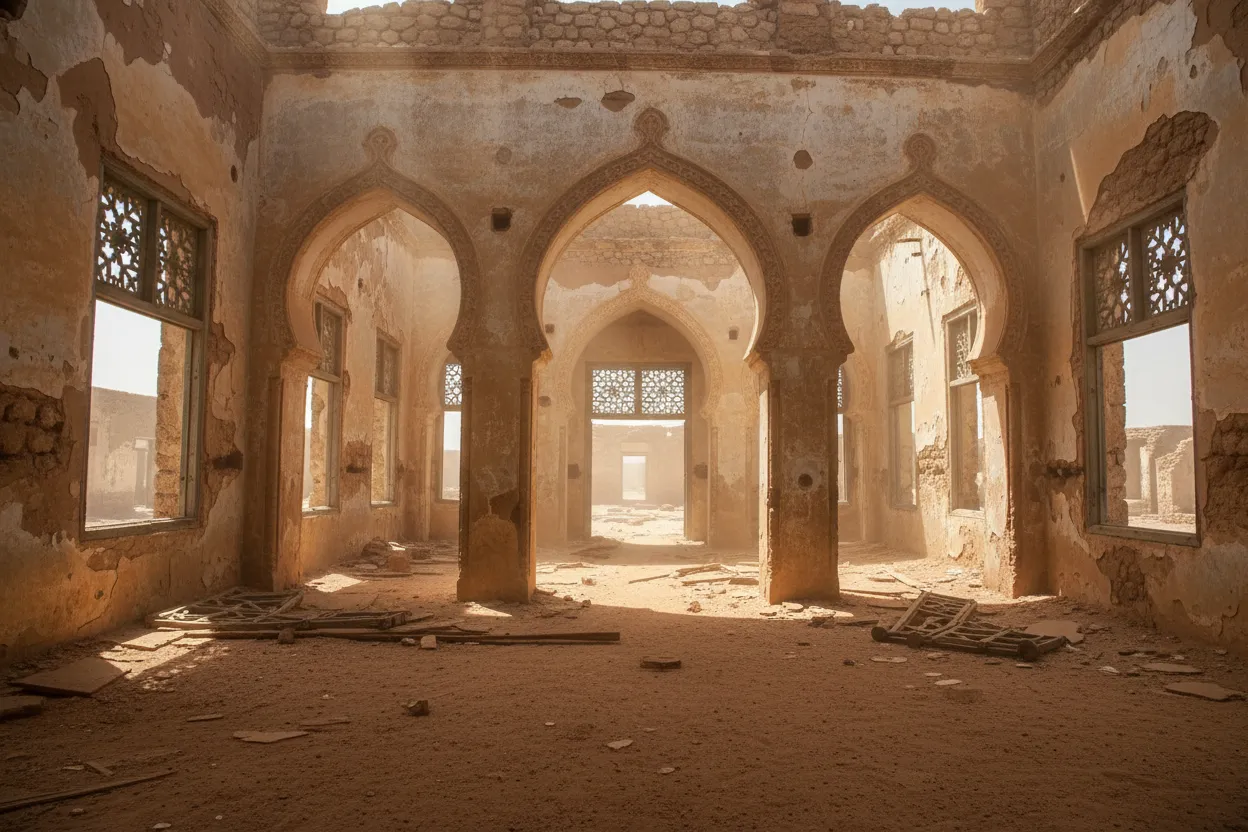
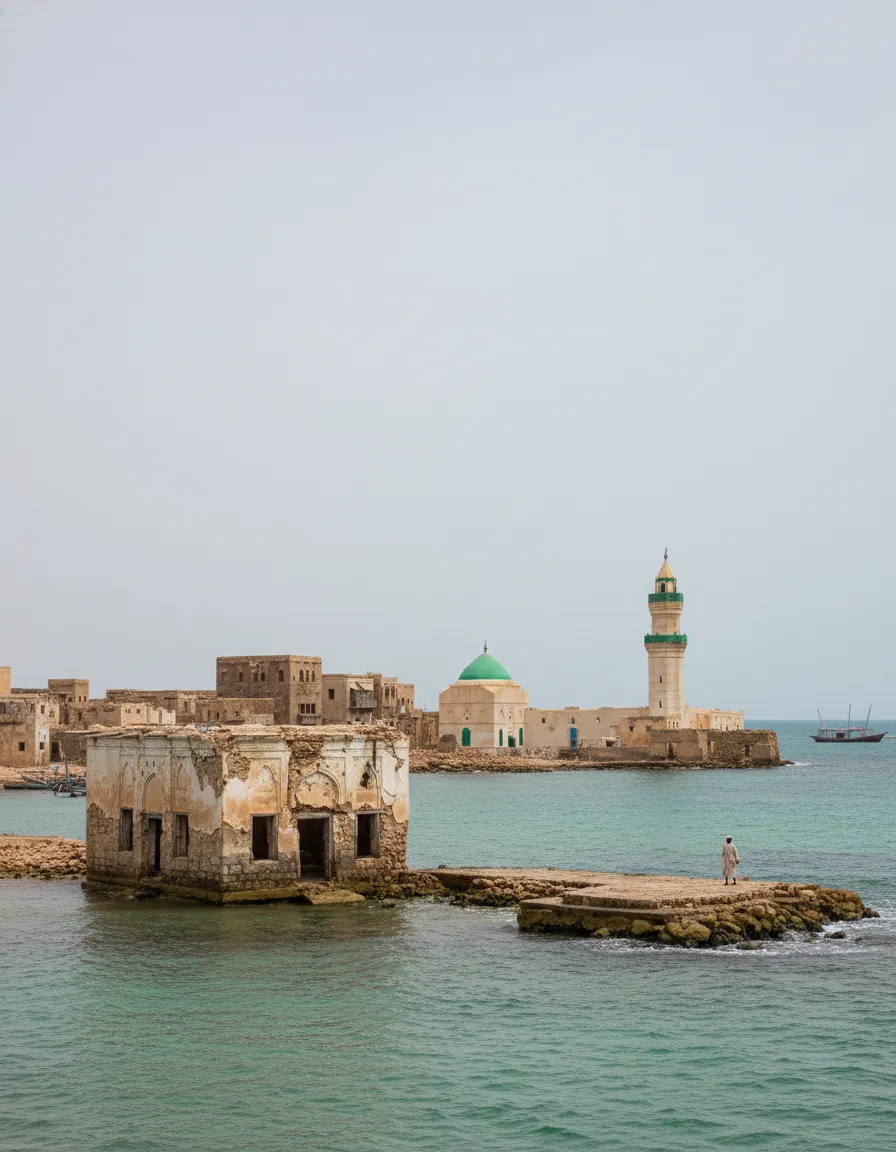
The most striking structures are undoubtedly the remains of the mosques, their minarets still reaching towards the sky, though often broken and weathered. Imagine the call to prayer echoing across the bustling harbor centuries ago. The old Customs House, a formidable building designed to manage the flow of goods, stands as a testament to the city's economic might. You'll find yourself peering into empty courtyards, imagining families gathered, merchants haggling, and scholars studying. The sea itself is an ever-present companion, framing the ruins with its brilliant blue, and at high tide, sometimes even reclaiming parts of the lowest foundations.
Every corner turned, every crumbling archway passed, presents a new vista, a new story. The silence is profound, broken only by the wind and the sea, allowing your imagination to fill the void. It's an experience that engages all your senses – the texture of the coral beneath your fingertips, the scent of salt and ancient dust, the vastness of the Red Sea stretching to the horizon. It’s a photographer’s dream and a historian’s delight, offering endless opportunities for reflection and discovery.
Practical Tips for Your Suakin Adventure
Embarking on a journey to Suakin is an adventure into the less-trodden paths of travel, and a little preparation goes a long way to ensure a truly unforgettable experience.
Getting There: Your gateway to Suakin will typically be Port Sudan. You can fly into Port Sudan New International Airport (PZU), and from there, Suakin is a relatively short drive south, roughly 60 kilometers. Local transport or pre-arranged vehicles are available.
When to Visit: The Red Sea region of Sudan can be intensely hot. The best time to visit Suakin is during the cooler months, generally from October to April. This period offers more comfortable temperatures for exploring the ruins.
Accommodation: While Suakin itself has very limited and basic accommodation options, Port Sudan offers a wider range of hotels to suit different budgets. Staying in Port Sudan and making a day trip to Suakin is a common and practical approach.
Local Guidance: Given the historical significance and the nature of the site, hiring a local guide is highly recommended. Not only will they provide invaluable historical context and help you navigate the sprawling ruins, but they can also assist with any necessary local formalities or permissions, ensuring a smoother visit.
What to Bring: Be prepared for an outdoor exploration. Wear sturdy, comfortable walking shoes, as the terrain can be uneven. Sun protection is crucial: a wide-brimmed hat, sunglasses, and high-SPF sunscreen are essential. Carry plenty of water and some snacks, as facilities on the island are minimal. A good camera is a must – the photographic opportunities are truly spectacular!
Cultural Sensitivity: Sudan is a conservative country. Dress modestly, especially women, covering shoulders and knees. Always ask for permission before taking photos of people. A respectful demeanor goes a long way in enhancing your travel experience.
Suakin is more than just a destination; it's an experience, a journey into the soul of a forgotten empire, a place where the past isn't just remembered, but felt. It's a testament to human ingenuity and the relentless power of nature, waiting for you to discover its silent, coral-clad wonders.
Essential Travel Information
- Location Suakin, Sudan
- Best Time October to April (cooler months)
- Getting There Fly to Port Sudan (PZU), then a 60km drive south to Suakin.
- Airport Port Sudan New International Airport (PZU)
- Budget Mid-range (approx. $70-150/day excluding international flights, depending on accommodation/guide choices in Port Sudan)
- Language Arabic (English speakers are rare outside major hotels in Port Sudan)
Find Places to Stay Near Suakin
Compare hotels, hostels, and unique stays in Sudan.
Search Accommodation