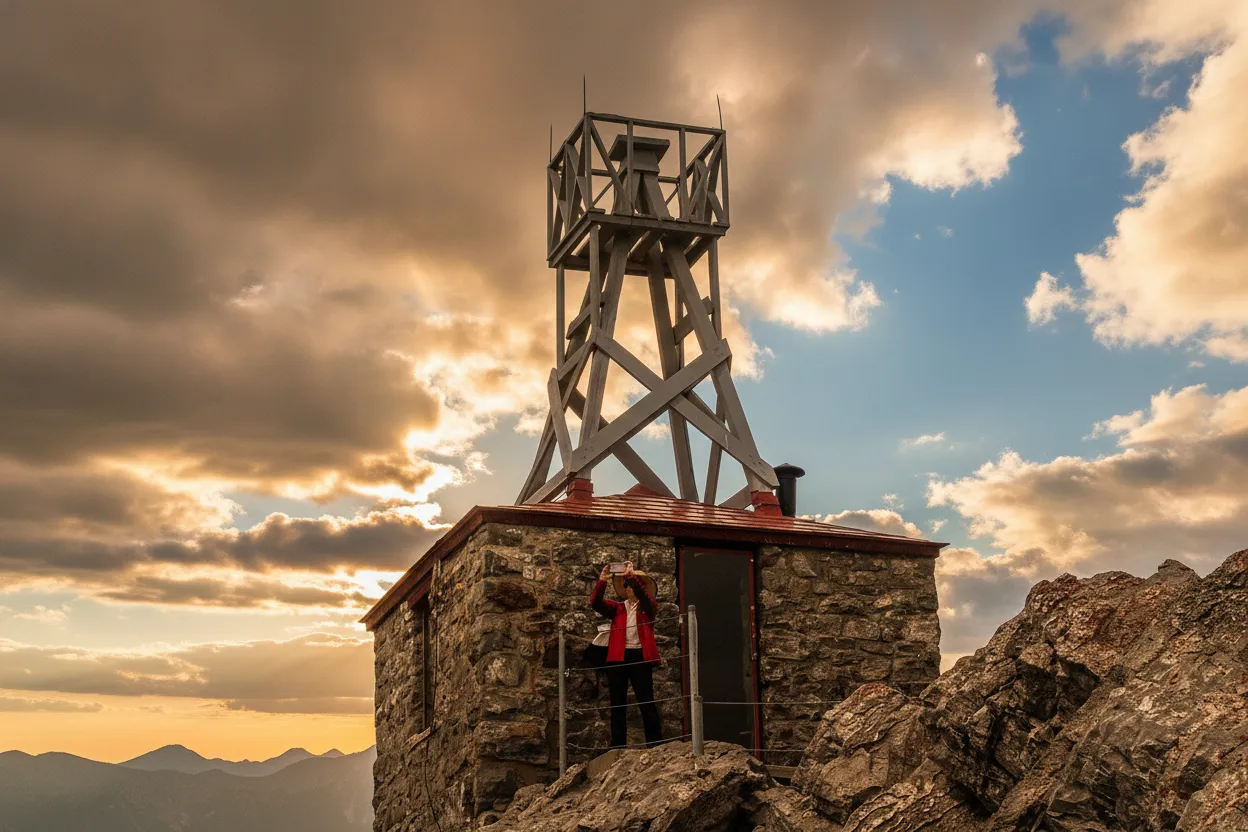
Imagine ascending to a majestic mountain peak, the crisp alpine air filling your lungs, as panoramic vistas of the Canadian Rockies unfold before you. But this isn't just any summit experience. Tucked away on Sulphur Mountain, high above the bustling town of Banff, lies a secret: an abandoned 1950s scientific station. Once a crucial outpost for cosmic ray research, this extraordinary site stands eerily preserved, a silent sentinel against a backdrop of breathtaking beauty. It's a place where history, science, and nature converge in a way you simply won't find anywhere else – an immersive journey back in time to an era of pioneering discovery and remarkable human dedication.
What Makes the Sulphur Mountain Cosmic Ray Station So Special?
The Sulphur Mountain Cosmic Ray Station is a true hidden gem, even within the incredibly popular Banff National Park. What sets it apart isn't just its stunning location, but its unique blend of historical significance and untouched preservation. This isn't a museum exhibit; it's a time capsule. As you approach the humble buildings, you're stepping into a world where scientists once lived and worked in extreme isolation, driven by the mysteries of the universe. The very fact that it exists, largely as it was left decades ago, is astonishing.
Picture this: a self-sufficient research outpost, powered entirely by a complex system of solar panels and wind generators – a groundbreaking feat for the mid-20th century. In an age before widespread internet or satellite communication, these dedicated researchers were pushing the boundaries of human knowledge, studying invisible particles showering down from space. The station offers a tangible connection to the Cold War era, a period when scientific advancement was propelled by both curiosity and geopolitical urgency. It’s a powerful reminder of the ingenuity and resilience required to conduct high-altitude research in a remote, challenging environment. This fusion of scientific history with the raw, untamed beauty of the Rockies creates an experience that is both profoundly reflective and utterly awe-inspiring.
A Glimpse into the Past: History and Purpose
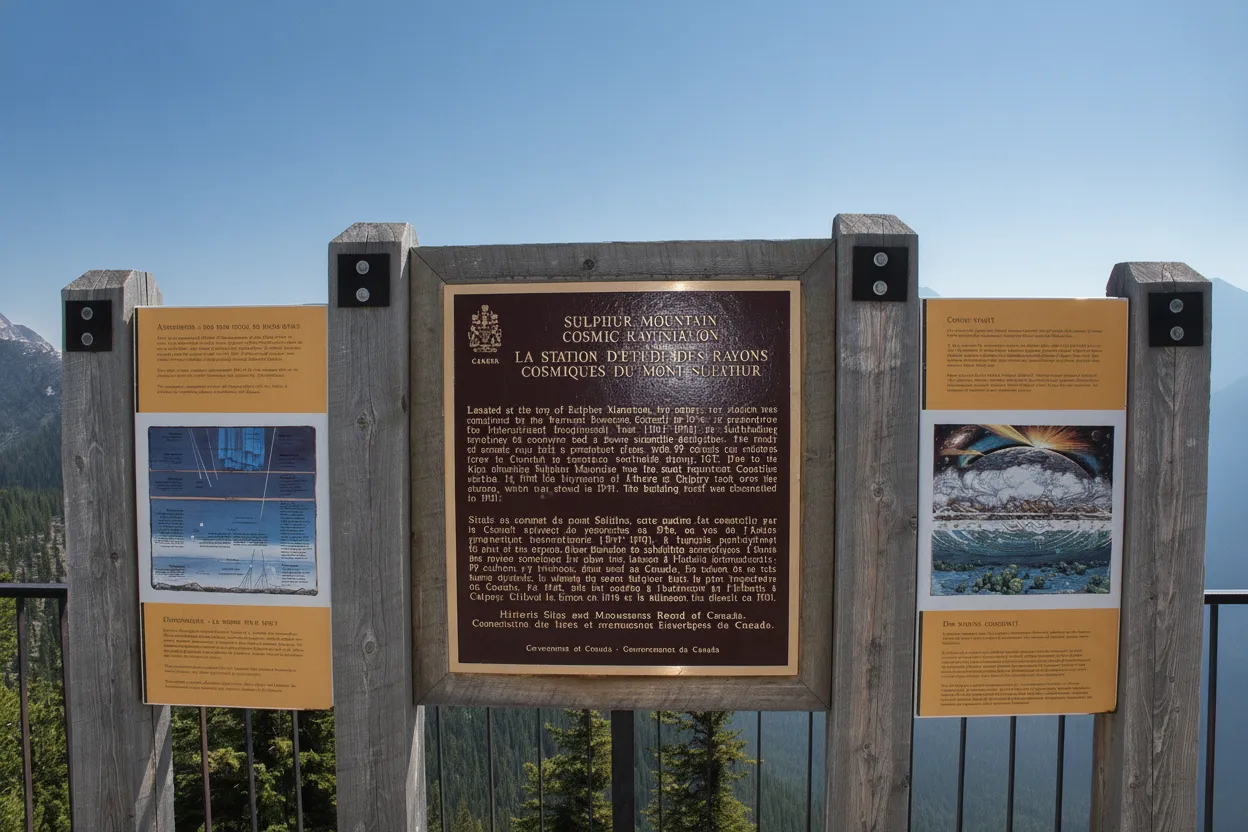
The story of the Sulphur Mountain Cosmic Ray Station begins in the early 1950s, a fascinating period in scientific history. As the world emerged from post-war reconstruction, a new frontier of physics was opening up: the study of cosmic rays. These high-energy particles, originating from outside Earth's solar system, held clues to the fundamental nature of matter and the universe itself. To accurately measure and understand them, scientists needed high-altitude locations, far from the interference of Earth's atmosphere.
Banff's Sulphur Mountain, with its accessible peak and relatively high elevation, was deemed an ideal spot. The station was constructed in 1956, just in time for the International Geophysical Year (IGY) of 1957-58, a global scientific collaboration that marked a pivotal moment in Earth and space sciences. For several years, a small team of scientists and technicians braved the harsh mountain conditions, living in spartan quarters and meticulously collecting data. Their days were a rhythmic cycle of instrument checks, data recording, and maintenance, all while enduring the isolation and extreme weather that define life at 2,281 meters (7,486 feet) above sea level.
The station’s innovative power system, relying on solar and wind energy, was a testament to the resourcefulness of the era. Imagine the ingenuity required to keep sensitive scientific equipment running in freezing temperatures, far from any conventional power grid. However, as technology advanced and cosmic ray research shifted to satellite-based observations, the need for ground-based, high-altitude stations diminished. By the early 1960s, the Sulphur Mountain Cosmic Ray Station was decommissioned, its purpose fulfilled, its doors closed, leaving behind a silent monument to a bygone era of scientific exploration.
What Awaits You at the Summit?
Your journey to the Sulphur Mountain Cosmic Ray Station is an adventure in itself. Most visitors opt for the scenic Banff Gondola ride, which whisks you to the summit complex in just eight minutes, offering ever-expanding views of the Bow Valley. Alternatively, for the more adventurous, a challenging but rewarding hike up the Sulphur Mountain Trail will earn you those same incredible vistas. Once at the main gondola complex, don't stop there! The cosmic ray station is a short, well-marked walk (about 1.5 km or 1 mile) along the boardwalk that extends beyond the main viewing platforms, past the Sky Bistro, and towards Sanson Peak.
As you approach, the weathered wooden structures emerge from the landscape, looking almost as if the scientists simply stepped out for a moment and might return at any time. The main building, a modest yet sturdy structure, houses the core of the research facility. Peer through the windows (access inside is usually restricted to protect the artifacts, but viewing is excellent), and you'll see original scientific equipment, control panels, and even some furniture, all remarkably preserved. It’s like stepping into a perfectly frozen diorama of 1950s science. You can almost feel the quiet hum of the instruments, the concentration of the researchers, and the vastness of the cosmic mysteries they sought to unravel.
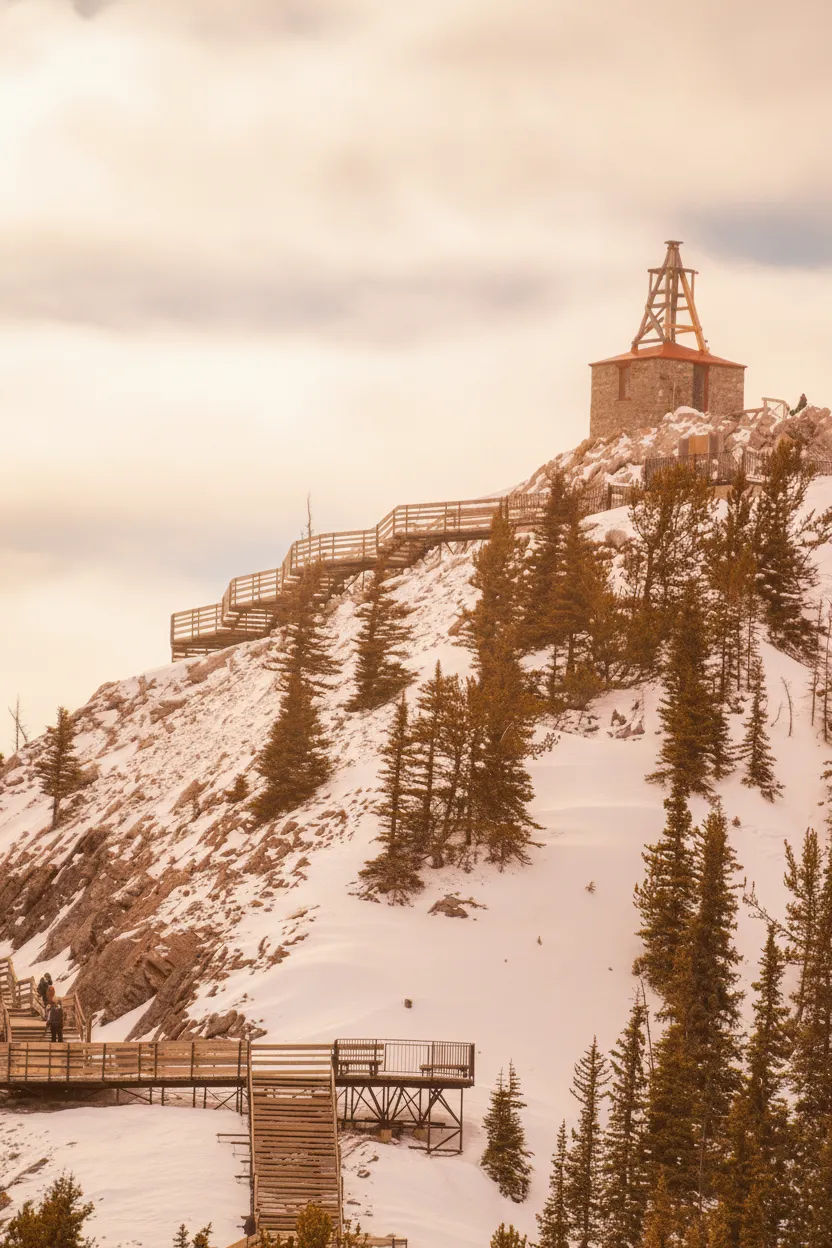
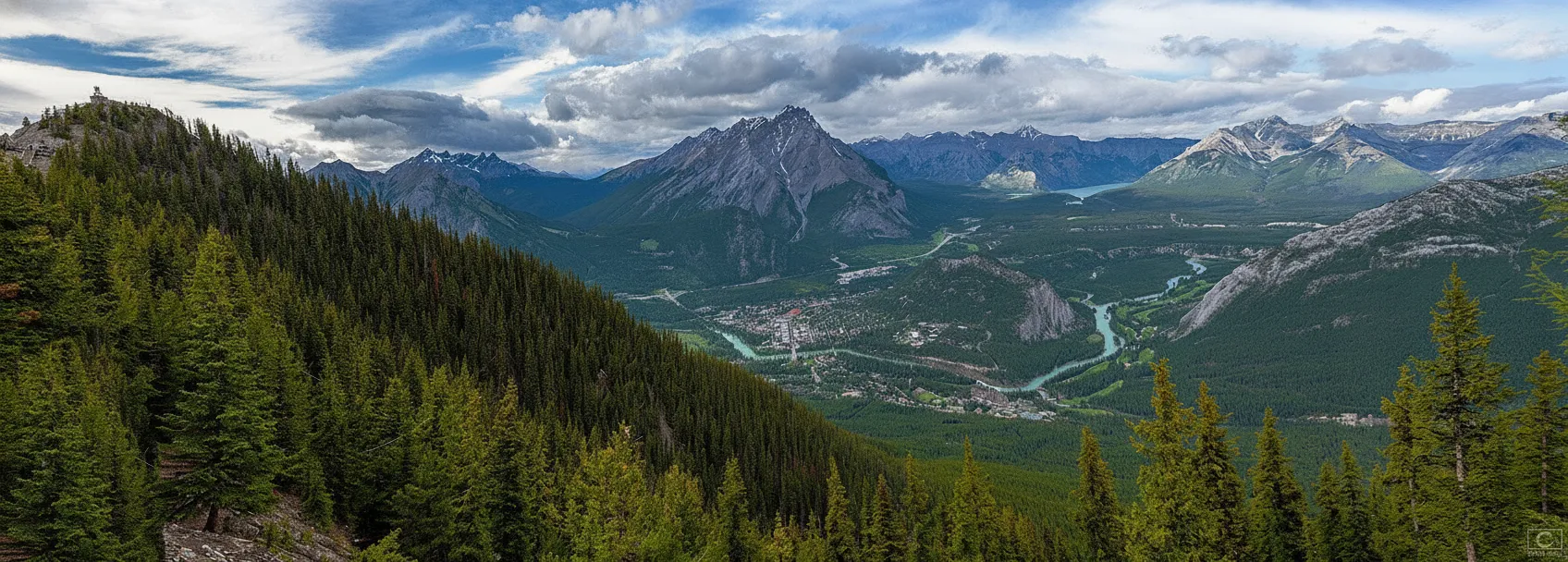
Beyond the scientific instruments, you'll also catch glimpses of the living quarters – a stark reminder of the isolation and dedication required. Imagine the solitude, the breathtaking sunrises and sunsets, the fierce mountain storms, and the deep satisfaction of contributing to humanity's understanding of the cosmos. Interpretive plaques offer fascinating details about the station's history and the science conducted there, enriching your understanding and appreciation. And, of course, the views from Sanson Peak are simply unparalleled. From this vantage point, you can gaze across six mountain ranges and the winding Bow Valley, a truly panoramic spectacle that complements the historical intrigue of the station.
Planning Your Expedition: Practical Tips
Ready to embark on your own expedition to this remarkable site? Here are a few tips to ensure a smooth and memorable visit:
Getting There: The most popular way is via the Banff Gondola, which operates year-round (check seasonal hours). For a more strenuous adventure, hike the Sulphur Mountain Trail (approx. 5.5 km one-way, 700m elevation gain) which starts near the Banff Upper Hot Springs. Allow 2-3 hours for the hike up, and consider taking the gondola down if you're tired.
Best Time to Visit: While the gondola operates year-round, the best time to visit for comfortable exploration of the station and surrounding boardwalk is from late spring (June) through early fall (October). During winter, the boardwalk can be icy, and snow can obscure some views, though the winter mountain scenery is spectacular in its own right. Mornings are generally less crowded, offering a more serene experience.
What to Bring: Even in summer, mountain weather can change rapidly. Dress in layers, including a warm jacket and hat. Comfortable walking shoes are essential for the boardwalk. Bring water, snacks, sunscreen, sunglasses, and of course, your camera! Binoculars are also a great idea for spotting wildlife and appreciating the distant peaks.
National Park Pass: Remember that the Sulphur Mountain Cosmic Ray Station is located within Banff National Park, so a valid Parks Canada Pass is required for all visitors.
Respect the Site: The station is a protected historical site. Please do not attempt to enter the buildings, touch any equipment, or remove any artifacts. Leave no trace, and help preserve this unique piece of history for future generations. Stick to the designated boardwalks and paths.
A visit to the Sulphur Mountain Cosmic Ray Station is more than just sightseeing; it's an immersive journey into a forgotten chapter of scientific history, set against one of the most magnificent natural backdrops on Earth. It’s a chance to connect with the pioneering spirit of those who dared to dream big, even in the most isolated corners of the world. So, next time you find yourself in Banff, venture beyond the usual, and discover this hidden marvel – a place where the echoes of cosmic discovery still resonate among the peaks.
Essential Travel Information
- Location Sulphur Mountain Cosmic Ray Station, Canada
- Best Time June to October (late spring to early fall)
- Getting There Take the Banff Gondola to the summit of Sulphur Mountain, then a 1.5km (1 mile) walk along the boardwalk to Sanson Peak. Alternatively, hike the Sulphur Mountain Trail (5.5km one-way) to the summit.
- Airport Calgary International Airport (YYC)
- Budget Mid-range (approx. CAD $150-250 per day, including accommodation, food, and activities like gondola/park pass)
- Language English, French
Find Places to Stay Near Sulphur Mountain Cosmic Ray Station
Compare hotels, hostels, and unique stays in Canada.
Search AccommodationTours & Experiences Near Sulphur Mountain Cosmic Ray Station
Book guided tours, day trips, and unique experiences.
Browse Tours