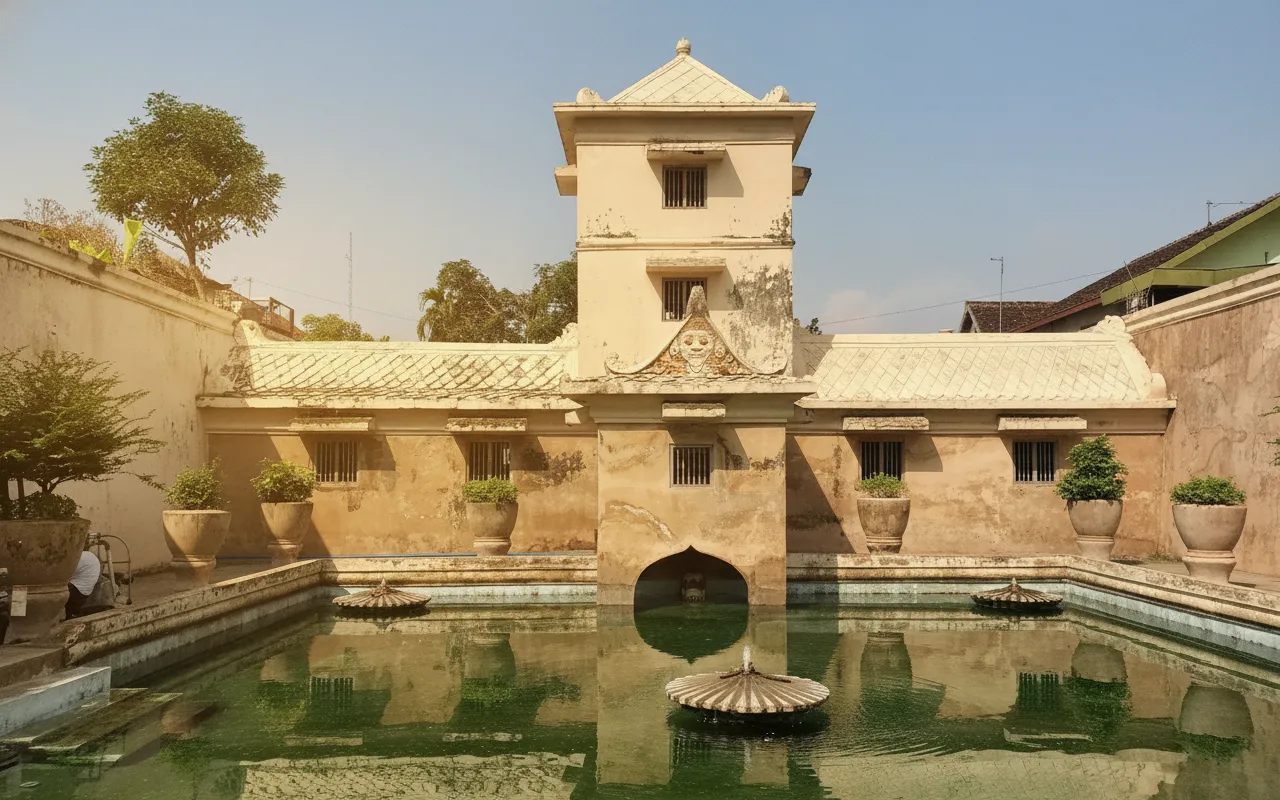
Imagine stumbling upon a forgotten royal playground, where intricate bathing pools, hidden tunnels, and an underground mosque once served the sultans of Java. This isn't a scene from a fantasy novel, but a tangible reality awaiting you in the heart of Indonesia. Tucked away in the vibrant city of Yogyakarta lies Taman Sari, often referred to as the Water Castle – an 18th-century architectural marvel that whispers tales of opulence, intrigue, and spiritual devotion. It’s a place that transcends time, inviting you to step into a world where sultans sought pleasure, solace, and divine connection amidst stunning design. If you're seeking a travel experience that combines history, mystery, and breathtaking beauty, prepare to be utterly captivated by this extraordinary hidden gem.
Taman Sari: Yogyakarta's Hidden Royal Oasis
Taman Sari is far more than just a historical site; it's an immersive journey into the lavish lifestyle and ingenious architecture of the Sultanate of Yogyakarta. Built between 1758 and 1765 by Sultan Hamengkubuwono I, this sprawling complex was designed as a luxurious pleasure park, a private sanctuary for the Sultan and his royal family. What makes it truly special is its unique blend of Javanese and European architectural styles, infused with a deep sense of privacy and symbolism. Picture exquisite bathing pools for royal wives and concubines, elevated towers offering panoramic views for the Sultan, and secret passages designed for discreet movement and perhaps, a touch of romance. It's a place where every archway, every pool, and every hidden corner tells a story of a bygone era, yet remains remarkably vibrant and accessible today.
Unlike many grand palaces that stand as imposing fortresses, Taman Sari feels like a living, breathing testament to royal leisure. Its sophisticated water features, once fed by an intricate system, created a cooling and serene environment, perfect for escaping the tropical heat. The complex served multiple purposes: a recreational area, a meditation retreat, a defense facility, and even a secret escape route. The sheer ingenuity of its design, from its aesthetic appeal to its functional complexity, is what truly sets Taman Sari apart as a must-visit destination in Southeast Asia.
A Glimpse into Royal Grandeur: The History of Taman Sari
The story of Taman Sari begins with Sultan Hamengkubuwono I, the founder of the Yogyakarta Sultanate, who commissioned its construction shortly after the establishment of his kingdom. Following the Giyanti Treaty in 1755, which divided the Mataram Kingdom into the Sultanate of Yogyakarta and the Sunanate of Surakarta, Sultan Hamengkubuwono I set about building a capital that reflected the glory and power of his new reign. Taman Sari was an integral part of this vision, designed not only for pleasure but also as a symbol of his authority and connection to the divine.
The name "Taman Sari" itself translates to "beautiful garden" or "flower garden," perfectly encapsulating its original intent. European architects, likely Dutch, were involved in its design, lending it a unique fusion of traditional Javanese aesthetics with Portuguese and Dutch influences. This cultural cross-pollination is evident in its arches, columns, and the overall layout. For decades, it thrived as a hub of royal life, hosting lavish ceremonies, private meditations, and intimate gatherings.
However, the glory of Taman Sari was not to last forever. The complex suffered significant damage during the Java War (1825-1830) and was further devastated by an earthquake in 1867. For many years, parts of it lay in ruins, gradually being encroached upon by local settlements. Fortunately, in the latter half of the 20th century, efforts began to restore and preserve this invaluable heritage site. Today, while not all parts of the original complex are fully restored, the accessible areas offer a profound insight into its former splendor, maintained by the local community and the Sultanate itself.
Unveiling the Secrets: What You'll Discover at Taman Sari
Stepping into Taman Sari is like entering a labyrinth of wonder. Your journey will likely begin at the main entrance, leading you into the heart of the complex, where the most iconic features await. The design encourages exploration, and you'll find yourself constantly discovering new nooks and crannies.
The Royal Bathing Pools (Umbul Binangun)
The most visually striking section is undoubtedly the bathing complex. Here, you'll find three distinct pools: one for the Sultan, one for his wives, and a larger one for his concubines. The central tower, known as the "Gedhong Gapura Hageng," stands majestically between the pools, serving as the Sultan's private viewing platform. From here, he would watch his concubines bathe before selecting one to join him. The intricate carvings, the vibrant blue water (when filled), and the surrounding architecture evoke a strong sense of royal privacy and indulgence.
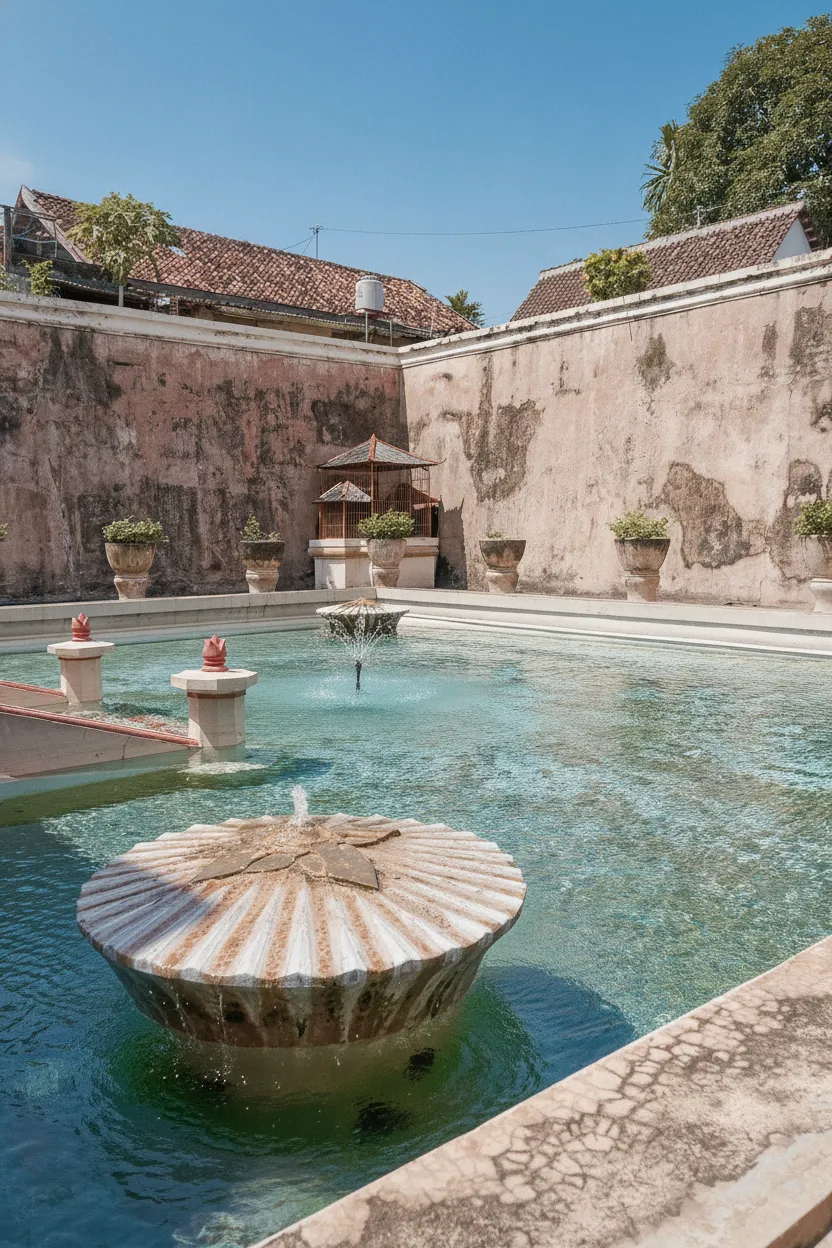
The atmosphere here is almost palpable with history, allowing you to imagine the scenes that unfolded centuries ago. The symmetry and detail in the design are truly remarkable, showcasing the artistic prowess of the era.
The Pulo Cemeti Island and Pasarean Ledok Sari
Beyond the bathing pools, you might explore the remnants of Pulo Cemeti, an artificial island that once housed a secluded meditation chamber. This area, accessed via underground tunnels, was designed for the Sultan's personal reflection and perhaps as a secret escape route. Nearby, the Pasarean Ledok Sari served as the Sultan's resting and meditation chambers, a place of quiet contemplation away from the bustle of the palace.
The Sumur Gumuling (Underground Mosque)
Prepare for the most astonishing discovery: the Sumur Gumuling, or "Rolling Well" mosque. This subterranean marvel is a true architectural gem. To reach it, you'll navigate through a series of dark, winding corridors that feel like a secret passage from an adventure movie. Emerging into the central prayer hall, you'll be struck by its circular design, with five staircases meeting in the middle, symbolizing the five pillars of Islam. The acoustics here are incredible, designed to amplify the imam's voice without modern technology. It’s an incredibly unique blend of spiritual devotion and ingenious design, making it an unforgettable part of your Taman Sari experience.
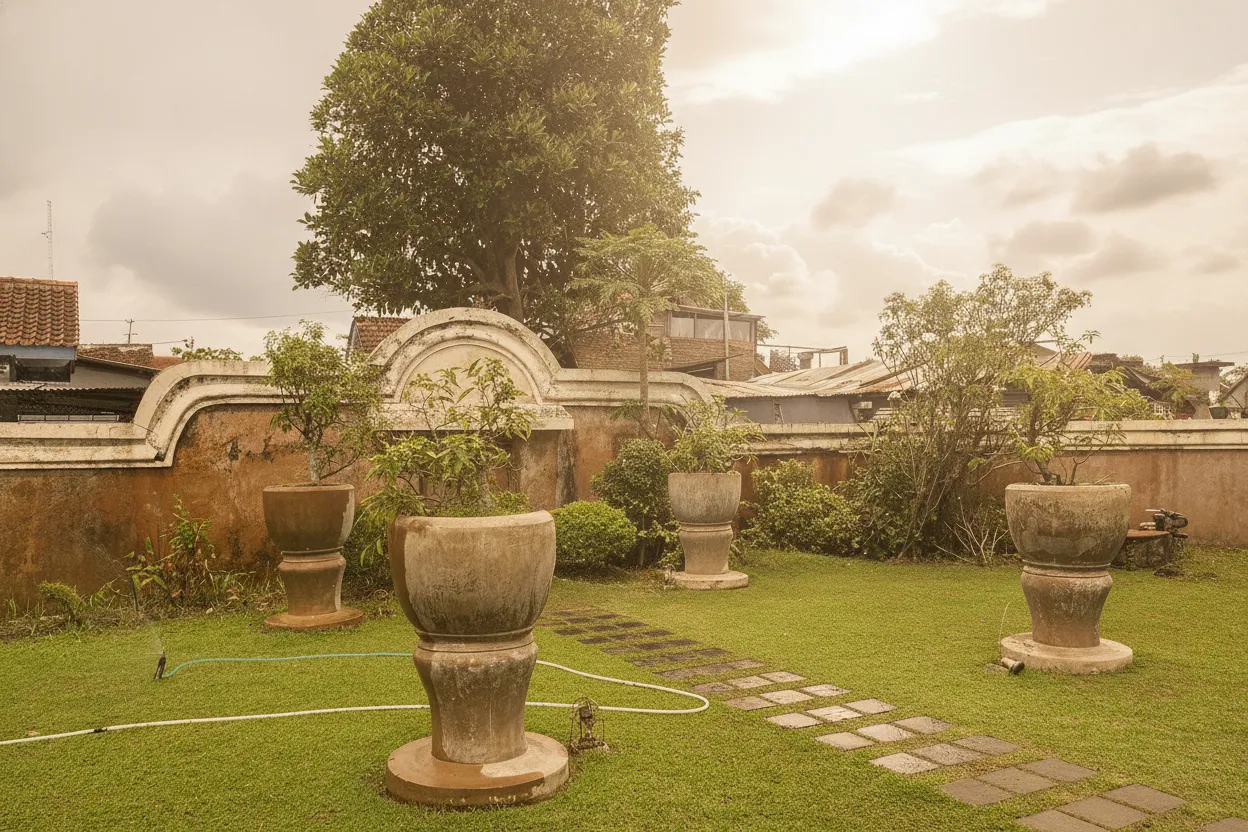
The journey to the mosque itself is an adventure, passing through dimly lit tunnels that open into this magnificent, serene space. It’s a testament to the comprehensive planning that went into every aspect of Taman Sari, ensuring both the physical and spiritual needs of the royal family were met in the most extraordinary ways.
Beyond the Main Structures
As you wander through the complex, you'll also encounter the remains of other structures, courtyards, and water channels that once formed a cohesive, vibrant ecosystem. Local residents have built their homes within and around parts of the original complex, creating a fascinating blend of ancient history and contemporary life. Don't be surprised if friendly locals offer to guide you, often sharing personal anecdotes and insights that enrich the experience even further.
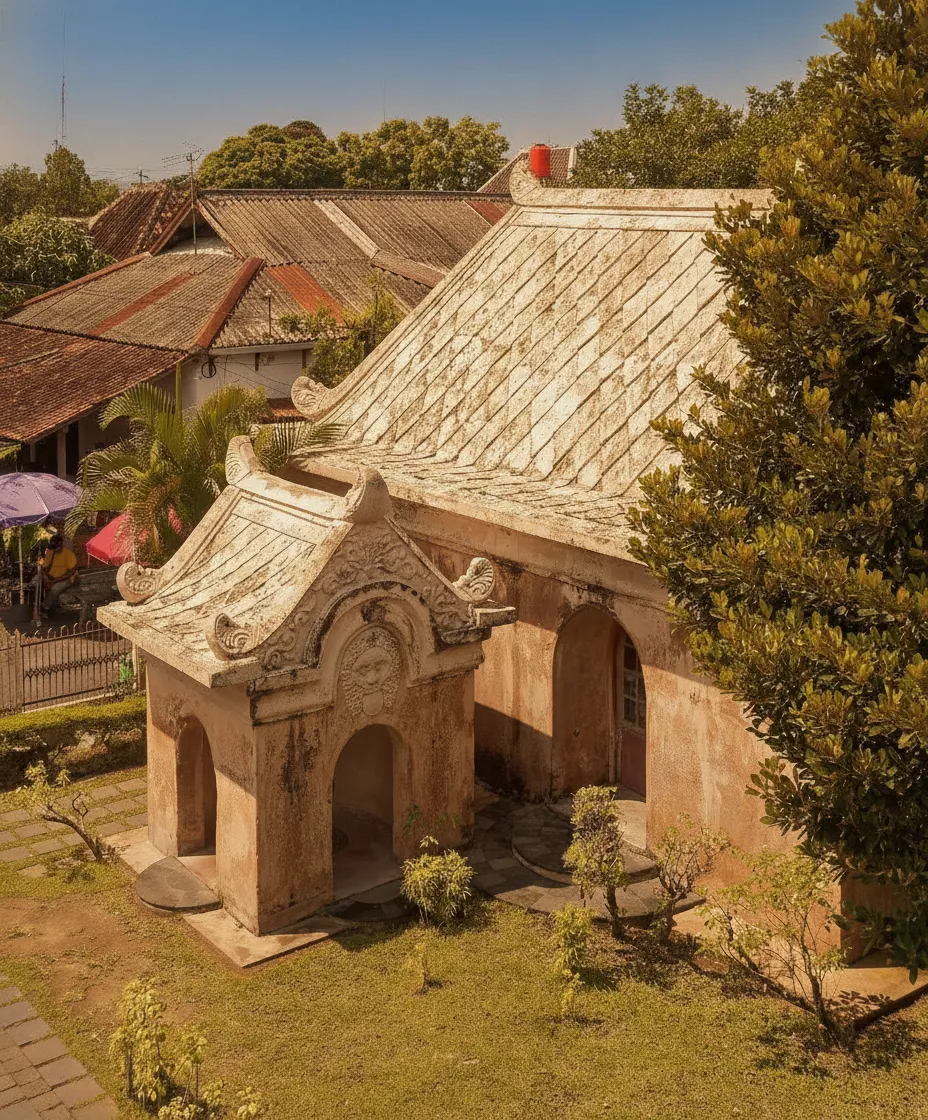
The entire complex is a photographer's dream, with endless opportunities to capture its intricate details, play of light and shadow, and the serene beauty that still pervades its ancient walls.
Planning Your Royal Expedition: Practical Tips for Visiting Taman Sari
To make the most of your visit to Taman Sari, here are a few practical tips from a well-traveled friend:
- Best Time to Visit: Aim for early morning (around 8-9 AM) or late afternoon (4-5 PM). This helps you avoid the midday heat and the largest crowds, allowing for a more peaceful exploration and better photo opportunities.
- Getting There: Taman Sari is conveniently located near the Kraton (Sultan's Palace) in central Yogyakarta. You can easily walk from the Kraton, take a local becak (pedicab) for a fun experience, or use ride-hailing apps like Grab.
- Entrance Fees: The entrance fee is typically very modest, usually around IDR 15,000 to IDR 20,000 for foreign visitors. Some areas might have additional small fees or require a local guide.
- Dress Code: While there isn't a strict dress code like at some religious sites, it's always respectful to dress modestly when visiting historical and cultural sites in Indonesia. Comfortable shoes are a must, as you'll be doing a fair bit of walking and navigating uneven surfaces.
- Local Guides: You'll often find local guides offering their services at the entrance. While not mandatory, hiring one can significantly enhance your visit, as they provide fascinating historical context, point out hidden details, and share local legends that you might otherwise miss. Negotiate the price beforehand.
- Combine with Kraton: Taman Sari is very close to the Kraton, the Sultan's active palace. Many visitors combine a trip to both sites in one morning or afternoon, as they offer complementary insights into Javanese royalty.
- Duration: Allocate at least 1.5 to 2 hours to fully explore Taman Sari, especially if you plan to hire a guide and take your time absorbing the atmosphere.
- Bring Water: It can get quite warm, so stay hydrated.
Taman Sari is more than just a destination; it's an experience that transports you back in time, allowing you to connect with the rich history and cultural tapestry of Indonesia. It’s a place that genuinely sparks wonder, a testament to human ingenuity and the enduring allure of forgotten grandeur. So, when you plan your adventure to Indonesia, make sure Yogyakarta's Water Castle is high on your list. You won't just visit a place; you'll uncover a secret, and carry its magic with you long after you've left its ancient walls.
Essential Travel Information
- Location Taman Sari (Water Castle), Indonesia
- Best Time Dry season (April to October), early mornings or late afternoons for cooler temperatures and fewer crowds.
- Getting There Located in central Yogyakarta, easily accessible by walking from the Kraton, becak, or ride-hailing apps like Grab.
- Airport Adisucipto International Airport (JOG)
- Budget Budget to Mid-range (approx. $20-50 USD per day including accommodation, food, and local transport)
- Language Indonesian (Bahasa Indonesia), Javanese. English widely spoken in tourist areas.
Find Places to Stay Near Taman Sari (Water Castle)
Compare hotels, hostels, and unique stays in Indonesia.
Search AccommodationTours & Experiences Near Taman Sari (Water Castle)
Book guided tours, day trips, and unique experiences.
Browse Tours