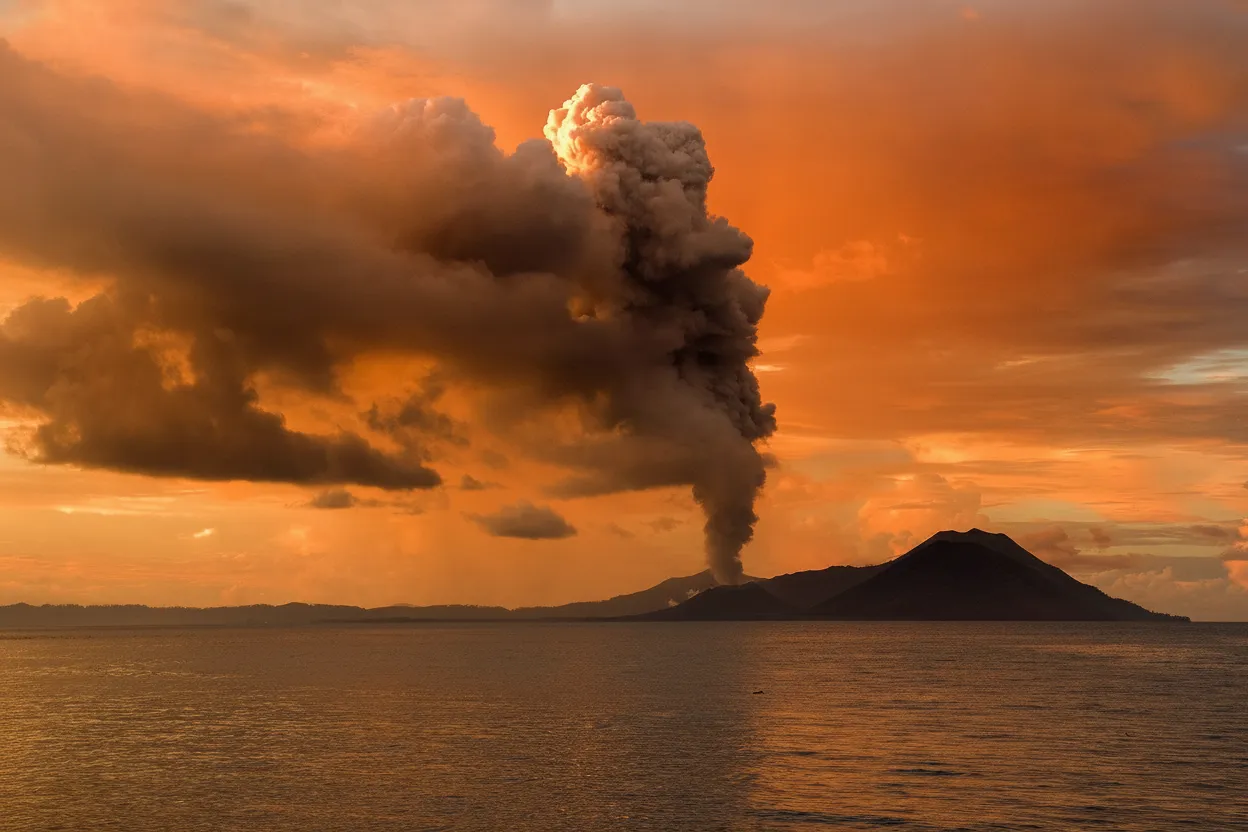
On September 19, 1994, as dawn broke over Papua New Guinea's East New Britain Province, the twin volcanoes of Tavurvur and Vulcan simultaneously erupted, blanketing the provincial capital of Rabaul in a thick layer of ash and forcing the evacuation of over 30,000 people. Today, Tavurvur continues its relentless activity, a column of steam perpetually rising from its crater, a constant, visceral reminder of the immense power that reshaped this tropical harbor town and forever etched itself into the lives of its inhabitants.
From the eastern side of Simpson Harbour, Tavurvur rises dramatically, an active stratovolcano that defines the very landscape and culture of Rabaul and its new administrative center, Kokopo. Unlike dormant peaks that offer serene vistas, Tavurvur offers a living, breathing geological spectacle. It's a place where the Earth truly feels alive, where the ground itself whispers of incredible forces just beneath the surface, and where the air often carries the distinct, pungent scent of sulfur.
What Makes Tavurvur So Special?
Tavurvur isn't merely a scenic backdrop; it's an integral, active participant in the daily rhythm of life in East New Britain. Its uniqueness stems from its extraordinary accessibility and constant state of flux. While many active volcanoes require arduous expeditions, Tavurvur can be observed, and even approached, relatively easily from Rabaul's harbor. What truly sets it apart, however, is the sheer scale of its visible activity.
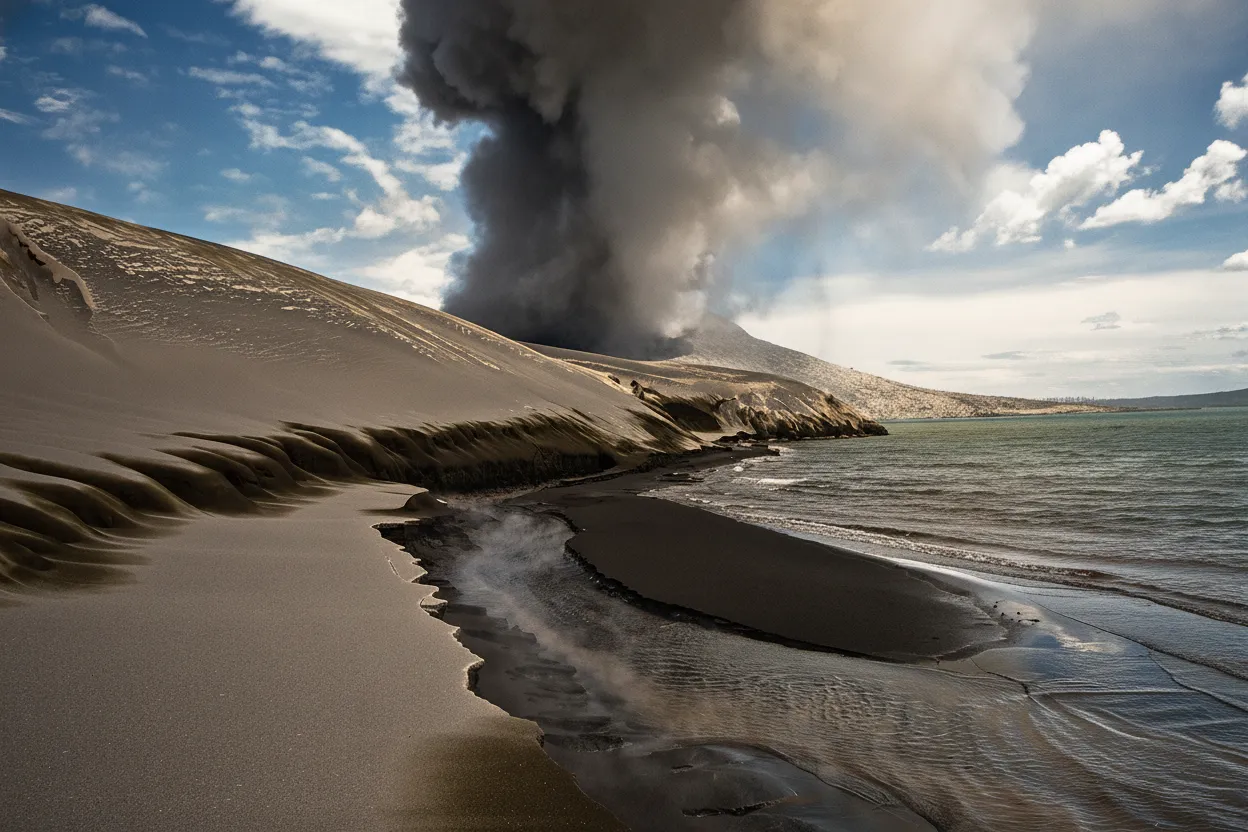
Visitors can literally walk across vast plains of hardened volcanic ash that stretch out from the volcano's base – a stark, monochromatic landscape formed by past eruptions, including the devastating 1994 event. These plains are crisscrossed with visible fumaroles, vents from which steam and volcanic gases escape with a persistent hiss. Standing on this ground, feeling the warmth radiating from below, and inhaling the distinct smell of sulfur, you gain an intimate understanding of the planet's raw, untamed energy. It's a profound, almost humbling experience to be in such close proximity to such a powerful natural force, especially when you consider that locals have adapted to live alongside its unpredictable power, building their homes and livelihoods in its shadow.
A Fiery History: Tavurvur's Past
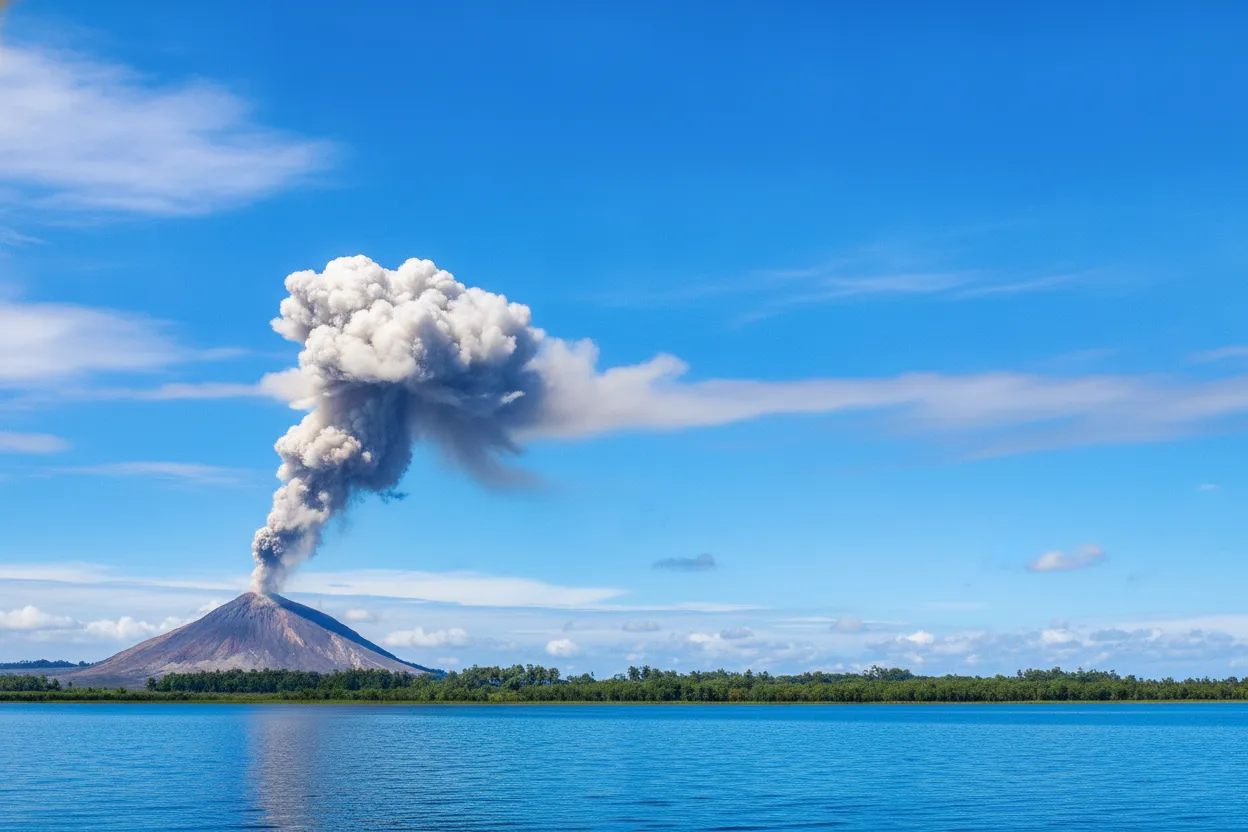
Tavurvur’s history is a chronology of destruction and resilience. Its geological record is marked by numerous significant eruptions, each contributing to the unique landscape seen today. Long before the 1994 event, Tavurvur was known for its volatile nature. One of its most notable pre-1994 eruptions occurred in 1937, which, along with the nearby Vulcan volcano, caused widespread damage and loss of life, demonstrating the dual threat these volcanoes posed to Rabaul.
The 1994 eruption, however, remains the most defining event in recent memory. On that fateful September morning, both Tavurvur and Vulcan erupted simultaneously after being dormant for decades. The eruption of Tavurvur was explosive, sending ash plumes kilometers into the sky, while Vulcan's was phreatomagmatic, interacting with seawater to produce even more destructive pyroclastic flows. Rabaul, once a picturesque colonial town famous for its deep-water harbor, was buried under meters of ash. Buildings collapsed, infrastructure was destroyed, and the town became largely uninhabitable.
The aftermath saw a remarkable display of human tenacity. While Rabaul never fully recovered its former glory, much of its administrative functions were relocated to nearby Kokopo. Yet, a small community persisted in Rabaul, adapting to the altered environment. They cleared ash, rebuilt what they could, and learned to live with the ever-present threat of another eruption. This ongoing coexistence with Tavurvur is a powerful narrative, illustrating the deep connection between the people of East New Britain and their dynamic environment.
Exploring the Ash Plains: What You'll See There
A visit to Tavurvur is an immersive sensory journey. The primary activity involves a guided walk across the expansive ash plains, which are accessible by boat or vehicle from Kokopo. As you approach, the scale of the volcano becomes apparent, its conical form dominating the horizon. The air grows warmer, and the faint smell of sulfur becomes more pronounced, signaling your proximity to the volcano's active zones.
Walking on the ash plains is unlike any other terrain. The ground, composed of compacted volcanic ash, is firm but gives slightly underfoot, often revealing intriguing patterns formed by cooling lava and gas vents. Your guide, typically a local who understands the volcano's rhythms and dangers, will lead you safely past numerous fumaroles. Here, superheated steam hisses from cracks in the ground, often carrying a strong sulfurous odor. You might even see small, colorful mineral deposits forming around these vents, a stark contrast to the gray ash.
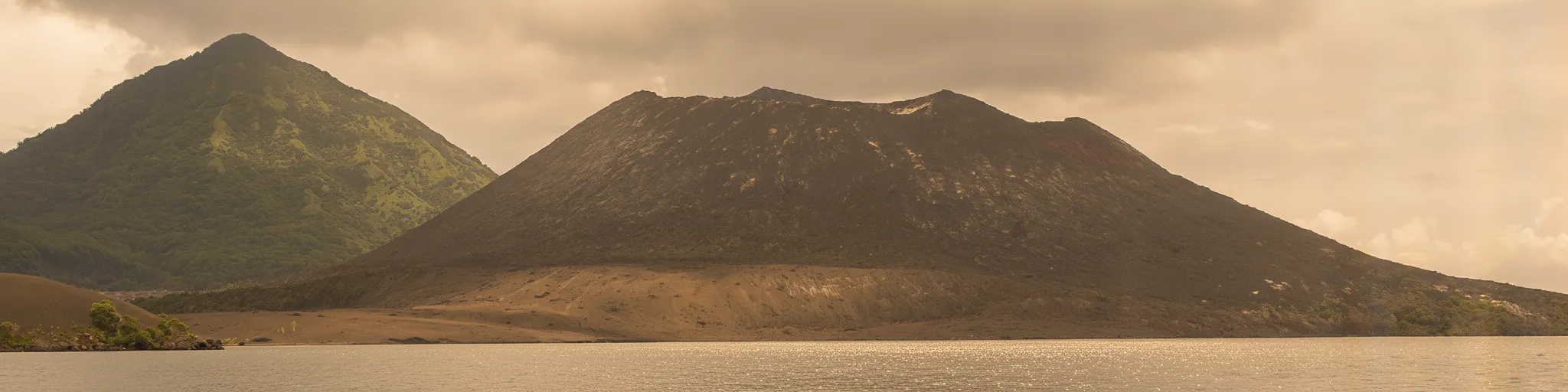
From the ash plains, the view back towards Simpson Harbour and the distant islands is spectacular, offering a unique perspective of Rabaul's altered coastline. You'll observe how the eruption reshaped the landscape, creating new landmasses and altering the shape of the bay. Depending on the volcano's activity, you might witness small explosions or increased steam plumes, a stark reminder of its persistent energy. It’s a place that engages all your senses – the sight of the steam, the sound of the vents, the smell of sulfur, and the feel of the warm ground beneath your feet. It's a visceral connection to the geological processes shaping our planet.
Practical Tips for Visiting Tavurvur
Visiting Tavurvur is an adventure, but one that requires careful planning and respect for both the volcano and the local community. Safety is paramount when exploring an active geological site.
Firstly, always hire a local guide. Not only do they possess invaluable knowledge of the volcano's current conditions and safe routes, but they also contribute directly to the local economy. They understand the nuances of the terrain and can interpret signs of increased activity. Many tours can be arranged from Kokopo, which is the main hub for accommodations and services in the region.
Getting there typically involves a combination of driving and sometimes a short boat ride across parts of the harbor or along the coast to reach the ash plains. From Kokopo, a taxi or arranged tour vehicle will take you towards the volcano's base.
What to bring: Sturdy closed-toe shoes are essential for walking on the uneven ash. High-factor sunscreen, a wide-brimmed hat, and sunglasses are critical due to the intense tropical sun reflecting off the gray ash. Carry plenty of water, as the heat and physical activity can be dehydrating. A light rain jacket is also advisable for unexpected tropical showers. If you're sensitive to strong smells, a bandana or mask might be useful for the sulfurous areas.
Respect for the environment and local culture is crucial. Do not venture off marked paths or ignore your guide's instructions. Avoid touching fumaroles as the steam is extremely hot. Remember that this is not just a tourist attraction; it's a living environment for the local people who have a deep, spiritual connection to the land and its powerful forces. Engage with them respectfully, and you'll gain an even richer appreciation for this truly unique destination.
Tavurvur offers more than just a glimpse of an active volcano; it offers an encounter with Earth's raw power and a profound lesson in human resilience. It’s a journey that leaves a lasting impression, reminding you of the incredible forces that shape our world and the enduring spirit of those who live in their shadow.
Essential Travel Information
- Location Tavurvur Volcano, Papua New Guinea
- Best Time May to November (Dry Season)
- Getting There Fly to Rabaul Airport (RAB) in Kokopo. Arrange a tour or taxi from Kokopo to the volcano's base, often involving a short boat ride.
- Airport Rabaul Airport (Tokua Airport) - RAB
- Budget Mid-range (approx. $150-250 USD per day, excluding international flights, including basic accommodation, food, and local transport/tours)
- Language Tok Pisin, Kuanua, English
Find Places to Stay Near Tavurvur Volcano
Compare hotels, hostels, and unique stays in Papua New Guinea.
Search AccommodationTours & Experiences Near Tavurvur Volcano
Book guided tours, day trips, and unique experiences.
Browse Tours