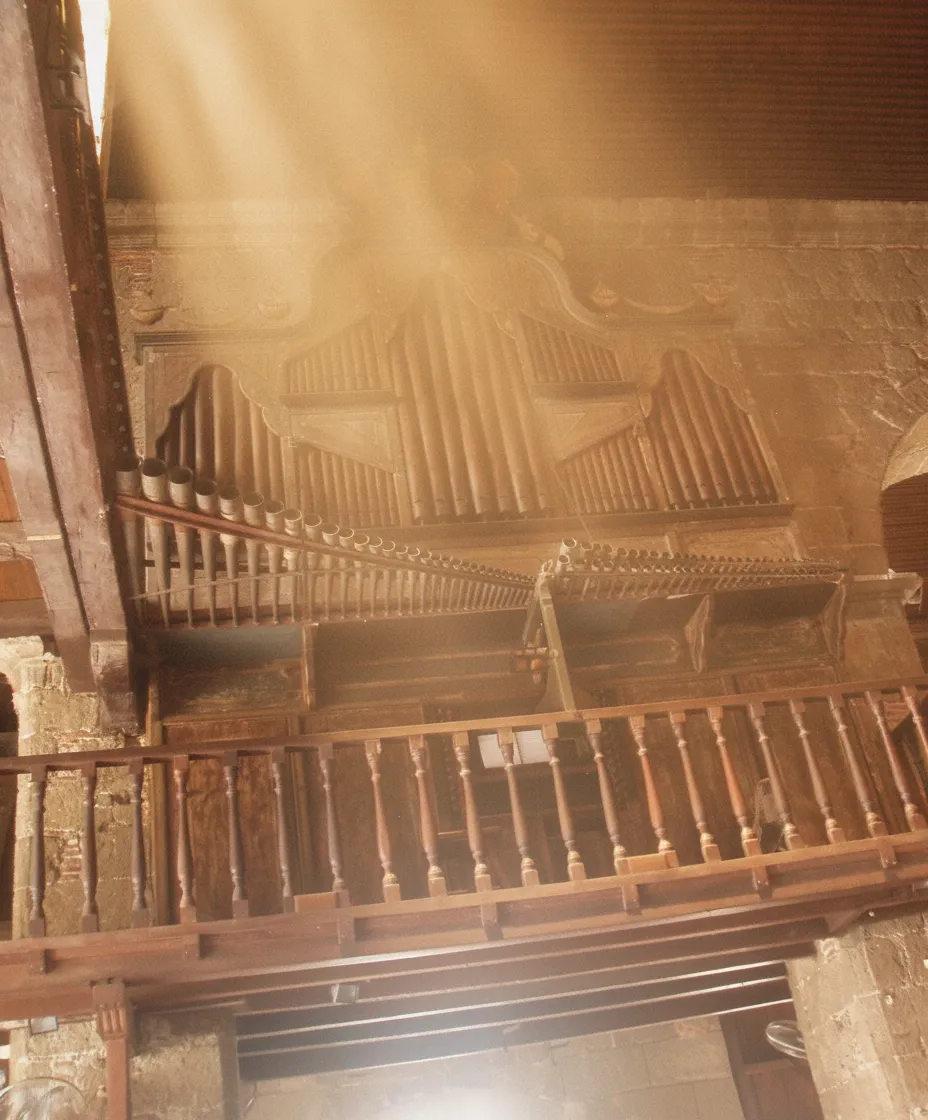
Imagine an entire pipe organ, from its grandest pipes to its most delicate reeds, crafted almost entirely from bamboo, still playing glorious music after more than 200 years. It sounds like something out of a fantasy novel, doesn't it? Yet, tucked away in the bustling city of Las Piñas, Metro Manila, this extraordinary instrument isn't just a legend—it's a vibrant, living piece of history. Forget what you think you know about traditional pipe organs; the Bamboo Organ of Las Piñas defies expectations, whispers tales of colonial ingenuity, and offers a truly unique auditory and cultural experience that will leave you utterly spellbound. If you're searching for a hidden gem in the Philippines that combines breathtaking artistry, enduring legacy, and profound beauty, then prepare to be enchanted.
The Symphony of Bamboo: What Makes It Truly Special
At first glance, you might wonder how an instrument made from such a humble material could possibly produce a majestic sound. But that's precisely where the magic lies. The Bamboo Organ isn't just an instrument; it's a testament to human creativity, resilience, and a deep understanding of acoustics. Comprising 1,031 pipes, 902 of which are made from bamboo, this organ produces a distinct, warm, and surprisingly rich tone that sets it apart from its metallic counterparts. It’s a sound that resonates with the soul of the Philippines, echoing the rustle of bamboo groves and the gentle rhythm of island life.
What truly makes it special is its remarkable survival. Built in the early 19th century, it has weathered centuries of typhoons, earthquakes, and even neglect, only to be lovingly restored to its former glory. It stands as a powerful symbol of Filipino heritage and ingenuity, declared a National Cultural Treasure by the Philippine government. Walking into the St. Joseph Parish Church and seeing this colossal, organic masterpiece for the first time is an awe-inspiring moment. The sheer scale, the intricate craftsmanship, and the knowledge that every single bamboo pipe was meticulously selected, treated, and tuned by hand centuries ago, fills you with a sense of wonder. It’s not just an old instrument; it’s a living, breathing artifact that continues to share its voice with the world.

A Glimpse into History: Fray Cera's Enduring Legacy
The story of the Bamboo Organ begins with a visionary Spanish Augustinian Recollect priest, Fray Diego Cera de la Virgen del Carmen. Arriving in Las Piñas in 1795, Fray Cera was not just a parish priest; he was a natural scientist, an architect, a community builder, and a master organ builder. He dreamt of creating an organ unlike any other, utilizing the abundant and sustainable bamboo found in the Philippines. Work on the organ began in 1816 and continued until 1824, a painstaking process that involved selecting the finest bamboo culms, burying them in beach sand for years to protect them from insects, and then meticulously carving and assembling each pipe.
Fray Cera’s dedication was extraordinary. He personally supervised every step, from the harvesting of the bamboo to the final tuning. While the majority of the pipes are bamboo, he incorporated metal pipes for the trumpet stops, which were imported from Spain, showcasing a blend of local resources and European craftsmanship. Tragically, a powerful earthquake in 1880 severely damaged the organ, and subsequent natural disasters and neglect left it in disrepair for decades. It wasn't until the 1970s that a massive restoration effort, spearheaded by the local community and the German government, saw the organ transported to Bonn, Germany, for a comprehensive 2-year restoration by organ builder Johannes Klais Orgelbau. Its triumphant return in 1975 was met with national celebration, and it has been serenading audiences ever since, a true phoenix rising from the ashes of history.
What You'll See and Experience During Your Visit
Your journey to the Bamboo Organ is more than just seeing an old instrument; it's an immersion into a unique cultural narrative. The organ is housed within the beautiful St. Joseph Parish Church, a structure that itself boasts colonial-era charm and a tranquil atmosphere. As you step inside, your eyes will naturally be drawn upwards to the organ loft, where the magnificent instrument commands attention. Take a moment to appreciate its grandeur, the warm tones of the bamboo contrasting with the dark wood of the church interior.
The absolute highlight of any visit is, without a doubt, hearing the organ played. The church regularly hosts recitals, especially during the annual International Bamboo Organ Festival held every February. Attending a recital is an ethereal experience; the unique timbre of the bamboo pipes fills the sacred space, creating a sound that is both ancient and vibrant, powerful yet surprisingly delicate. It’s a sound that tells stories, evokes emotions, and connects you to centuries of history. Beyond the organ, you can also explore the small museum located within the church complex, which provides more detailed information about Fray Cera, the construction, the restoration process, and the cultural significance of this national treasure. You'll see historical photos, tools, and perhaps even some original bamboo parts, deepening your appreciation for this marvel of organic engineering.

Practical Tips for Your Las Piñas Adventure
Ready to embark on this incredible journey? Here are some friendly tips to make your visit smooth and memorable:
- Best Time to Visit: The Philippines' dry season, from November to April, offers pleasant weather. However, if you want to experience the organ at its most vibrant, plan your visit around the International Bamboo Organ Festival in February. Even outside of the festival, recitals are often held, so check the official website or call ahead for schedules. Mornings are generally less crowded.
- Getting There: The St. Joseph Parish Church is located in Las Piñas City, Metro Manila. From most parts of Metro Manila, you can take a taxi or use ride-hailing apps like Grab (similar to Uber). If you prefer public transport, take a bus or jeepney bound for Zapote, and tell the driver to drop you off at the Las Piñas Church. It's a prominent landmark.
- Entrance Fees: There's usually a small entrance fee to the museum and a separate fee for organ recitals, which goes towards the maintenance of the organ and the church. These are typically very affordable.
- Dress Code: As it's a place of worship, dress respectfully. Shoulders and knees should be covered.
- Photography: Photography is generally allowed in the church and museum, but be mindful during services or recitals. Flash photography might be restricted.
- Local Delights: While in Las Piñas, don't miss the chance to try some local delicacies. The city is also known for its salt farms and traditional jeepney factories, offering a glimpse into local industries.

The Bamboo Organ of Las Piñas is more than just an instrument; it's a profound experience. It’s a testament to human ingenuity, cultural perseverance, and the timeless beauty that can emerge from the simplest of materials. It reminds us that hidden wonders often lie just off the beaten path, waiting to be discovered and to play their unique melody in our hearts. So, pack your bags, tune your ears, and prepare to be utterly captivated by the glorious music of bamboo.
Essential Travel Information
- Location The Bamboo Organ of Las Piñas, Philippines
- Best Time November to April (dry season), especially February for the International Bamboo Organ Festival
- Getting There From Metro Manila, take a taxi/Grab or a bus/jeepney bound for Zapote, disembarking at Las Piñas Church.
- Airport Ninoy Aquino International Airport (MNL)
- Budget Budget/Mid-range (approx. $20-50 daily)
- Language Filipino, English
Find Places to Stay Near The Bamboo Organ of Las Piñas
Compare hotels, hostels, and unique stays in Philippines.
Search AccommodationTours & Experiences Near The Bamboo Organ of Las Piñas
Book guided tours, day trips, and unique experiences.
Browse Tours