What Makes Albania's Bunkers So Special?
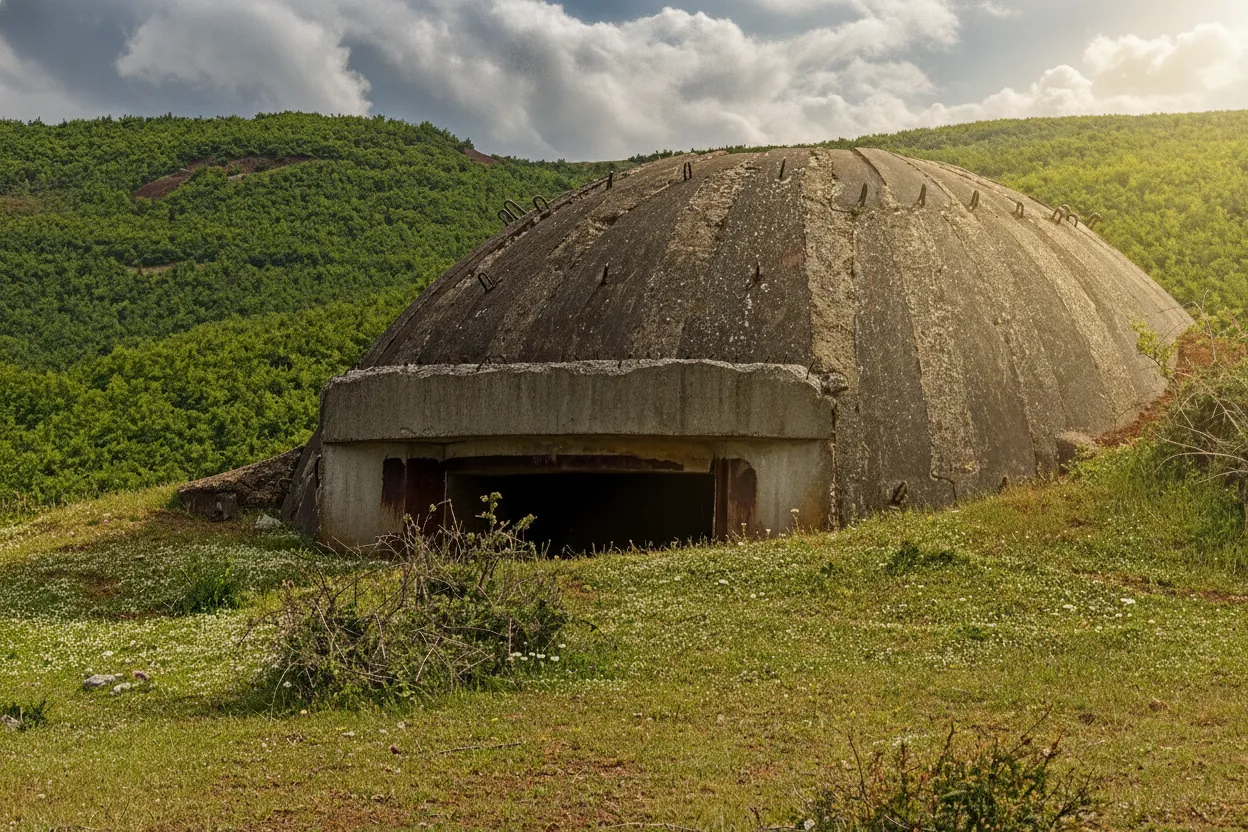
You might have seen historical fortifications before, but trust me, nothing quite prepares you for the sheer scale and ubiquity of Albania's bunkers. We're talking about roughly one bunker for every four Albanians! Built between the 1960s and 1980s, these structures are not just isolated relics; they are an intrinsic part of the fabric of the country. You'll stumble upon them while hiking through verdant valleys, sunbathing on the Adriatic coast, or even strolling through city parks. Each one is a silent sentinel, a tangible piece of a dark, isolated past that somehow manages to feel both haunting and strangely beautiful.
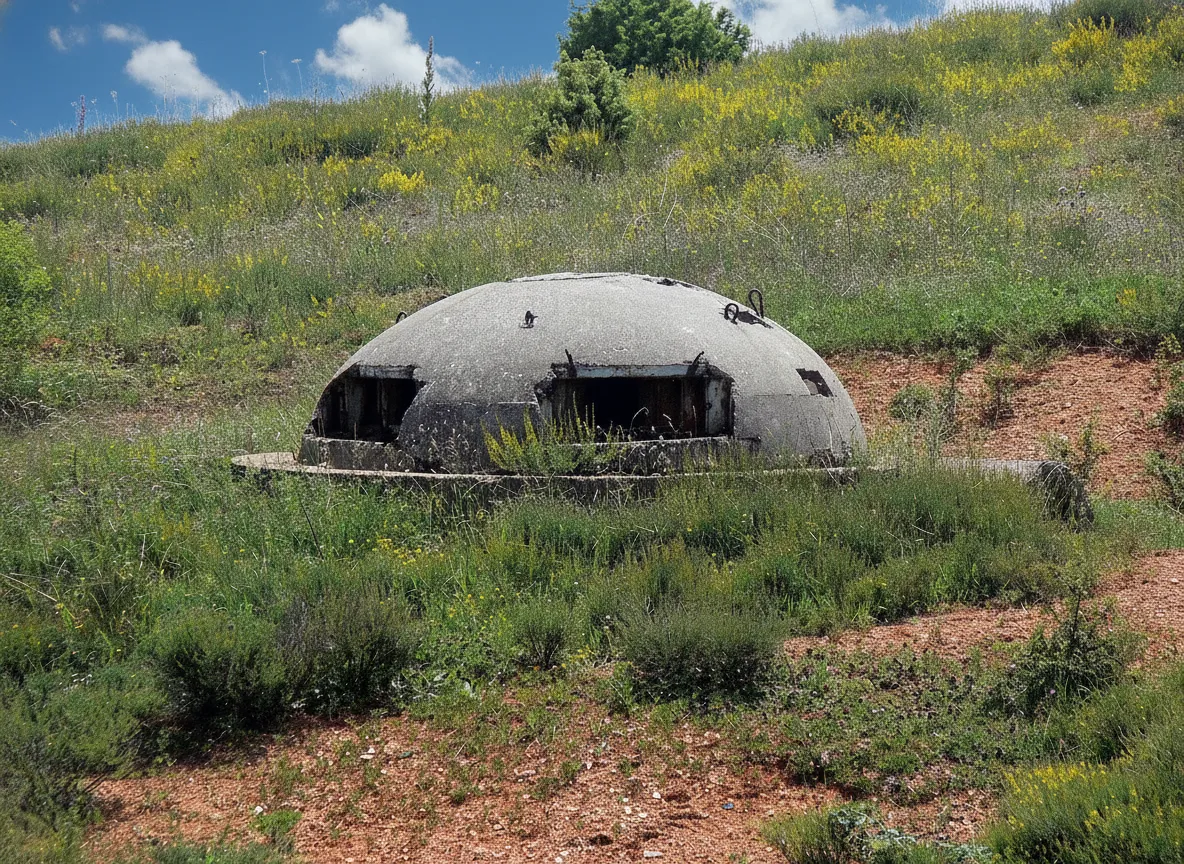
Their design is deceptively simple yet incredibly robust: a heavy concrete dome atop a steel-reinforced base, often with a narrow firing slit. They come in various sizes, from tiny one-person "pillboxes" to massive underground complexes capable of housing entire military units or government officials. What makes them truly special is their transformation. Once symbols of fear and isolation, many have been creatively repurposed – painted with vibrant murals, converted into cafes, hostels, or even changing rooms on beaches. They are a testament to the Albanian spirit of adaptability and a unique canvas for contemporary art and historical reflection, offering a travel experience unlike any other.
A Nation Under Concrete: The History of Hoxha's Paranoia
To understand the bunkers, you need to understand Enver Hoxha. From the end of World War II until his death in 1985, Hoxha ruled Albania with an iron fist, leading one of the most isolationist and brutal communist regimes in history. Convinced that Albania was constantly on the brink of invasion – first from the capitalist West, then from the communist Soviet Union, and finally even from China after their ideological split – he initiated a massive "bunkerization" program. His motto was "Every house is a fortress, every ditch is a trench."
Construction began in the mid-1960s and accelerated through the 70s and early 80s. The program consumed a significant portion of the national budget, diverting resources that could have been used for infrastructure, healthcare, or education. Engineers and laborers worked tirelessly, often under grueling conditions, to embed these concrete shells across every imaginable terrain. There were three main types: the small, individual Qender (centre) bunkers, the medium-sized Fshat (village) bunkers, and the much larger underground complexes. The paranoia was so pervasive that even children were taught how to use and defend these bunkers in schools. It was a staggering, economically devastating undertaking for an imagined threat, leaving behind an architectural legacy that defined a nation for decades and continues to shape its landscape today.
Exploring the Concrete Legacy: What You'll See and Experience
Your journey through Albania will invariably involve encounters with these bunkers. It's impossible to avoid them, and honestly, why would you want to? They are a core part of the adventure! In Tirana, the capital, you'll find the most impressive and accessible transformations:
- Bunk'Art 1: Located on the outskirts of Tirana, this massive five-story underground bunker was designed for Hoxha and his inner circle in case of nuclear attack. Today, it's a sprawling history and contemporary art museum. Walking through its labyrinthine corridors, preserved offices, and meeting rooms, you get a chilling sense of the regime's power and paranoia. It's an immersive experience that brings history to life with art installations, historical exhibits, and even a preserved assembly hall.
- Bunk'Art 2: Situated right in the heart of Tirana, this smaller, but equally impactful bunker was built for the Ministry of Internal Affairs. It focuses more on the history of the Sigurimi (secret police) and the persecution of political opponents. It's a stark and sobering reminder of the human cost of Hoxha's regime.
Beyond Tirana, the experience changes. Drive along the coastal road from Vlorë to Sarandë, and you'll see bunkers sitting on pristine beaches, some painted in bright colors, others serving as quirky backdrops for beach bars. Head into the rural areas, and you'll find them half-hidden by overgrown bushes, silent witnesses to changing seasons. Hike in the mountains, and you might discover more remote, untouched bunkers, offering panoramic views and a profound sense of isolation. Some have even been converted into unique accommodations or roadside cafes, offering a chance to literally step inside history.
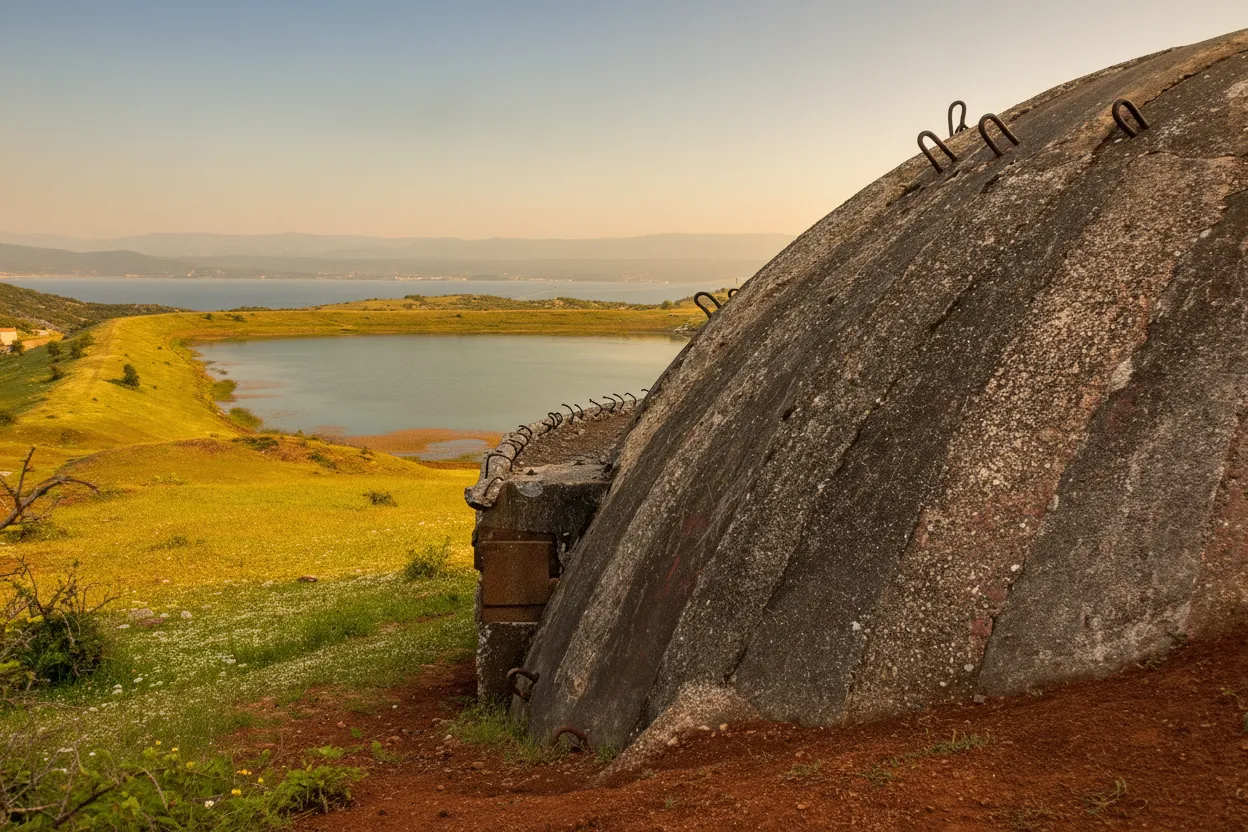
The beauty of exploring Albania's bunkers lies in their variety and the stories they tell. You'll feel a mix of awe at the scale of the undertaking, sadness for the resources wasted, and wonder at how a nation has repurposed these relics into something both meaningful and uniquely Albanian. It's a journey that combines history, art, and a touch of the surreal, leaving you with memories that are anything but ordinary.
Practical Tips for Your Albanian Bunker Adventure
Ready to embark on this extraordinary journey? Here are a few pointers from a well-traveled friend:
- Getting Around: While public transport is available between major cities, renting a car gives you the ultimate freedom to explore the more remote and scattered bunkers. The roads have vastly improved, but some rural areas might still be bumpy.
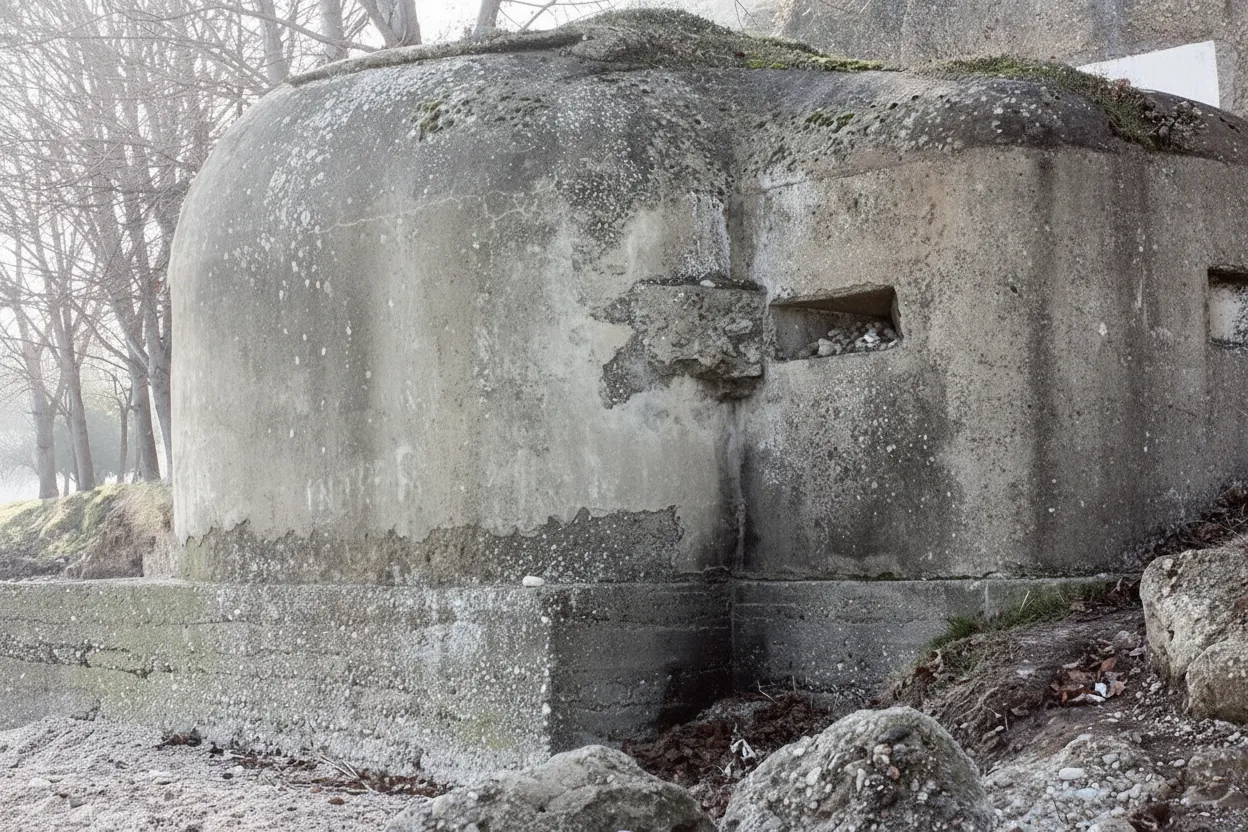
- Safety First: While many bunkers are harmless, exercise caution when approaching or entering abandoned ones. They can be dark, damp, and home to wildlife (snakes, insects). Structural integrity might also be compromised in older, unmaintained bunkers. Stick to established sites like Bunk'Art or those clearly repurposed for tourism.
- Respect the History: These structures, while fascinating, represent a period of hardship and fear for many Albanians. Approach them with respect for their historical significance.
- Best Time to Visit: Spring (April-June) and Autumn (September-October) offer pleasant weather for exploring, avoiding the intense summer heat and winter chill.
- Combine Your Trip: Albania is a country of incredible diversity. Don't just focus on bunkers! Combine your historical exploration with visits to ancient Roman and Greek ruins (like Butrint), Ottoman-era cities (Gjirokastër and Berat, both UNESCO sites), stunning beaches, and the breathtaking Albanian Alps.
- Accommodation: Tirana is the best base for Bunk'Art. For coastal bunkers, consider staying in places like Himarë or Dhërmi. Many smaller towns offer charming guesthouses.
Conclusion
Albania's bunkers are more than just concrete structures; they are a profound narrative etched into the landscape. They tell a story of paranoia and resilience, of a nation's past and its determined move towards the future. Visiting them is not just a sightseeing trip; it's an immersive historical experience that challenges your perceptions and leaves you with a deeper understanding of human nature and political folly. So, if you're seeking a destination that's off the beaten path, rich in history, and utterly unique, pack your bags and prepare to uncover the surreal, captivating legacy of Albania's concrete mushrooms. It's an adventure you won't soon forget.
Essential Travel Information
- Location The Bunkers of Albania, Albania
- Best Time April to June (Spring) & September to October (Autumn)
- Getting There Fly into Tirana International Airport (TIA), then rent a car for independent exploration or use intercity buses for major routes.
- Airport Tirana International Airport Nënë Tereza (TIA)
- Budget Mid-range (approx. €40-€70 per day for accommodation, food, and transport)
- Language Albanian
Find Places to Stay Near The Bunkers of Albania
Compare hotels, hostels, and unique stays in Albania.
Search AccommodationTours & Experiences Near The Bunkers of Albania
Book guided tours, day trips, and unique experiences.
Browse Tours