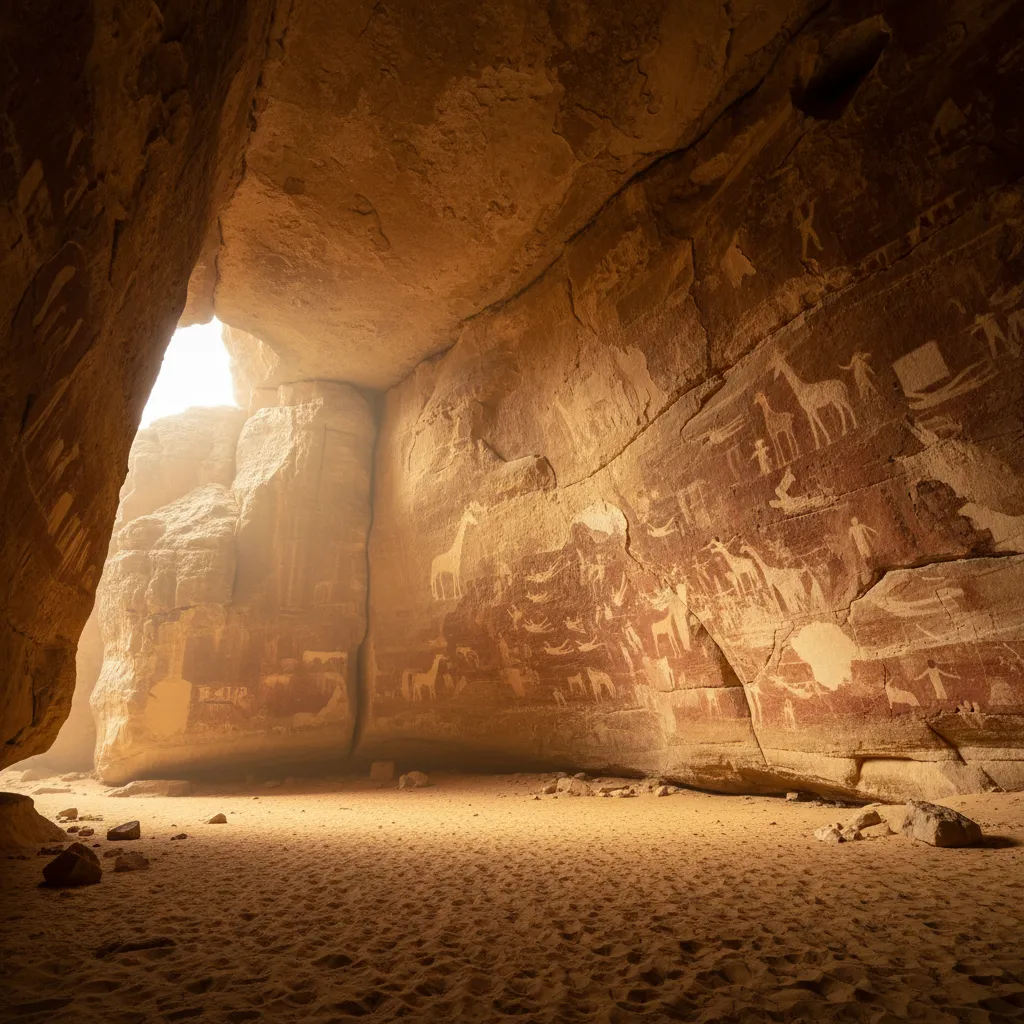
Imagine a time, not so long ago in geological terms, when the vast, shimmering expanse of the Sahara Desert was a verdant tapestry of lakes, rivers, and grasslands. Imagine ancient people, not merely surviving, but thriving in this lush landscape, swimming in freshwater pools, surrounded by giraffes, antelopes, and other savannah creatures. Now, imagine them leaving behind stunning, indelible proof of this forgotten world, etched onto the walls of a hidden cave, deep within what is now one of the driest, most desolate places on Earth. This isn't a fantasy; it's the breathtaking reality of the Cave of the Swimmers (Wadi Sura II), an archaeological marvel tucked away in Egypt's remote Gilf Kebir plateau, beckoning the most intrepid adventurers to uncover its secrets.
The Sahara's Secret: Where Ancient Swimmers Left Their Mark
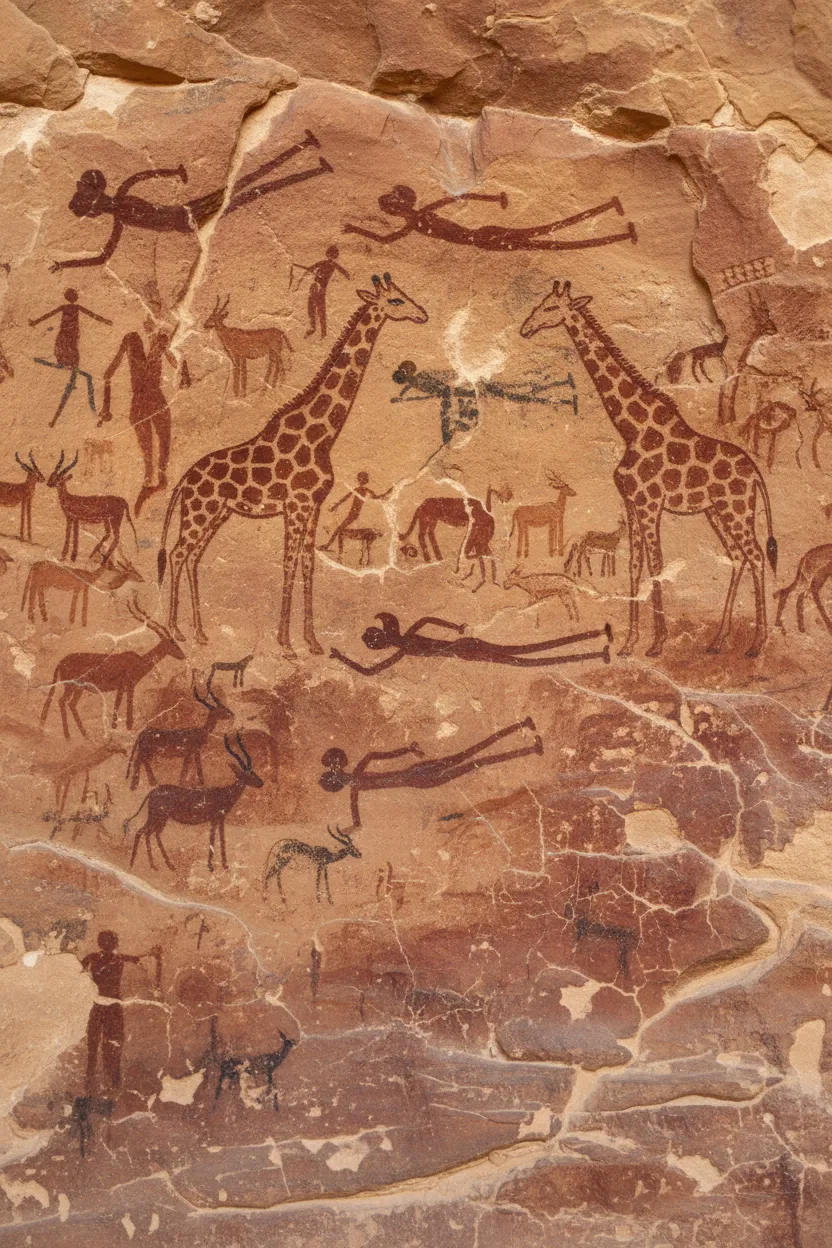
The Cave of the Swimmers is more than just a collection of ancient paintings; it's a poignant, visual portal to a radically different past. What makes this site so profoundly special is the stark, almost unfathomable contrast between its present-day location and the vibrant scenes depicted on its walls. Here, thousands of years ago, artists used natural mineral pigments to render lively figures, many of them appearing to swim or float in water, alongside detailed portrayals of animals that once roamed a green Sahara – giraffes, gazelles, ostriches, and hippos. It’s a powerful testament to the dramatic climate shift that transformed a thriving, life-giving ecosystem into the extreme desert we know today.
This isn't merely art; it's a geological and anthropological Rosetta Stone. The 'swimmers' offer a direct, visual link to a period known as the African Humid Period, when monsoon rains nourished the Sahara, supporting diverse flora and fauna. To stand before these frescoes, deep within the silent, arid embrace of the Gilf Kebir, is to feel the weight of millennia, to witness humanity's earliest artistic expressions, and to grasp the incredible adaptability of both nature and our ancestors. It's a place that challenges our perceptions of history, climate, and the very definition of a 'desert,' making it an unparalleled destination for those who seek true wonder and profound historical insight.
A Journey Through Time: Unearthing the Cave of the Swimmers' History
The story of the Cave of the Swimmers itself is almost as captivating as the art it contains. Its rediscovery in 1933 by the Hungarian explorer László Almásy, a figure immortalized in Michael Ondaatje's novel "The English Patient," brought this extraordinary site to modern attention. Almásy, an aviator and desert explorer, stumbled upon Wadi Sura II while searching for the legendary lost oasis of Zerzura. Imagine his astonishment upon finding these vivid depictions of aquatic life and human figures amidst the desolate rock formations of the Gilf Kebir, a vast and remote sandstone massif that straddles the borders of Egypt, Libya, and Sudan.
Subsequent expeditions and archaeological studies have meticulously documented and dated the artwork. Experts estimate the paintings to be between 8,000 and 10,000 years old, placing them firmly in the Neolithic period. This makes them significantly older than the pyramids and many other iconic Egyptian antiquities, offering a rare glimpse into a prehistoric Egypt that existed long before pharaohs and hieroglyphs. The purpose of the 'swimming' poses remains a subject of debate among scholars. Were these figures literally swimming in a local body of water? Were they engaged in a ritualistic dance? Or perhaps they symbolize a spiritual journey? Whatever their exact meaning, they are undeniably powerful, serving as a direct connection to the beliefs and daily lives of people who inhabited a Sahara that was once a cradle of civilization, teeming with life.
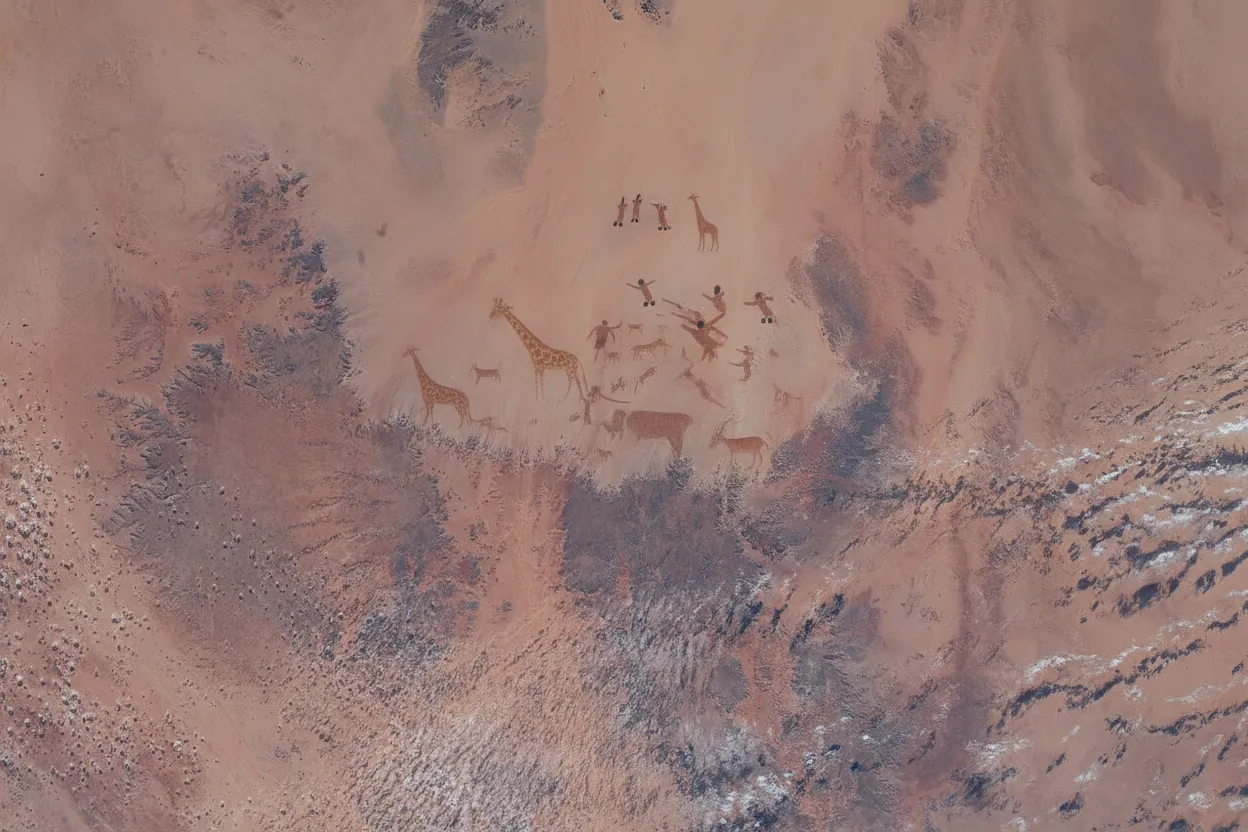
The Gilf Kebir plateau itself is a geological marvel, a monumental sandstone edifice carved by wind and water over eons. It's a natural fortress, a labyrinth of wadis (dry riverbeds), canyons, and towering mesas, making it incredibly difficult to access but preserving its ancient treasures from the ravages of time and casual human interference. The region's isolation has safeguarded not only the Cave of the Swimmers but also numerous other rock art sites, making the Gilf Kebir one of the world's most significant open-air museums of prehistoric art.
Beyond the Threshold: What Awaits You Inside Wadi Sura II
To finally arrive at the Cave of the Swimmers after an arduous desert journey is an experience that transcends mere sightseeing. Stepping inside, away from the blinding desert sun, is like entering a sanctuary where time has stood still. Your eyes will immediately be drawn to the cave walls, alive with a vibrant gallery of ancient narratives. The 'swimmers' are perhaps the most famous, rendered with remarkable fluidity and grace. You'll see human figures with elongated limbs, some seemingly floating, others diving, all conveying a sense of movement and connection to water.
But the cave offers so much more. Alongside these enigmatic human forms, you'll encounter a captivating bestiary of prehistoric Sahara. Majestic giraffes, depicted with long necks and characteristic patterns, gaze out from the rock. Agile antelopes, powerful ostriches, and even elusive hippos are rendered with astonishing detail and artistic skill. The artists used a palette derived from natural ochres and mineral pigments, resulting in earthy reds, yellows, blacks, and whites that, despite millennia, still retain their intensity. The sheer scale of some panels, adorned with dozens, if not hundreds, of figures, is truly humbling. You'll marvel at the intricate compositions, the overlapping scenes, and the stories they silently tell about hunting, daily life, and the spiritual world of these ancient people.
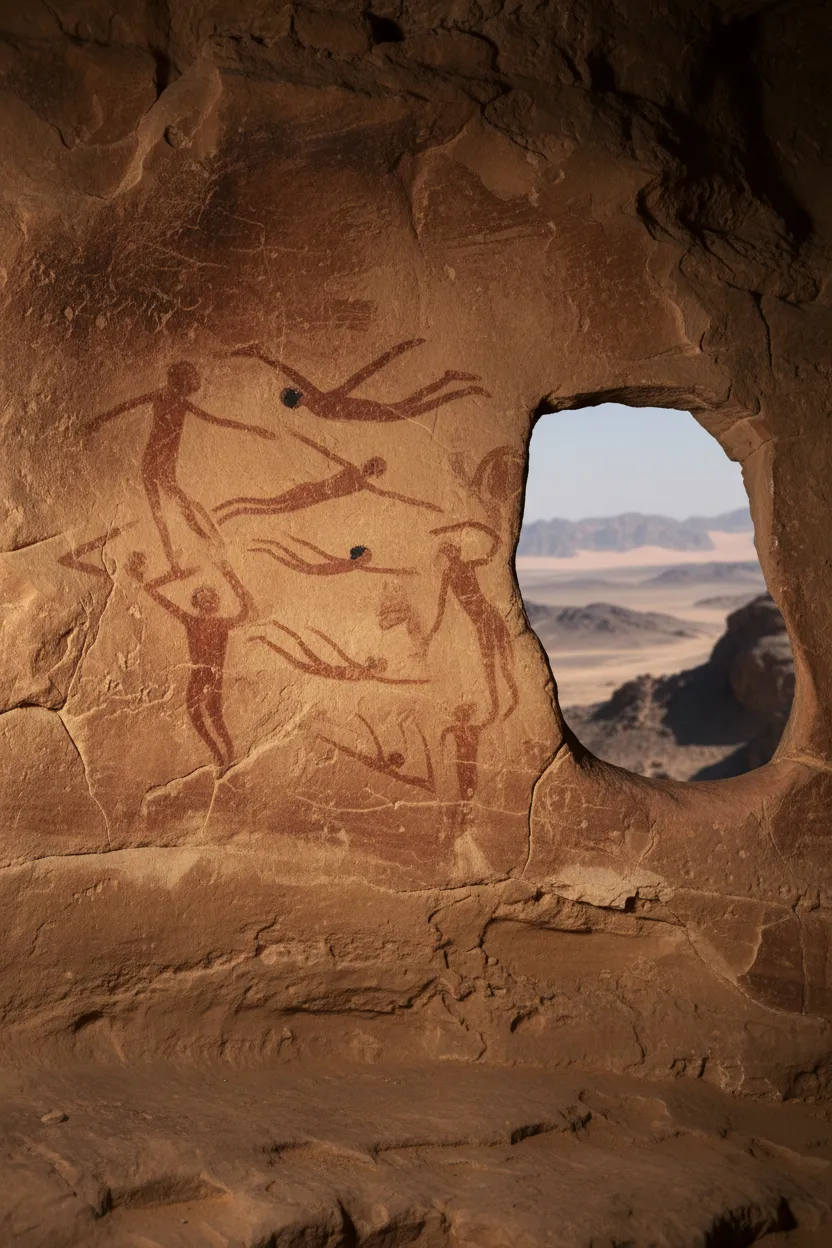
Beyond the art, the atmosphere within the cave itself is palpable. It's cool, quiet, and imbued with a sense of profound history. You can almost hear the echoes of ancient voices, feel the presence of those who once gathered here, sharing stories and creating these masterpieces. The surrounding landscape of the Gilf Kebir, with its dramatic vistas, towering cliffs, and endless horizons, adds another layer to the experience. It's a place of stark, raw beauty, where the silence is broken only by the wind, and the stars at night put on a show unlike anywhere else on Earth. This journey is not just about seeing ancient art; it's about immersing yourself in an almost alien world, connecting with our shared human past in the most profound way possible.
Conquering the Desert: Practical Tips for Visiting This Remote Wonder
Let's be clear: the Cave of the Swimmers is not a casual tourist destination. This is an extreme expedition into one of the most isolated and challenging environments on the planet. Visiting requires meticulous planning, significant resources, and a spirit of true adventure. Think of it less as a trip and more as an odyssey.
Firstly, **accessibility is the biggest hurdle.** The cave is located hundreds of kilometers from the nearest paved road, deep within the Gilf Kebir National Park. There are no hotels, no restaurants, no infrastructure whatsoever. You will need to join a highly specialized, fully self-sufficient expedition organized by an experienced desert safari operator. These operators handle all the complex logistics, including military and environmental permits, 4x4 vehicles, satellite communication, navigation, and all necessary supplies.
**Logistics and Permits:** Obtaining the necessary permits from Egyptian authorities is a lengthy and complex process. Your chosen expedition company will manage this, but it underscores the controlled nature of access to this sensitive region. Expect to travel in a convoy of multiple 4x4 vehicles, often with armed escort, for safety and security.
**Best Time to Visit:** The Western Desert can be brutally hot in summer. The ideal time for an expedition is during the cooler months, typically from **October to April**, avoiding the scorching heat of May through September. Even then, daytime temperatures can be high, and nights can be surprisingly cold, so layered clothing is essential.
**What to Expect on the Journey:** The drive itself is an adventure. You'll spend days crossing vast, featureless plains, navigating through wadis, and camping under the stars. This is wild camping at its most authentic, with no facilities. You'll need to bring everything you require: ample water, food, fuel, medical supplies, and robust camping gear. Physical fitness and a resilient mindset are crucial, as the journey can be long, dusty, and demanding.
**Respect and Responsibility:** The rock art is incredibly fragile and irreplaceable. Visitors are expected to adhere to strict "leave no trace" principles. Do not touch the paintings, do not smoke, and do not disturb the natural environment. Your guides will emphasize conservation and respectful interaction with this ancient site.
**Budget:** This is a luxury expedition, not in terms of amenities, but due to the specialized equipment, expertise, and extensive logistics required. Costs can be substantial, often running into several thousand dollars per person for a multi-day trip. However, for those privileged enough to undertake it, the experience of witnessing the Cave of the Swimmers is truly priceless – a journey to the very heart of human history and a testament to the enduring power of art and nature.
Essential Travel Information
- Location The Cave of the Swimmers (Wadi Sura II), Egypt
- Best Time October to April
- Getting There Requires a specialized, multi-day 4x4 expedition with experienced guides and permits, typically starting from an oasis like Dakhla or Farafra in Egypt's Western Desert.
- Airport Cairo International Airport (CAI)
- Budget Luxury (approx. $500-$1000+ USD per person per day for an all-inclusive expedition)
- Language Arabic (local), English (with guides/operators)
Find Places to Stay Near The Cave of the Swimmers (Wadi Sura II)
Compare hotels, hostels, and unique stays in Egypt.
Search AccommodationTours & Experiences Near The Cave of the Swimmers (Wadi Sura II)
Book guided tours, day trips, and unique experiences.
Browse Tours