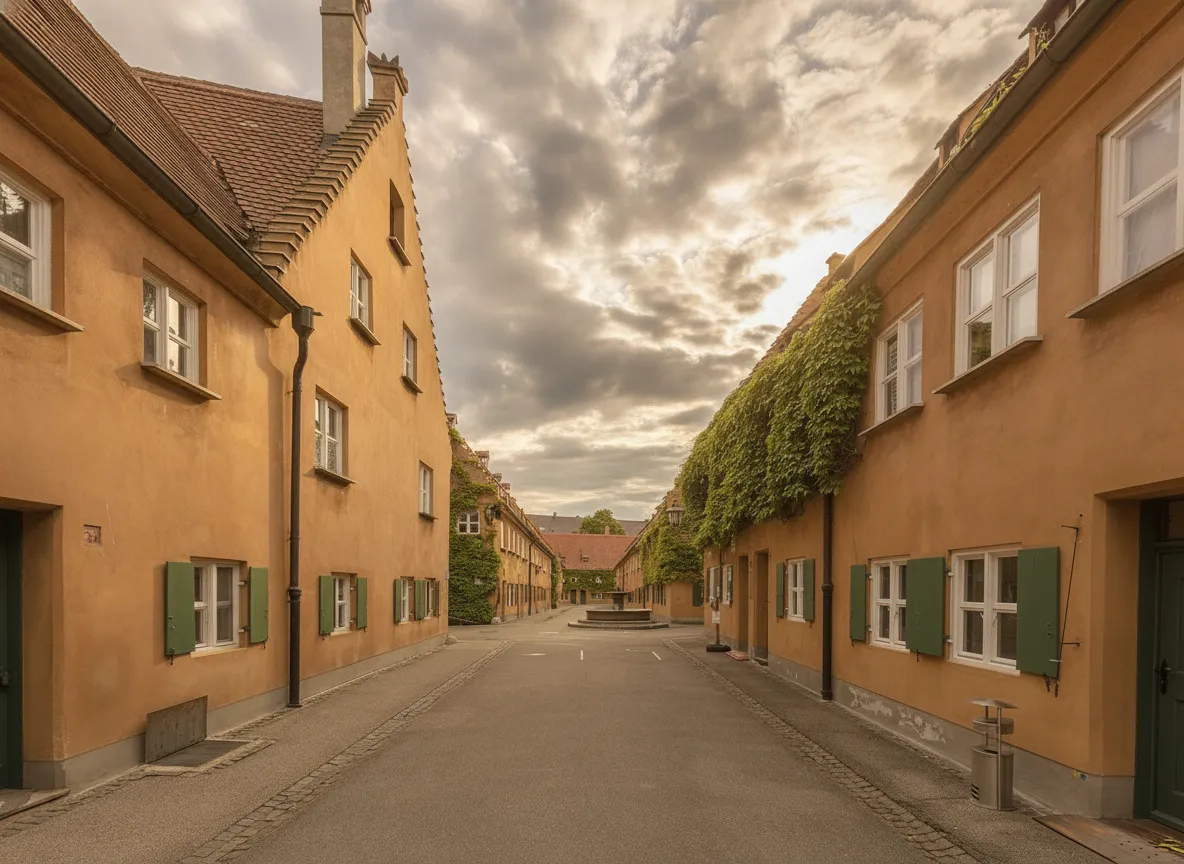
Imagine living in the world's oldest social housing complex, where the annual rent hasn't changed since 1521 — it's still less than a euro. Yes, you read that right. In an age where housing affordability is a global crisis, there exists a place in Germany where residents pay a symbolic 0.88 Euros per year, alongside a daily prayer for the founding family. Welcome to the Fuggerei in Augsburg, Bavaria — a living, breathing testament to centuries of social welfare, philanthropy, and a truly unique way of life that will make you question everything you thought you knew about modern living. If you're looking for a hidden gem that combines rich history with an inspiring social mission, prepare to be captivated by this extraordinary destination.
A Journey Back in Time: The Fuggerei's Enduring Legacy
Nestled within the ancient city walls of Augsburg, the Fuggerei isn't just a historical site; it's a vibrant, functioning community. Founded in 1516 by Jakob Fugger 'the Rich,' one of the wealthiest and most influential merchants of his time, this walled enclave was designed to provide safe, affordable housing for Catholic citizens of Augsburg who had fallen on hard times. And five centuries later, it continues to fulfill that exact mission. Stepping through its historic gates feels like entering a time capsule, where the hustle and bustle of modern life melt away, replaced by a profound sense of peace and continuity.
Jakob Fugger, often called the "richest man in history," was not only a shrewd businessman but also a visionary philanthropist. His motivation for establishing the Fuggerei was deeply rooted in his Catholic faith and a desire to ensure a safety net for the less fortunate. The conditions for residency were simple then, and remarkably, remain largely unchanged today: you must be Catholic, a citizen of Augsburg, and have fallen into poverty through no fault of your own. In return for a comfortable home, residents pay the symbolic rent of one Rhenish Gulden (0.88 Euros) per year and commit to three daily prayers for the Fugger family – one Our Father, one Hail Mary, and one Apostles' Creed. This unique blend of practical assistance and spiritual obligation forms the bedrock of the Fuggerei's enduring success.
More Than Just Homes: A Living Community
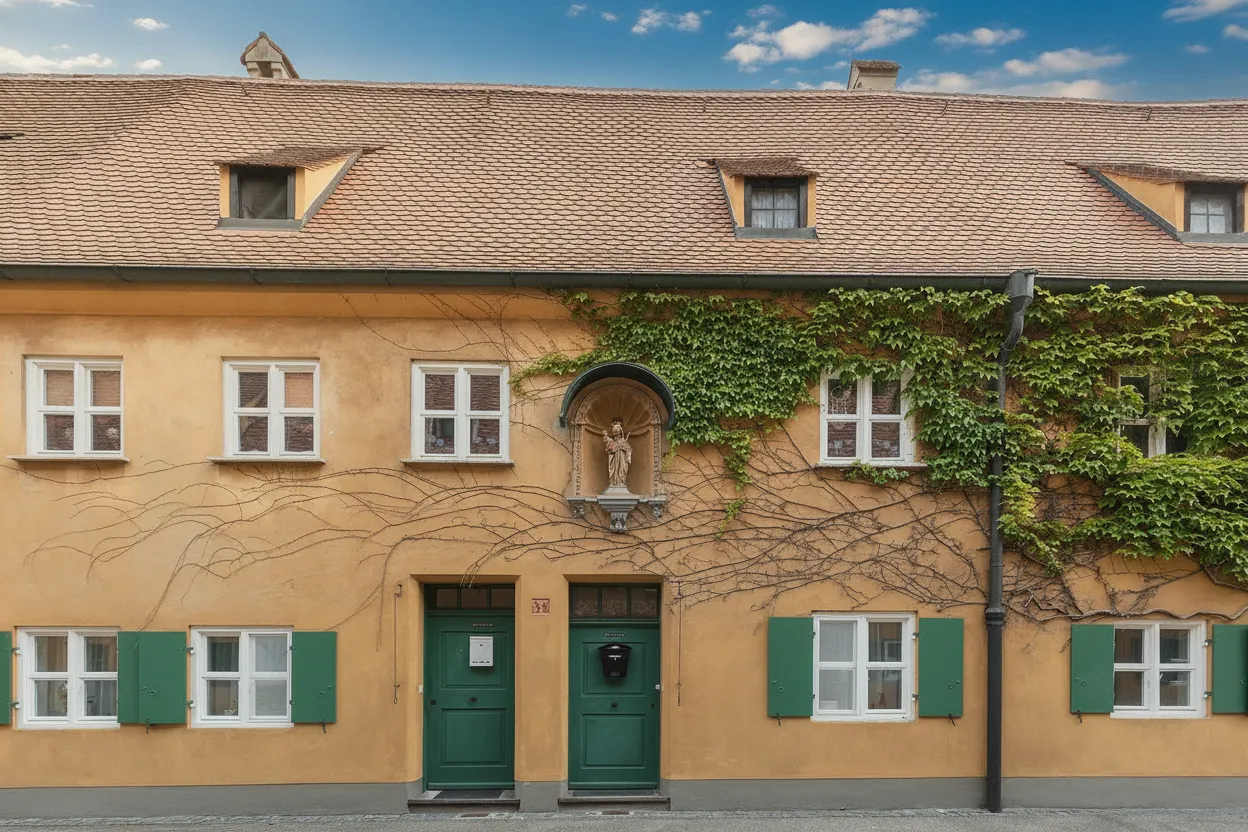
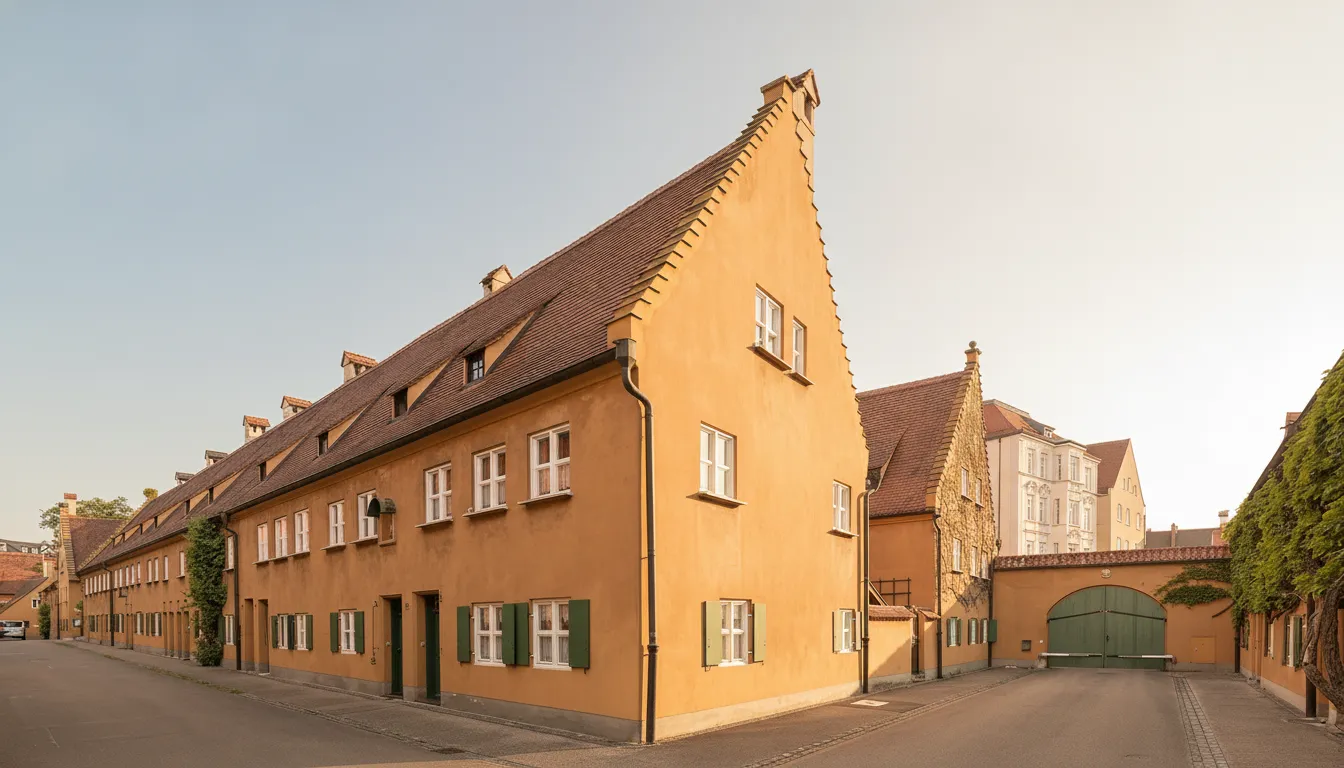
What truly sets the Fuggerei apart is that it's not a museum, but a living, breathing village within a city. It comprises 67 houses, offering 140 apartments, a church, and its own administration. The residents, ranging from single individuals to families, live their daily lives here, enjoying the tranquility and security that Jakob Fugger envisioned. You'll see laundry drying on lines, residents tending to small gardens, and children playing – all against a backdrop of meticulously maintained, uniform yellow houses that exude a timeless charm.
The Fuggerei is a fascinating example of self-sustaining social welfare. The Fugger family foundation, which has managed the complex since its inception, ensures its upkeep and financial stability, allowing the incredibly low rent to persist. This model highlights a powerful historical approach to charity, one that provided dignity and stability rather than just temporary relief. It’s a powerful reminder that innovative solutions to social challenges are not a modern invention but have roots stretching back centuries.
Stepping Back in Time: What You'll See and Experience
As a visitor, the Fuggerei offers a truly immersive experience. Your journey begins at one of the historic gates, often still locked at night, just as they have been for hundreds of years. Once inside, the narrow, cobbled streets invite you to wander and explore at a leisurely pace. The atmosphere is remarkably peaceful, a stark contrast to the bustling city just outside its walls.
One of the highlights is visiting the **Museum Flat**, which has been preserved and furnished to show how residents would have lived in the Fuggerei during the 18th century. It offers a poignant glimpse into daily life, complete with antique furniture, period kitchenware, and a small, cozy bedroom. It really helps you connect with the history and imagine the lives of those who called this place home centuries ago.
Another fascinating exhibit is the **World War II Bunker**. During the devastating bombings of Augsburg, Fuggerei residents took shelter in a specially constructed bunker within the complex. This exhibit provides a sobering look at a more recent chapter in the Fuggerei's history, demonstrating its resilience and the enduring spirit of its community through challenging times.
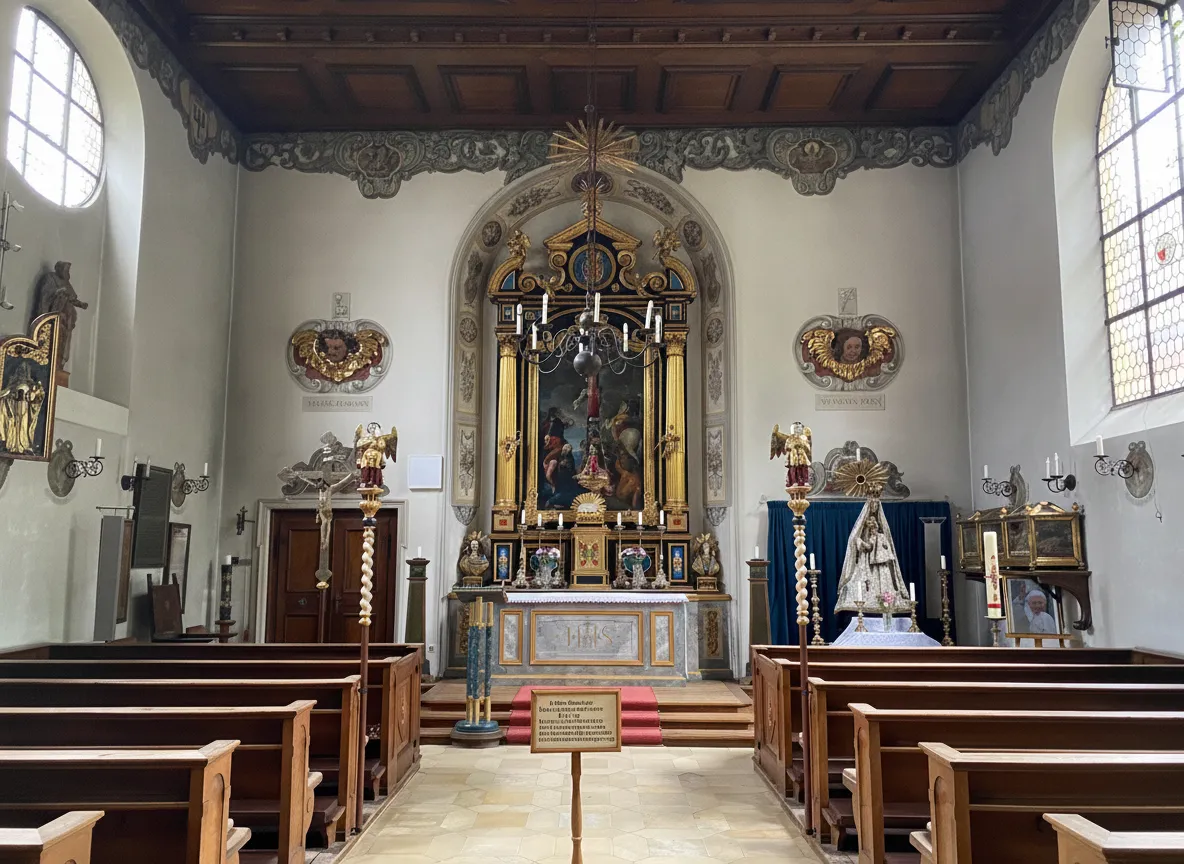
Don't miss the **Fuggerei Church of St. Mark**, a modest but beautiful place of worship that serves the community. Its simplicity and serenity perfectly complement the overall ethos of the Fuggerei. As you stroll, take note of the unique doorbells – each house has a different, distinctive pull-bell, a practical measure from times before streetlights, allowing residents to identify their own home in the dark. It’s these small, thoughtful details that make the Fuggerei so incredibly charming and memorable.
The complex also features a small souvenir shop and a delightful beer garden, where you can relax and soak in the unique ambiance. It’s a wonderful spot to enjoy a traditional Bavarian pretzel and a local brew, reflecting on the marvel you've just explored.
Planning Your Visit: Practical Tips for the Modern Explorer
Visiting the Fuggerei is straightforward and highly rewarding. It's easily accessible and makes for a perfect half-day excursion, though you could happily spend longer soaking in the atmosphere.
- Getting There: The Fuggerei is located in the heart of Augsburg, Bavaria, Germany. Augsburg itself is well-connected by train from major German cities like Munich (a direct 30-45 minute train ride). Once in Augsburg, the Fuggerei is a pleasant 10-15 minute walk from the main train station or easily reachable by local bus.
- Opening Hours & Tickets: The Fuggerei is open to visitors almost daily, though hours can vary by season, so it's always best to check their official website before your trip. The entrance fee is very reasonable (currently around €6-8 for adults), and your ticket often includes access to the museum flat and bunker.
- Best Time to Visit: Spring (April-May) and early Autumn (September-October) offer the most pleasant weather for walking around and enjoying the gardens. The Fuggerei is also beautiful in summer, but it can get busier.
- Accessibility: The Fuggerei's cobbled streets are charming but can be a bit challenging for wheelchairs or strollers. However, the main paths are generally flat, and the experience is still largely accessible.
- Etiquette: Remember, this is a residential area. Be respectful of the residents' privacy, keep noise levels down, and refrain from peeking into private windows. Photography is generally allowed for personal use, but always be mindful and courteous.
- Combine Your Visit: Augsburg itself is a beautiful city with a rich history, home to Roman ruins, magnificent churches, and the stunning Town Hall with its Golden Hall. Consider pairing your Fuggerei visit with exploration of other Augsburg attractions.
Why the Fuggerei Matters Today
In a world grappling with housing crises, social inequality, and the rapid pace of change, the Fuggerei stands as a remarkable beacon. It demonstrates the enduring power of philanthropy, the importance of community, and the beauty of tradition. It's a place that asks us to reflect on our values, on what truly constitutes "wealth," and on the responsibility we have to care for one another.
For any traveler seeking experiences that go beyond the typical tourist traps, the Fuggerei offers a profound and inspiring journey. It's not just a collection of old buildings; it's a living story, a testament to human kindness, and a quiet revolution that has been unfolding for over 500 years. So, next time you're planning an adventure, consider adding this extraordinary hidden gem in Bavaria to your itinerary. You won't just see history; you'll feel it, live it, and perhaps even be inspired by it.
Essential Travel Information
- Location The Fuggerei, Germany
- Best Time Spring (April-May) and Early Autumn (September-October)
- Getting There Take a train to Augsburg Central Station (Augsburg Hauptbahnhof), then it's a 10-15 minute walk or short bus ride to the Fuggerei.
- Airport Munich Airport (MUC)
- Budget Budget/Mid-range (approx. daily cost €50-100, excluding accommodation)
- Language German
Find Places to Stay Near The Fuggerei
Compare hotels, hostels, and unique stays in Germany.
Search AccommodationTours & Experiences Near The Fuggerei
Book guided tours, day trips, and unique experiences.
Browse Tours