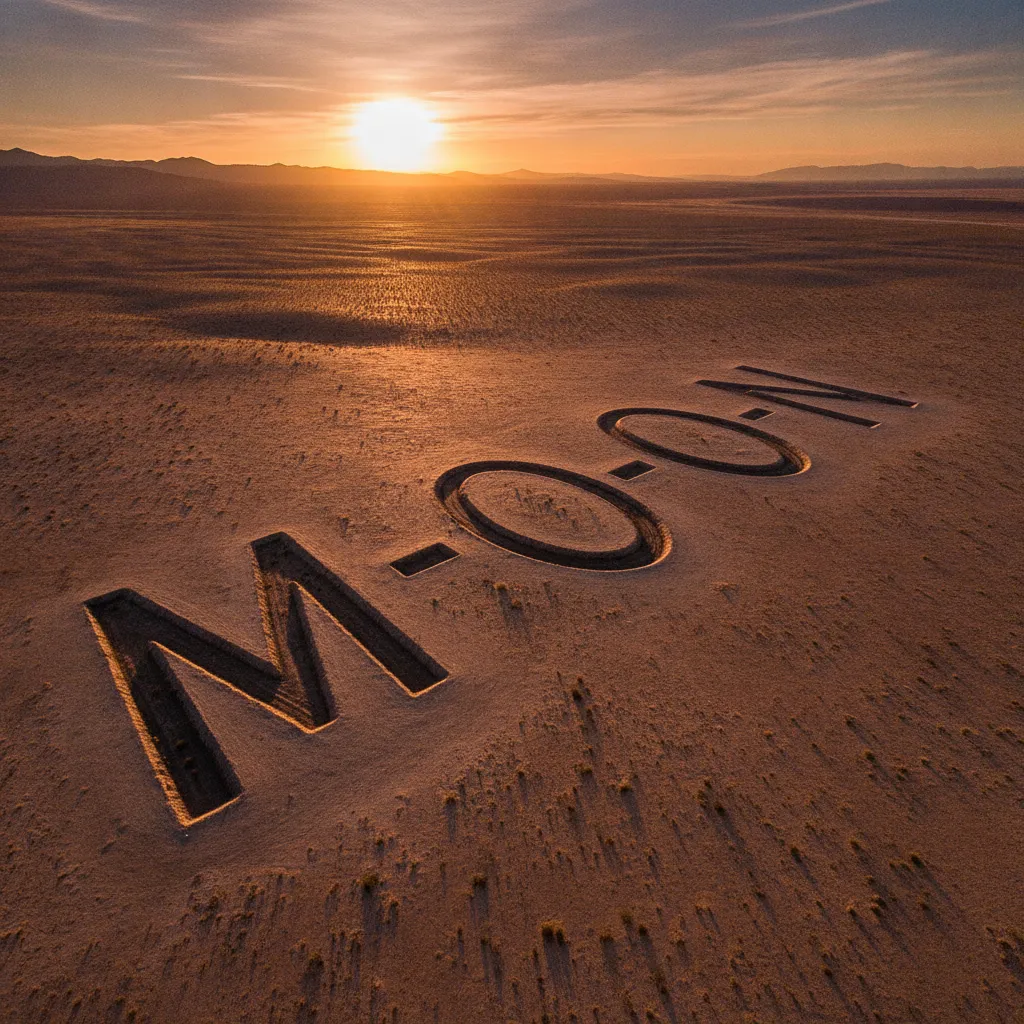
For nearly 30 years, starting in 1965, Williams painstakingly cleared thousands upon thousands of rocks, transforming a remote Nevada valley into a deeply personal message, a quiet tribute to the burgeoning space race, visible only from above. It's a place that whispers tales of dedication, solitude, and a vision so grand it literally changed the face of the earth. If you're ready to uncover one of America's most fascinating and least-known artistic achievements, buckle up, because we're heading deep into the heart of the Silver State's most enigmatic secret.
The Man Who Wrote to the Sky: Richard 'The M-O-O-N Man' Williams
The story of the M-O-O-N Letters begins not with a grand announcement or an art gallery opening, but with a quiet, determined man named Richard Williams. A former mining engineer, Williams possessed a meticulous mind and an undeniable connection to the rugged Nevada landscape. In the mid-1960s, as humanity collectively gazed upwards, captivated by the thrilling race to the moon, Williams found his own unique way to participate in this cosmic dialogue. He chose the earth itself as his canvas, and the sky as his sole audience.
Driven by an unknown blend of artistic impulse, a yearning for solitude, and perhaps a deep-seated fascination with the cosmos, Williams embarked on a project of staggering scale and commitment. For three decades, he toiled under the relentless Nevada sun, not with heavy machinery, but with simple hand tools. He moved rocks, cleared brush, and defined lines, meticulously shaping the vast desert floor into colossal letters. This wasn't a weekend hobby; it was a life's work, a continuous, physically demanding endeavor that demanded unwavering resolve. Imagine the countless hours, the sweat, the sheer physical exertion involved in moving tons of rock, day after day, year after year, with no immediate recognition or applause.
His work was a private conversation between man and landscape, a monumental geoglyph created for the heavens. Williams’ solitary pursuit meant that for years, his art remained a secret, known only to himself and the occasional passing aircraft. It’s this profound sense of personal dedication, divorced from the commercial art world, that makes the M-O-O-N Letters so profoundly moving. It’s art for art’s sake, a legacy left not for museums, but for the wind, the sun, and the occasional curious eye peering down from above.
A Canvas of Crags: What Makes This Land Art So Special?
In a world saturated with fleeting digital images and instant gratification, the M-O-O-N Letters stand as a powerful counterpoint. What makes this hidden destination truly special is its immense scale, its permanence, and the sheer audacity of its creation. Unlike temporary installations, Williams’ work is literally etched into the earth, designed to endure for centuries, perhaps millennia. It's a permanent whisper across the vastness of the Nevada desert, a stark contrast to the fleeting nature of human existence.
The project’s significance also lies in its deliberate invisibility from ground level. This isn’t a roadside attraction; it’s a secret meant to be discovered from an aerial perspective. This intentional design choice elevates the M-O-O-N Letters beyond mere signage, transforming it into a profound piece of land art, akin to the Nazca Lines of Peru, but with a distinctly American, Cold War-era narrative. It speaks to a specific moment in history – the Space Race – and the human desire to connect with something larger than ourselves, even if it means moving mountains, or rather, moving rocks to spell out a celestial body.
Furthermore, the M-O-O-N Letters embody the spirit of the solitary artist, working purely from an inner vision. In an age where art often craves immediate public validation, Williams’ decades of unseen labor offer a powerful reminder of the deep, personal satisfaction that can come from creative expression. It’s a monument to perseverance, to a singular vision, and to the quiet power of one individual to transform an entire landscape. It forces us to reconsider what art can be, and for whom it can be created.
Unearthing the Message: What You'll See (From Above)
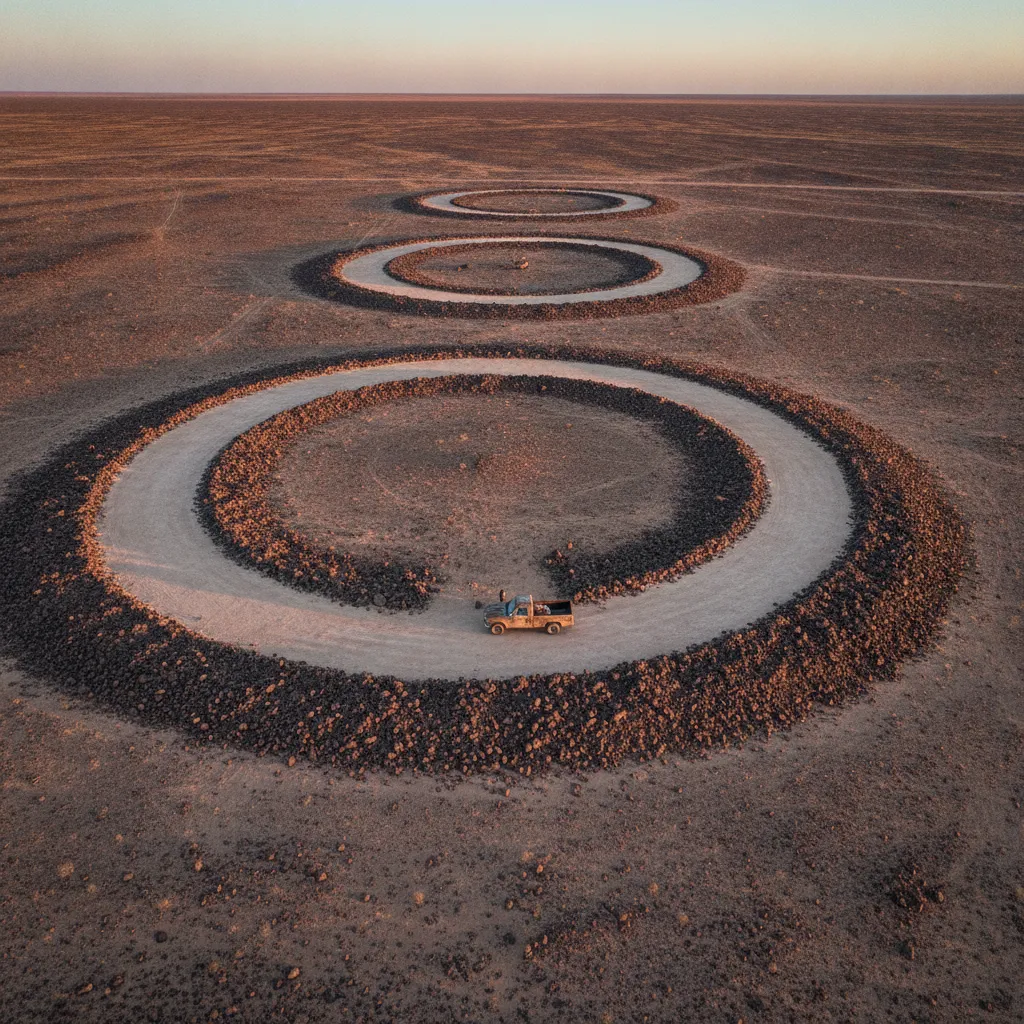
While the M-O-O-N Letters are physically present on the desert floor, experiencing them is all about perspective. From ground level, you’ll largely see a rocky, desolate landscape, perhaps with some subtle disturbances that might hint at a pattern if you know exactly what you’re looking for. However, the true magic unfolds when you gain elevation. From a small plane, a helicopter, or even sophisticated drone footage, the letters snap into breathtaking focus.
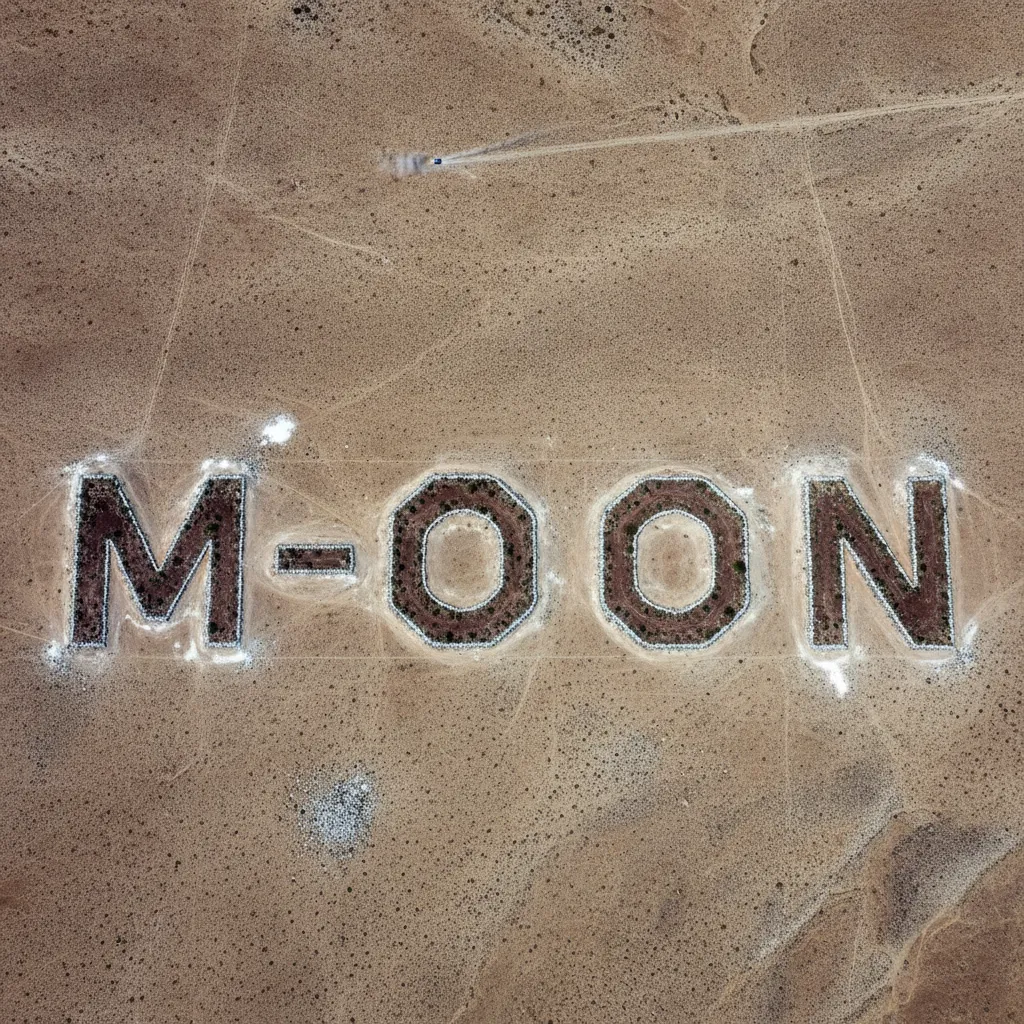
You'll witness the colossal 'M-O-O-N' spelled out with astonishing clarity, each letter stretching hundreds of feet across the terrain. The contrast between the cleared, lighter rock surfaces and the darker, undisturbed desert floor creates a striking visual effect, making the message pop against the rugged backdrop. But the M-O-O-N is not all there is. Williams, ever the meticulous artist, also incorporated other symbols and patterns into his vast desert canvas. These additional glyphs, less widely publicized, add another layer of intrigue and personal symbolism to his grand design, making the entire site a complex, evolving narrative etched into the earth.
For most of us, the most accessible way to "visit" and truly appreciate the scale and artistry of this hidden gem is through satellite imagery. A quick search on Google Earth or Google Maps will allow you to zoom in and explore Williams' masterpiece from the comfort of your home, offering a unique opportunity to witness this secret land art project from the vantage point it was intended for. It's a truly mesmerizing experience to see the decades of effort laid out before you, a silent message from one man to the cosmos.
Planning Your Expedition: Practical Tips for Visiting The M-O-O-N Letters
Visiting the M-O-O-N Letters is not your typical tourist excursion; it requires planning, preparation, and a healthy dose of adventurous spirit. This is a genuinely remote location, far from paved roads and amenities, offering a truly off-the-grid experience.
Getting There (The General Area): The M-O-O-N Letters are located in a very isolated part of Nevada. While exact coordinates are available online (a quick search for "Richard Williams Moon Letters Nevada" will guide you), reaching the general vicinity will likely require a high-clearance, 4x4 vehicle. Be prepared for unpaved, often rough, and unmarked roads. A GPS device with pre-loaded maps is essential, as cell service will be non-existent. Always inform someone of your travel plans and expected return time.
Viewing the Art: As mentioned, seeing the letters clearly requires an aerial perspective.
- Satellite Imagery: The easiest and most accessible way is via Google Earth or Google Maps. This allows for detailed exploration without the logistical challenges of an in-person visit.
- Drone: If you're a skilled drone pilot and respect local regulations (check for airspace restrictions and private land), this could offer a dynamic view. However, the vastness of the area and potential wind conditions make this challenging.
- Small Aircraft/Helicopter: For the ultimate experience, consider chartering a small plane or helicopter from a nearby airport like Las Vegas or Reno. This is the most expensive option but provides the most dramatic and comprehensive view.
- From the Ground: While you can drive to the area, don't expect to see the letters clearly from ground level. You might discern subtle changes in topography or faint lines, but the grand design will remain hidden.
Safety and Preparedness: The Nevada desert is beautiful but unforgiving.
- Water: Carry significantly more water than you think you'll need.
- Fuel: Ensure your vehicle has a full tank and consider carrying extra fuel. There are no gas stations for miles.
- Supplies: Pack food, a first-aid kit, sun protection (hat, sunscreen), sturdy shoes, and layers of clothing for temperature fluctuations.
- Navigation: A reliable GPS, paper maps, and a compass are crucial. Do not rely solely on your phone.
- Leave No Trace: This is an untouched natural environment and a unique piece of art. Pack out everything you pack in. Do not disturb the letters or the surrounding landscape.
Best Time to Visit: The shoulder seasons (spring and fall) offer the most pleasant temperatures for desert exploration. Summer can be brutally hot, and winter, while milder, can still bring cold snaps and unpredictable weather. Early morning or late afternoon light can also enhance the visibility of the letters from the air.
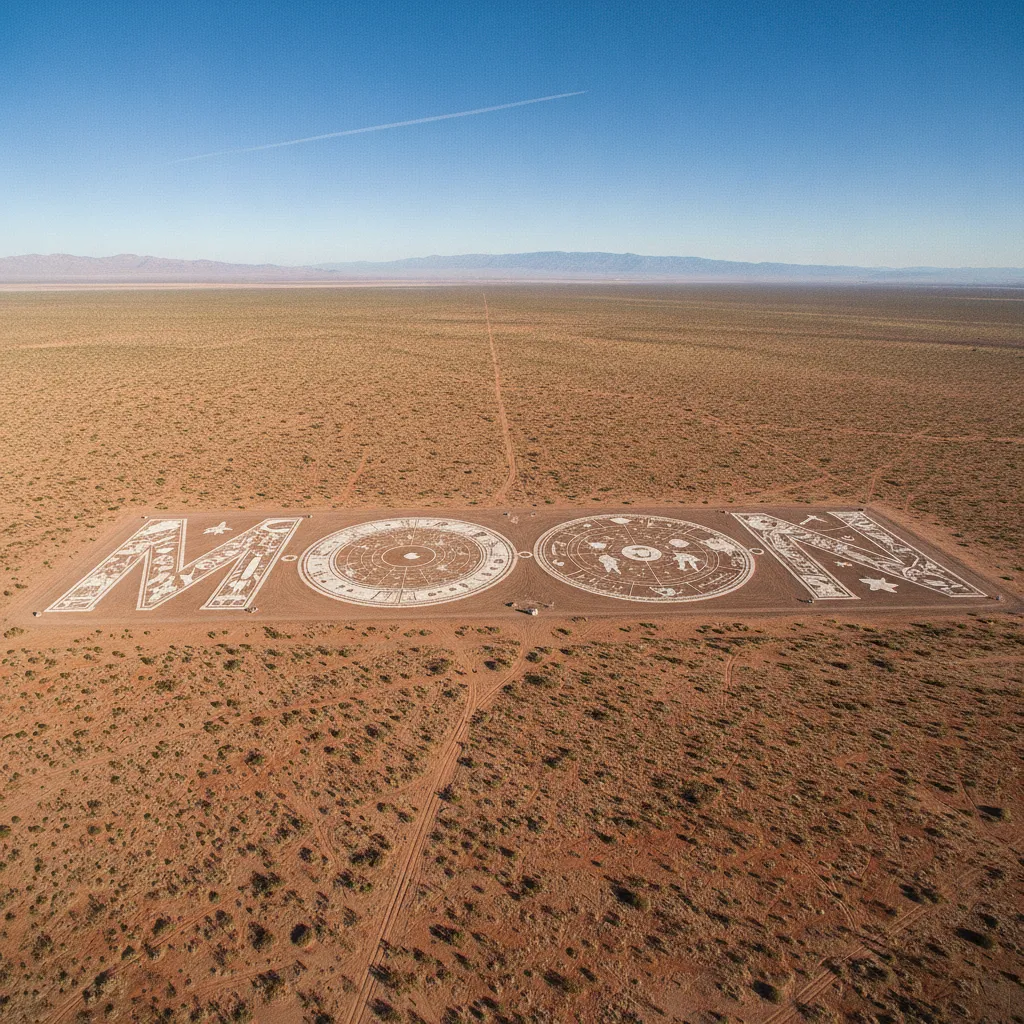
The M-O-O-N Letters are more than just a large-scale artwork; they are a testament to human ingenuity, perseverance, and the profound connection one man forged with the earth and the cosmos. Whether you embark on a virtual journey via satellite or brave the desert to witness its subtle grandeur from a unique vantage point, Richard Williams' legacy offers a truly unforgettable experience. It's a reminder that sometimes, the most extraordinary wonders are hidden in plain sight, waiting for us to look up, or in this case, look down, and discover the magic.
Essential Travel Information
- Location The M-O-O-N Letters, USA
- Best Time Spring (March-May) and Fall (September-November) for cooler temperatures.
- Getting There Requires a high-clearance 4x4 vehicle for ground access to the general area. Best viewed from satellite imagery (Google Earth), drone, or chartered small aircraft/helicopter.
- Airport McCarran International Airport (LAS), Las Vegas, Nevada
- Budget Mid-range/Luxury (if chartering aircraft) with approximate daily cost of $500-$1500; Budget (if self-driving and viewing virtually) with approximate daily cost of $50-$100 for fuel/supplies.
- Language English
Find Places to Stay Near The M-O-O-N Letters
Compare hotels, hostels, and unique stays in USA.
Search AccommodationTours & Experiences Near The M-O-O-N Letters
Book guided tours, day trips, and unique experiences.
Browse Tours