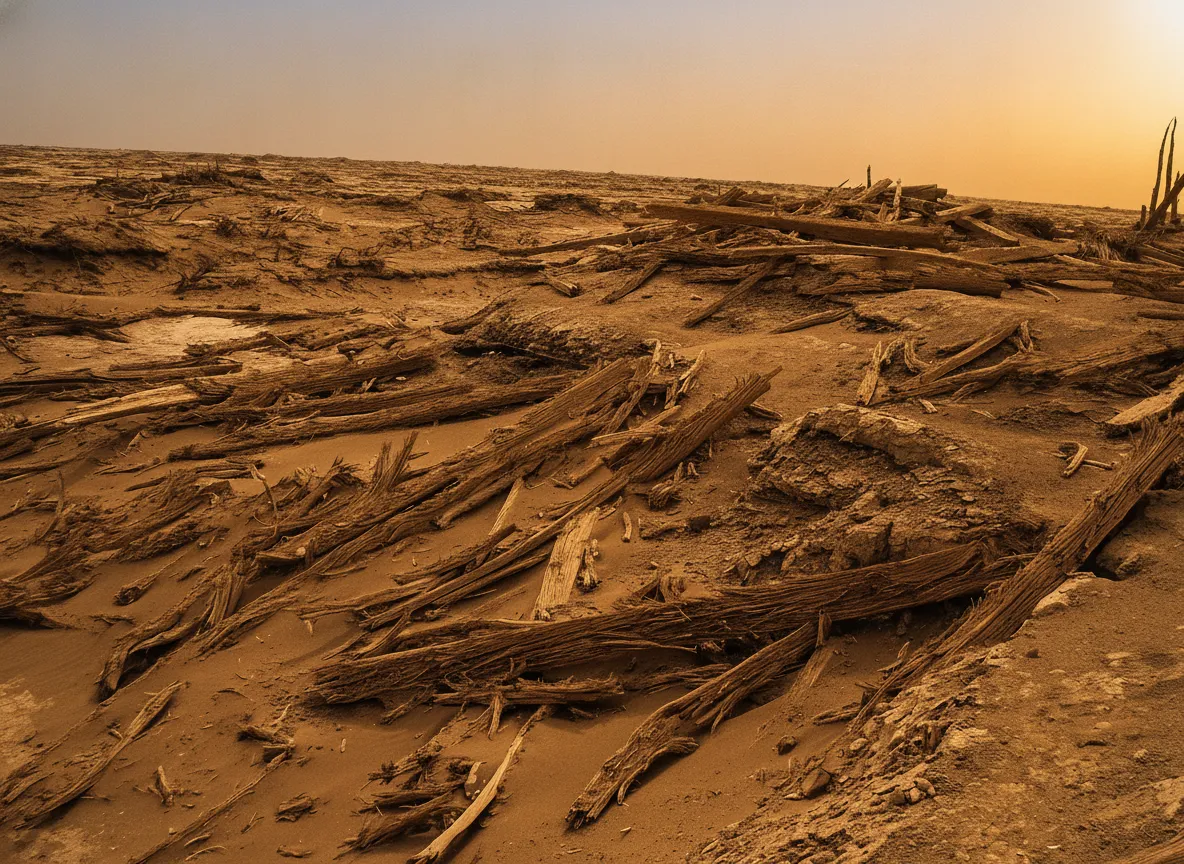
For centuries, the Lop Nur basin was known as the "Wandering Lake," a vast, shifting body of water that played a crucial role in the ecosystems and trade routes of ancient Central Asia. Today, it's one of Earth's most desolate and enigmatic regions, a testament to dramatic climate change and human impact. But beneath its endless dunes, something truly extraordinary awaits discovery: entire forests of poplar trees, not petrified into stone, but remarkably preserved, their wood still intact, their forms still recognizable, as if frozen mid-stride by a forgotten spell.
What Makes the Mummified Forests of Lop Nur So Special?
The term "mummified" isn't a poetic flourish here; it's a precise description of the incredible natural process at play. Unlike petrified wood, where organic material is replaced by minerals over millions of years, the Lop Nur poplars have retained their original woody structure. They are, quite literally, dried out and preserved by the extreme aridity of the Taklamakan Desert, one of the driest non-polar deserts on Earth. Some of these silent sentinels are estimated to be thousands of years old, having stood guard over a landscape that once teemed with life before succumbing to the desert's embrace.
What truly elevates these forests from mere geological curiosities to a phenomenon of profound wonder is their dynamic interplay with the desert itself. Periodically, the relentless winds and shifting sands of the Taklamakan reveal these ancient groves, only to rebury them again, sometimes for centuries. This cyclical dance of exposure and concealment adds to their mystique, making each sighting a rare and privileged glimpse into a forgotten past. When the dunes recede, the skeletal forms of these poplars emerge, their branches twisted into haunting sculptures, their trunks often standing upright, rooted in soil that was once a lakebed. They offer a tangible connection to a time when Lop Nur was a vital oasis, a green heart in the vast arid expanses traversed by the Silk Road caravans.
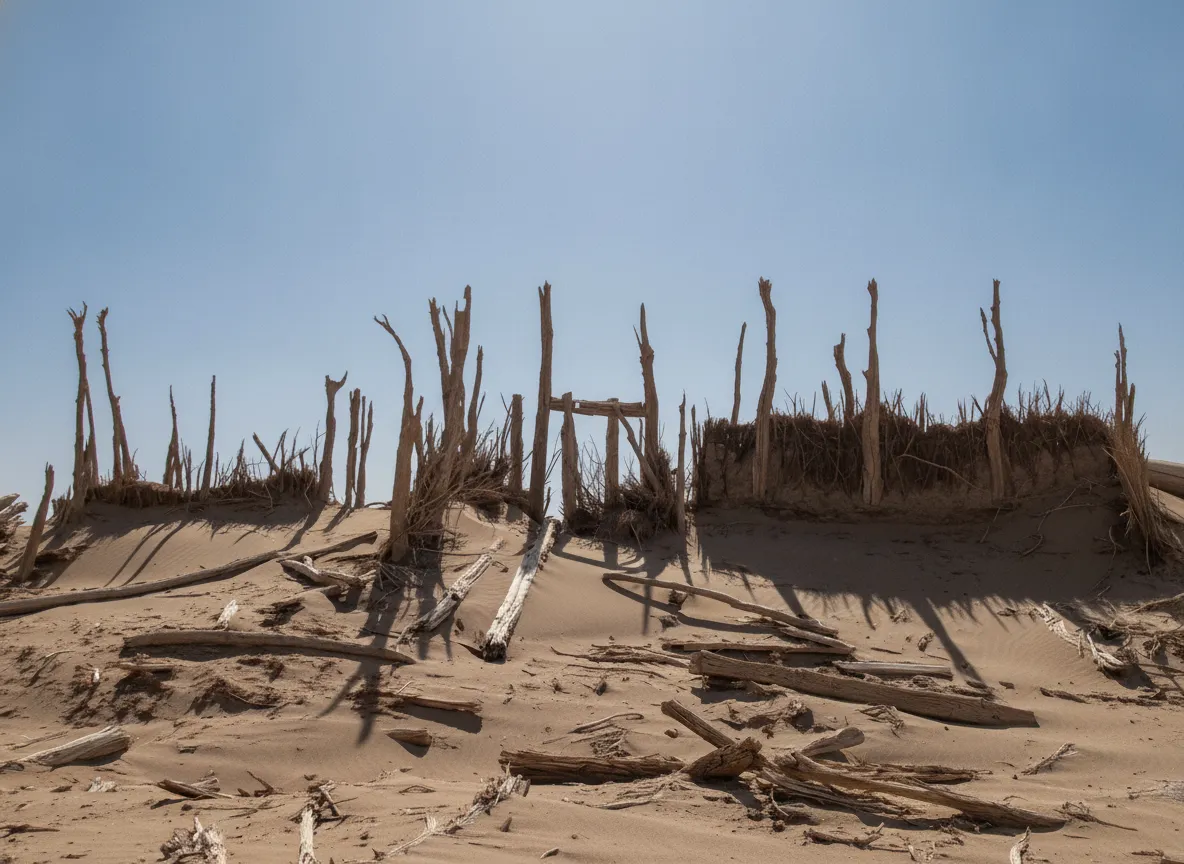
These aren't just dead trees; they are time capsules. Scientists studying the mummified wood can glean insights into ancient climates, past ecosystems, and the exact species of trees that thrived here. For the intrepid explorer, they are silent witnesses to the rise and fall of civilizations, standing as a stark reminder of nature's power and the fragility of life in extreme environments.
A Glimpse into a Lost World: History and Background
To understand the Mummified Poplar Forests, one must first understand Lop Nur. For millennia, this vast, shallow lake was a geographical enigma, its waters "wandering" across the basin, fed by the Tarim River and other tributaries. Ancient maps struggled to pin it down, and its shifting shores provided a lifeline for countless species and, crucially, for the travelers and traders of the Silk Road. Oases like Loulan, once a thriving city-state, flourished on its banks, supported by the very poplars whose mummified remains we see today.
The poplars (Populus euphratica) were not just trees; they were the backbone of the oasis ecosystem. Their deep roots tapped into underground water sources, stabilizing the soil and providing shade, wood, and fodder. They were vital markers for travelers, guiding them across the formidable desert. But the 20th century brought dramatic changes. Increased upstream irrigation for agriculture and industrial projects, coupled with natural climate shifts, gradually starved Lop Nur of its water. By the early 1970s, the lake had completely dried up, leaving behind a vast, salt-encrusted wasteland, a stark testament to desertification.
As the waters receded, the once-submerged or water-fed poplar forests were exposed to the brutal sun and winds. Instead of decaying, the extreme aridity and high salinity of the soil acted as natural desiccants, preserving the wood in a remarkable state. The desert, which had once been held at bay by the lake's bounty, now became the ultimate preserver, locking away these ancient trees in its sandy embrace. The Mummified Poplar Forests are thus a poignant memorial to a lost landscape, a natural archive of a time when the heart of Central Asia beat with a different rhythm.
Journey to the Ghostly Groves: What to Expect
Venturing into the Mummified Poplar Forests is not a casual stroll; it's an expedition into one of the most remote and challenging environments on Earth. The journey itself is an integral part of the experience, a true test of endurance and preparation. As you travel deeper into the Taklamakan, the landscape transforms into an endless expanse of towering sand dunes, their crests sharp as razor blades, their slopes sculpted by the wind into mesmerizing patterns. The silence is profound, broken only by the whisper of the wind or the crunch of tires on sand.
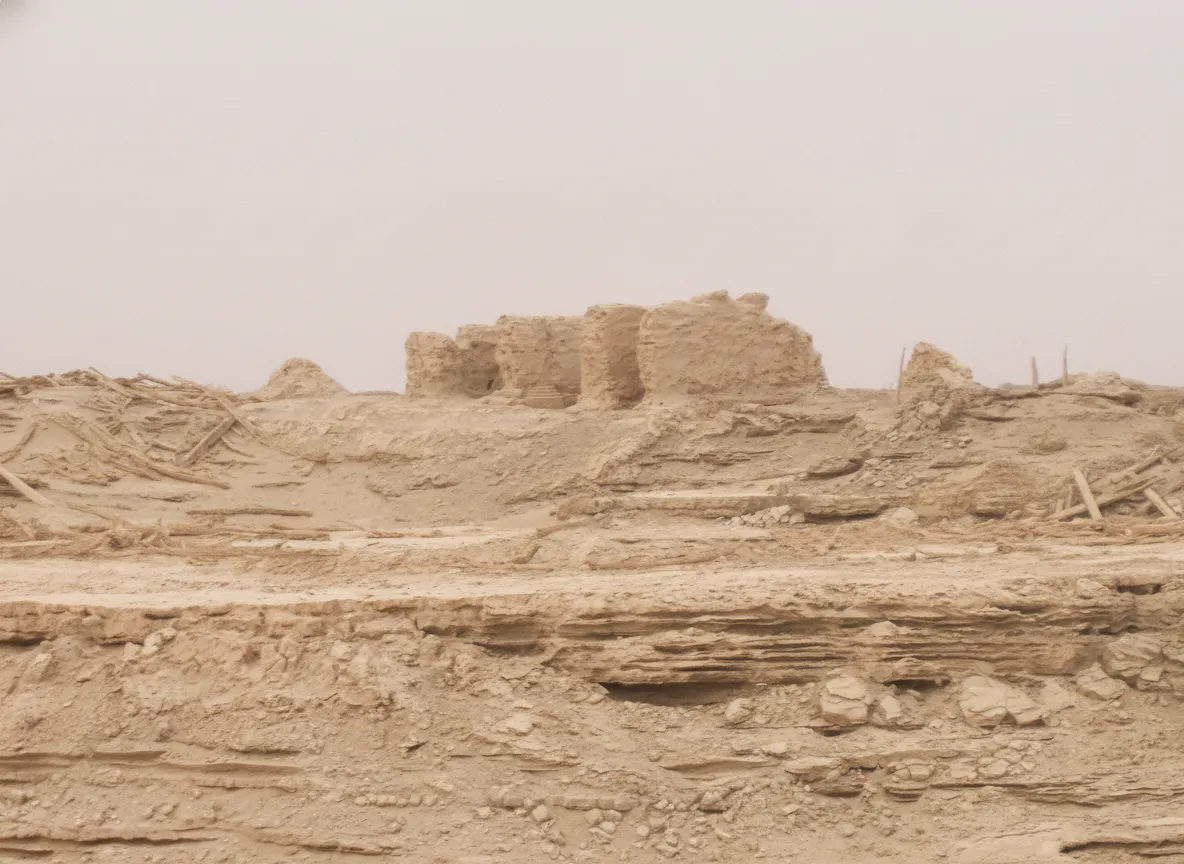
When the mummified forests finally come into view, it's an almost surreal experience. They appear as shadowy figures on the horizon, gradually resolving into individual trees, some standing tall, others fallen and half-buried, their gnarled branches reaching towards the sky like skeletal arms. The wood itself, stripped of bark and moisture, takes on an almost metallic sheen in the harsh desert light, ranging in color from pale grey to deep reddish-brown. The ground around them is often cracked and salty, remnants of the ancient lakebed, adding to the eerie, otherworldly atmosphere.
Walking among these ancient sentinels is like stepping onto another planet, or perhaps into a forgotten dream. The air is dry and still, the silence broken only by your own footsteps. Each tree tells a story of survival, of a landscape transformed. You'll see patterns in the wood, evidence of ancient growth rings, and perhaps even feel the coarse, dry texture of wood that has defied decay for millennia. It's a place that evokes deep contemplation, a sense of humility in the face of nature's power, and an awe-inspiring connection to a truly ancient past. The sheer scale of the desert, combined with the haunting beauty of the mummified trees, creates an indelible memory, a profound encounter with the extraordinary.

Planning Your Expedition: Practical Visit Tips
Let's be clear: visiting the Mummified Poplar Forests of Lop Nur is not akin to booking a standard tourist package. This is an extreme expedition into a highly restricted and environmentally sensitive area. Access is severely limited, requiring special government permits from multiple authorities in China, and typically involves significant logistical planning and expense.
Permits and Guides: The absolute first step is securing official permission. This almost invariably means joining a specialized expedition organized by experienced tour operators who have established relationships with local authorities and a deep understanding of the region's regulations and challenges. Independent travel into Lop Nur is virtually impossible and highly discouraged due to the extreme danger and restricted access. You will need a licensed guide and a robust 4x4 vehicle equipped for deep desert travel.
Best Time to Visit: The Taklamakan Desert experiences extreme temperatures. Spring (April-May) and Autumn (September-October) offer the most tolerable conditions, with daytime temperatures still high but less scorching than summer, and nighttime temperatures significantly cooler. Winters are bitterly cold.
Getting There: The primary starting points for expeditions are typically major cities in Xinjiang, such as Urumqi or Korla. From there, you'll embark on a multi-day overland journey into the desert. The nearest operational airports are Urumqi Diwopu International Airport (URC) or Korla Airport (KRL). Be prepared for long drives over challenging terrain.
What to Bring: This is a self-sufficient expedition. You'll need ample water (far more than you think), high-energy food, sun protection (hat, sunglasses, high-SPF sunscreen), layers of clothing for extreme temperature swings, a first-aid kit, communication devices (satellite phone), and emergency supplies. Your expedition team will provide most of the heavy gear, but personal items are crucial. Expect no infrastructure, no shops, and no mobile phone reception once you're deep in the desert.
Budget: Due to the specialized permits, vehicles, experienced guides, and extensive logistical support required, an expedition to Lop Nur falls firmly into the 'Luxury' or 'Expedition' budget category. This is not a budget-friendly destination, but the unparalleled experience it offers is, for many, priceless.
The Mummified Poplar Forests of Lop Nur are more than just a destination; they are a profound journey into the heart of Earth's ancient history and a powerful testament to nature's enduring, sometimes eerie, beauty. For those privileged enough to witness them, they offer a haunting, unforgettable glimpse into a world both lost and miraculously preserved.
Essential Travel Information
- Location The Mummified Poplar Forests of Lop Nur, China
- Best Time Spring (April-May) and Autumn (September-October)
- Getting There Requires special government permits and a specialized 4x4 expedition with experienced guides, typically starting from Urumqi or Korla. Independent travel is not possible.
- Airport Urumqi Diwopu International Airport (URC), Korla Airport (KRL)
- Budget Luxury/Expedition (approx. $1000-$3000+ per day, highly variable based on expedition length and inclusions)
- Language Mandarin Chinese, Uyghur
Find Places to Stay Near The Mummified Poplar Forests of Lop Nur
Compare hotels, hostels, and unique stays in China.
Search AccommodationTours & Experiences Near The Mummified Poplar Forests of Lop Nur
Book guided tours, day trips, and unique experiences.
Browse Tours