The Timeless Symphony of Hama's Norias: What Makes Them Special
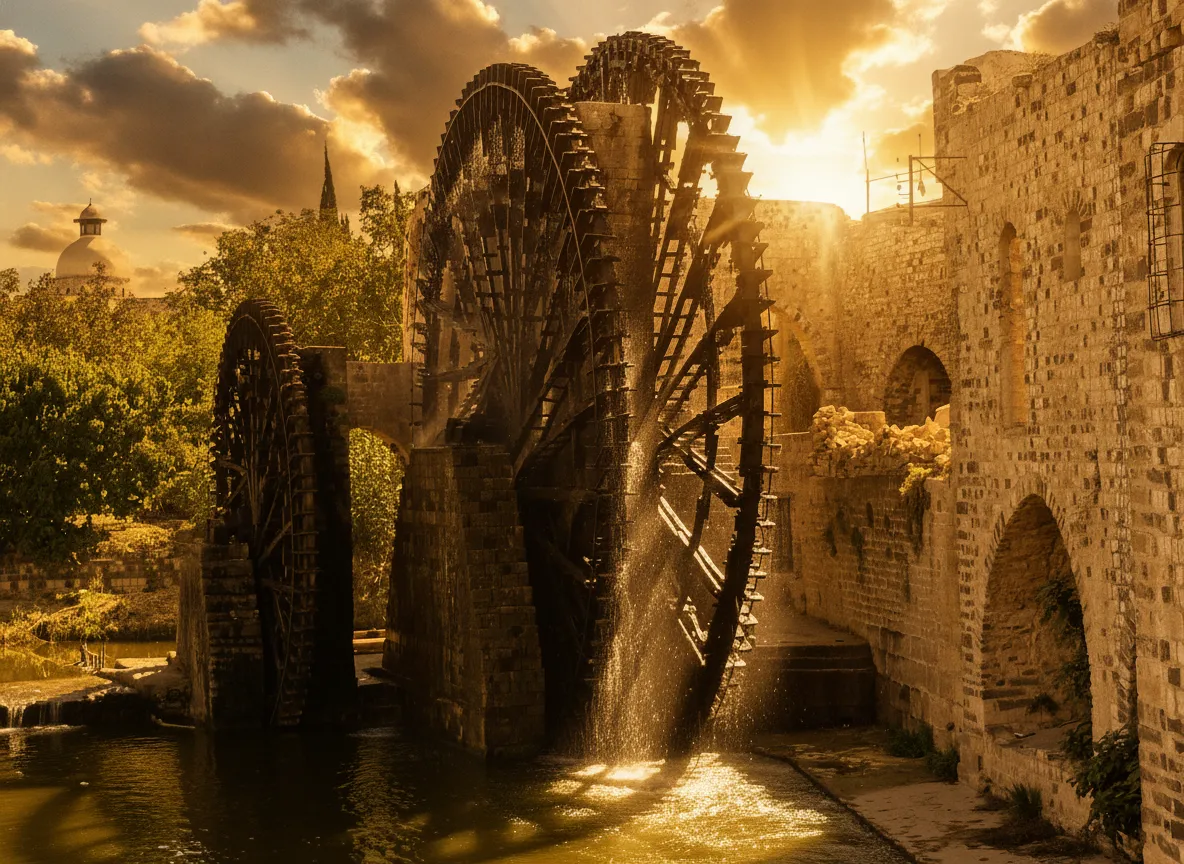
Step onto the banks of the Orontes River in Hama, and you're immediately enveloped in a sensory experience unlike any other. The air vibrates with a deep, resonant hum, punctuated by the rhythmic creak of massive wooden gears and the gentle splash of water. This is the soundtrack of Hama, orchestrated by its iconic Norias. These aren't merely historical relics; they are living, breathing monuments, some dating back to the 12th century, still performing their ancient task with timeless elegance.
What makes the Norias of Hama truly special is their colossal scale and enduring functionality. Imagine wheels, often over 20 meters (65 feet) in diameter, built entirely from local wood – sycamore, poplar, and walnut – turning majestically without any external power source beyond the river's current. Each revolution sees hundreds of wooden buckets scoop water from the Orontes, lifting it to incredible heights before depositing it into ancient aqueducts. These aqueducts, in turn, channel the life-giving water throughout the city, supplying gardens, mosques, hammams, and homes, just as they have for centuries.
It's a breathtaking demonstration of sustainable engineering, a stark contrast to our modern reliance on complex machinery. The Norias are a testament to the sophisticated knowledge and craftsmanship of medieval Islamic civilization. They represent not just a technological achievement, but a profound cultural identity. For the people of Hama, the Norias are more than just water pumps; they are the heart and soul of their city, a symbol of resilience, continuity, and an unbreakable link to their ancestors. Their mournful, melodic groans are often referred to as the "song of the Norias," a comforting, familiar sound that defines Hama's unique character.
Whispers of Ages: A Glimpse into Their History and Background
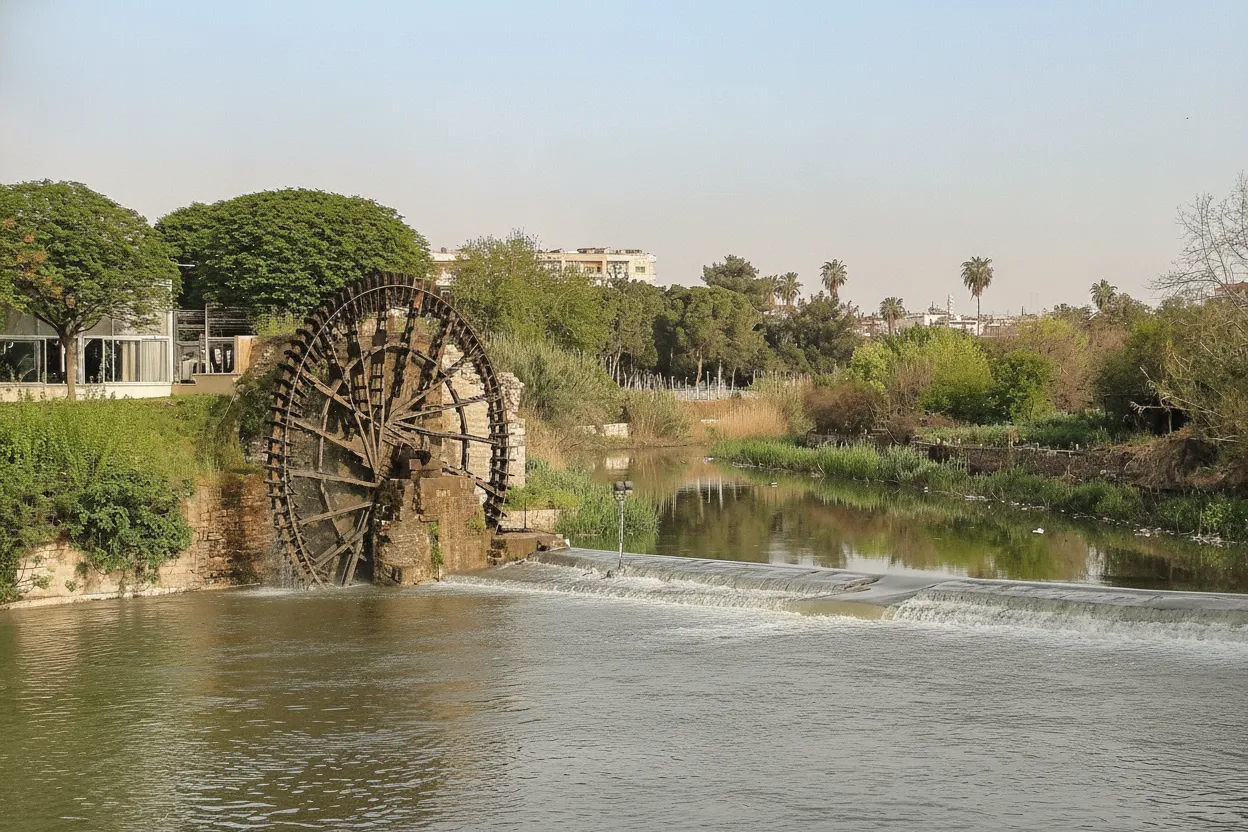
The story of the Norias in Hama stretches back well over a millennium. While some sources suggest earlier Roman or Byzantine origins for water-lifting devices in the region, the grand wooden Norias we see today are largely a product of the Islamic Golden Age. The earliest known mention of Norias in Hama dates to the 4th century CE, but their golden age flourished under the Ayyubid and Mamluk dynasties, particularly from the 12th to the 14th centuries. It was during this period that many of the largest and most impressive wheels were constructed or significantly rebuilt, designed to support the burgeoning agricultural lands around Hama and to provide a consistent water supply for its growing urban population.
These medieval engineers were masters of their craft. The construction of a Noria was an immense undertaking, requiring vast quantities of durable timber, precise carpentry, and an understanding of hydraulics. Local artisans, whose skills were passed down through generations, would meticulously carve the massive wooden gears, spokes, and buckets. The wheels were often built on stone foundations, anchored securely to withstand the river's flow and the immense forces generated by their rotation.
Over the centuries, the Norias have faced numerous challenges – floods, conflicts, and the relentless march of time. Yet, many have been continuously maintained, repaired, and even rebuilt, ensuring their survival. They are a living archive of technological evolution, adapting and enduring. Originally, Hama boasted over 100 Norias, though today around 17 of the most significant ones remain, carefully preserved and still functioning, serving as a powerful reminder of a time when human ingenuity worked in harmony with nature to shape civilizations.
What You'll See and Experience There
Visiting the Norias of Hama is an immersive journey into a bygone era. Your exploration will likely begin with a stroll along the tree-lined banks of the Orontes River, which gracefully meanders through the heart of the city. As you walk, the distinctive sound of the Norias will grow louder, drawing you towards these colossal structures.
You'll encounter different Norias, each with its own character and size. Some are modest, while others are truly monumental. The Noria al-Mohammediya, for instance, is one of the largest and most famous, its immense structure dominating the riverbend. Stand beneath it, and you'll feel dwarfed by its sheer scale, its wooden gears groaning softly as water cascades from its buckets into the waiting aqueducts overhead. The sight of these ancient wooden machines, turning tirelessly, is mesmerizing.
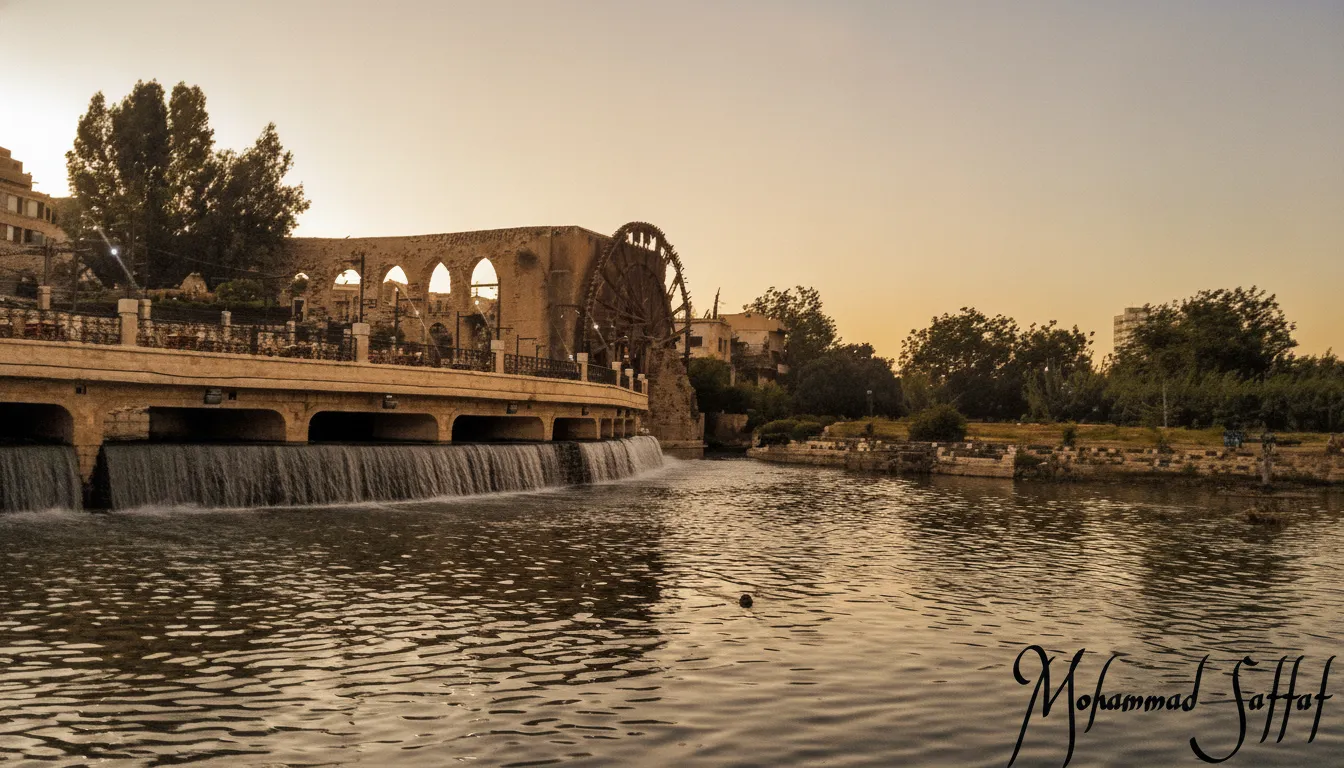
Beyond the individual wheels, observe the intricate system of aqueducts that snake through the city, often elevated on elegant stone arches, carrying the water to various neighborhoods. Imagine the vital role this network played in sustaining life and culture in ancient Hama. The Norias aren't just isolated structures; they are part of a larger, integrated system that defined the city's urban planning and daily life for centuries.
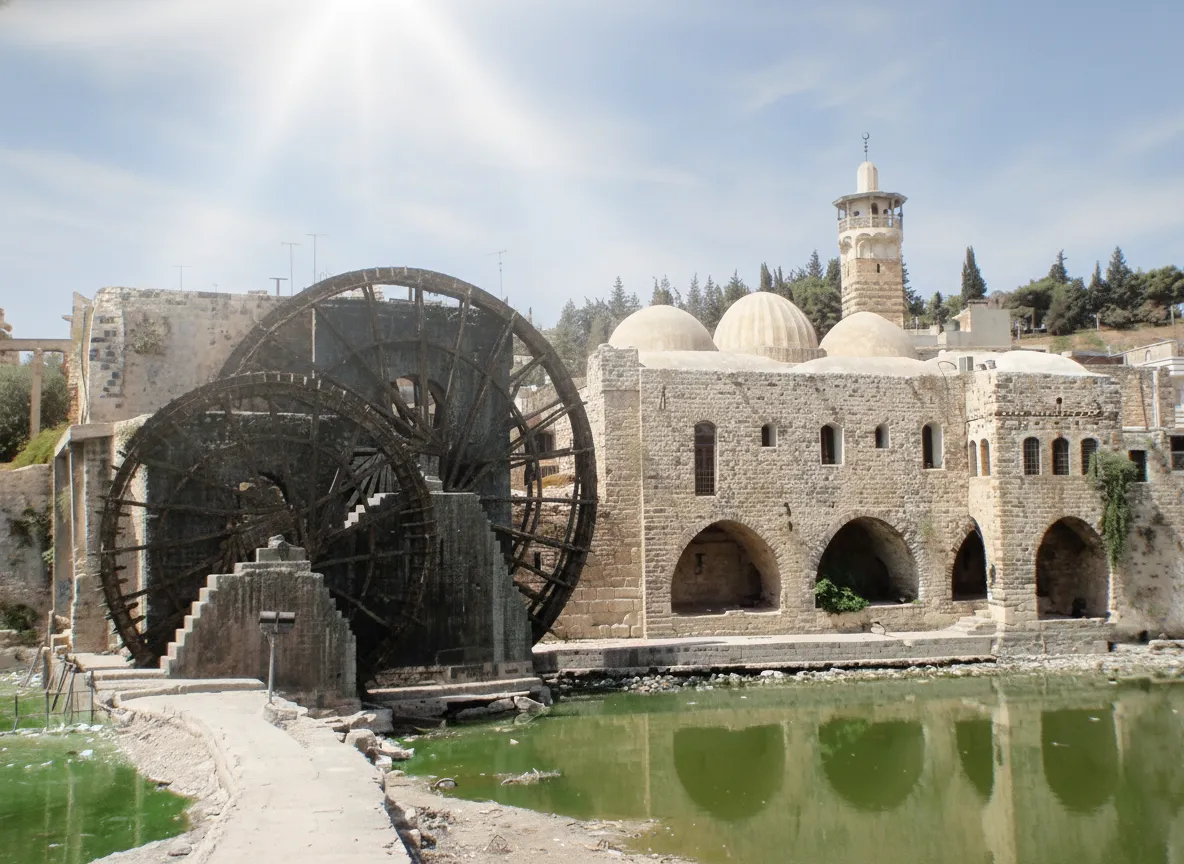
Take your time to simply sit and absorb the atmosphere. The Norias provide a unique backdrop to local life. You'll see families picnicking nearby, children playing, and vendors selling their wares. The air is often filled with the aroma of jasmine and local cuisine. The Norias are not cordoned off behind museum ropes; they are an integral, vibrant part of Hama's daily rhythm, a living heritage that continues to shape the city's pulse.
For photographers, the Norias offer endless opportunities. Capture the intricate details of the weathered wood, the spray of water, the dramatic scale against the sky, or the way they glow golden during sunrise or sunset. Each angle tells a different story of resilience and beauty. Don't forget to look for the smaller details too – the moss growing on the ancient stones, the birds nesting in the wooden spokes, adding to the timeless charm of the scene.
Practical Visit Tips for Aspiring Travelers
While the current geopolitical situation in Syria presents challenges for international travel, the Norias of Hama remain a beacon of hope and a testament to enduring heritage, a destination to aspire to visit when conditions allow for safe and stable tourism.
When the time is right, and you can safely plan a trip to this incredible region, here are some practical tips:
- Best Time to Visit: The spring (April-May) and autumn (September-October) offer the most pleasant weather for exploring Hama. Temperatures are mild, and the city is often at its most vibrant. Summers can be very hot, and winters can be chilly and rainy.
- Getting There: Hama is centrally located in Syria and is typically accessible by road from major cities like Damascus and Aleppo. Once in Hama, the Norias are concentrated along the Orontes River, making them easily walkable from most parts of the city center. Local taxis or shared vans (servees) are also available.
- Getting Around: The best way to experience the Norias is on foot. Strolling along the riverbanks allows you to appreciate their scale, listen to their unique sounds, and discover different viewpoints. The old city of Hama, with its traditional souqs and architecture, is also best explored on foot.
- Respect Local Culture: Syria is a conservative country. Dress modestly, especially when visiting religious sites. Women should carry a headscarf for mosque visits. Always ask permission before taking photos of people. Engaging with locals, even through simple gestures, can be very rewarding.
- Safety and Awareness: Before planning any trip, consult your government's travel advisories. When conditions are safe, always stay informed about local regulations and respect any guidance from authorities or local hosts. Travel with a reputable tour operator if possible, who can provide up-to-date information and ensure a smooth experience.
- Local Experiences: Beyond the Norias, explore Hama's bustling souqs, try traditional Syrian cuisine (don't miss the local sweets and falafel!), and visit other historical sites like the Azem Palace. Engage with the local community; their warmth and hospitality are legendary.
The Norias of Hama are more than just ancient machines; they are a living legacy, a breathtaking fusion of history, engineering, and culture. They stand as a powerful reminder of humanity's ability to create beauty and utility in harmony with nature. When the world reopens its doors to this extraordinary corner, Hama and its singing waterwheels will undoubtedly be waiting, ready to share their timeless story with those who seek wonder.
Essential Travel Information
- Location The Norias of Hama, Syria
- Best Time Spring (April-May) and Autumn (September-October) for mild weather.
- Getting There Hama is accessible by road from major Syrian cities like Damascus and Aleppo. Once in Hama, the Norias are easily found along the Orontes River, walkable from most parts of the city center.
- Airport Damascus International Airport (DAM)
- Budget Budget to Mid-range (approx. $50-100 USD daily for accommodation, food, and local transport, subject to current conditions and availability).
- Language Arabic
Find Places to Stay Near The Norias of Hama
Compare hotels, hostels, and unique stays in Syria.
Search AccommodationTours & Experiences Near The Norias of Hama
Book guided tours, day trips, and unique experiences.
Browse Tours