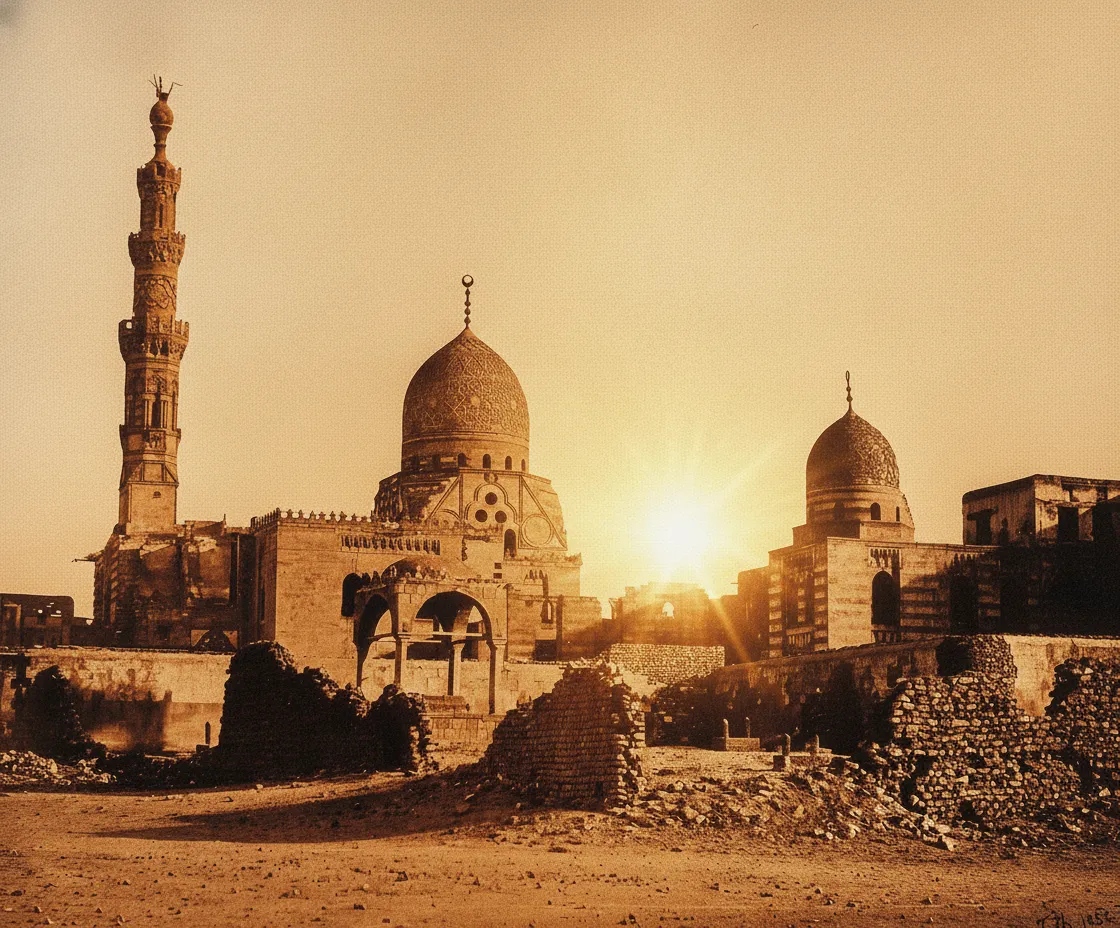
Imagine a bustling, living city where the living have built their homes and lives directly within a sprawling necropolis, creating a vibrant, utterly unique community among the ornate tombs of the departed. This isn't a scene from a fantastical novel; it's the profound reality of Cairo's Northern Cemetery, known locally as Al-Qarafa, or the "City of the Dead." Step with me into a place where the veil between worlds thins, where the past isn't just remembered but actively lived within, creating an urban landscape unlike anything you've ever encountered. Prepare to have your perceptions of life, death, and community utterly transformed.
The Living Tapestry of Al-Qarafa: Where Life Embraces Eternity
For centuries, a significant portion of Cairo's population has called the Northern Cemetery home. This isn't just a temporary shelter; it's a deeply rooted community where families have lived for generations, adapting mausoleums into multi-room dwellings, opening shops, and establishing schools within its vast expanse. It’s a testament to human resilience and adaptation, a vibrant urban ecosystem where the line between life and death blurs into a cohesive, functioning society. The sheer ingenuity of transforming ancient burial chambers into cozy living spaces, complete with electricity and running water, is nothing short of astonishing. Children play hide-and-seek among towering Mamluk tombs, vendors hawk their wares from makeshift stalls, and the aroma of freshly baked bread mingles with the scent of ancient stone – it's a symphony of life playing out in the most unexpected of settings.
What makes Al-Qarafa truly special isn't just its unique architecture or its paradoxical existence; it's the spirit of its people. Despite the challenges, residents here have forged a strong sense of community, a shared identity rooted in their extraordinary environment. They are the custodians of history, living amongst the legacies of sultans, scholars, and ordinary Cairenes. This isn't a place of sorrow or gloom; it's a place of tenacious life, where the stories of the departed are woven into the daily routines of the living.
A Glimpse into History: The Roots of a Living Necropolis
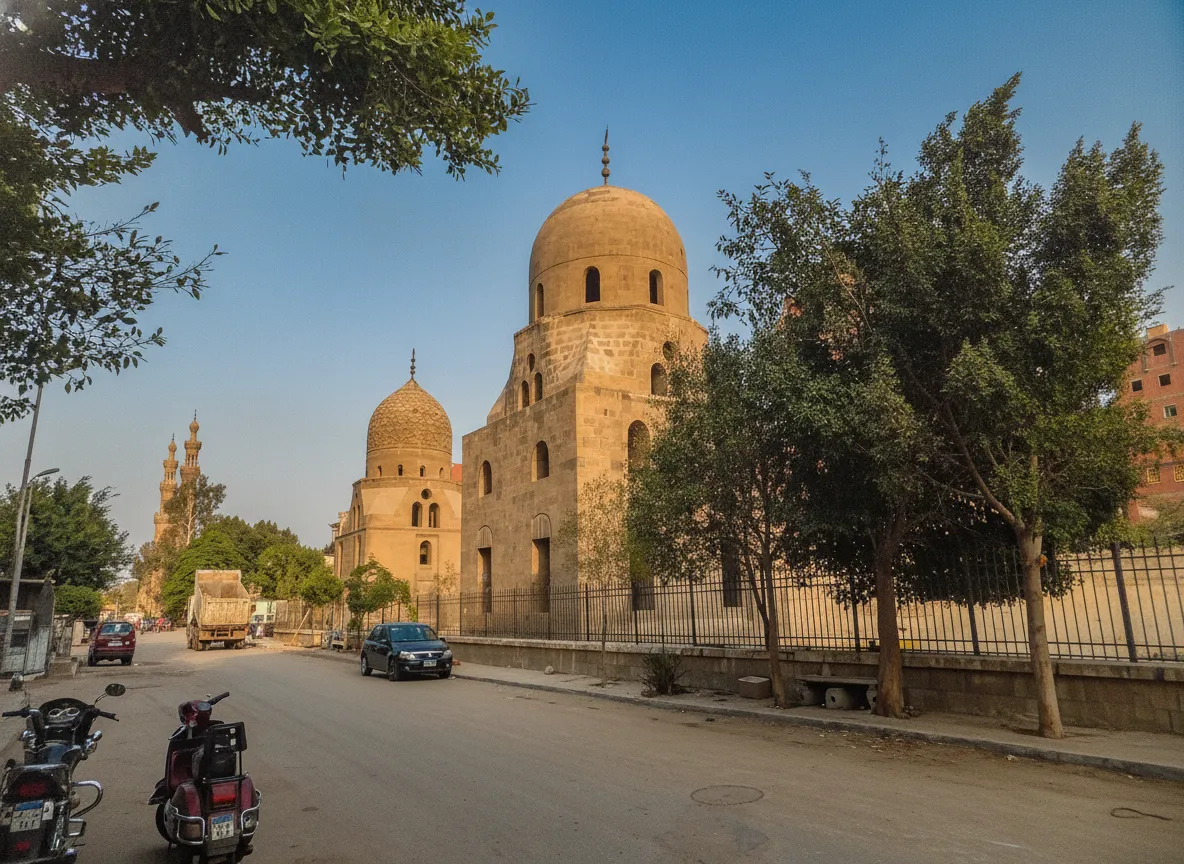
The history of Cairo's Northern Cemetery is as rich and complex as the city itself. Its origins trace back to the early Islamic period, becoming a significant burial ground for Cairo's elite, including sultans, emirs, and respected religious figures, particularly during the Mamluk and Ottoman eras. Elaborate mausoleums, mosques, and hospices were constructed, making it a sprawling city of monumental architecture dedicated to the dead.
So, how did it become home to the living? The reasons are multifaceted, primarily driven by Cairo's rapid population growth and persistent housing shortages over centuries. As the city expanded, the cemetery, with its existing structures offering shelter and its vast open spaces, became an increasingly viable option for those seeking affordable accommodation. Early inhabitants might have been caretakers of the tombs, expanding their presence over time. By the mid-20th century, and particularly after the 1967 and 1973 wars which displaced many, the trickle turned into a stream, and then a torrent, of people seeking refuge and a new life within the ancient walls.
These new residents didn't just squat; they adapted. They partitioned mausoleums, built extensions, and established the infrastructure of a functioning neighborhood. Over generations, the Northern Cemetery evolved from a mere burial ground into a vibrant, self-sufficient community, with its own unique social structures, economy, and traditions. It's a living archive of Cairo's history, where the layers of time are visible in every tomb and every dwelling.
Wandering Through the City of the Dead: What You'll Encounter
A visit to the Northern Cemetery is an immersive, sensory experience unlike any other. It’s a place of striking contrasts, where ancient grandeur meets everyday reality. As you navigate the narrow alleys, you'll be greeted by the sight of ornate Mamluk domes and minarets towering over simple, brightly painted homes. You might hear the distant call to prayer mingling with the laughter of children playing football, or the rhythmic clang of a blacksmith’s hammer from a workshop set up in a former tomb chamber.
You’ll see laundry lines strung between centuries-old monuments, satellite dishes perched precariously on ancient domes, and small storefronts selling everything from groceries to freshly baked bread. Keep an eye out for the intricate carvings and calligraphies on the tombs, some of which are masterpieces of Islamic art. You might stumble upon a small, bustling market, or a quiet tea shop where locals gather to chat. The air is thick with the aroma of spices, freshly brewed tea, and occasionally, incense from a nearby shrine.
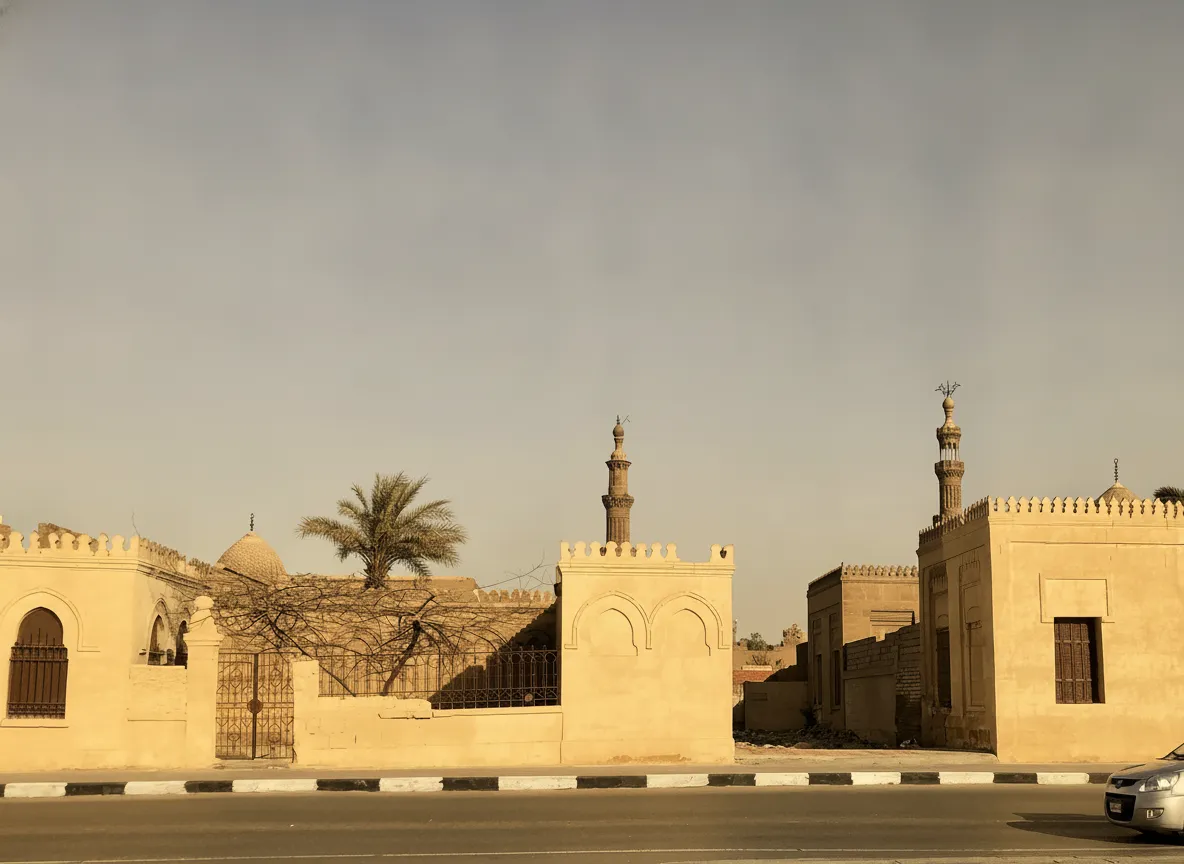
The true magic, however, lies in the interactions. Residents are often friendly and welcoming, curious about visitors who venture into their unique world. You'll witness their daily lives unfolding – women gossiping outside their homes, men repairing motorbikes, children dashing through the labyrinthine passages. It's a humbling experience, offering a profound insight into the resilience of the human spirit and the extraordinary ways communities adapt and thrive against all odds.
Practical Tips for Your Journey to Al-Qarafa
Visiting the Northern Cemetery is a privilege, and approaching it with respect and cultural sensitivity is paramount. This is not merely a tourist attraction; it is a living community and a sacred burial ground. Here’s how to ensure a meaningful and respectful visit:
Go with a Guide: This is perhaps the most crucial tip. Exploring Al-Qarafa independently is not recommended. A local, reputable guide not only ensures your safety and helps you navigate the complex layout but also provides invaluable cultural context and facilitates respectful interactions with residents. They can introduce you to community members, explain the history, and help you understand the nuances of daily life.
Dress Modestly: As in any conservative area of Cairo, modest attire is essential. For women, this means covering shoulders and knees; for men, long trousers and a shirt are appropriate. This shows respect for the residents and the sanctity of the place.
Respectful Photography: Always ask for permission before taking photos of people, especially children. Be discreet and considerate. Remember, this is people's home, not a zoo. Your guide can often help facilitate these requests.
Be Culturally Sensitive: Engage with an open mind and heart. Be prepared for a different way of life. Avoid making assumptions or judgments. A simple "Salam Alaikum" (peace be upon you) can go a long way.
Stay Aware: While generally safe with a guide, it's always wise to be aware of your surroundings, especially in crowded areas. Keep your valuables secure.
Bring Small Bills: If you plan to buy anything from local vendors or wish to offer a small tip for exceptional hospitality, having small Egyptian pounds is helpful.
Best Time to Visit: The cooler months from October to April are ideal for exploring Cairo. Avoid the intense heat of summer.
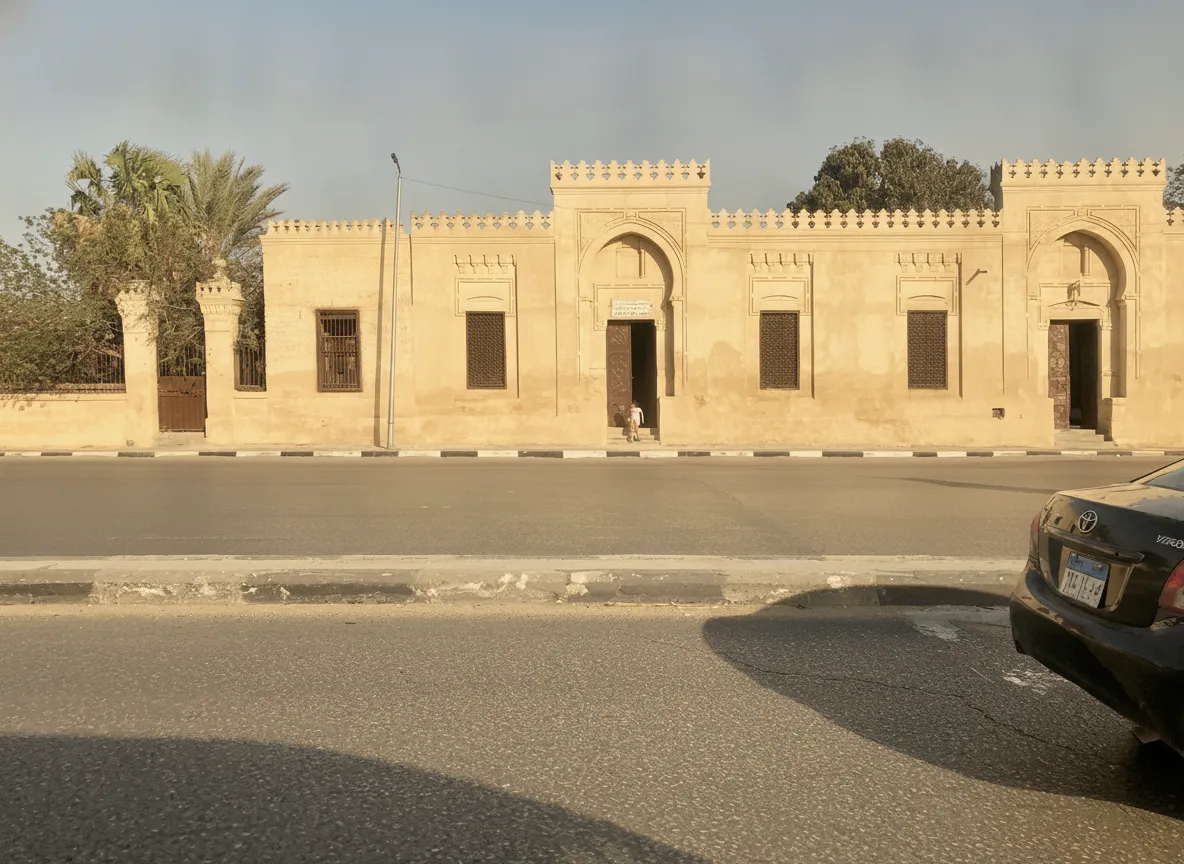
The Northern Cemetery is more than just a destination; it's an experience that challenges preconceived notions about life, death, and urban living. It's a vibrant testament to humanity's incredible capacity for adaptation and community building, a truly hidden gem that offers a profound glimpse into the soul of Cairo. If you seek an adventure that promises to be both humbling and inspiring, make sure Al-Qarafa is on your Egyptian itinerary. It’s a journey you won’t soon forget.
Essential Travel Information
- Location The Northern Cemetery (Al-Qarafa), Egypt
- Best Time October to April (cooler months)
- Getting There Best accessed by taxi or ride-sharing app (Uber/Careem) from central Cairo. Always go with a local guide for safety and cultural understanding.
- Airport Cairo International Airport (CAI)
- Budget Mid-range (approx. $50-100 USD per day, excluding accommodation, including guide fees)
- Language Arabic
Find Places to Stay Near The Northern Cemetery (Al-Qarafa)
Compare hotels, hostels, and unique stays in Egypt.
Search AccommodationTours & Experiences Near The Northern Cemetery (Al-Qarafa)
Book guided tours, day trips, and unique experiences.
Browse Tours