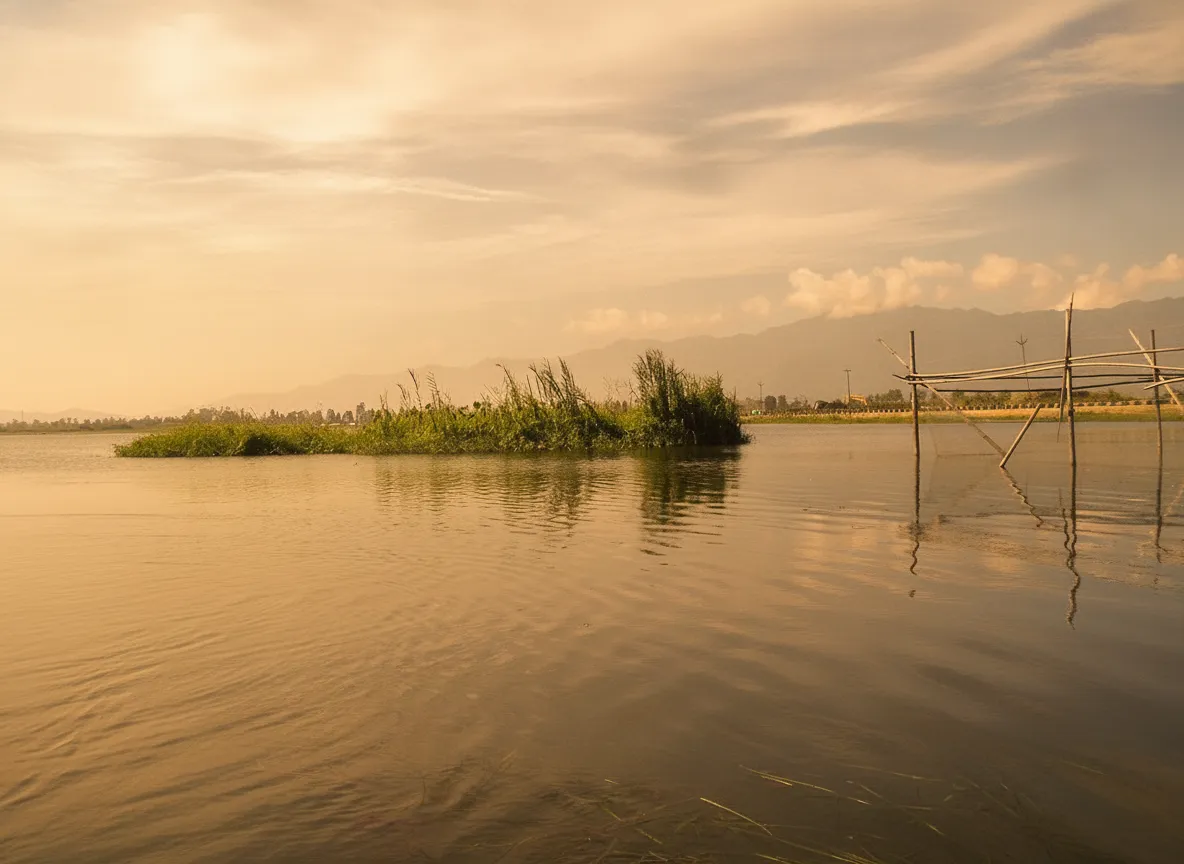
Imagine an entire community living on islands that literally float across the surface of a vast freshwater lake, their homes drifting with the currents. Picture a landscape where land and water merge in such a unique way that your sense of reality shifts, revealing a world of unparalleled natural wonder and human ingenuity. This isn't a scene from a fantasy novel; it's the breathtaking reality of Loktak Lake in India's remote and enchanting state of Manipur, home to the extraordinary 'phumdis'.
For too long, Loktak Lake has remained one of Asia's best-kept secrets, a shimmering expanse of water dotted with hundreds of these peculiar circular, spongy landmasses. These aren't just decorative patches; they are living, breathing ecosystems of tangled vegetation, soil, and organic matter, some large enough to support entire villages. Here, the indigenous Meitei fishing communities have woven their lives into the very fabric of this mobile landscape, creating a surreal watery world that promises an adventure unlike any other. If you're seeking a destination that truly redefines 'off the beaten path' and offers a profound connection with nature and culture, Loktak Lake is calling your name.
What Makes the Phumdis of Loktak Lake So Special?
The magic of Loktak Lake lies in its 'phumdis' – a local term for these fascinating floating islands. Unlike anything you've likely seen, phumdis are biomasses of varying sizes, ranging from small, solitary circles to expansive landmasses spanning several square kilometers. They're formed over centuries by decomposing organic matter, vegetation, and soil, creating a thick, buoyant mat that floats on the lake's surface. What makes them truly extraordinary is their role as the foundation for human life.
Imagine waking up in a hut built on one of these floating islands, where your 'land' gently bobs with the lake's rhythm. The Meitei people have mastered the art of living on these mobile homes, constructing traditional conical huts (known as 'khangpok') and fishing enclosures directly on the phumdis. Their entire existence revolves around the lake – from fishing for their livelihood to navigating its waterways in small, dugout canoes. It's a testament to human adaptability and a profound symbiosis with nature.
Beyond human habitation, Loktak Lake holds immense ecological significance. It's the largest freshwater lake in Northeast India and a designated Ramsar site, recognizing its importance as a wetland of international significance. A significant portion of the lake, including the largest phumdi, forms the Keibul Lamjao National Park – the world's only floating national park. This unique park is the last natural habitat of the endangered Sangai deer, also known as the Manipur brow-antlered deer. Witnessing these graceful creatures leap across the marshy phumdis is an experience that will stay with you long after your visit.
A Glimpse into History and the Meitei Way of Life
Loktak Lake has been the lifeblood of Manipur for centuries, deeply intertwined with the history, culture, and economy of the Meitei people, the predominant ethnic group of the state. For generations, the lake has provided sustenance, transportation, and a unique way of life. The phumdis themselves are not static; they are dynamic entities, constantly forming, growing, and sometimes breaking apart, shaping the landscape and the lives of those who depend on them.
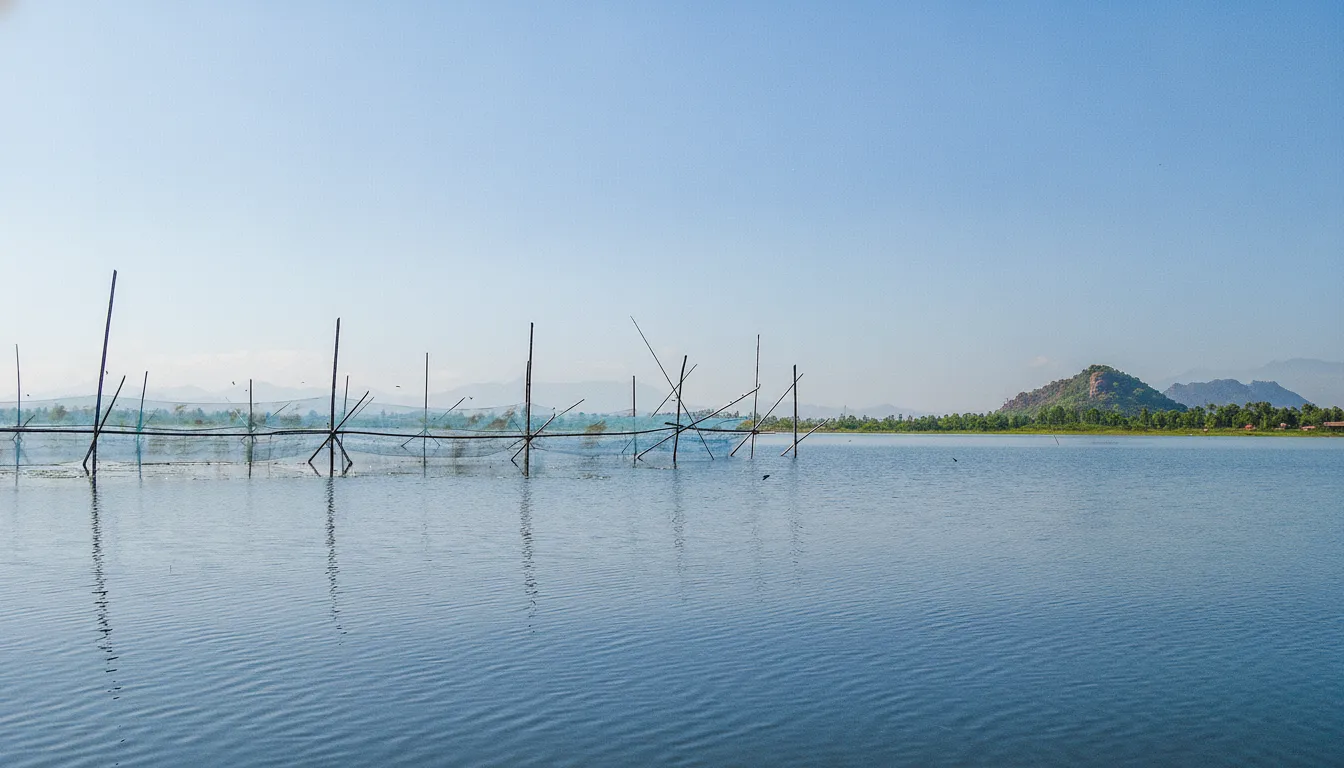
The Meitei community's relationship with the phumdis is one of profound respect and intimate knowledge. They understand the lake's currents, the behavior of the phumdis, and the cycles of its ecosystem. Their traditional fishing methods, often involving large, circular fishing traps ('athaphums') built into the phumdis, are a marvel of sustainable practice. Homes are built with locally sourced materials, designed to withstand the elements and the gentle sway of their floating foundations. Children learn to navigate canoes almost as soon as they can walk, and the rhythm of life is dictated by the lake's ebb and flow.
While modern influences are slowly reaching even this remote corner, the core traditions and the unique phumdi way of life persist. It's a culture of resilience, community, and deep connection to the natural world, offering a powerful counterpoint to our increasingly disconnected urban lives. Visiting Loktak is not just about seeing a landscape; it's about witnessing a living heritage and understanding a way of life that has thrived against all odds.
What You'll See and Experience on the Floating Lake
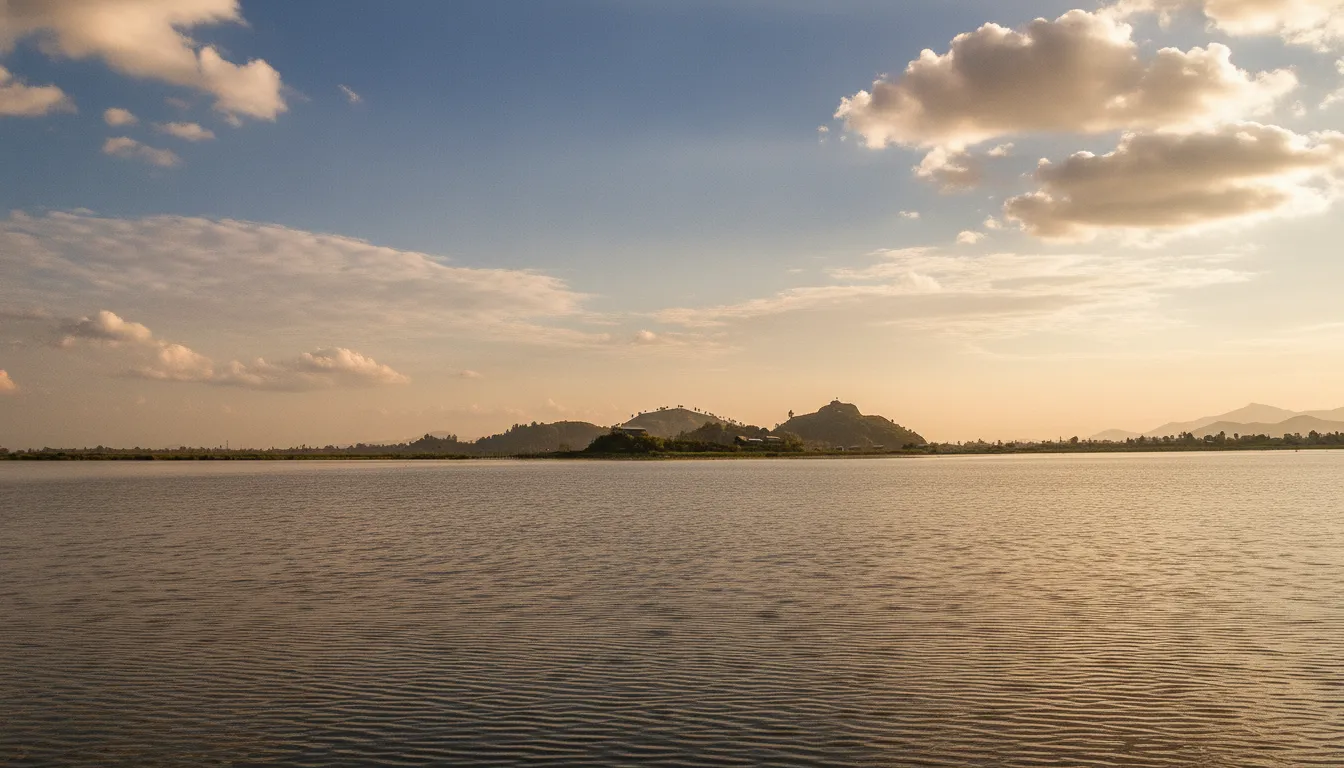
Your journey to Loktak Lake will begin with a sense of wonder that only grows as you approach its shores. The most iconic view is often from Sendra, a small hillock offering a panoramic vista of the lake, studded with its countless green phumdis, shimmering under the Manipuri sun. From this vantage point, you'll truly grasp the scale and uniqueness of this watery world.
The real magic, however, unfolds as you venture onto the lake itself. Hiring a local boatman for a ride through the labyrinthine channels between the phumdis is an absolute must. You'll glide past floating huts, witness fishermen casting their nets, and observe daily life unfolding on these extraordinary islands. The silence, broken only by the gentle lapping of water against your boat and the calls of exotic birds, is incredibly serene. Keep an eye out for vibrant birdlife, as Loktak is a haven for migratory birds during the cooler months.
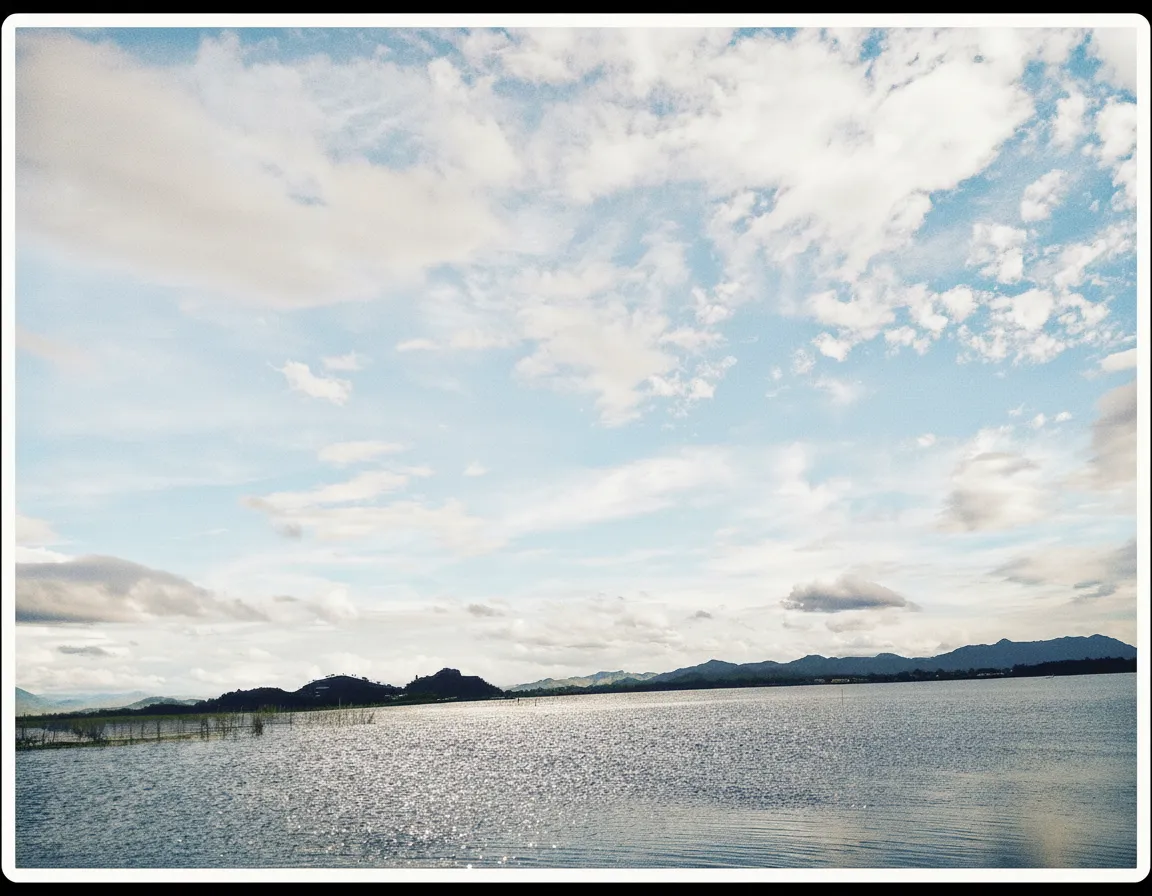
A visit to Keibul Lamjao National Park is another highlight. While spotting the elusive Sangai deer requires patience and a bit of luck, the experience of being in the world's only floating national park is unforgettable. The park's interpretive center provides valuable insights into the deer's conservation efforts and the park's unique ecosystem. You might even have the chance to interact respectfully with local villagers, gaining a deeper appreciation for their unique lifestyle and hospitality.
Practical Tips for Visiting This Hidden Gem
Venturing to Loktak Lake is an adventure, and a little preparation will ensure a smooth and memorable trip:
- How to Get There: The nearest airport is Imphal (IMF), the capital of Manipur. From Imphal, Loktak Lake is approximately 48 km away, a scenic drive of about 1.5 to 2 hours. You can hire a private taxi or take a shared sumo (local jeep) from Imphal to Moirang, a town close to the lake, and then a local auto-rickshaw to Sendra or your specific destination on the lake.
- Best Time to Visit: The ideal time to visit Loktak Lake is during the dry, cooler months from October to March. The weather is pleasant, making boat rides and explorations comfortable. The monsoon season (June to September) can bring heavy rainfall, making travel difficult and water levels high.
- Accommodation: While there are no luxury resorts directly on the phumdis, you'll find guesthouses and homestays in and around Moirang and near the Sendra viewpoint. These offer basic but comfortable amenities and a chance to experience local hospitality. Booking in advance is advisable, especially during peak season.
- Respectful Tourism: Loktak is a fragile ecosystem and home to a unique culture. Always seek permission before photographing people, dress modestly, and dispose of your waste responsibly. Engage with locals respectfully and consider hiring local guides and boatmen to support the community.
- What to Bring: Pack light clothing for the day, but a light jacket for evenings, especially in winter. Comfortable walking shoes are essential. Don't forget sunscreen, insect repellent, a hat, and a reusable water bottle. A good camera is a must to capture the stunning landscapes.
- Permits/Safety: There are currently no specific permits required for Indian nationals to visit Loktak Lake. Foreign nationals may need to check the latest regulations regarding travel to Manipur, though restrictions have largely eased. Always stay updated with local news and safety advisories.
Loktak Lake is more than just a destination; it's an experience that challenges your perceptions and fills you with a profound appreciation for the world's natural wonders and the incredible resilience of human spirit. It's a place where every ripple tells a story, and every floating island holds a secret waiting to be discovered. If you're ready to step into a truly unique landscape, Loktak Lake awaits.
Essential Travel Information
- Location The Phumdis of Loktak Lake, India
- Best Time October to March
- Getting There Fly to Imphal (IMF), then a 1.5-2 hour taxi or shared sumo ride to Moirang/Loktak Lake.
- Airport Imphal International Airport (IMF)
- Budget Mid-range (approx. $40-80 USD daily, excluding flights)
- Language Meitei (Manipuri), Hindi, English (understood in tourist areas)
Find Places to Stay Near The Phumdis of Loktak Lake
Compare hotels, hostels, and unique stays in India.
Search AccommodationTours & Experiences Near The Phumdis of Loktak Lake
Book guided tours, day trips, and unique experiences.
Browse Tours