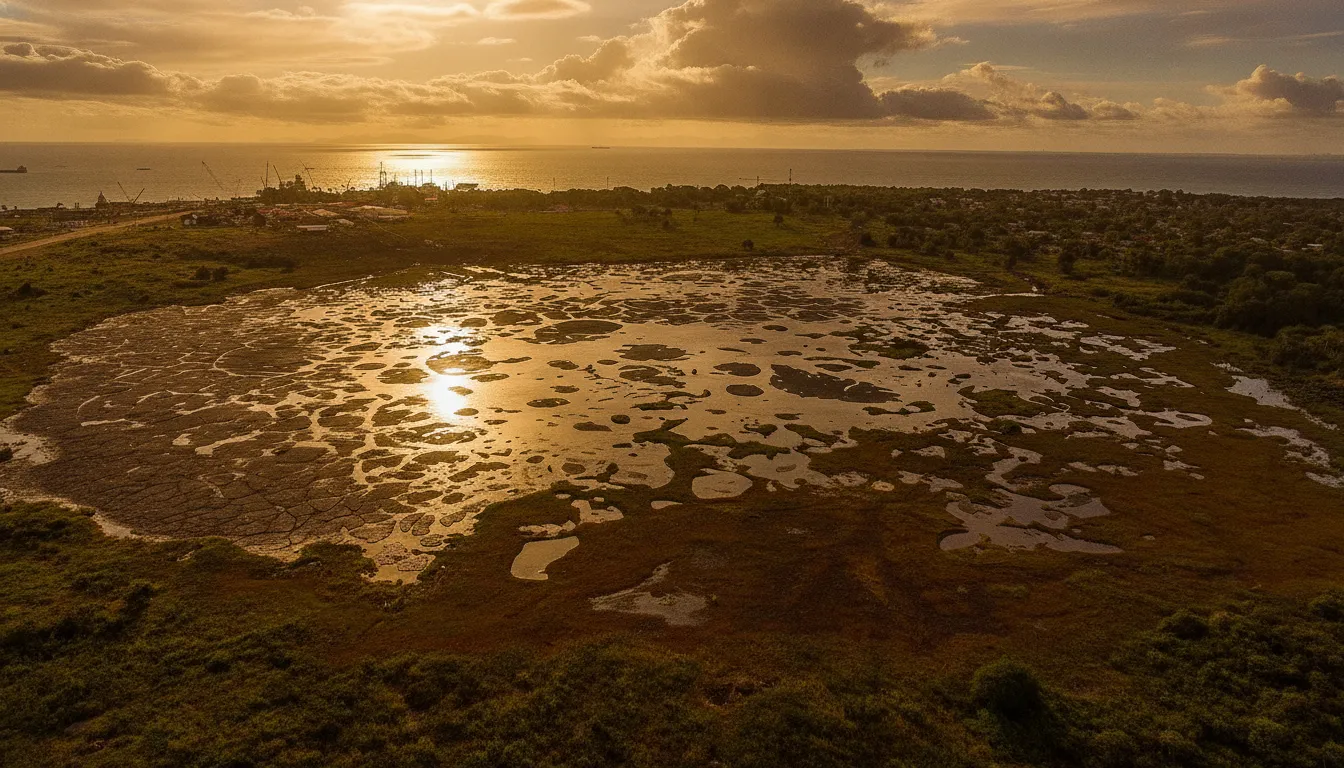
Imagine walking across the world's largest natural asphalt lake, a constantly shifting, bubbling expanse that holds secrets of prehistoric life and fuels roads across the globe. This isn't a scene from a sci-fi movie; it's the breathtaking reality of The Pitch Lake in Trinidad and Tobago. Tucked away in the sleepy southwestern village of La Brea, this geological marvel offers an experience unlike any other on Earth. Forget pristine beaches for a moment, and prepare to be utterly captivated by a landscape that feels ancient, alive, and utterly otherworldly. If you're an intrepid traveler yearning for a destination that challenges your perceptions and ignites your curiosity, then pack your bags – The Pitch Lake is calling.
From the moment you arrive, a faint, earthy scent of sulfur and bitumen hangs in the air, a precursor to the wonders that await. This isn't just a stagnant pool; it's a living, breathing entity, a massive, 100-acre lake of semi-solid asphalt that continuously replenishes itself from deep within the earth's mantle. It's a place where science meets legend, where history is literally preserved beneath your feet, and where the very ground beneath you feels like it's telling a story millions of years in the making. Ready to step onto a truly unique stage?
The World's Largest Natural Asphalt Lake: A Geological Marvel
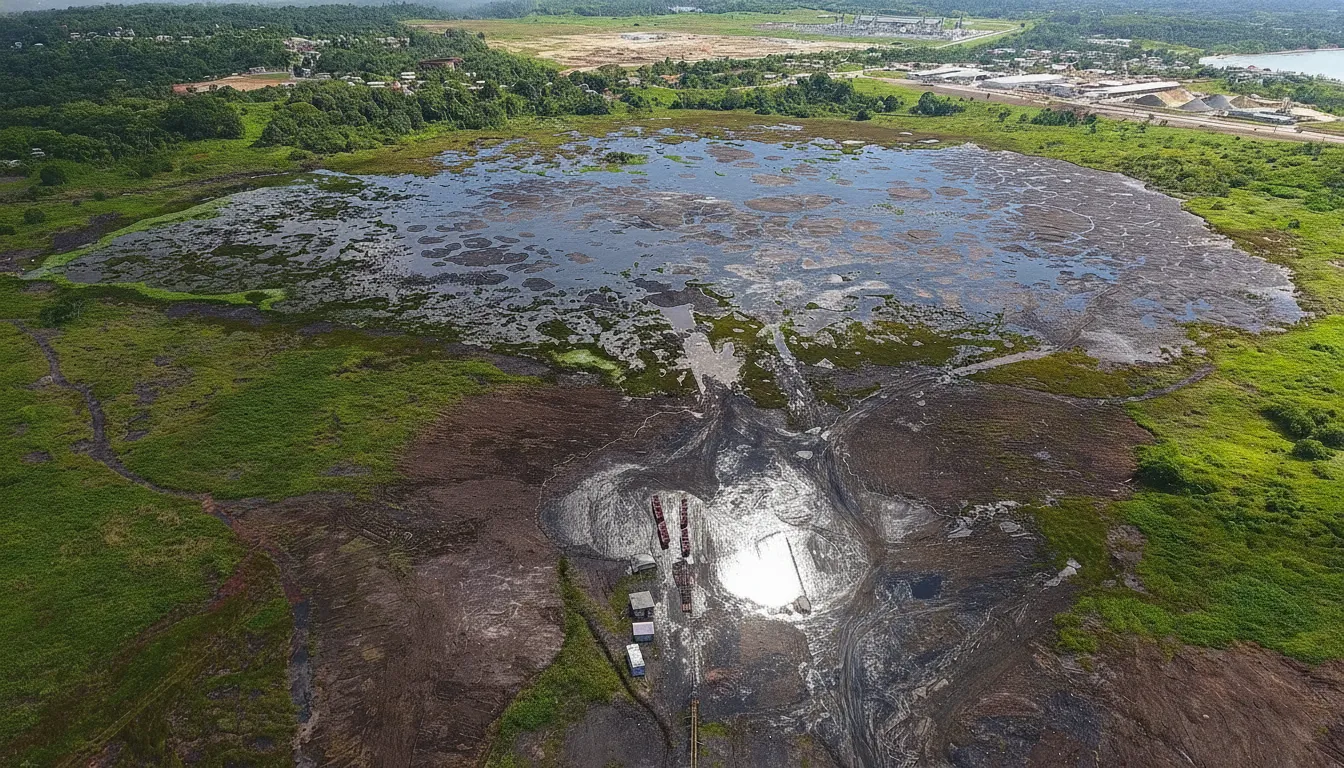
What truly makes The Pitch Lake a standout destination is its unparalleled geological significance. This isn't just *a* tar pit; it's *the* largest natural deposit of asphalt in the world. Scientists believe it formed millions of years ago when two continental plates collided, forcing crude oil to the surface through a fault line. As lighter elements evaporated, the heavier asphalt remained, creating this colossal, constantly evolving lake.
What's even more astonishing is its self-replenishing nature. Unlike a conventional mine where resources deplete, The Pitch Lake is a dynamic system. As asphalt is extracted, new material slowly oozes up from below, filling the voids. This slow, continuous flow means the lake is always shifting, creating fascinating patterns, ripples, and occasionally, "islands" of vegetation that float on its surface. You'll see areas where the tar is soft and viscous, bubbling with gases, and other parts firm enough to walk on, albeit with a unique, squishy sensation underfoot. It’s a testament to the raw power and artistry of our planet.
Beyond its sheer scale and geological activity, The Pitch Lake offers a unique window into the past. Periodically, as the tar shifts and flows, it reveals perfectly preserved ancient trees, some thousands of years old, still standing upright as if frozen in time. These botanical time capsules provide invaluable insights into prehistoric flora and climate. Imagine the thrill of seeing a piece of history emerge from the depths, untouched for millennia!
A Journey Through Time: History and Legends of The Pitch Lake
The history of The Pitch Lake is as rich and deep as the asphalt itself, intertwining indigenous legends with colonial encounters and modern industry. Long before European settlers arrived, the local Amerindian people, particularly the Warao, knew of this mysterious lake. Their legends speak of a powerful deity who punished a disrespectful tribe by opening the earth and swallowing their village, turning it into the dark, bubbling lake. These stories highlight the reverence and awe with which the lake was viewed, recognizing its immense power and unpredictable nature.
The Western world "discovered" The Pitch Lake in 1595 when the English explorer Sir Walter Raleigh stumbled upon it during his search for the mythical city of El Dorado. Raleigh, ever the pragmatist, quickly recognized the practical value of the asphalt. He used the "pitch" to caulk his ships, praising it as "most excellent good, and melteth not with the sunne as the pitch of Norway." This marked the beginning of its global significance, as the lake's resources would eventually pave roads and runways across the world, from the streets of New York City to the runways of Heathrow Airport.
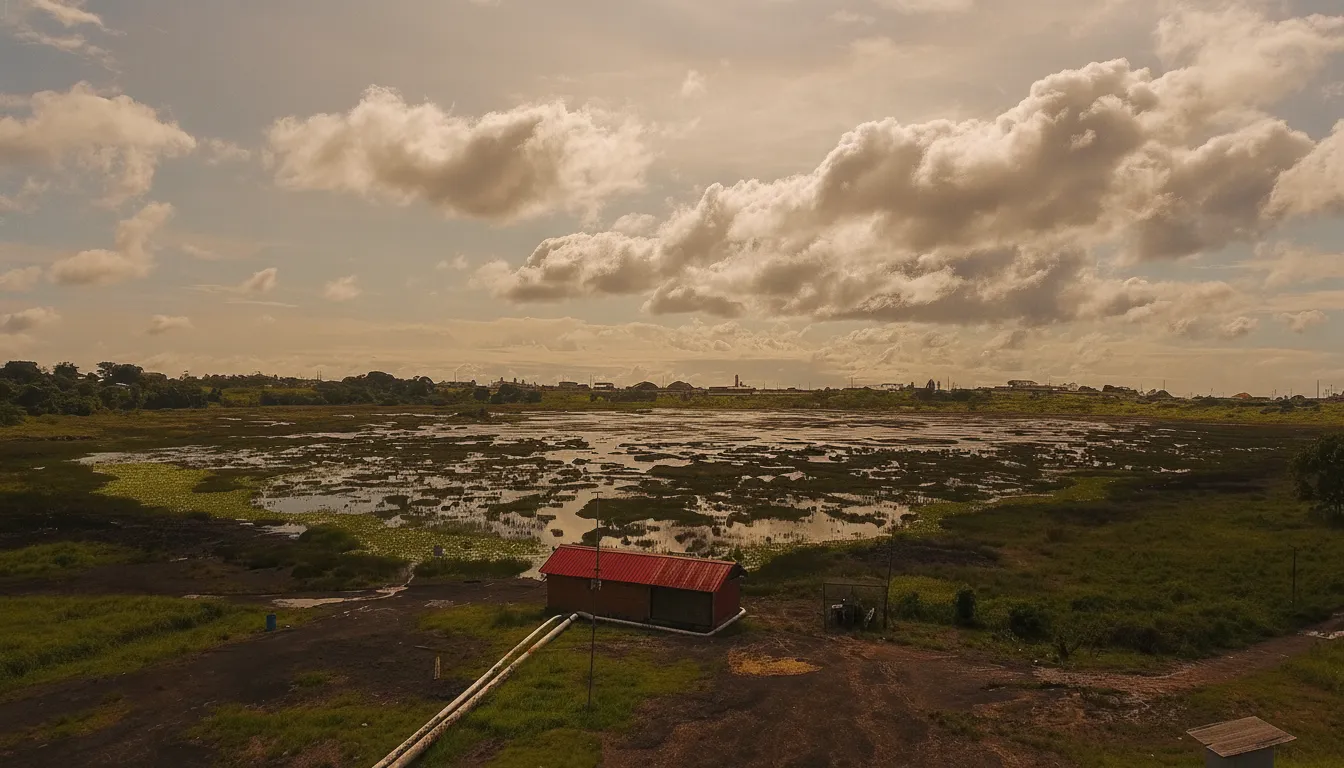
For centuries, the lake has been an active, living mine, supplying high-quality asphalt. The mining process itself is fascinating, involving simple tools and a deep understanding of the lake's ever-changing temperament. It's a striking juxtaposition: a site of ancient geological processes that simultaneously serves as a vital resource for modern infrastructure. This dual identity – a natural wonder and an industrial hub – makes The Pitch Lake truly one-of-a-kind.
Exploring the Tar-rific Landscape: What You'll See and Experience
Stepping onto The Pitch Lake is an experience you won't soon forget. You'll be led by knowledgeable local guides, often descendants of the original inhabitants, who share not only scientific facts but also captivating anecdotes and local lore. They'll point out the various textures and consistencies of the asphalt, from hardened, almost rock-like surfaces to areas where the tar is soft and warm, bubbling gently with trapped gases.
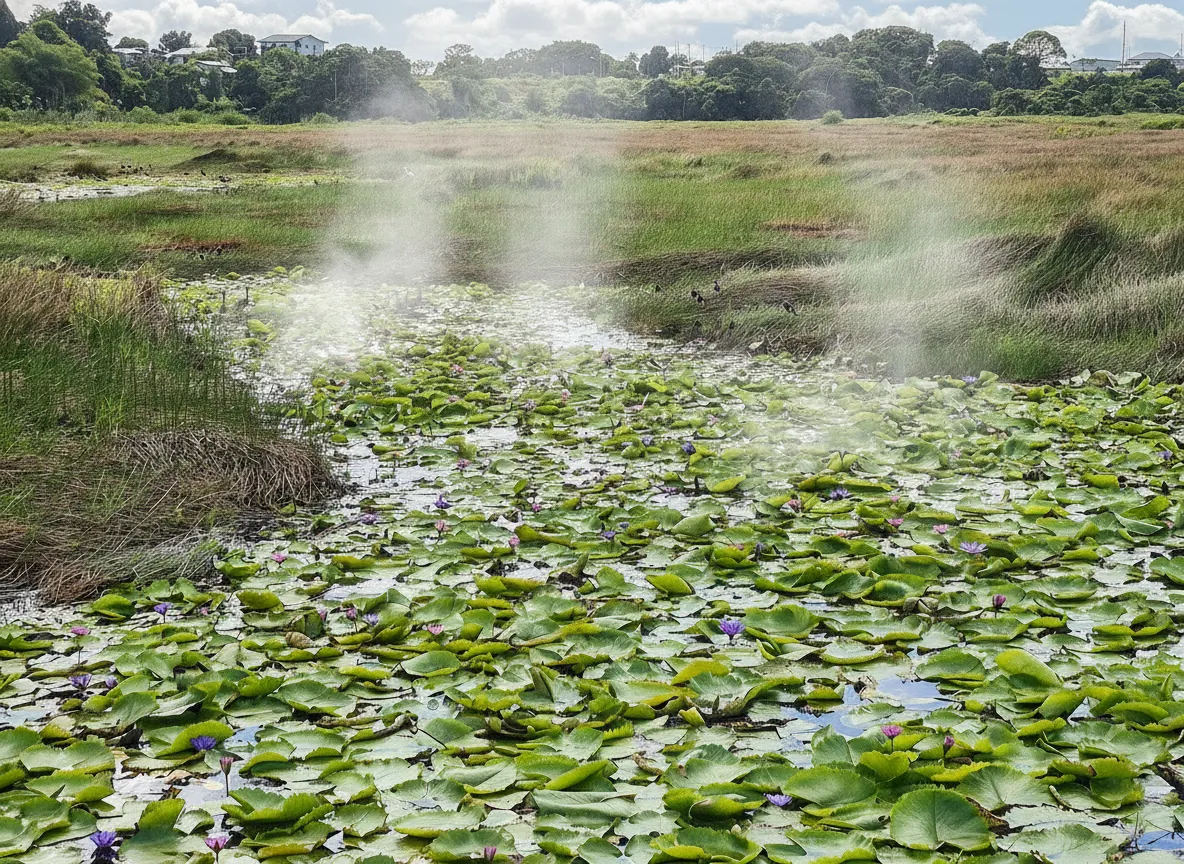
As you traverse the surreal landscape, you'll encounter small, active mud volcanoes and hot springs, their sulfurous waters believed by some to have therapeutic properties. Many visitors enjoy soaking their feet in these warm, mineral-rich pools, a surprisingly soothing contrast to the vast, dark expanse around them. Your guide might even demonstrate how to find areas where you can safely sink a few inches into the warm, gooey tar, feeling the unique sensation of being embraced by the earth itself.
Keep an eye out for the ancient tree trunks and other artifacts that periodically emerge from the asphalt. These perfectly preserved relics are a powerful reminder of the lake's immense age and its role as a natural time capsule. You might also spot unique flora that thrives in the asphaltic soil, or various bird species that have adapted to this unusual habitat. The sheer scale of the lake, stretching out to the horizon, is awe-inspiring, offering incredible photographic opportunities of a landscape that truly defies description.
Your Adventure Awaits: Practical Tips for Visiting The Pitch Lake
Ready to embark on this extraordinary adventure? Here are a few practical tips to ensure your visit to The Pitch Lake is as enjoyable and memorable as possible:
- Hire a Local Guide: This is non-negotiable. Guides are essential for safety, as they know the lake's ever-changing surface and can navigate you through safe paths. More importantly, they enrich your experience with their deep knowledge of the lake's history, geology, and local legends.
- Wear Appropriate Attire: Expect to get a little dirty! Wear old shoes that you don't mind getting stained by tar (though it usually cleans off with kerosene or baby oil). Light, comfortable clothing is also recommended.
- Best Time to Visit: The dry season (December to May) is generally preferred as the lake's surface can be firmer and easier to traverse. However, even in the rainy season, a visit is still possible and offers a different perspective. Early mornings or late afternoons are ideal for cooler temperatures and softer light for photography.
- Stay Hydrated: Trinidad's climate is warm and humid. Bring plenty of water.
- Don't Forget Your Camera: The photographic opportunities are endless, from the vast, abstract landscapes to the intricate details of bubbling tar and ancient wood.
- Getting There: The Pitch Lake is located in La Brea, approximately 1.5 to 2 hours drive south of Port of Spain. You can hire a taxi, arrange a tour, or rent a car. The drive itself offers glimpses of rural Trinidadian life.
The Pitch Lake is more than just a tourist attraction; it's a living laboratory, a historical archive, and a testament to the planet's incredible geological power. It's a place that will challenge your senses, spark your imagination, and leave you with a profound sense of wonder. So, if you're seeking an experience that goes beyond the ordinary, make sure The Pitch Lake in Trinidad and Tobago is at the top of your travel list. It's an adventure that promises to be as unique and unforgettable as the lake itself.
Essential Travel Information
- Location The Pitch Lake, Trinidad and Tobago
- Best Time December to May (Dry Season)
- Getting There Located in La Brea, approximately 1.5-2 hours drive south of Port of Spain. Best reached by taxi, tour, or rental car.
- Airport Piarco International Airport (POS)
- Budget Mid-range (approx. $100-200 USD per day including local transport, guide, and food)
- Language English
Find Places to Stay Near The Pitch Lake
Compare hotels, hostels, and unique stays in Trinidad and Tobago.
Search AccommodationTours & Experiences Near The Pitch Lake
Book guided tours, day trips, and unique experiences.
Browse Tours