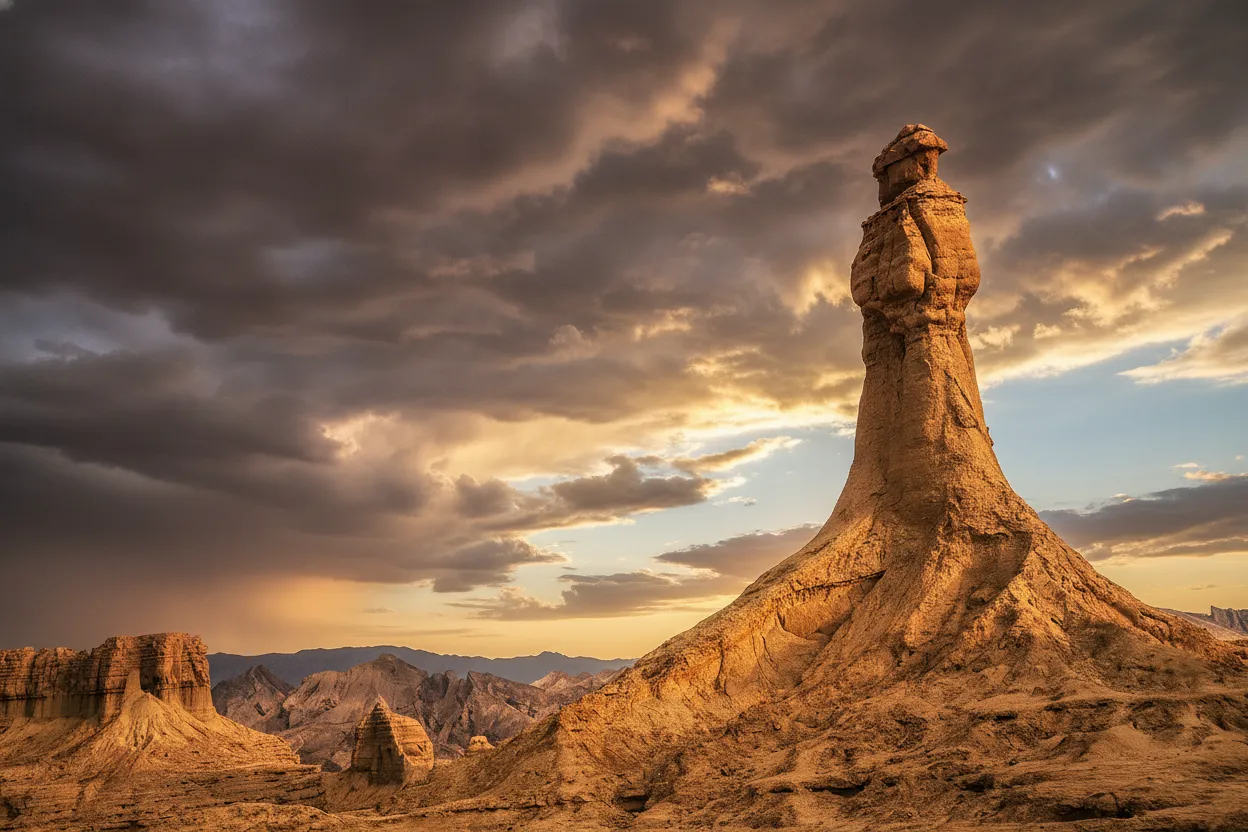
Imagine a landscape so vast, so primordial, it feels like stepping onto another planet. Now, picture within that surreal expanse, a colossal rock formation sculpted by millennia of wind and rain, not into some abstract shape, but into the eerie, unmistakable likeness of a regal woman. She gazes eternally over Pakistan's desolate coastline, a silent, majestic sentinel guarding secrets whispered only by the ancient winds. This isn't a myth or a legend, but a breathtaking reality: the Princess of Hope, a geological marvel nestled deep within the captivating, yet largely undiscovered, heart of Balochistan.
For those of us who yearn for adventures beyond the well-trodden paths, for places where nature's artistry defies belief and solitude reigns supreme, the Princess of Hope is a siren call. It’s a testament to the planet’s incredible power, a masterpiece carved by forces beyond human comprehension, waiting patiently for the few intrepid souls brave enough to seek her out.
The Accidental Masterpiece: What Makes the Princess of Hope So Special?
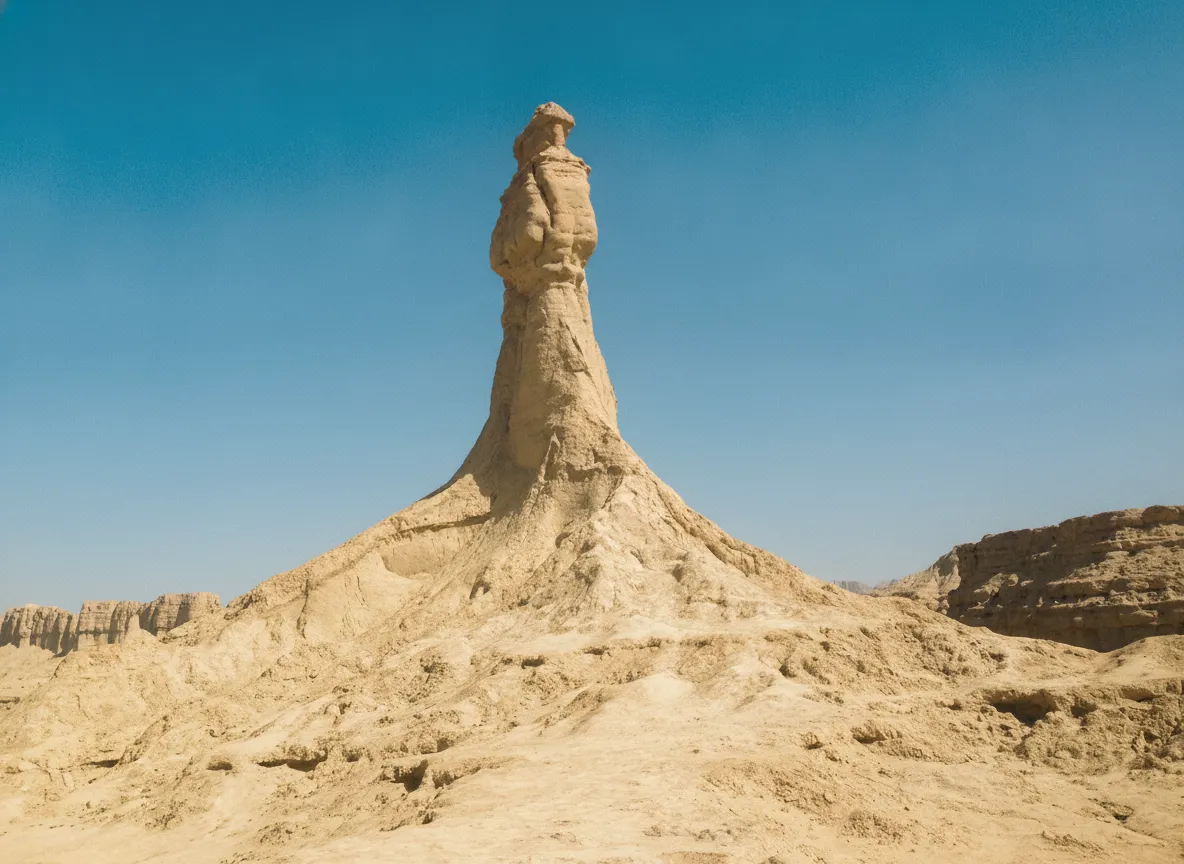
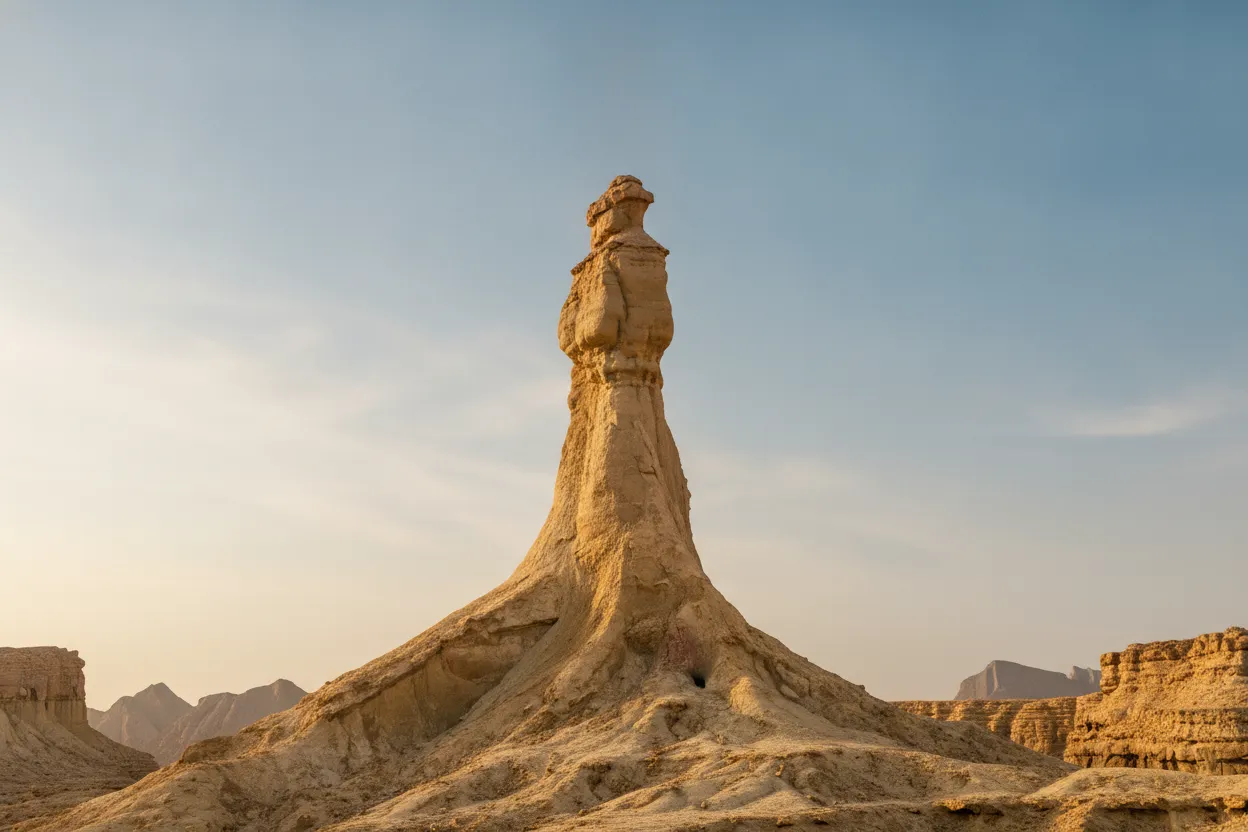
What sets the Princess of Hope apart isn't just its immense scale, but the astonishing precision of its natural sculpting. Standing tall against the dramatic backdrop of Hingol National Park, this sandstone and mudstone colossus truly lives up to its name. From certain angles, the resemblance to a woman in a regal pose, perhaps wearing a flowing gown and a stately headpiece, is uncanny. Her face, weathered by eons, seems to possess a serene, almost melancholic expression, as if contemplating the endless ocean before her.
This isn't a human-made monument; it's an accidental masterpiece. It’s the result of millions of years of relentless erosion – wind whipping across the barren plains, rain lashing against the cliffs, and the subtle, persistent work of time. These elements have painstakingly chiseled away at the softer layers of rock, leaving behind the more resistant sections that form the intricate contours of her "face," "body," and "drapery." To stand before her is to witness nature’s grand theater, where geological processes have inadvertently created a figure of profound human resonance. The sheer illusion of a sentient being, frozen in stone, in such a wild and remote setting, evokes a sense of wonder and humility that few other natural sites can match.
Whispers of Time: The Geological History of a Princess
The story of the Princess of Hope isn't one of ancient civilizations or human empires, but of Earth itself. Her origins lie deep within the geological history of the Makran Coastal Range, a region characterized by its unique sedimentary rock formations. Millions of years ago, this area was submerged beneath an ancient sea, accumulating vast layers of sand, silt, and clay. Over eons, these sediments compacted and solidified into the sandstone and mudstone that form the very bedrock of Hingol National Park.
As tectonic plates shifted, pushing the land upwards, the sea receded, exposing these newly formed sedimentary rocks to the elements. This uplift, combined with the region's arid climate, set the stage for the dramatic erosion we see today. The softer mudstone layers were more easily worn away by wind and water, while the harder sandstone offered more resistance. This differential erosion, occurring over countless millennia, is the ultimate sculptor behind the Princess of Hope. She is, in essence, a living geological clock, with every curve and crevice telling a story of Earth's dynamic past, a testament to the slow, patient, yet incredibly powerful forces that shape our planet.
Beyond the Princess: Exploring Hingol National Park's Otherworldly Charms
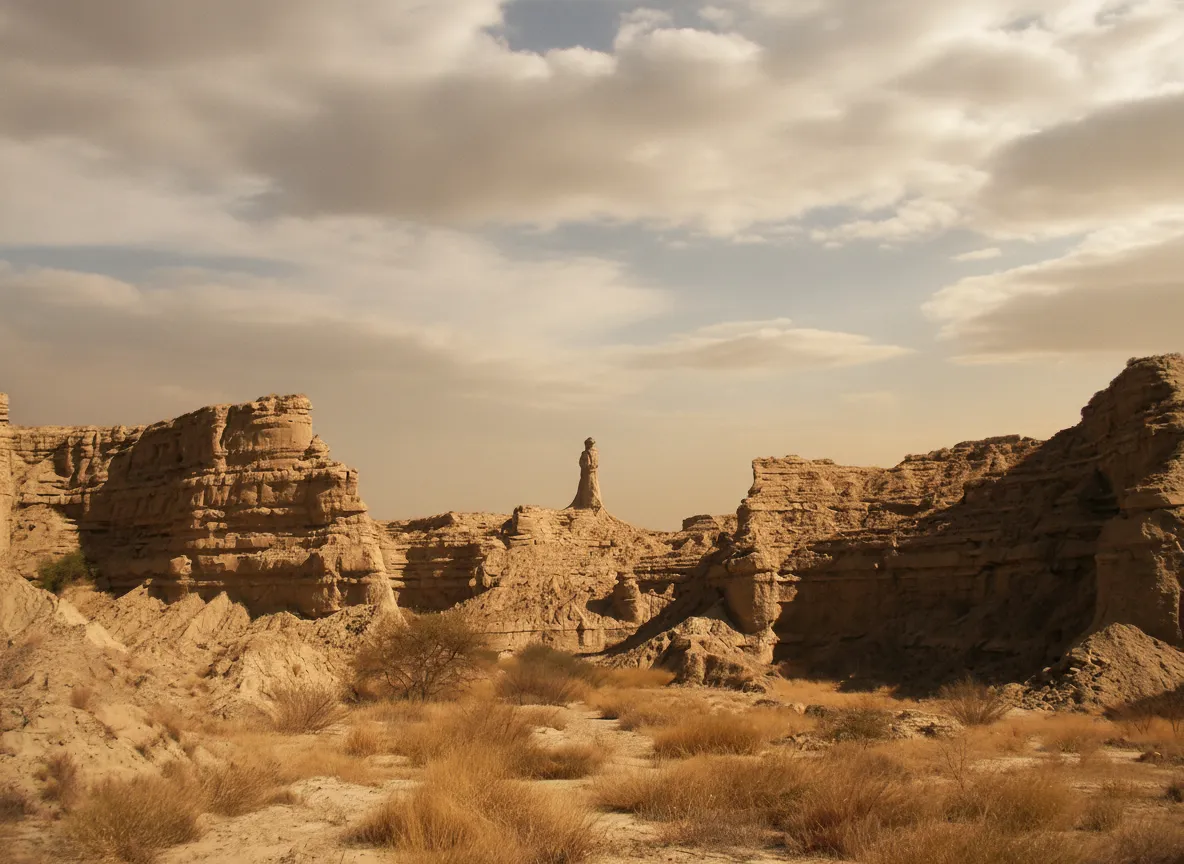
While the Princess of Hope is undoubtedly the star attraction, a visit to this region offers so much more. She stands within the sprawling boundaries of Hingol National Park, Pakistan's largest national park, a landscape of astonishing diversity and surreal beauty. This isn't just a backdrop; it's an integral part of the experience, enhancing the sense of discovery and adventure.
As you journey through Hingol, you’ll encounter dramatic canyons, vast desert plains, and a rugged coastline where the Arabian Sea crashes against ancient cliffs. Keep an eye out for the park's other famous geological wonders, like the Sphinx, another naturally carved rock formation that eerily resembles the mythical creature. Further inland, you’ll find a series of active mud volcanoes, bubbling and gurgling with grey sludge, adding to the otherworldly atmosphere. These natural phenomena, unique in their concentration, are a vivid reminder of the geological forces at play beneath your feet.
Despite its arid appearance, Hingol National Park is also home to a surprising array of wildlife, including various species of gazelles, wild cats, and numerous bird species, though spotting them requires patience and a keen eye. The drive itself along the Makran Coastal Highway, leading to the Princess, is an experience in itself. It's a marvel of modern engineering winding through breathtaking coastal vistas, offering panoramic views of the sea on one side and the dramatic, often multicolored, desert mountains on the other. Every turn reveals a new, spectacular tableau, making the journey as memorable as the destination.
Embarking on Your Balochistan Adventure: Practical Tips for Visiting
Visiting the Princess of Hope is an adventure, not a typical tourist excursion. This is an off-the-beaten-path destination, and planning is key to a safe and rewarding experience. Think of it as an expedition into a truly wild and untamed corner of the world.
Getting There: The Princess of Hope is located approximately 250-300 kilometers (155-186 miles) west of Karachi, the nearest major city with an international airport. The primary route is via the Makran Coastal Highway. Due to the remote nature of the region and security considerations in parts of Balochistan, it is highly recommended to travel with a reputable local tour operator or a private vehicle with an experienced driver. Many tour companies in Karachi offer organized trips that include transport, guides, and often security escorts, ensuring a smoother and safer journey. The drive can take anywhere from 3-5 hours, depending on road conditions and stops.
When to Visit: The best time to visit is during the cooler months, from November to February. Summers (April to September) can be intensely hot, with temperatures soaring, making exploration uncomfortable and potentially risky. The winter months offer pleasant daytime temperatures, ideal for hiking and sightseeing, though evenings can be cool.
What to Bring: This is a desert environment, so preparation is crucial.
- Water: Carry ample water, far more than you think you’ll need. Hydration is paramount.
- Sun Protection: A wide-brimmed hat, sunglasses, and high-SPF sunscreen are essential.
- Sturdy Footwear: The terrain is uneven and rocky; comfortable hiking shoes are a must.
- Snacks: Food options are extremely limited once you leave Karachi. Pack energy-rich snacks.
- First-Aid Kit: A basic kit for minor cuts, scrapes, and headaches.
- Camera: You'll want to capture the incredible landscapes, but respect local customs regarding photography.
- Warm Layers: Evenings can get chilly, especially in winter.
Respecting the Culture and Environment: Balochistan is a conservative region. Dress modestly, especially women. Always ask permission before photographing people. Leave no trace of your visit – pack out everything you pack in. The beauty of this place lies in its untouched nature, and it's our responsibility to preserve it.
A journey to the Princess of Hope is more than just a trip; it's an immersion into a landscape that challenges perceptions and expands your understanding of our planet's raw beauty. It’s an opportunity to connect with nature on a profound level, to witness a wonder rarely seen, and to carry home stories of an adventure that few will ever experience. So, if your soul craves the extraordinary, if you seek the hidden gems of our world, let the Princess of Hope beckon you to Balochistan. Her silent gaze awaits.
Essential Travel Information
- Location The Princess of Hope, Pakistan
- Best Time November to February
- Getting There Via Makran Coastal Highway from Karachi, typically with a guided tour or private vehicle (approx. 3-5 hours drive).
- Airport Jinnah International Airport (KHI) - Karachi
- Budget Mid-range (~$100-250+ per day for guided tours including transport and basic amenities, depending on group size and tour quality)
- Language Urdu, Balochi, Brahui
Find Places to Stay Near The Princess of Hope
Compare hotels, hostels, and unique stays in Pakistan.
Search AccommodationTours & Experiences Near The Princess of Hope
Book guided tours, day trips, and unique experiences.
Browse Tours