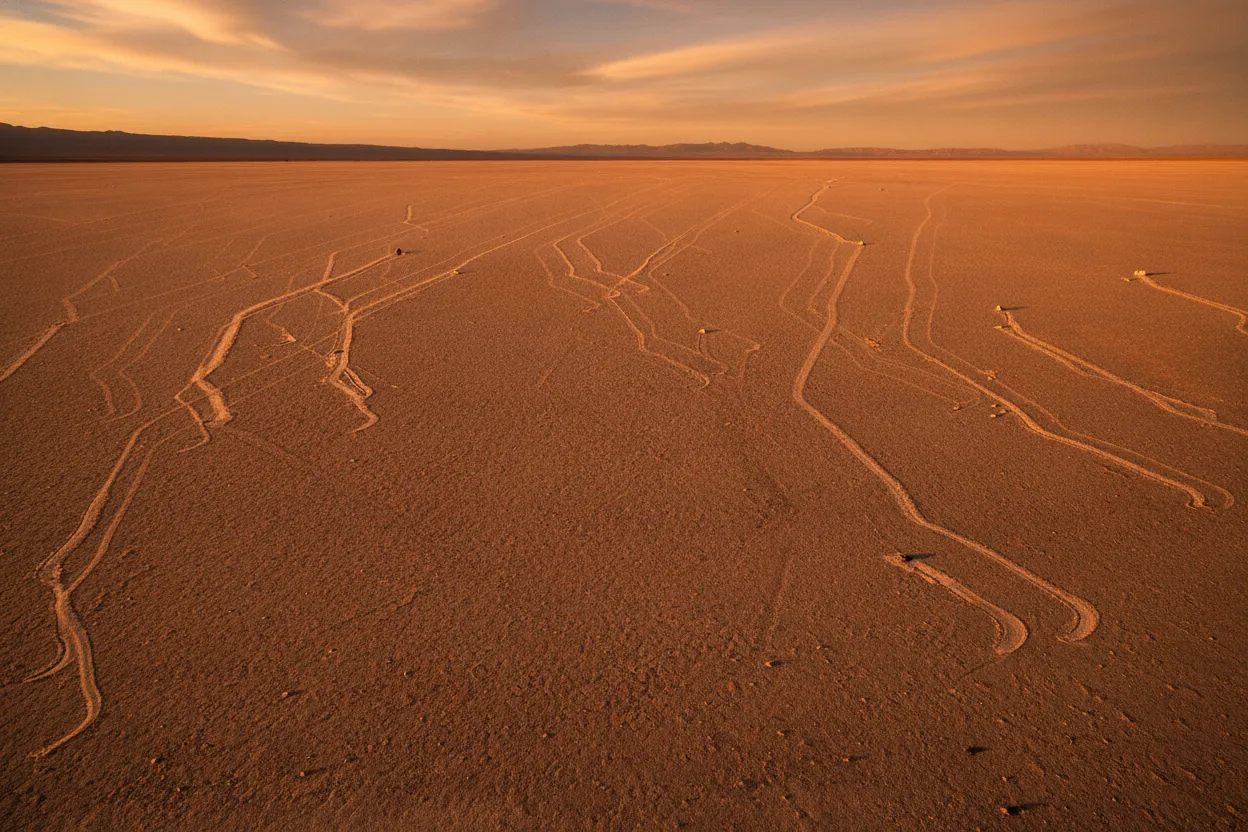
Imagine a place so wild, so profoundly isolated, that its very ground seems alive with an ancient, inexplicable magic. Picture a desolate desert floor, vast and perfectly flat, where massive boulders – some weighing hundreds of pounds – mysteriously glide across the cracked earth. They leave behind long, winding trails, sometimes over a thousand feet long, as if drawn by an unseen hand. No human touches them, no animal pushes them, yet they move. This isn't a scene from a sci-fi movie or an ancient myth; this is the Racetrack Playa, a hidden gem nestled within the scorching heart of California's Death Valley, and it holds one of Earth's most captivating geological enigmas: the legendary 'sailing stones.' Prepare to have your sense of wonder reignited as we uncover the secrets of this truly extraordinary destination.
What Makes The Racetrack Playa So Special?
The Racetrack Playa isn't just a dried lakebed; it's a colossal natural laboratory, a canvas for one of the planet's most baffling and beautiful phenomena. For decades, the sight of these 'sailing stones' – boulders seemingly propelled by an invisible force – perplexed explorers, scientists, and dreamers alike. Theories ranged from mischievous spirits and magnetic anomalies to elaborate hoaxes. The sheer scale of the mystery was compounded by the playa's extreme remoteness, making observation incredibly difficult. Imagine trying to catch a ghost in a place where temperatures soar, water is nonexistent, and the nearest paved road is hours away.
This isn't just about rocks moving; it's about the allure of the unknown, the thrill of witnessing something that defies immediate explanation. The Racetrack's stark, otherworldly beauty, framed by distant mountain ranges, only amplifies its mystique. It's a place where silence reigns supreme, broken only by the wind, and where every glance across the vast expanse invites contemplation of Earth's incredible, subtle power. It's a testament to the fact that even in our modern, scientifically advanced world, there are still profound natural mysteries waiting to be understood, or simply admired.
The Fascinating History and Unraveling of a Geological Enigma
The story of the Racetrack's sailing stones is a fascinating journey from profound mystery to scientific triumph. While local prospectors and Native American tribes undoubtedly observed these moving rocks for centuries, formal scientific inquiry began in the early 20th century. Geologists were utterly baffled. How could rocks, some as heavy as a refrigerator, traverse such distances across a flat surface without external intervention? Early studies were limited, often relying on speculation due to the sheer difficulty of being present during a 'sailing' event. The conditions required for the rocks to move are so fleeting and specific that they might only occur once every few years, typically during winter.
It wasn't until the 21st century, armed with modern technology, that the veil truly began to lift. In 2013, a team of scientists from Scripps Institution of Oceanography, led by Dr. Richard Norris, embarked on a groundbreaking experiment. They deployed GPS-equipped rocks and time-lapse cameras, patiently waiting for nature to reveal its hand. What they discovered was nothing short of brilliant in its simplicity and complexity. The phenomenon occurs when a rare combination of conditions aligns:
- Rainfall: Enough rain must fall to create a shallow, ephemeral pond on the playa surface.
- Freezing Temperatures: Overnight, this pond must freeze, forming a thin sheet of ice, typically just a few millimeters thick.
- Thaw and Wind: As the sun rises, the ice begins to melt, breaking into large, floating panels. Crucially, a light breeze (around 10-15 mph) then pushes these ice panels.
- The Push: These ice sheets, carrying or pushing the rocks embedded within or against them, slowly slide across the lubricated, muddy surface. The rocks leave their indelible trails as they go.
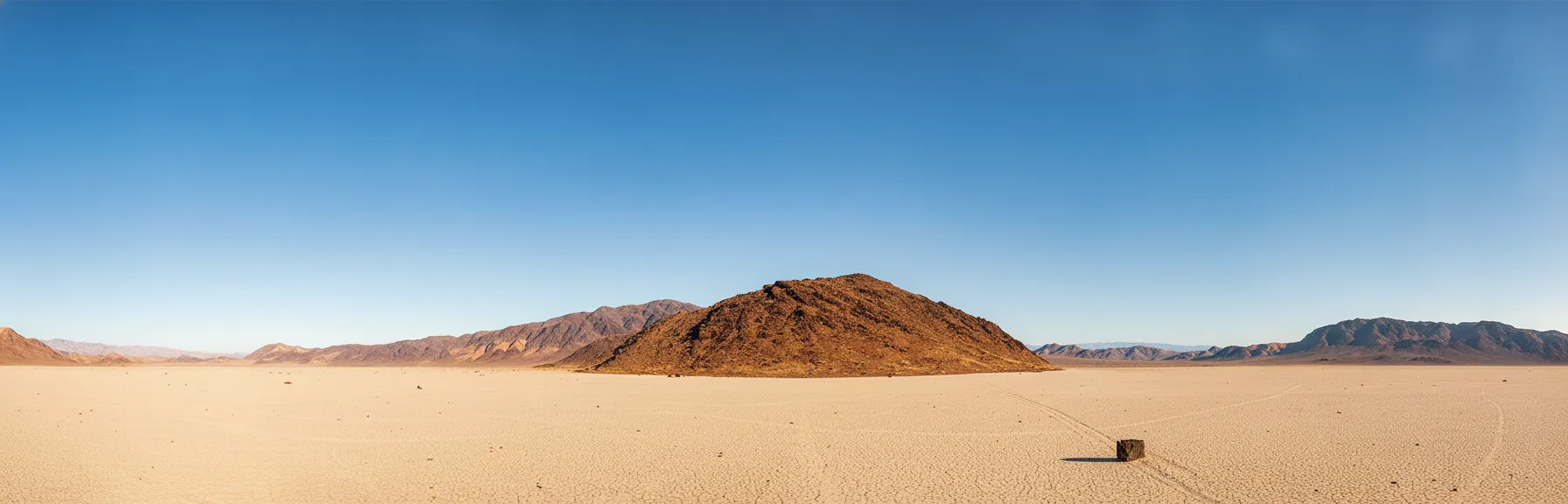
This discovery, published in 2014, finally provided the long-awaited answer, transforming a century-old enigma into a testament to Earth's dynamic processes. It's a story of persistence, ingenuity, and the humbling power of nature, reminding us that even the most perplexing natural wonders often have elegant, scientific explanations.
What You'll See and Experience at The Racetrack Playa
Arriving at the Racetrack Playa is an experience in itself. After navigating miles of rugged, unpaved road, the landscape opens up dramatically. Suddenly, you're standing on an immense, perfectly flat expanse of cracked, sun-baked mud, stretching for miles in every direction. The first thing that strikes you is the silence – a profound, almost spiritual quiet that swallows all sound, allowing you to truly connect with the vastness of the desert.
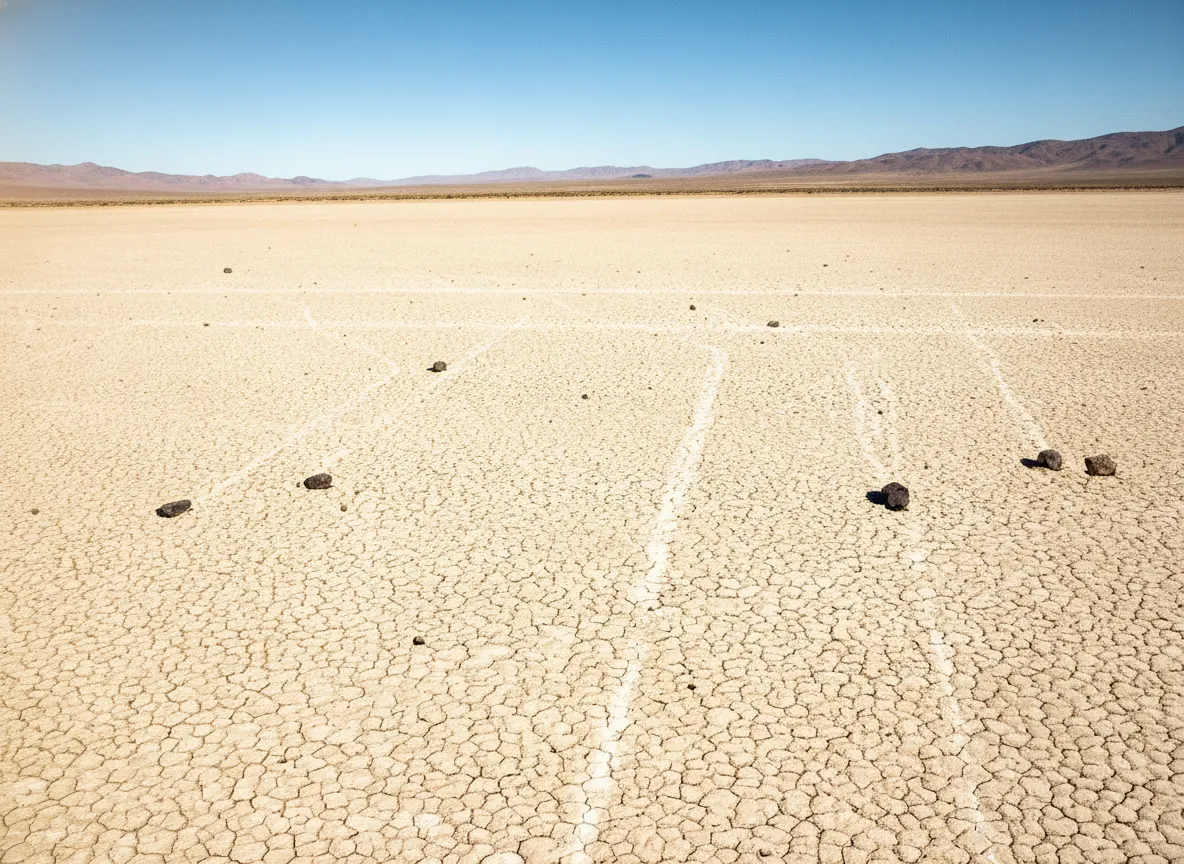
Then, you see them: the rocks. Hundreds of them, scattered across the playa, each telling its own unique story through the intricate patterns of its trail. Some trails are long and straight, others curve gracefully, while a few appear to make sharp, inexplicable turns. You'll see parallel trails, indicating rocks that moved together, and intersecting paths, showing where one rock's journey crossed another's. Each trail is a fleeting record of a powerful, yet delicate, natural event, a testament to a moment in time when the playa came alive.
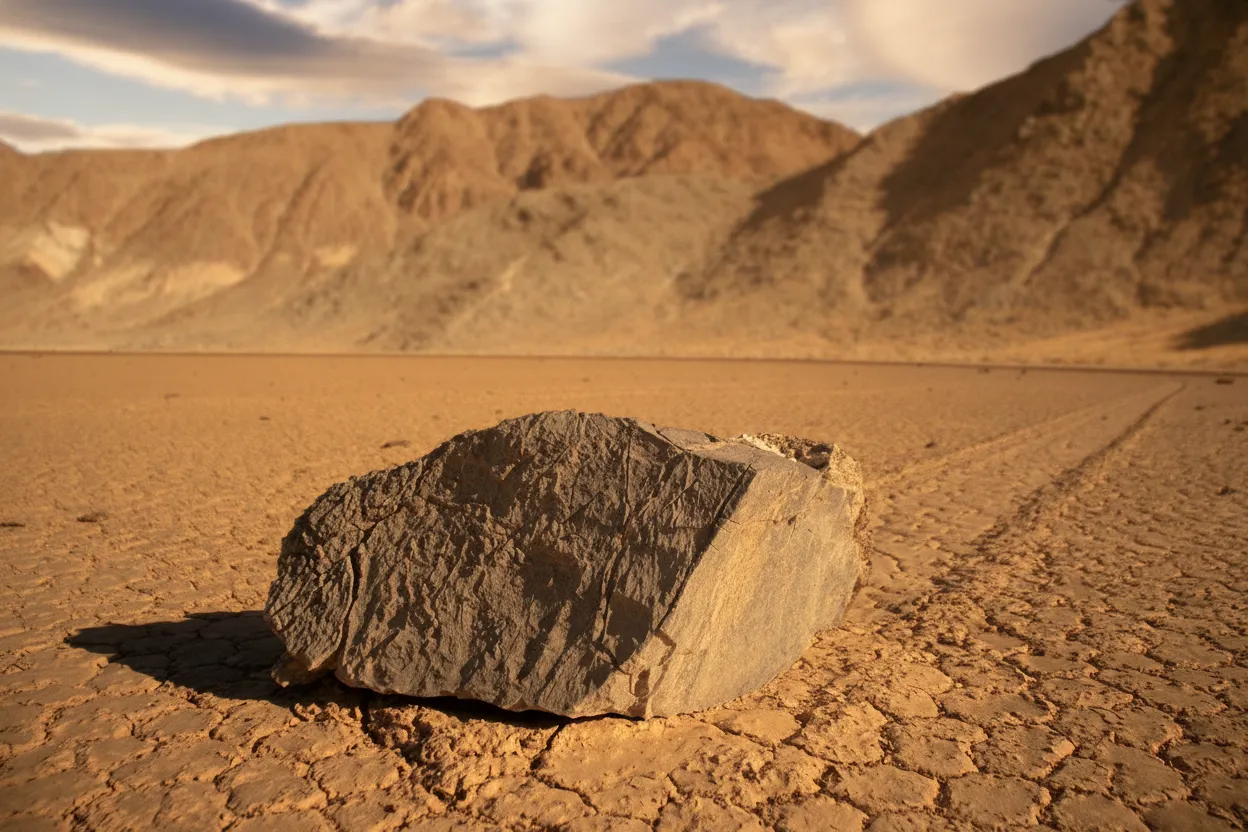
Look closely at the playa surface itself. The polygons of cracked mud create an intricate mosaic, a testament to the cycles of wetting and drying. In the distance, the stark, beautiful peaks of the Cottonwood Mountains and the Last Chance Range frame this surreal landscape, their colors shifting with the sun, from golden hues at dawn to fiery reds at sunset.
As day turns to dusk, the Racetrack transforms. The sky, unpolluted by city lights, becomes a breathtaking canvas of stars, making Death Valley an internationally recognized Dark Sky Park. Camping nearby (in designated areas) allows for an unforgettable night under a cosmic spectacle, adding another layer to the otherworldly magic of this place. It’s not just about seeing the rocks; it’s about feeling the vastness, the solitude, and the raw, untamed beauty of one of Earth's truly unique places, a destination that will etch itself into your memory forever.
Practical Tips for Visiting This Remote Wonder
Visiting the Racetrack Playa is an adventure, not a casual day trip. Its extreme remoteness and the challenging access require careful planning and preparation. Think of it as an expedition!
Getting There
The Racetrack is located in Death Valley National Park, California. The only way to access it is via a roughly 27-mile unpaved, extremely rough gravel road from Ubehebe Crater. A high-clearance 4-wheel drive (4WD) vehicle with sturdy tires is absolutely essential. You'll encounter sharp rocks, washboards, and potentially deep ruts. Standard rental cars are not suitable and may void your rental agreement. Carry at least one, preferably two, full-sized spare tires and the tools to change them. Cell service is non-existent, so be prepared for self-reliance.
Best Time to Visit
The cooler months from October to April are ideal. Summer temperatures in Death Valley can exceed 120°F (49°C), making travel dangerous and often impossible. While the 'sailing' events typically occur in winter, they are rare and unpredictable, so don't expect to witness them firsthand. The beauty of the playa is constant, regardless of rock movement.
What to Bring
This is a self-sufficient journey. Pack ample water (more than you think you'll need – at least 1-2 gallons per person per day), food, extra fuel (there are no services for hundreds of miles), a detailed map (NPS maps are excellent), a GPS device, a first-aid kit, sun protection (hat, sunscreen, sunglasses), layers of clothing for fluctuating temperatures, and emergency supplies. Tell someone your itinerary before you go, as communication will be impossible once you're on the road.
Leave No Trace
The Racetrack Playa is an incredibly fragile environment. It is crucial to stay on existing roads and designated parking areas. Walking on the playa surface is permitted, but do not disturb the rocks or their trails. Do not drive on the playa – tire tracks can last for decades and mar the pristine surface, ruining the natural beauty for future visitors. Pack out everything you pack in, leaving absolutely no trace of your visit. Respect the silence and the solitude, preserving the magic of this place.
Accommodation & Safety
There are no facilities at the Racetrack. The nearest developed campgrounds are at Stovepipe Wells or Furnace Creek, which are a significant drive away (2-3 hours one way from the Racetrack). Primitive backcountry camping is allowed in some areas off the access road, but always check NPS regulations first. The extreme environment of Death Valley demands respect. Be aware of the risks of dehydration, heat stroke, getting lost, or vehicle breakdowns. Always check current road conditions and weather forecasts on the Death Valley National Park website before you go.
A journey to the Racetrack Playa isn't just a trip; it's an unforgettable pilgrimage to one of Earth's most astonishing natural wonders. It's a place that challenges your perceptions, rewards your effort, and leaves you with a profound sense of awe for the hidden forces that shape our world. Are you ready to discover the magic of the sailing stones?
Essential Travel Information
- Location The Racetrack Playa, United States
- Best Time October to April (cooler months)
- Getting There Requires a high-clearance 4WD vehicle via a 27-mile unpaved, rough gravel road from Ubehebe Crater. No cell service, carry spare tires and supplies.
- Airport Harry Reid International Airport (LAS), Las Vegas
- Budget Mid-range (due to 4WD rental necessity, but camping is inexpensive)
- Language English
Find Places to Stay Near The Racetrack Playa
Compare hotels, hostels, and unique stays in United States.
Search AccommodationTours & Experiences Near The Racetrack Playa
Book guided tours, day trips, and unique experiences.
Browse Tours