Unveiling the Architectural Marvels of the Tata Somba
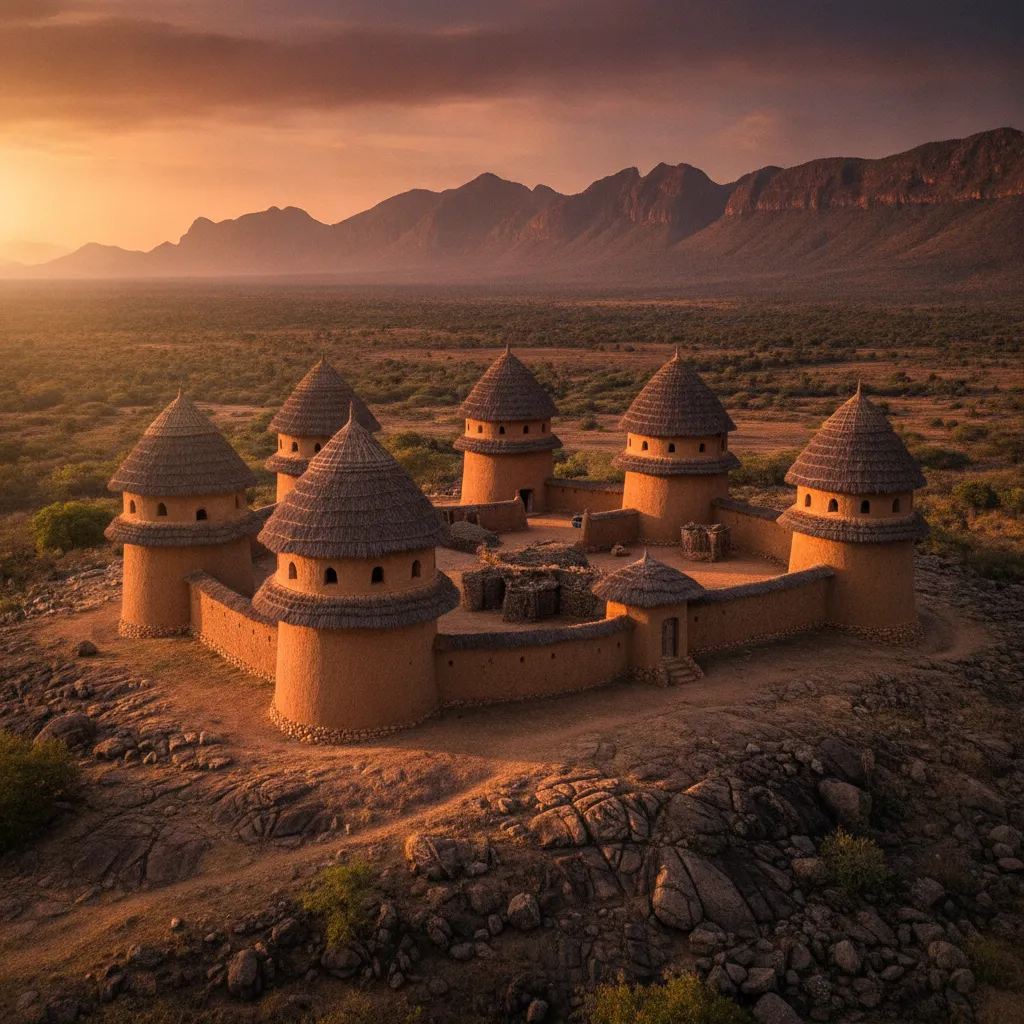
The moment you first glimpse the Seven Sisters of Semeio, you'll understand why they're so aptly named. Rising majestically from the rolling hills, these seven clusters of mud-built homes, known as Tata Somba (plural: Batammariba), resemble miniature castles. Each 'tata' is a self-contained fortress, a testament to the ingenuity and protective spirit of the Batammariba people. These aren't just houses; they are living, breathing monuments, built entirely from earth, wood, and thatch, designed to be both impenetrable and perfectly adapted to their harsh environment.
What makes these structures truly special is their intricate design. Typically two stories high, a Tata Somba house is a marvel of sustainable architecture. The lower level is traditionally reserved for livestock, providing warmth and security for animals at night, while the upper level serves as the family's living quarters, complete with granaries for storing harvested crops. The conical thatched roofs aren't just aesthetically pleasing; they are expertly crafted to withstand torrential rains and provide natural insulation against the intense West African sun. Narrow, often winding entrances make them difficult to penetrate, a crucial defense against the slave raiders who once plagued the region.
Visiting Semeio is like stepping into a time capsule. Unlike many historical sites that are mere ruins, the Tata Somba houses here are still inhabited by generations of families who continue to live, work, and preserve their unique heritage within these very walls. You'll witness daily life unfold as it has for centuries, a profound connection to a past that refuses to fade.
A Legacy Forged in Earth and Resilience: History and Background
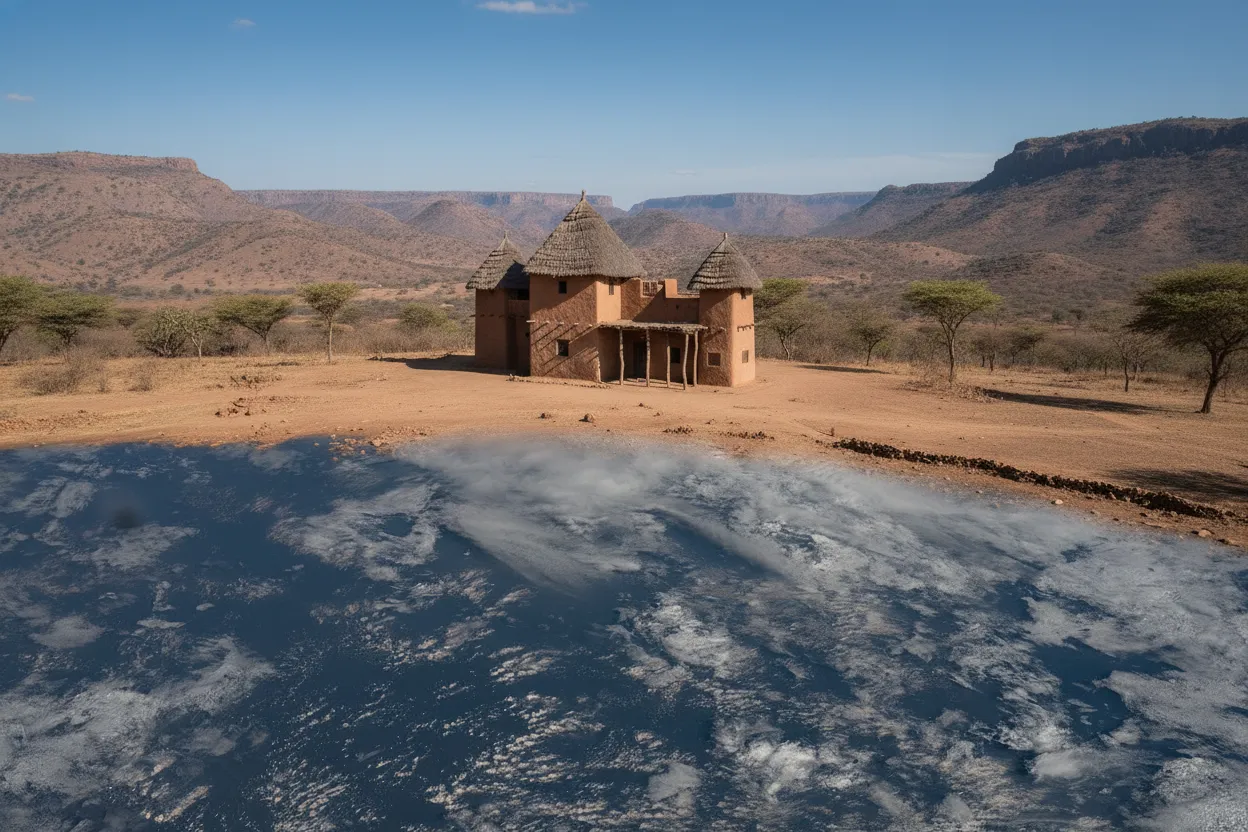
The story of the Tata Somba houses is one of survival, adaptation, and unwavering cultural identity. The Batammariba people, whose name translates roughly to "those who are the true architects of the earth," developed this unique architectural style centuries ago, primarily as a defensive measure. The rugged terrain of the Atakora Mountains offered a natural sanctuary, but the threat of slave raiders and inter-tribal conflicts necessitated homes that could serve as formidable strongholds.
Each Tata Somba was a mini-fortress, designed to protect not just the family but also their valuable livestock and food stores. The thick mud walls provided excellent insulation, keeping interiors cool during the day and warm at night, while the elevated sleeping quarters offered protection from ground-level threats. The construction process itself is a communal affair, passed down through generations, utilizing local materials and traditional techniques that are both sustainable and incredibly durable.
Beyond their defensive capabilities, the Tata Somba houses are deeply intertwined with the spiritual and social fabric of the Batammariba people. They are not just buildings; they are sacred spaces, imbued with ancestral spirits and representing the continuity of family lineage. Each element, from the shape of the granaries to the placement of the entrance, carries cultural significance and reflects a profound understanding of their environment and worldview.
Today, as the world modernizes, the Batammariba in places like Semeio proudly maintain their ancestral homes, resisting the pull of contemporary building styles. This commitment to their heritage offers visitors an unparalleled opportunity to witness a living architectural tradition that truly stands apart.
What You'll See and Experience in Semeio
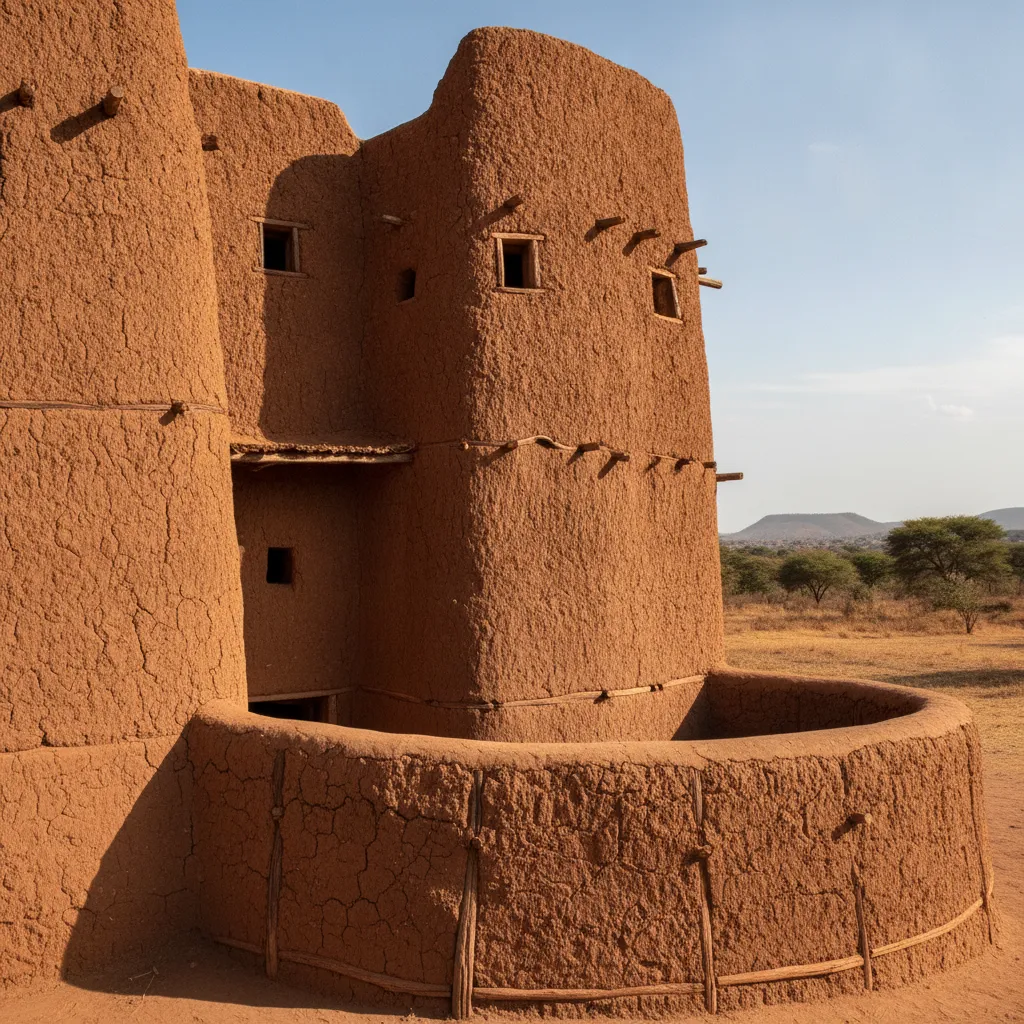
Your journey to the Seven Sisters of Semeio is an immersive cultural adventure. Upon arrival, the sheer scale and craftsmanship of the Tata Somba houses will immediately captivate you. You'll want to wander through the clusters, marveling at the unique shapes, the smooth, sun-baked mud walls, and the intricate thatch work that crowns each structure.
With a local guide, you'll have the invaluable opportunity to step inside these incredible homes. Imagine traversing narrow, dark passages that lead into surprisingly spacious living areas. Your guide will explain the layout: the ground floor often houses goats or chickens, their body heat rising to warm the upper levels. Upstairs, you'll see the hearth, sleeping areas, and the crucial granaries, sometimes shaped like giant terracotta pots, where millet and sorghum are stored. The ingenious design allows for ventilation while protecting precious food supplies from pests and moisture.
Beyond the architecture, the true magic of Semeio lies in its people. You'll witness daily life unfolding against this ancient backdrop: women grinding grain, children playing, and men tending to fields. The Batammariba are known for their hospitality, and with the help of your guide, you may have the chance to interact with families, learn about their customs, and perhaps even share a simple meal. Remember to always ask permission before taking photos, especially of people, as a sign of respect.
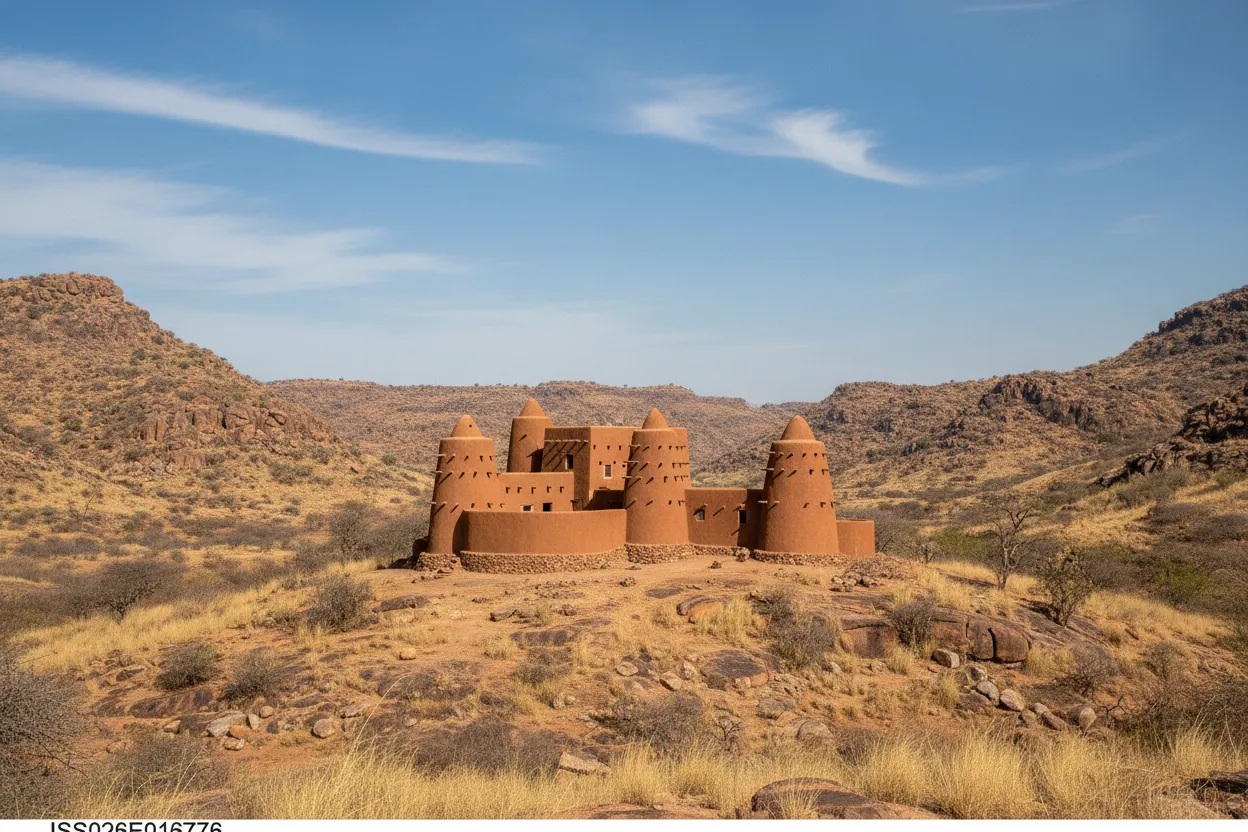
The natural beauty surrounding Semeio is equally stunning. The Atakora Mountains offer a dramatic landscape of rolling hills, scattered baobab trees, and lush greenery, especially during the wetter seasons. A short hike around the village can offer incredible panoramic views of the Tata Somba houses nestled harmoniously within their environment, a truly unforgettable sight.
Practical Tips for Your Journey to This Hidden Gem
Venturing to the Seven Sisters of Semeio is an authentic adventure, requiring a bit of planning and an open mind. Here's what you need to know to make your trip smooth and rewarding:
Best Time to Visit
The dry season, from November to February, is generally the most comfortable time to visit. The weather is cooler and less humid, and roads are more accessible. Avoid the peak rainy season (June to September) when some roads can become impassable.
How to Get There
Your journey will likely begin by flying into Cotonou Cadjehoun Airport (COO), Benin's main international gateway. From Cotonou, you can take a domestic flight or a long-distance bus (approximately 8-10 hours) to Natitingou, the largest town in the Atakora Department and your base for exploring the region. From Natitingou, you'll need to arrange a private vehicle or a moto-taxi (with an experienced driver) to reach Semeio. The roads can be rough, so a 4x4 is recommended if you're driving yourself.
Accommodation and Guides
Natitingou offers several guesthouses and hotels suitable for various budgets. There are no formal accommodations directly in Semeio, as it is a traditional village. It is absolutely essential to hire a local guide from Natitingou. Not only will they navigate you to Semeio and help you communicate (French and local languages are spoken), but they will also facilitate respectful interactions with the villagers, enriching your cultural experience immensely. Your guide can often help arrange transport as well.
Respecting Local Culture
The Batammariba people are welcoming, but cultural sensitivity is paramount. Dress modestly, especially when visiting homes (shoulders and knees covered). Always ask for permission before taking photographs, particularly of people. A small gift or contribution to the community (arranged through your guide) is often appreciated. Be mindful of your environmental impact and leave no trace.
What to Bring
- Sturdy walking shoes for uneven terrain.
- Lightweight, breathable clothing.
- Sun hat, sunglasses, and high-SPF sunscreen.
- Insect repellent.
- Plenty of bottled water.
- Basic first-aid kit.
- A good camera to capture the stunning architecture and landscapes.
- Cash (CFA Franc) for guides, transport, and any purchases, as ATMs are scarce outside Natitingou.
The Seven Sisters of Semeio offer more than just a sightseeing trip; they offer a profound journey into a living history, a chance to witness the enduring spirit of human ingenuity and cultural pride. It's an adventure that will challenge your perceptions, inspire your imagination, and leave you with memories that truly last a lifetime. Prepare to be enchanted by this extraordinary corner of Benin.
Essential Travel Information
- Location The Seven Sisters of Semeio (Les Sept-Soeurs de Semeio), Benin
- Best Time November to February (dry season)
- Getting There Fly to Cotonou (COO), then bus/domestic flight to Natitingou, followed by private car/moto-taxi with a local guide to Semeio.
- Airport Cotonou Cadjehoun Airport (COO)
- Budget Mid-range (approx. $70-$150 per day, including transport and guide)
- Language French (official), Ditammari (local)
Find Places to Stay Near The Seven Sisters of Semeio (Les Sept-Soeurs de Semeio)
Compare hotels, hostels, and unique stays in Benin.
Search AccommodationTours & Experiences Near The Seven Sisters of Semeio (Les Sept-Soeurs de Semeio)
Book guided tours, day trips, and unique experiences.
Browse Tours