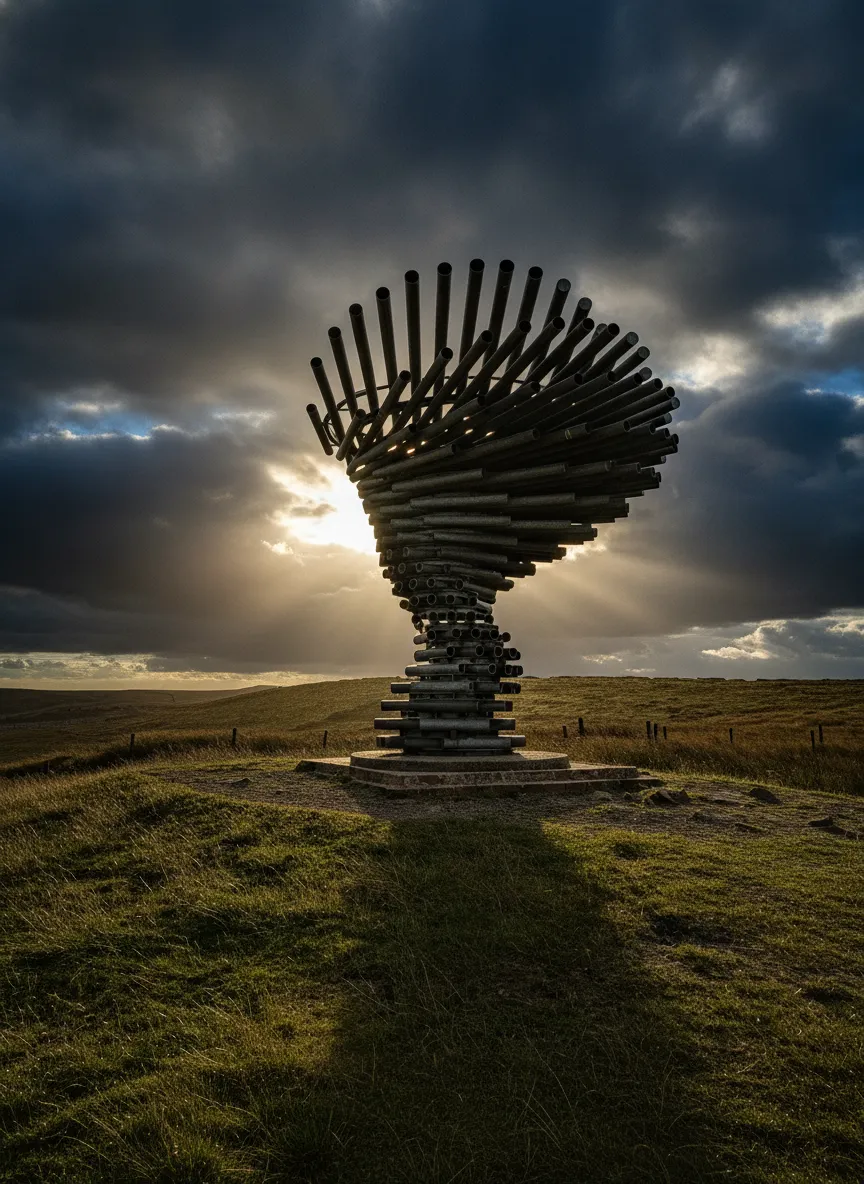
Nestled atop Crown Point near Burnley in Lancashire, this isn't just a sculpture; it's a living, breathing instrument played by the elements themselves. Trust me, standing beneath its metallic branches as the moorland winds whisper, sigh, and howl through its pipes is an ethereal auditory experience unlike any other. It’s a place that invites you to slow down, listen intently, and feel profoundly connected to the wild heart of England.
The Whispering Giant of Panopticons: What Makes it So Special?
From a distance, The Singing Ringing Tree rises majestically against the sky, a striking silhouette that looks almost alien, yet perfectly at home amidst the rugged beauty of the Pennines. As you draw closer, its true nature begins to reveal itself. This isn't a static monument; it's dynamic, responsive, and utterly captivating. Crafted from hundreds of galvanized steel pipes of varying lengths and orientations, the structure is designed to catch every nuance of the wind.
The magic truly happens when the breeze flows through these pipes. Each pipe is tuned to a different note, and as the wind's intensity and direction shift, so does the melody. One moment, you might hear a low, mournful hum, like the distant call of a forgotten age. The next, a playful, high-pitched whistle dances through the air. On a particularly blustery day, the tree can erupt into a full-blown, orchestral crescendo, a cacophony of sound that is both eerie and beautiful, powerful and profoundly moving. It's a symphony composed by nature, played on a magnificent man-made instrument.
What makes it so utterly special is this constant, unpredictable interplay between art and environment. It's a sculpture that demands to be listened to, not just looked at. It encourages a meditative state, urging you to tune into the subtle shifts in the weather, to feel the wind on your face, and to truly hear the landscape itself. It’s a testament to human ingenuity harmonizing with the raw power of nature, creating something truly unique in the world.
A Symphony of Steel: The Story Behind the Singing Ringing Tree
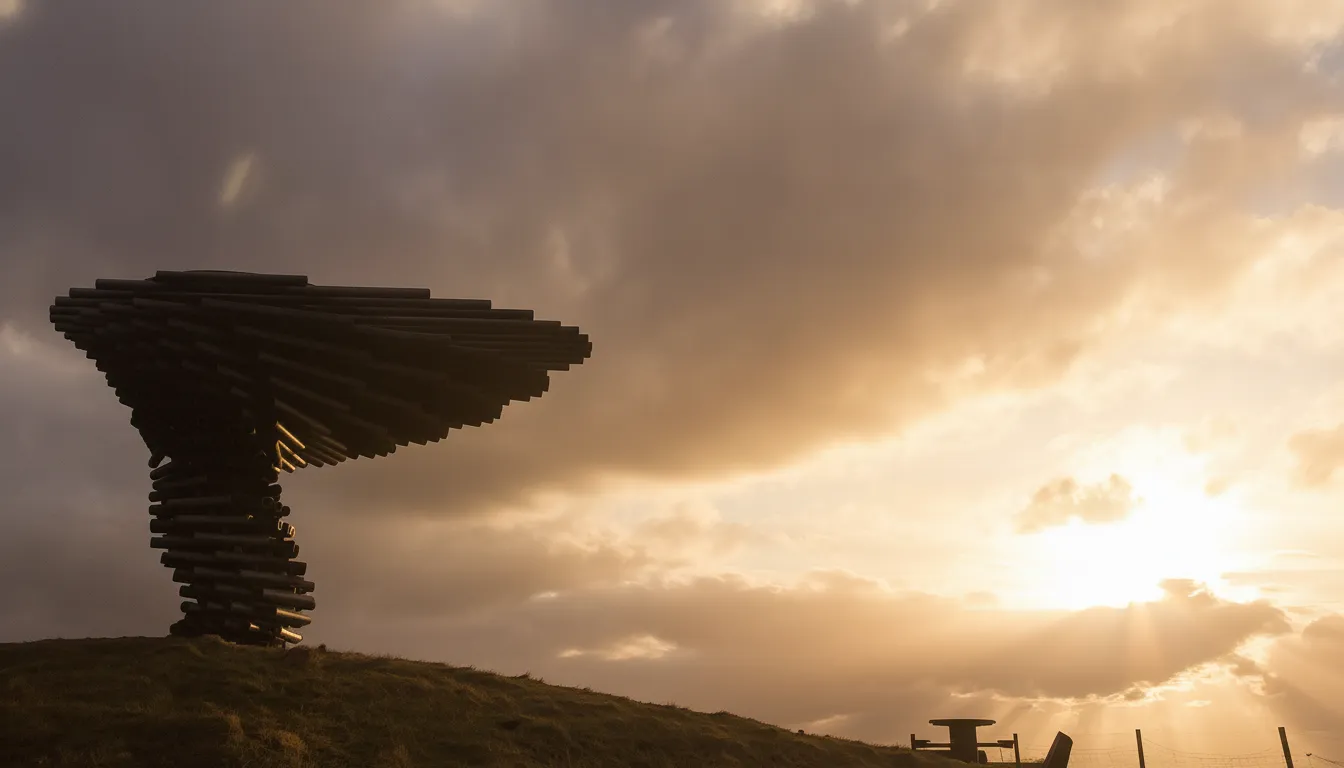
The Singing Ringing Tree is more than just a standalone marvel; it's part of a larger, ambitious art project known as the "Panopticons" (from the Greek for "all-seeing"). This series of 21st-century landmarks was commissioned by the East Lancashire Environmental Arts Network (ELEAN) to regenerate the landscape and economy of East Lancashire, transforming former industrial areas into sites of beauty and intrigue. The idea was to create contemporary structures that offered panoramic views ("panopticons") and acted as beacons of regeneration.
Completed in 2006, The Singing Ringing Tree was designed by architects Mike Tonkin and Anna Liu. Their vision was to create a landmark that was both visually striking and acoustically engaging, a monument that would become synonymous with the unique character of the Pennine landscape. The design process involved extensive research into aeolian (wind-powered) instruments and careful consideration of the prevailing wind patterns on Crown Point.
The choice of galvanized steel was not just for its durability against the harsh moorland weather but also for its aesthetic qualities, allowing the structure to weather naturally and blend with its surroundings over time. The pipes themselves vary in length and diameter, with some having small slits cut into them to produce different tones as the wind passes through. It's a marvel of engineering and artistic foresight, a perfect blend of form, function, and environmental interaction.
The sculpture quickly garnered international recognition, winning the National Award of the Royal Institute of British Architects (RIBA) in 2007. It stands as a proud example of how art can not only enhance a landscape but also provide a new lens through which to experience it, drawing visitors from across the globe to this once-overlooked corner of England.
Your Journey to the Soundscape: What to See and Hear
Your visit to The Singing Ringing Tree begins even before you reach the sculpture itself. The drive up to Crown Point is an ascent into increasingly wild and open countryside, offering tantalizing glimpses of the vast landscapes that await. Once you park, a short, invigorating walk takes you across the moorland paths, building anticipation with every step.
As you approach, the tree's silhouette dominates the horizon. Its scale is impressive – it's much larger than photographs suggest, standing tall and proud. The intricate network of pipes, twisting and turning, creates a mesmerizing visual pattern against the sky. Take a moment to simply observe it, to appreciate the craftsmanship and the way it seems to defy gravity, a metallic sentinel on the hill.
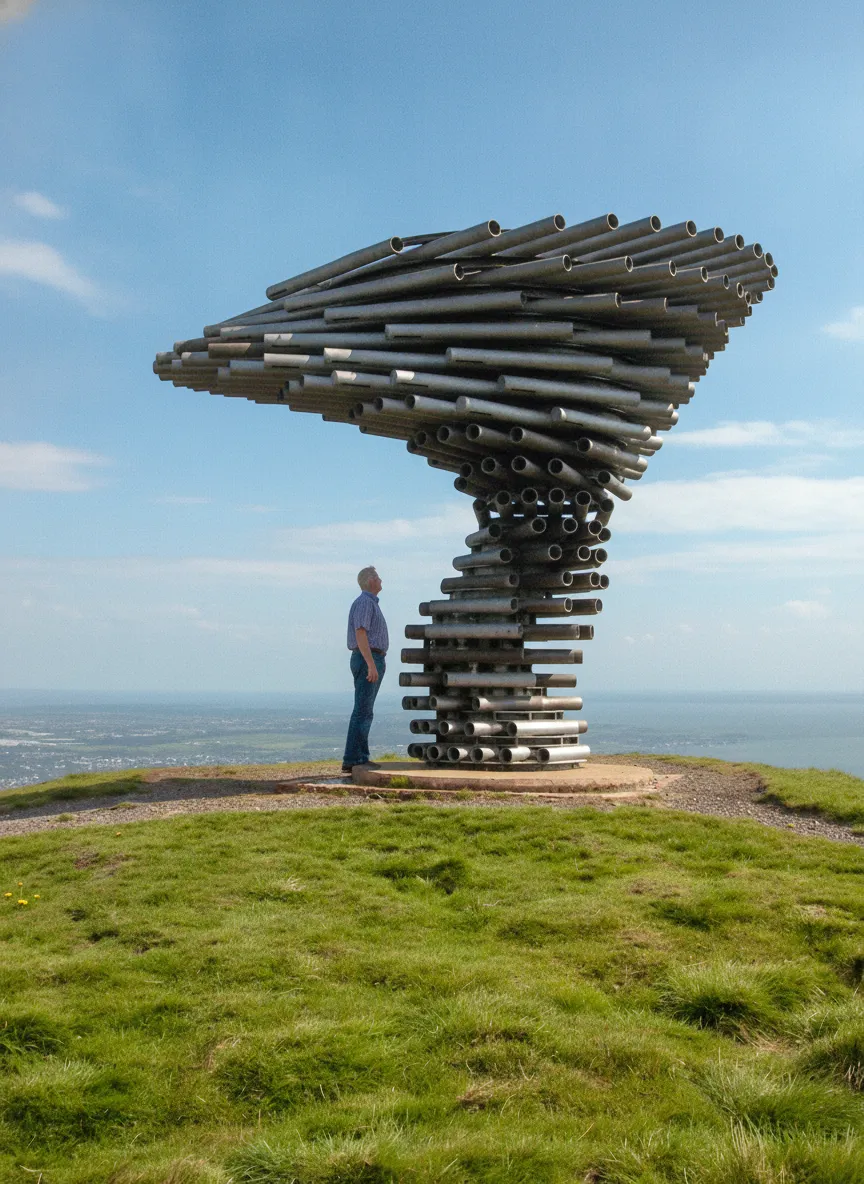
Then, let the sounds wash over you. On a calm day, it might be a faint, almost imperceptible whisper, a subtle hum that requires you to really focus your ears. On a windy day, however, the tree truly comes alive. The sounds are unlike anything you've ever heard – sometimes melodic and harmonious, sometimes dissonant and dramatic. It can evoke feelings of peace, wonder, or even a touch of melancholy. It's truly a unique soundscape that changes with every gust, making each visit a distinct and unrepeatable auditory journey.
Beyond the sculpture itself, the panoramic views from Crown Point are simply spectacular. On a clear day, you can see for miles across the rolling green and brown expanse of the Pennines, stretching out towards the distant peaks. You might spot Burnley laid out below, and if you’re lucky, even catch a glimpse of the iconic Blackpool Tower shimmering on the horizon, miles away on the coast. It’s a perfect spot for photography, picnicking, or simply sitting on a bench, breathing in the fresh moorland air and letting the sounds of the tree and the vastness of the landscape envelop you.
Practical Tips for Your Musical Moorland Adventure
To make the most of your visit to this extraordinary destination, here are a few friendly tips from a seasoned traveler:
- Getting There: The Singing Ringing Tree is located on Crown Point, just a short drive from Burnley, Lancashire. The easiest way to reach it is by car. There's a free car park at the top of Crown Point Road (BB11 5NF), from which it's a relatively easy walk of about 10-15 minutes along a well-maintained path to the sculpture. Public transport options are limited, so driving is highly recommended.
- When to Visit: While the tree is accessible year-round, the best time to experience its full auditory magic is on a windy day. Check the local weather forecast for Burnley before you go! Clear days offer stunning views, but even on a misty, atmospheric day, the tree's haunting sounds can be incredibly evocative. Spring and autumn often provide a good balance of wind and comfortable temperatures.
- Dress for the Moors: This is an exposed moorland location, meaning it can be significantly colder and windier than in the towns below. Always layer up, even on a seemingly warm day. A windproof and waterproof jacket is essential, as is sturdy footwear suitable for walking on potentially muddy or uneven paths.
- Facilities: There are no facilities whatsoever at the site itself – no toilets, no shops, no cafés. This contributes to its wild, unspoiled charm, but it means you need to come prepared. Bring your own water, snacks, and anything else you might need. The nearest amenities are in Burnley.
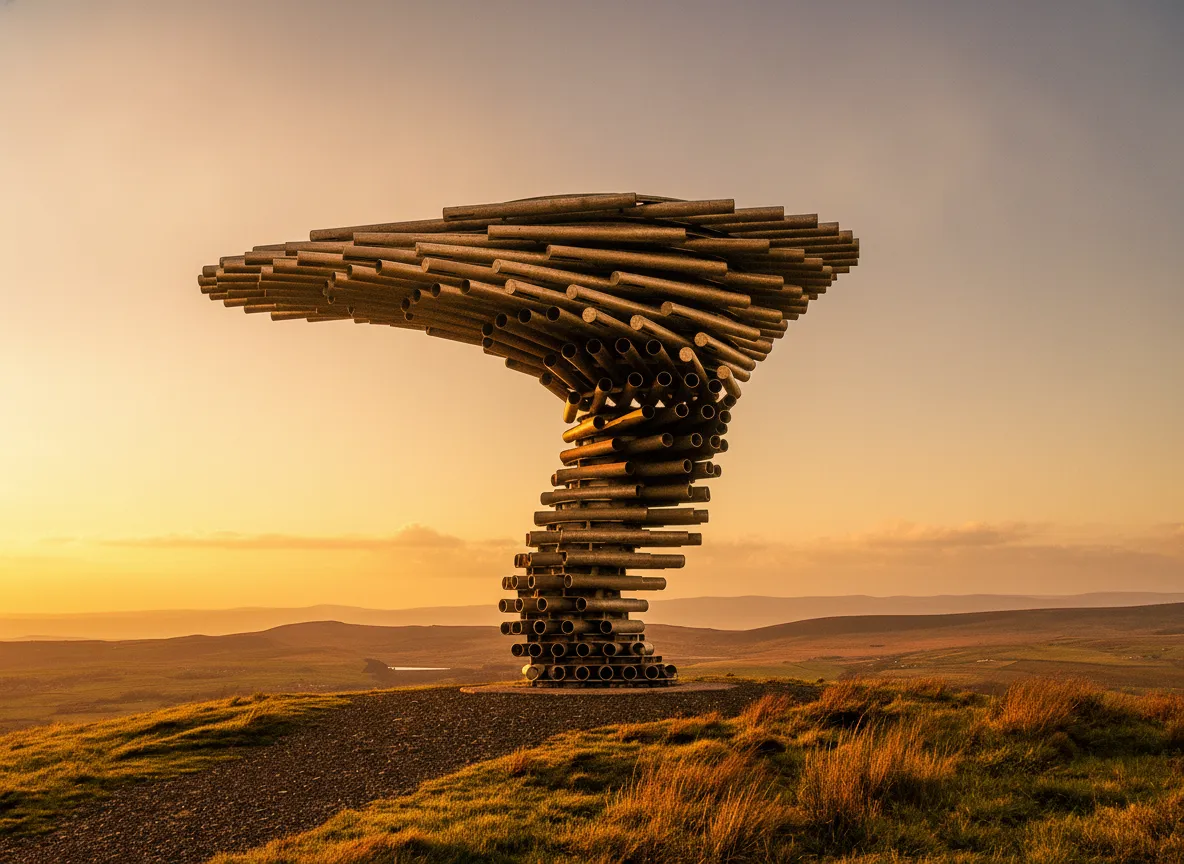
- Photography: The Singing Ringing Tree is incredibly photogenic, offering dramatic shots against various skies and at different times of day. Don't forget your camera!
- Respect the Environment: As with any natural beauty spot, please take all your litter home with you and stick to the marked paths to protect the delicate moorland ecosystem.
- Combine Your Trip: If you're exploring the area, consider visiting other Panopticons in East Lancashire, such as "Colourfields" in Blackburn or "The Atom" in Pendle, to fully appreciate the scope of this artistic initiative.
The Singing Ringing Tree is more than just a sight to behold; it's an experience to be felt, heard, and remembered. It’s a place that reminds us of the profound beauty that can emerge when human creativity meets the untamed spirit of nature. So, pack your bags, prepare for a sonic adventure, and head to the windswept hills of Lancashire – you won't be disappointed.
Essential Travel Information
- Location The Singing Ringing Tree, United Kingdom
- Best Time Windy days for best sound, clear days for views. Spring and Autumn offer a good balance.
- Getting There Best reached by car to Crown Point car park (BB11 5NF), followed by a 10-15 minute walk to the sculpture.
- Airport Manchester Airport (MAN)
- Budget Budget (free entry, main cost is travel)
- Language English
Find Places to Stay Near The Singing Ringing Tree
Compare hotels, hostels, and unique stays in United Kingdom.
Search AccommodationTours & Experiences Near The Singing Ringing Tree
Book guided tours, day trips, and unique experiences.
Browse Tours