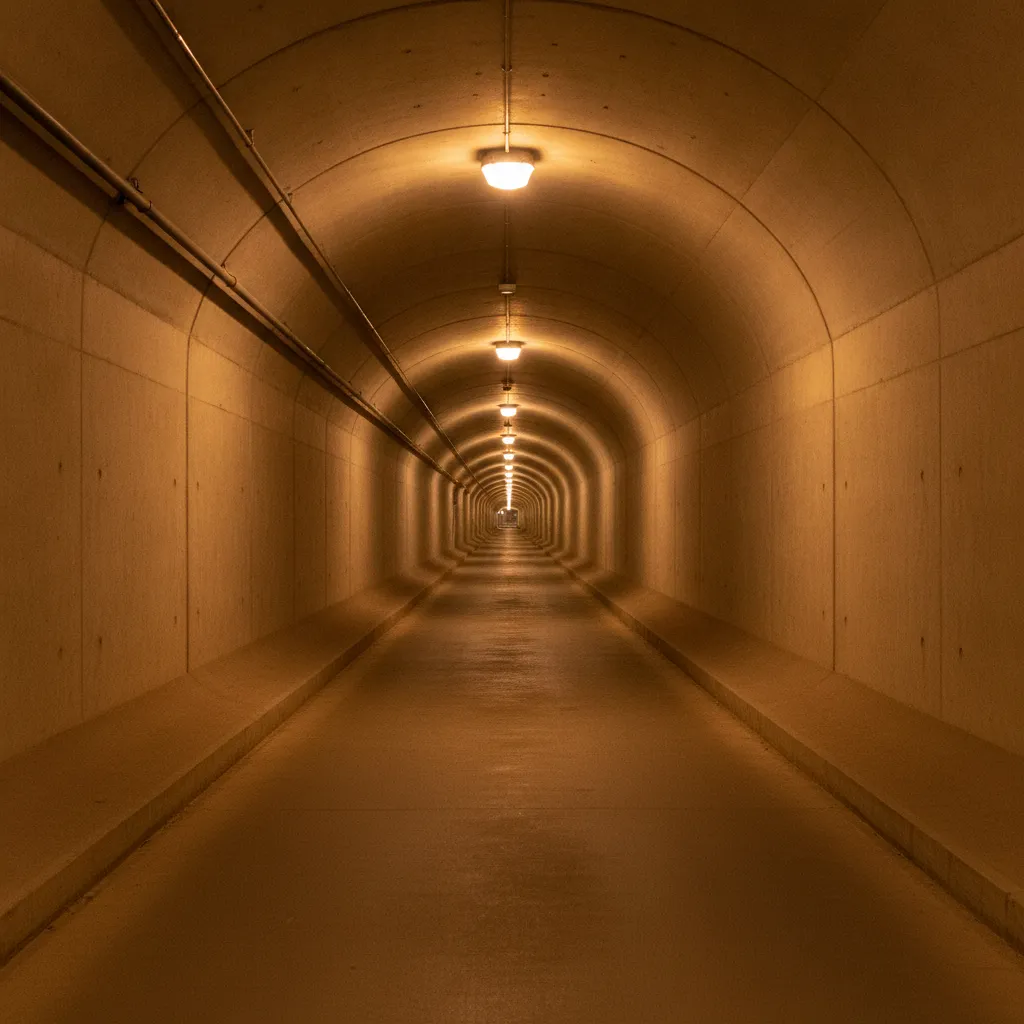
Imagine a place where winter’s icy grip simply vanishes. Where children, living in a vibrant, self-contained city, can traverse their entire world without ever feeling a snowflake or a biting wind. This isn’t a futuristic utopia or a distant land; it’s a hidden marvel deep beneath the sprawling prairies of Illinois. The Subterranean Tunnels of Mooseheart connect an entire "Child City," allowing daily life to flourish, largely unseen, and making the harsh Midwestern winter disappear as if by magic. It’s a testament to visionary planning and functional engineering that has quietly served generations, a secret passageway to comfort and community that few outsiders ever get to witness.
The Hidden Heart of a Child City: What Makes Mooseheart Special
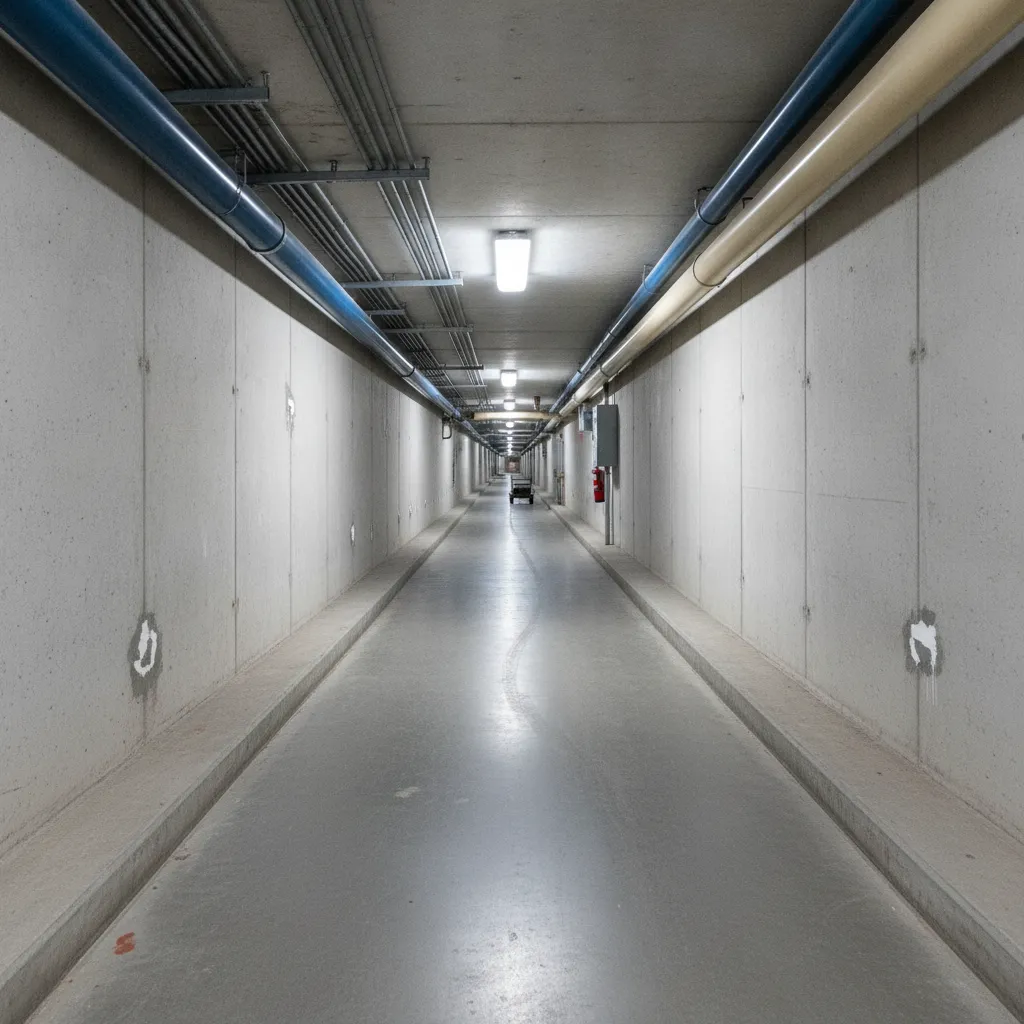
Mooseheart isn't just a school; it's a full-fledged residential community for children and teens in need, founded by the Loyal Order of Moose. Spanning over 1,000 acres near Batavia, Illinois, it’s a self-sufficient village complete with its own academic buildings, dormitories, dining halls, gymnasium, vocational training facilities, and even a church. What truly sets it apart, though, is the incredible network of underground tunnels that knit this entire campus together. These aren't dark, forgotten utility passages; they are well-lit, maintained, and actively used arteries that allow students and staff to move between nearly every major building without stepping foot outside.
Think about the brutal Illinois winters: sub-zero temperatures, blizzards, and icy winds that cut to the bone. For the residents of Mooseheart, these conditions are largely irrelevant to their daily routine. Students can walk from their dorm to class, then to the dining hall, and even to extracurricular activities, all through a climate-controlled underground system. This ingenious solution transforms what would be a logistical nightmare in severe weather into a seamless, comfortable experience. It’s functional engineering at its most impactful, creating an environment where the focus remains purely on learning, growth, and community, unhindered by the elements.
This "Child City" operates with a unique blend of historical charm and practical innovation. It’s a place built on the principles of care, education, and self-reliance, and the tunnels are a physical manifestation of that commitment to the well-being and uninterrupted progress of its residents. For anyone fascinated by urban planning, social history, or simply the magic of a hidden world, Mooseheart offers a truly unparalleled story.
A Legacy of Care: History and Background of Mooseheart
The story of Mooseheart begins over a century ago with the Loyal Order of Moose, a fraternal organization dedicated to charity, community service, and camaraderie. Founded in 1888, the organization quickly recognized a profound need: to provide a safe, nurturing home and quality education for children whose families were unable to care for them, especially those who had lost a parent. This vision led to the establishment of Mooseheart in 1913, a truly ambitious undertaking to create an entire community designed specifically for children.
From its inception, Mooseheart was designed to be a holistic environment. Children lived in "cottages" with house parents, fostering a family-like atmosphere, and attended school on campus, receiving both academic and vocational training. The sheer scale of the campus, combined with the often-harsh Midwestern climate, quickly highlighted a practical challenge: how to efficiently and comfortably move hundreds of children and staff across a vast area, especially during winter.
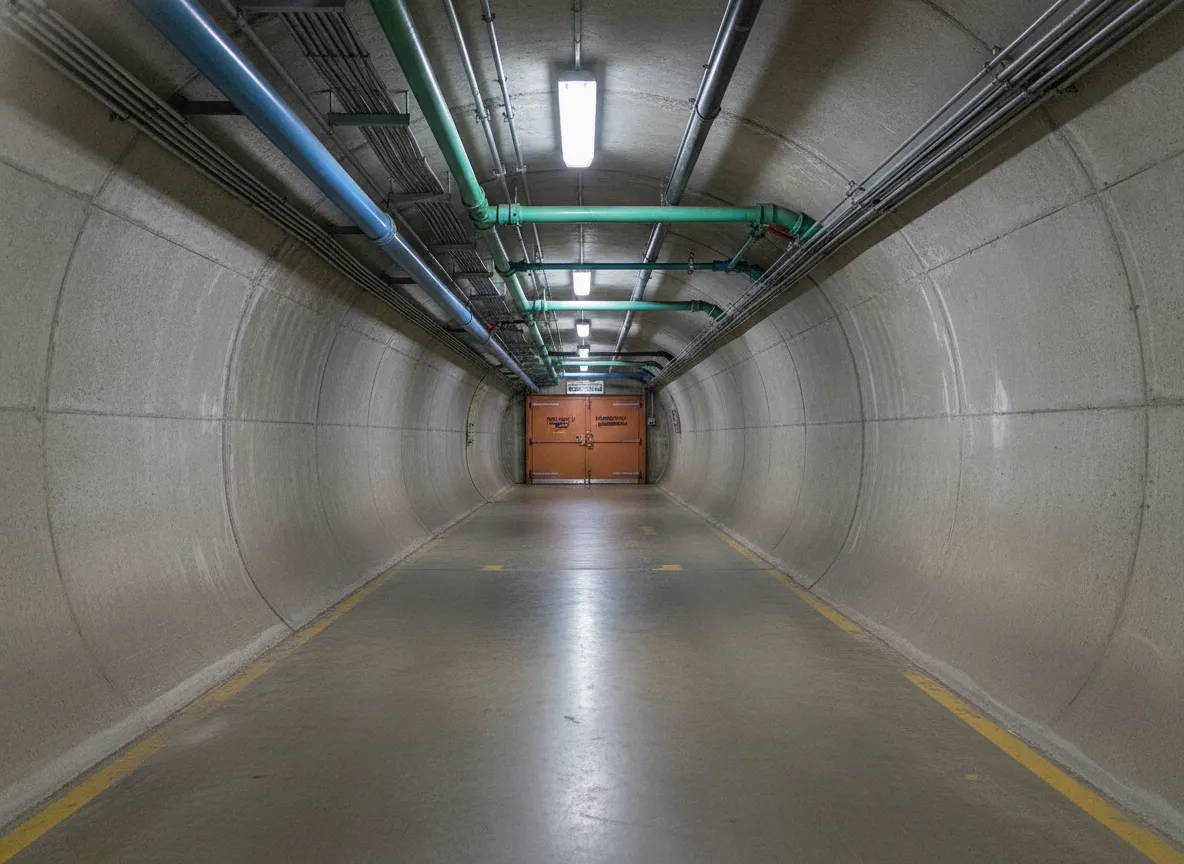
The solution, born out of necessity and forward-thinking design, was the construction of the extensive tunnel system. These tunnels weren't an afterthought; they were an integral part of the campus's infrastructure, meticulously planned and built to ensure connectivity and year-round accessibility. Over the decades, as new buildings were added, the tunnel network expanded, becoming the subterranean circulatory system of this unique child city. This commitment to practical solutions, deeply rooted in the organization's ethos of care, transformed Mooseheart into an architectural and social marvel, showcasing how thoughtful infrastructure can profoundly enhance quality of life.
Beneath the Surface: What You'll See (and Experience)
While the Subterranean Tunnels of Mooseheart are not a public tourist attraction in the conventional sense, their existence and function are truly captivating. If you were to gain a rare glimpse inside, you wouldn't find ornate decorations or ancient ruins. Instead, you'd discover a bustling, incredibly utilitarian network that is a living, breathing part of the Mooseheart community.
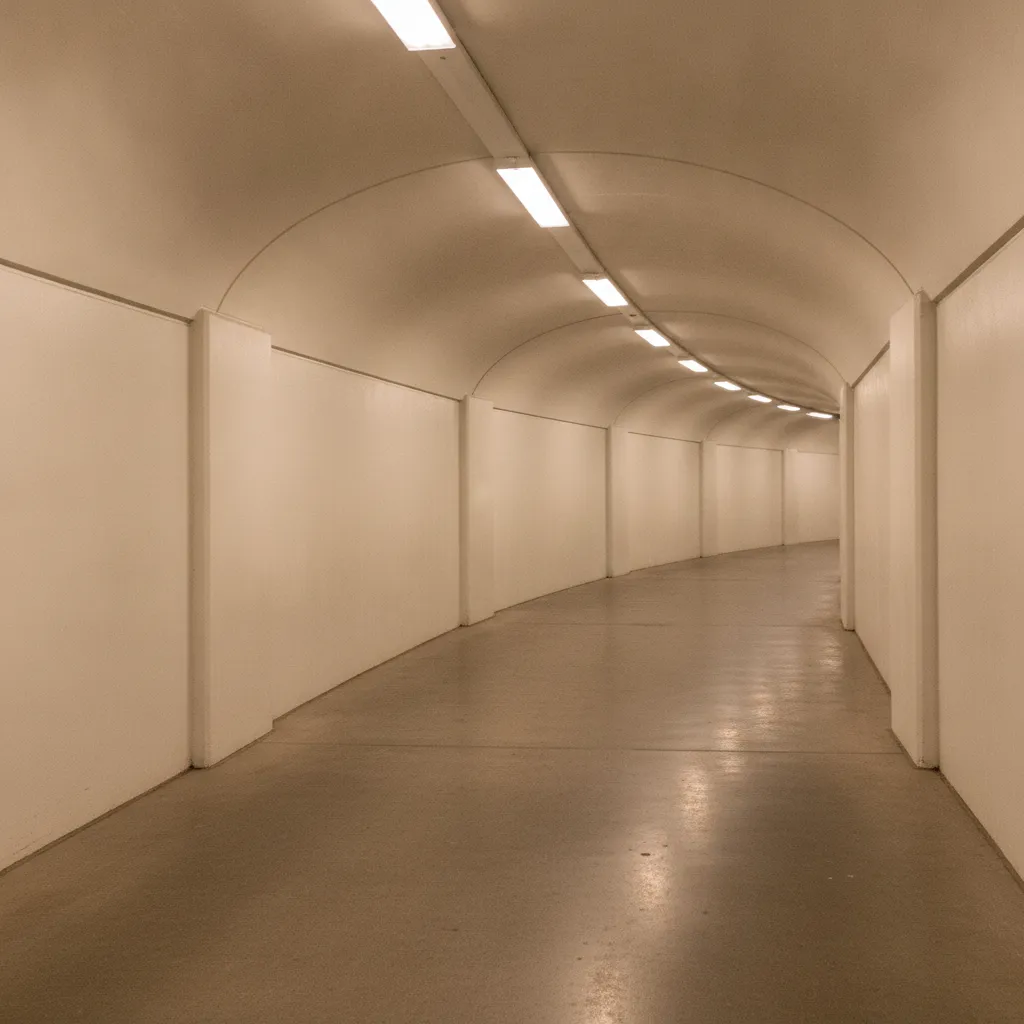
The tunnels are well-lit, clean, and surprisingly spacious. Their concrete walls and floors speak to their durable construction, designed for heavy daily use. You'd likely hear the quiet hum of activity – the distant sound of students laughing, the soft echo of footsteps, perhaps the rumble of a utility cart. Signage would point the way to different buildings: the "Academic Building," the "Dining Hall," "Girls' Dorms," "Boys' Dorms," the "Gymnasium," and various vocational workshops. It's a true underground city street, but one dedicated to education and daily life.
Walking through these tunnels offers a profound sense of the foresight and care that went into Mooseheart's design. You'd feel the consistent warmth, a stark contrast to whatever the weather might be doing above ground. It's an immersive experience that highlights the ingenious simplicity of a solution to a complex environmental challenge. Rather than a curiosity, the tunnels are an essential, seamless extension of the campus, allowing the students to focus on their studies and personal development, unburdened by the external world's inclement conditions. It's a powerful reminder of how infrastructure, when thoughtfully applied, can truly shape and improve human experience.
Unearthing the Experience: Practical Visit Tips
Given its primary function as a residential educational institution, the Subterranean Tunnels of Mooseheart are not open for casual public tours. This isn't a museum or a typical tourist destination; it's the operational backbone of a vibrant, living community dedicated to its students' well-being and privacy. However, for those with a genuine interest in its unique history, architecture, or social mission, there may be limited avenues to learn more or potentially experience aspects of the campus.
Your best first step would be to visit the official Mooseheart website (mooseheart.org). They often have information about their mission, history, and sometimes even virtual tours or videos that offer glimpses into campus life, which may include views of the tunnels or discussions about their function. Alumni events or special historical society programs might occasionally offer more direct access or guided experiences, so keeping an eye on their events calendar or contacting their administrative office with a specific, well-articulated request (e.g., for architectural study, historical research) could be a possibility. Always remember to respect the privacy and educational environment of the students.
While direct access to the tunnels themselves is rare for the general public, the story of Mooseheart and its unique infrastructure remains a compelling narrative. If you're in the greater Chicago area, you can still appreciate the visible campus from the outside, understanding that beneath your feet lies a hidden world. Nearby attractions include the charming city of Batavia, the Fermi National Accelerator Laboratory (Fermilab) with its bison herd and science exhibits, and various forest preserves offering beautiful natural landscapes. These provide excellent opportunities to explore the rich history and natural beauty of the Fox River Valley, even as the subterranean secrets of Mooseheart continue to operate, quietly and efficiently, beneath the Illinois earth.
The Subterranean Tunnels of Mooseheart stand as a remarkable testament to innovation, compassion, and the enduring power of community. It’s a hidden gem, not because it’s difficult to find on a map, but because its true magic lies in its purpose and its seamless integration into the daily lives of those it serves. It’s a reminder that sometimes, the most extraordinary wonders are those designed not for show, but for the quiet, consistent betterment of human lives, making the impossible, or at least the incredibly inconvenient, simply disappear.
Essential Travel Information
- Location The Subterranean Tunnels of Mooseheart, United States
- Best Time Year-round, as the tunnels negate weather, but winter best highlights their purpose.
- Getting There Located near Batavia, Illinois. Accessible by car; approximately 1 hour west of Chicago.
- Airport O'Hare International Airport (ORD) or Midway International Airport (MDW)
- Budget N/A for public tours; private educational institution. No public entrance fee.
- Language English
Find Places to Stay Near The Subterranean Tunnels of Mooseheart
Compare hotels, hostels, and unique stays in United States.
Search AccommodationTours & Experiences Near The Subterranean Tunnels of Mooseheart
Book guided tours, day trips, and unique experiences.
Browse Tours