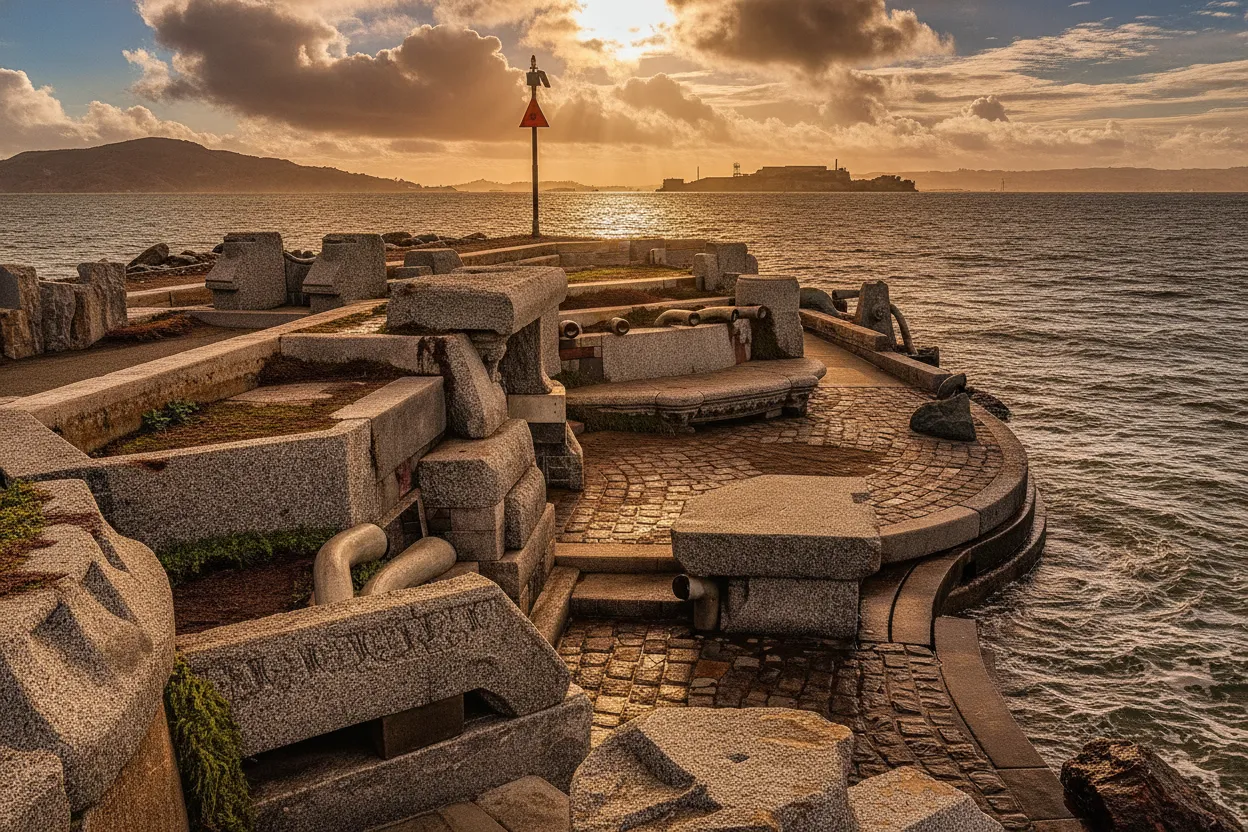
Imagine an orchestra where the restless Pacific Ocean is the conductor, playing haunting melodies through an array of pipes and concrete structures. This isn't a fantasy; it's a hidden reality nestled on a quiet jetty in San Francisco, a city renowned for its iconic landmarks but also for its well-kept secrets. If you're seeking a travel experience that transcends the ordinary, a place that whispers to your soul with the very voice of the sea, then prepare to be captivated by The Wave Organ. This isn't just a destination; it's an auditory journey, a meditative escape, and a profound connection to nature's rhythm, waiting to be discovered by intrepid travelers like you.
The Ocean's Own Symphony: What is The Wave Organ?
The Wave Organ is perhaps one of the most unique acoustical sculptures in the entire world, a testament to artistic ingenuity and the raw power of nature. Far from the bustling tourist hubs, tucked away on a breakwater near the St. Francis Yacht Club, it’s an installation designed to harness the energy of the San Francisco Bay. Through an intricate network of PVC and concrete pipes of varying lengths and diameters, strategically placed at different elevations, the organ amplifies the sounds of waves as they crash, surge, and recede against the structure. The result is an ever-changing, symphonic watery serenade – a chorus of gurgles, splashes, hums, and resonant tones that shifts with every tide, every ripple, and every passing ship.
It's an experience that engages more than just your ears. As you sit among the cold, sturdy concrete and feel the salty breeze on your face, the sounds seem to resonate deep within you. It’s a primal, almost ancient music, a direct conversation with the ocean itself. Unlike a conventional musical instrument with fixed notes, The Wave Organ’s performance is entirely spontaneous and organic. High tide brings a richer, more pronounced soundscape, a deep bass rumble accompanied by melodic gurgles. Low tide might offer quieter, more subtle whispers and gentle lapping. It's a living, breathing piece of art, constantly reinterpreting its own score, inviting you to slow down, listen intently, and lose yourself in its hypnotic rhythm.
For those who've grown weary of crowded attractions and predictable sightseeing, The Wave Organ offers a refreshing antidote. It's a place for contemplation, a sanctuary of sound where the boundaries between art, nature, and engineering blur. It’s a profound reminder that beauty and wonder often lie in the overlooked corners, waiting for those curious enough to seek them out.
A Symphony of Salvage: The Story Behind the Sound
The story of The Wave Organ is as intriguing as its sound. This remarkable acoustical sculpture was conceived by artist Peter Richards and built in collaboration with stone mason George Gonzales. The project came to life in 1986, stemming from Richards' residency at the renowned Exploratorium, San Francisco's interactive science museum. The Exploratorium, known for its hands-on exhibits that demystify scientific phenomena, provided the perfect intellectual environment for such an experimental and ambitious undertaking.
What makes its construction even more fascinating is its resourceful origin. The Wave Organ was largely constructed from salvaged materials, giving it a unique character and a subtle narrative of rebirth. Many of the granite and marble elements used in its structure were repurposed from a demolished cemetery in the San Francisco Bay Area. Imagine the history embedded within those stones, now re-engineered to sing with the ocean's voice. This choice of material not only speaks to a commitment to sustainability but also adds a layer of poignant beauty to the installation – a place of rest for the past now actively creating new experiences in the present.
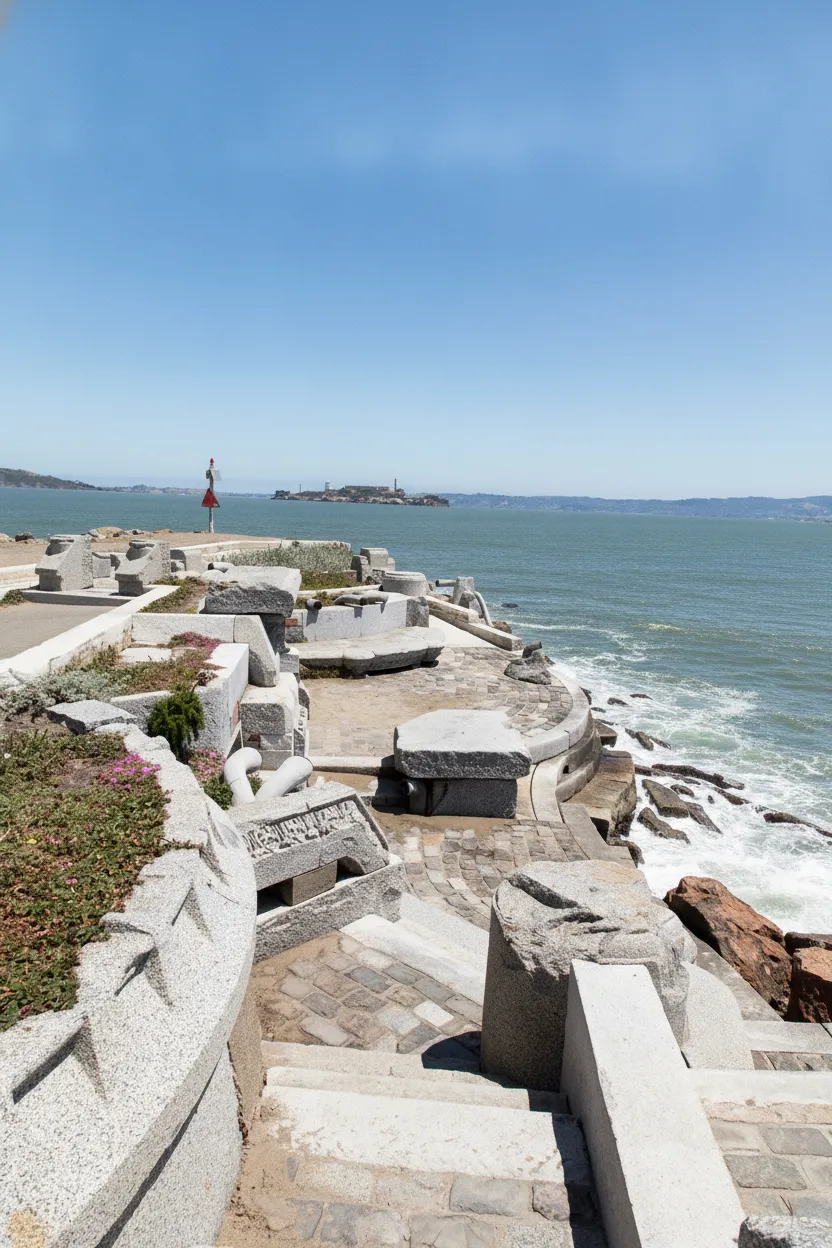
The site itself is crucial to its magic. It's located at the very end of a long, curving jetty that extends into the San Francisco Bay, offering panoramic views of the city skyline, Alcatraz, and the Golden Gate Bridge in the distance. This specific placement ensures maximum exposure to the bay's tidal movements and wave action, essential for the organ's functioning. The journey to reach it, often a pleasant walk or bike ride along the waterfront, adds to the sense of discovery, leading you further and further away from the urban clamor until you arrive at this serene, sonic sanctuary.
Experiencing the Ocean's Melody: What to Expect on Your Visit
Visiting The Wave Organ isn't just about seeing; it's about experiencing. As you step onto the jetty and approach the structure, the first thing you'll notice is its stark, almost brutalist aesthetic. Large blocks of granite and concrete are arranged in a seemingly haphazard manner, yet each piece plays a vital role in channeling the water and shaping the sound. The pipes, some visible, some hidden beneath the surface, are the true instruments of this natural orchestra.
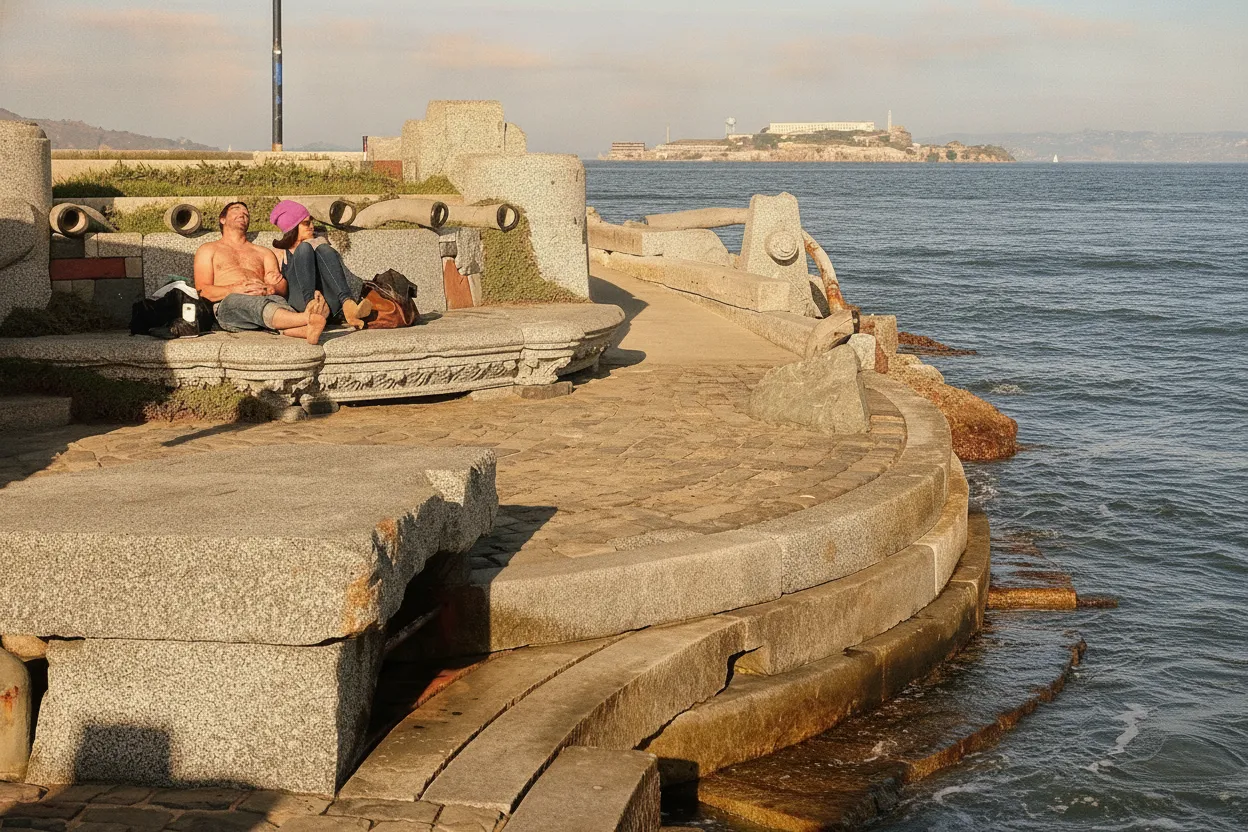
Find a comfortable spot to sit – perhaps on one of the smooth stone benches or directly on the concrete platforms. Close your eyes for a moment and simply listen. The sounds will wash over you, a complex tapestry of natural acoustics. You might hear deep, resonant thrums as large waves push air through wider pipes, or delicate, high-pitched gurgles as smaller currents bubble through narrower ones. Sometimes, a sudden splash will punctuate the steady rhythm, while at other times, a sustained, almost mournful hum will fill the air. The symphony is never the same twice, making each visit a unique auditory adventure.
Beyond the captivating sounds, the location itself offers breathtaking views. From the tip of the jetty, you'll have an unobstructed vista of the San Francisco Bay. Alcatraz Island seems to float majestically in the distance, while the iconic Golden Gate Bridge often peeks out from behind the yacht club. The city skyline, usually a dominant feature, here becomes a serene backdrop to the foreground's natural artistry. It’s a perfect spot for quiet contemplation, photography, or simply enjoying the vastness of the bay. Don't be surprised if you find yourself lingering for an hour or more, drawn into the meditative quality of the place.
Practical Tips for Your San Francisco Sound Adventure
To truly appreciate The Wave Organ, a little planning goes a long way. Here are some insider tips to make your visit unforgettable:
Timing is Everything: The best time to visit is during high tide. This is when the waves have the most impact on the pipes, creating the richest and most diverse soundscape. Check local tide charts before you go. A calm day, even at high tide, can offer a more subtle and ethereal experience, while a choppier day might deliver a more dramatic performance. Early mornings or late afternoons can also provide beautiful light for photography and fewer crowds.
Dress in Layers: San Francisco weather is notoriously fickle. Even on a sunny day, the bay breeze can be chilly, especially out on the exposed jetty. Bring warm layers, a windbreaker, and perhaps a hat to stay comfortable.
Comfortable Footwear: The walk along the jetty is flat and paved, but you might want to explore around the concrete structures, which can be uneven. Comfortable walking shoes are a must.
How to Get There: The Wave Organ is located at the end of a jetty near the St. Francis Yacht Club, just east of the Golden Gate Yacht Club. Parking is available nearby, though it can fill up on weekends. Many visitors enjoy walking or biking along the scenic waterfront paths from Fisherman's Wharf or Crissy Field to reach it. Public transportation options are limited directly to the site, but you can take a bus to nearby Marina Boulevard and enjoy a pleasant walk.
Bring Your Camera (and Patience): The Wave Organ is incredibly photogenic, especially with the bay and city as a backdrop. However, the true magic lies in its sound, so allow yourself time to simply sit, listen, and absorb the unique atmosphere. A pair of headphones might seem counterintuitive, but they can help block out any ambient noise and allow you to focus purely on the organ's sounds.
Respect the Space: This is a public art installation, but it’s also a tranquil spot for reflection. Be mindful of others, keep noise to a minimum, and leave no trace behind.
Combine Your Visit: The Wave Organ is conveniently located near other fantastic San Francisco attractions. Consider pairing your visit with an exploration of the Exploratorium (which inspired the organ!), a stroll through Crissy Field, or a visit to the Palace of Fine Arts. It's a perfect complement to a day of cultural and natural discovery.
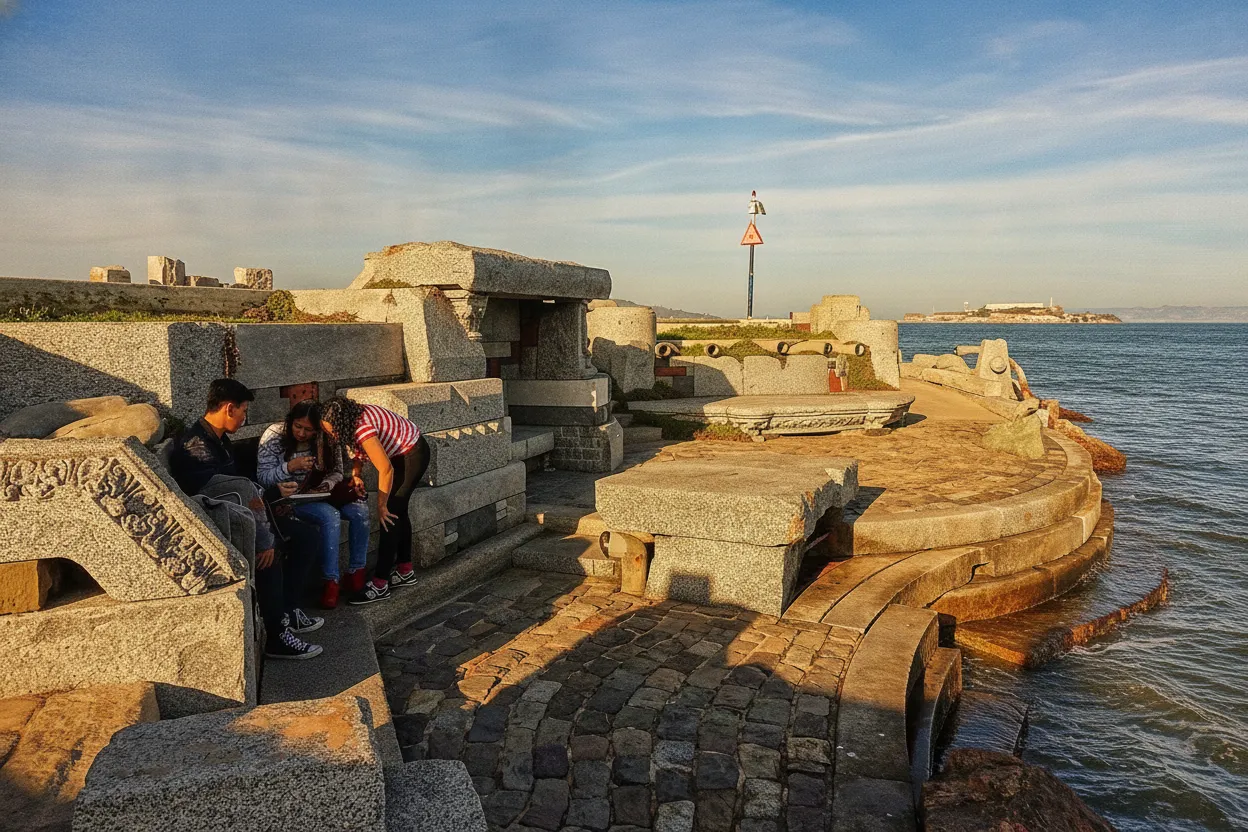
In a city celebrated for its iconic landmarks and vibrant culture, The Wave Organ stands as a testament to the quiet power of art and nature. It’s a place that challenges your perceptions, soothes your spirit, and offers a truly unique sensory experience. So, next time you find yourself in San Francisco, step off the beaten path, follow the whispers of the tide, and let the Pacific Ocean serenade you with its unforgettable symphony. You might just discover your new favorite hidden gem.
Essential Travel Information
- Location The Wave Organ, United States
- Best Time High tide, calm days, early morning or late afternoon (check local tide charts)
- Getting There Located on a jetty near the St. Francis Yacht Club. Walk/bike from Crissy Field or Marina Green. Limited parking available. Public transport to Marina Blvd then walk.
- Airport San Francisco International Airport (SFO)
- Budget Budget (free to visit)
- Language English
Find Places to Stay Near The Wave Organ
Compare hotels, hostels, and unique stays in United States.
Search AccommodationTours & Experiences Near The Wave Organ
Book guided tours, day trips, and unique experiences.
Browse Tours