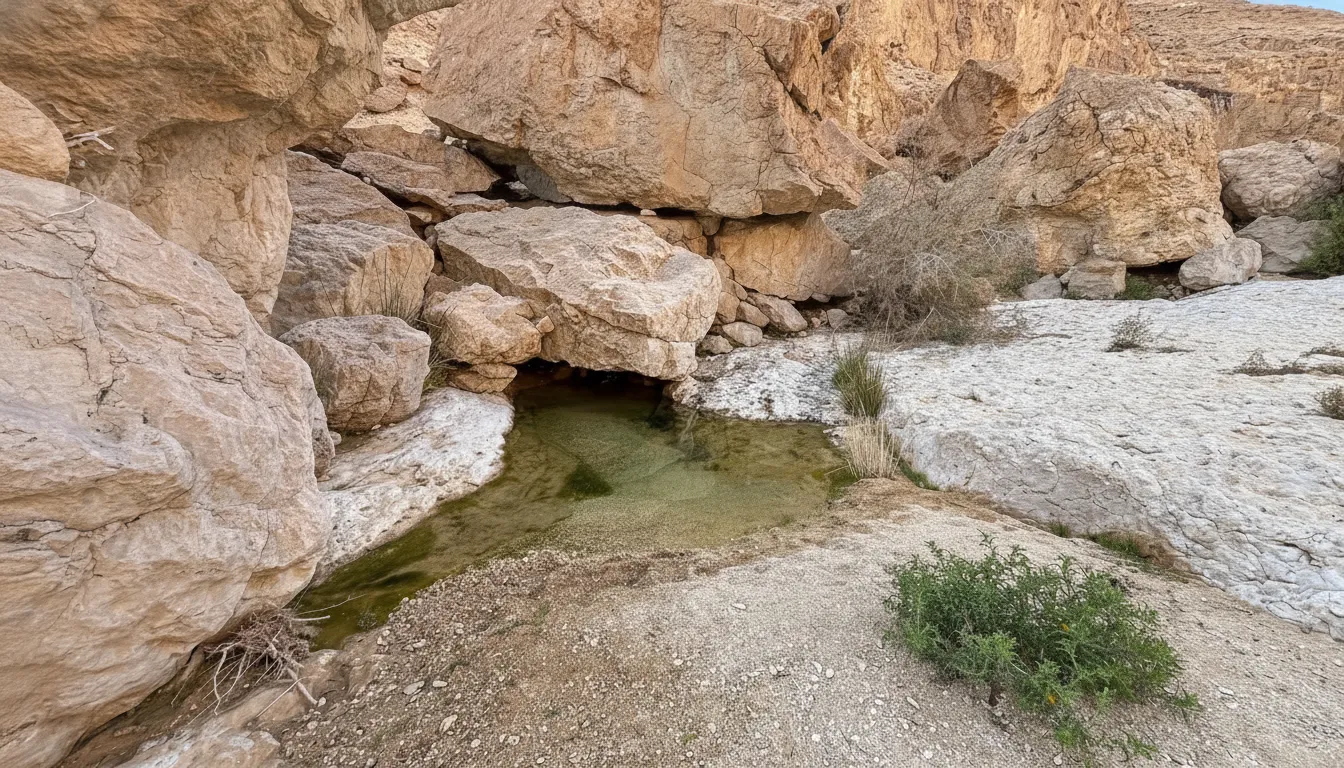
Imagine a canyon so blindingly white, its smooth walls feel like walking on the bleached bones of a forgotten world. The air shimmers with an almost blinding intensity, the silence broken only by the crunch of your boots on the ancient riverbed. This isn't a fantasy; it's the White Canyon, or Ein Shaviv, a geological masterpiece tucked deep within the remote heart of Israel's Negev Desert. It's a place where the earth itself seems to have been sculpted by an ethereal hand, where light dances on undulating chalkstone, and a hidden spring breathes life into an otherwise stark, monochromatic landscape. Prepare to discover one of Israel's most captivating secrets, a surreal journey that few outside of adventurous locals ever get to experience.
Unveiling the White Canyon: A Desert Dreamscape
The White Canyon is less a canyon in the traditional sense and more a gallery of natural art. Carved over millennia by the relentless power of ancient flash floods, its soft chalkstone walls have been meticulously sculpted into smooth, flowing curves and dramatic, wave-like formations. Walking through it feels like traversing an alien landscape, a place where gravity seems to have been suspended, allowing the earth to ripple and fold into impossible shapes. The dazzling white of the chalkstone, a stark contrast to the ochre and brown hues typically associated with desert environments, reflects the intense Negev sunlight with an almost otherworldly glow. This creates a constantly shifting play of light and shadow, transforming the canyon into a living, breathing sculpture that changes with every hour of the day.
What truly sets the White Canyon apart is its profound sense of seclusion. It’s not on the main tourist routes, and reaching it requires a commitment to adventure. This remoteness is precisely what preserves its pristine beauty and enhances the feeling of discovery. When you finally step into its cool, shaded depths, you’re not just entering a geological formation; you’re entering a sanctuary, a quiet testament to the raw, untamed power of nature. It’s a place that humbles you, inviting contemplation and inspiring a deep connection to the earth's ancient processes.
Carved by Time: The Geological Story of Ein Shaviv
To truly appreciate the White Canyon, we must understand its origins. The Negev Desert, though seemingly barren today, has a rich geological history shaped by both ancient seas and dramatic climatic shifts. The soft, white chalkstone that forms the canyon walls is a testament to a time when this region lay beneath the ocean. Over millions of years, the accumulation of marine organisms and sediments hardened into the bedrock we see today. Fast forward to a more recent geological era, and the forces of erosion took over.
The Negev experiences infrequent but incredibly powerful flash floods. These torrential downpours, though rare, unleash immense volumes of water that surge through wadis (dry riverbeds), carving pathways through the softer rock. Over countless cycles of flood and drought, these ephemeral rivers have patiently sculpted the White Canyon, shaping its once-jagged edges into the smooth, undulating forms that entrance visitors today. Each curve, every ripple in the stone, tells a story of water’s persistent power against rock, a slow-motion dance that continues to this day.
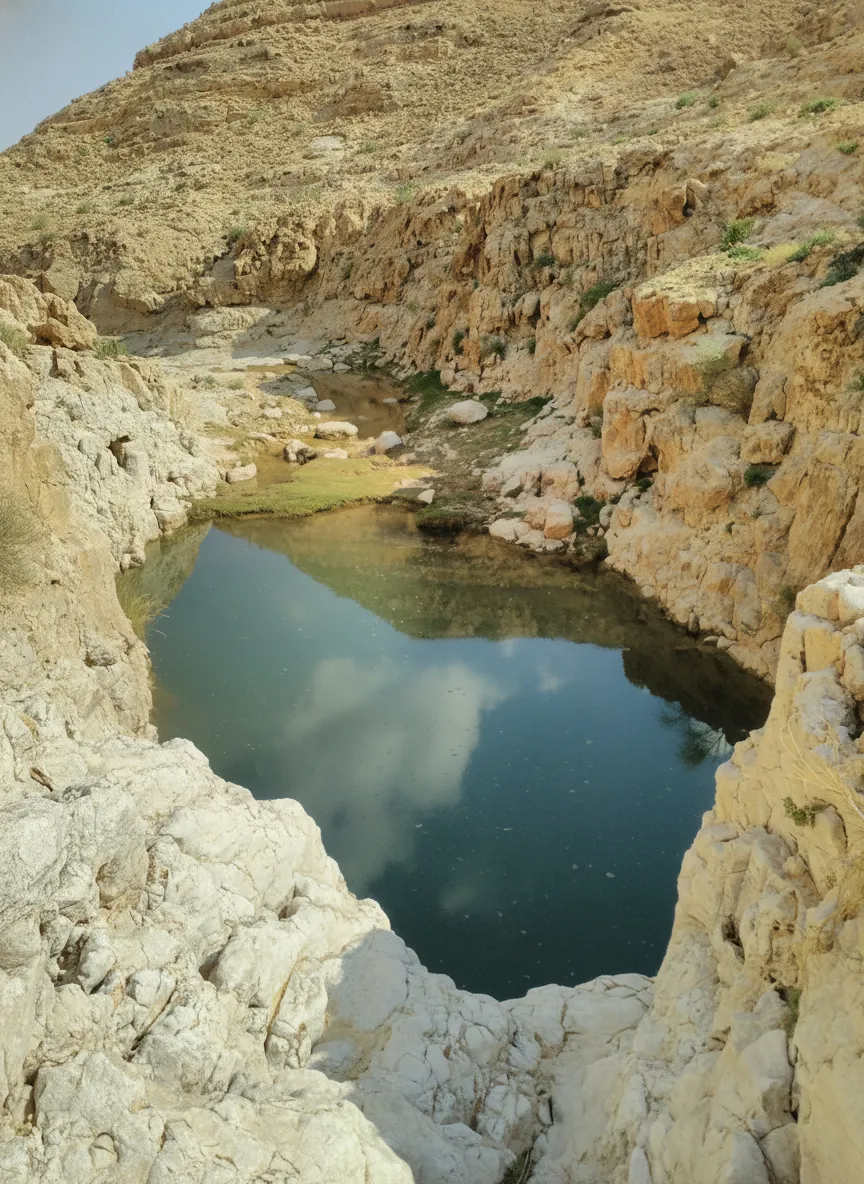
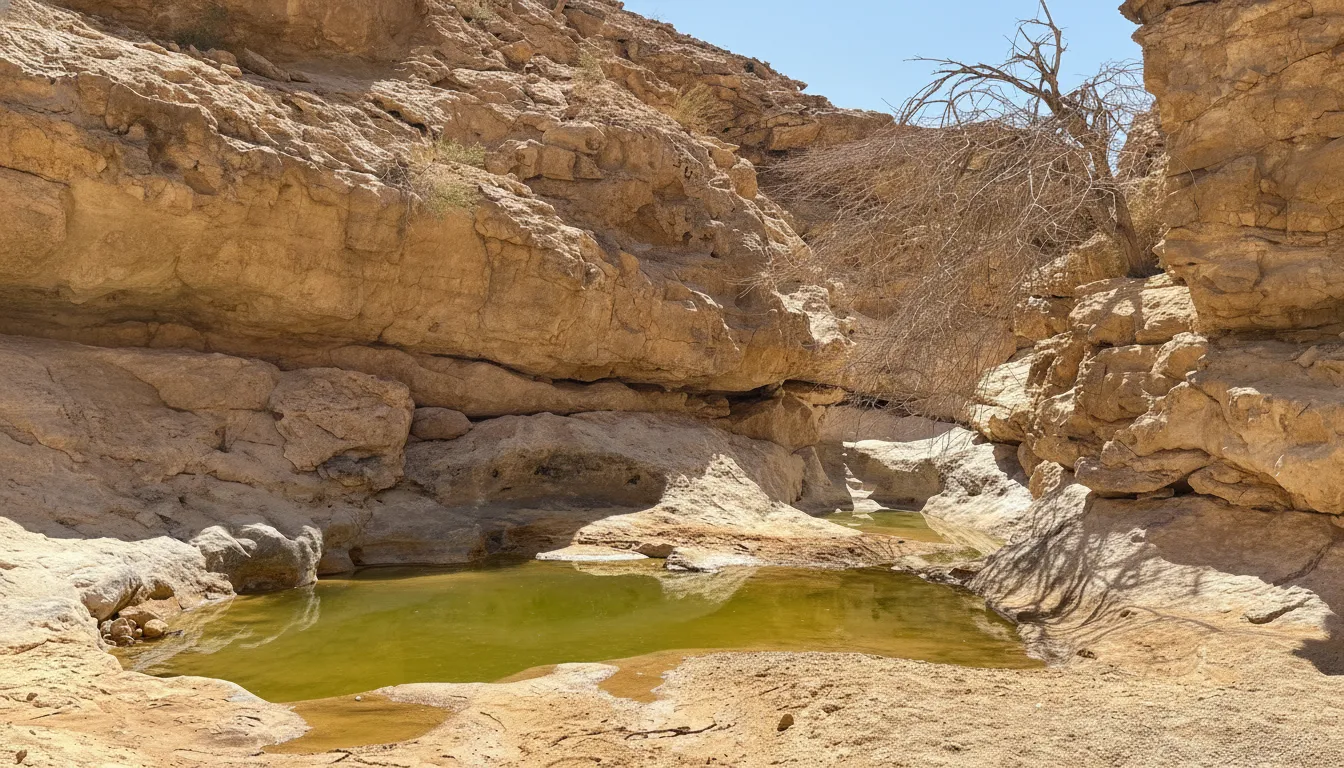
And then there's Ein Shaviv, the hidden spring that gives the canyon its alternate name. "Ein" means spring in Hebrew, and "Shaviv" refers to a spark or flame, perhaps alluding to the vibrant life it ignites. This perennial water source, fed by underground aquifers, is nothing short of miraculous in such an arid environment. It's a vital oasis, supporting a surprisingly diverse micro-ecosystem of ferns, reeds, and other hardy plants that thrive in its cool, moist embrace. The contrast of the spring's lush green against the stark white and ochre of the canyon is a breathtaking sight, a reminder of life's tenacity in the face of harsh conditions.
A Journey Through White: What Awaits Your Senses
Your adventure into the White Canyon begins long before you even set foot on its floor. The drive itself, often requiring a 4x4 vehicle, takes you deep into the Negev's vast, silent expanse, building anticipation for the hidden gem ahead. Once you arrive at the trailhead, the world around you is instantly transformed. The entrance to the canyon feels like stepping through a portal into another dimension.
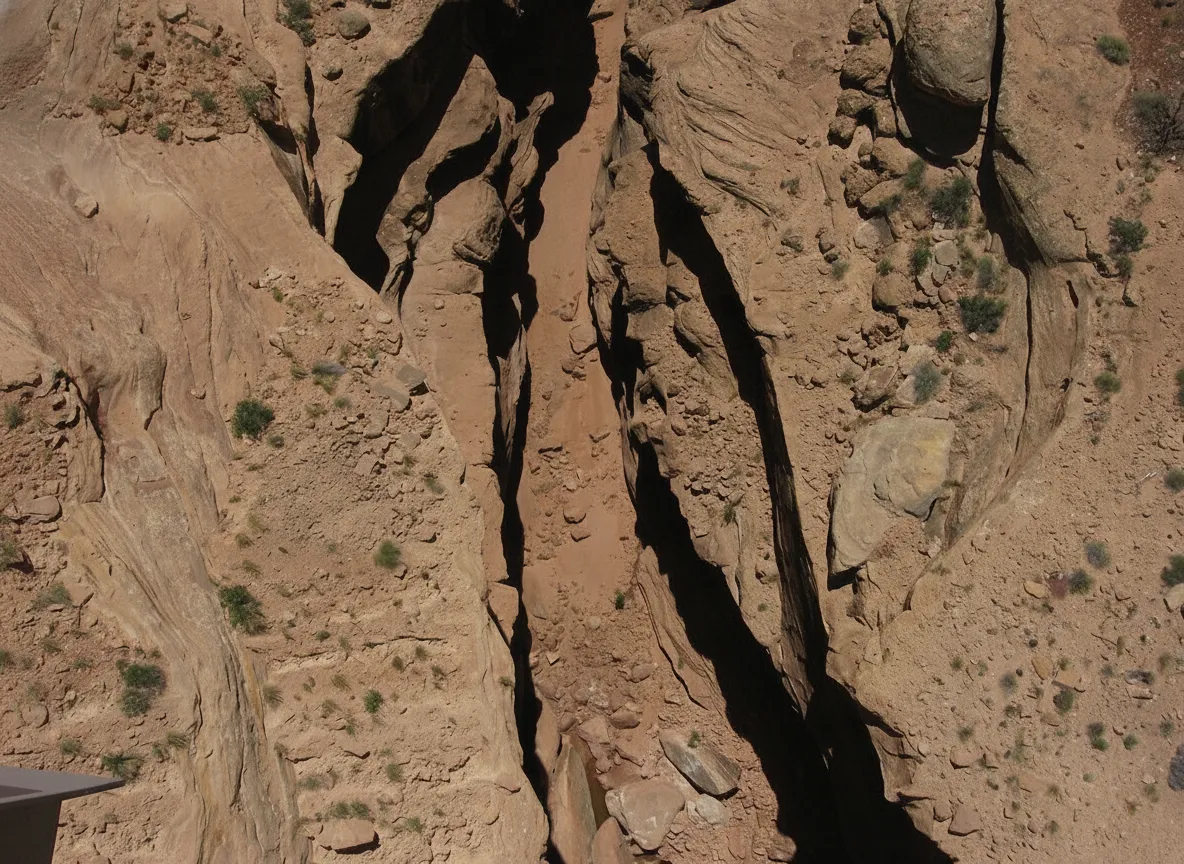
Inside, the air is noticeably cooler, offering a welcome respite from the desert heat. The smooth, cool walls invite touch, their texture like fine, compacted powder. Sunlight filters down from above, creating dramatic spotlights and intricate shadow patterns that shift as you move deeper. The silence is profound, allowing you to hear the subtle echoes of your own footsteps and the distant whisper of the desert wind. Keep an eye out for interesting geological features: small caves, natural arches, and unique rock formations that resemble abstract sculptures.
The journey culminates in the discovery of Ein Shaviv. After navigating the winding, almost labyrinthine passages, you suddenly emerge into a small, verdant grotto. The sight of vibrant green foliage, fed by the trickling spring, is a startling and deeply refreshing contrast to the monochromatic beauty you’ve just traversed. Take a moment to sit by the water, listen to its gentle murmur, and perhaps even dip your hands in its cool embrace. This hidden oasis is a powerful symbol of life's persistence and a perfect spot for quiet reflection or a well-deserved snack break.
Practical Magic: Tips for Your White Canyon Adventure
Ready to embark on this unforgettable journey? Here are some essential tips to ensure your White Canyon adventure is safe, enjoyable, and truly magical:
- Getting There: The White Canyon is remote. While some parts can be accessed by regular vehicles, reaching the prime sections often requires a 4x4. It's located deep in the Negev, roughly between the towns of Mitzpe Ramon and Yeruham. Consider joining a guided tour if you're not experienced with desert driving or navigation.
- Best Time to Visit: The desert can be brutally hot in summer. The ideal times to visit are during the spring (March-May) and autumn (October-November), when temperatures are more moderate and pleasant for hiking. Winter can also be beautiful, but be mindful of potential flash floods after heavy rains.
- What to Bring: This is non-negotiable for desert hiking. Carry plenty of water (at least 3-4 liters per person), sun protection (hat, sunscreen, sunglasses), sturdy hiking shoes, snacks, a first-aid kit, and a fully charged phone. A map and compass or a reliable GPS device are also highly recommended.
- Safety First: Inform someone of your hiking plans and expected return time. Always check weather forecasts for flash flood warnings, especially during transitional seasons. Never enter a canyon if there's a risk of rain, as flash floods can be sudden and deadly. Stay on marked trails and respect the fragile desert ecosystem.
- Respect the Environment: The Negev is a delicate environment. Practice Leave No Trace principles: pack out everything you pack in, stay on designated paths, and do not disturb wildlife or geological formations. Help preserve this hidden gem for future generations.
- Photography: The White Canyon is a photographer's dream. The interplay of light and shadow, the unique textures, and the vibrant contrast of Ein Shaviv offer endless opportunities for stunning shots. Consider visiting early morning or late afternoon for the best light.
Beyond the White: Why Ein Shaviv is More Than Just a Hike
The White Canyon, or Ein Shaviv, is more than just a beautiful hiking trail; it's an experience that awakens the senses and touches the soul. It's a reminder of the earth's incredible artistry, a testament to the power of natural forces, and a profound lesson in the resilience of life in the most unlikely places. Stepping into its blinding white embrace, you'll feel a sense of wonder and discovery that few places on earth can evoke. It's a place to disconnect from the noise of the modern world and reconnect with the raw, untamed beauty of nature.
For the adventurous traveler seeking an authentic and unforgettable encounter with Israel's lesser-known treasures, the White Canyon offers a journey into the heart of the desert, where ancient stories are etched in stone and a hidden spring whispers tales of life. Don't just visit Israel; explore its depths, discover its secrets, and let the White Canyon etch its surreal beauty into your memory forever.
Essential Travel Information
- Location The White Canyon (Ein Shaviv), Israel
- Best Time March-May (Spring), October-November (Autumn)
- Getting There Remote location in the Negev Desert, often requires a 4x4 vehicle. Accessible via dirt roads near Mitzpe Ramon/Yeruham. Guided tours recommended for inexperienced drivers.
- Airport Ben Gurion Airport (TLV)
- Budget Mid-range (approx. $150-250 USD/day, factoring in specialized transport or guided tour costs)
- Language Hebrew, Arabic
Find Places to Stay Near The White Canyon (Ein Shaviv)
Compare hotels, hostels, and unique stays in Israel.
Search AccommodationTours & Experiences Near The White Canyon (Ein Shaviv)
Book guided tours, day trips, and unique experiences.
Browse Tours