Imagine standing 100 feet beneath the scorching Arizona desert, the air cool and thick with history, as you gaze up at a monstrous, 103-foot intercontinental ballistic missile. It’s not a replica; it’s the real deal, a Titan II, still poised in its silo as if ready to launch, a chilling relic from a bygone era that still sends shivers down your spine. This isn't just a museum visit; it's a descent into the heart of the Cold War, an immersive journey that will leave you breathless and profoundly thoughtful. Welcome to the Titan Missile Museum, one of the most unique and unforgettable travel experiences the United States has to offer.
A Chilling Glimpse into the Cold War's Most Terrifying Arsenal
What makes the Titan Missile Museum so utterly compelling? Simply put, it's the only publicly accessible Titan II missile site left in the world. Think about that for a moment. Out of the 54 operational Titan II silos that once dotted the American landscape, designed to deliver nuclear warheads across the globe in minutes, only one remains intact and open for exploration. This isn't some sanitized exhibit behind glass; it's a remarkably preserved piece of history, offering an unvarnished, chillingly intact glimpse into the Cold War's most terrifying arsenal. You're not just reading about history here; you're stepping directly into it.
From the moment you arrive at the unassuming desert facility, you feel a sense of gravitas. The site, once a top-secret military installation, now serves as a powerful reminder of a time when the world teetered on the brink of nuclear annihilation. As you prepare to descend into the earth, your guide, often a former military personnel with firsthand knowledge of these very systems, sets the stage. They paint a vivid picture of the constant state of readiness, the immense responsibility, and the ever-present threat that defined the lives of those who manned these sites. It’s a profound experience that transcends mere tourism, offering a tangible connection to one of humanity's most precarious periods.
The Titan II: A Legacy of Deterrence
To truly appreciate the Titan Missile Museum, it helps to understand the historical context of the Titan II program. Developed in the late 1950s and deployed throughout the 1960s, the Titan II was a liquid-fueled intercontinental ballistic missile (ICBM) that formed a crucial part of America's nuclear deterrence strategy during the height of the Cold War. These missiles were massive, standing over 100 feet tall, and each was capable of carrying a nine-megaton nuclear warhead – thousands of times more powerful than the bomb dropped on Hiroshima. Their operational range meant they could strike targets halfway across the globe, making them a cornerstone of mutually assured destruction (MAD) doctrine.
Each Titan II site was designed to be self-sufficient and hardened against attack, with the missile silo and launch control center buried deep underground. Crews of four, typically two officers and two enlisted personnel, lived and worked in these subterranean bunkers, on constant 24/7 alert, ready to execute a launch order within minutes. Their lives were defined by rigorous training, strict protocols, and the immense psychological burden of holding the fate of millions in their hands. The Titan II program represented the pinnacle of Cold War military technology and the stark reality of nuclear readiness. The museum effectively captures this tension, allowing visitors to grasp the incredible stakes involved.
The Titan II missiles were eventually decommissioned in the 1980s as newer, more advanced solid-fueled ICBMs took their place. Most silos were destroyed as part of arms reduction treaties. However, one site, 571-7, located south of Tucson, Arizona, was spared. Through the dedicated efforts of local volunteers and former missileers, it was preserved and eventually opened as the Titan Missile Museum, ensuring that future generations could bear witness to this critical chapter in human history.
Descend and Discover: What You'll Experience Underground
Your visit to the Titan Missile Museum is a guided tour, and frankly, it's the only way to truly absorb the magnitude of this place. The tour begins on the surface, where you'll see the massive blast doors and gain an initial understanding of the site's layout. But the real adventure begins when you descend the 55 steps into the underground launch control center (LCC). As you step through the thick, blast-resistant doors, the air changes, and you're instantly transported back to the 1960s.
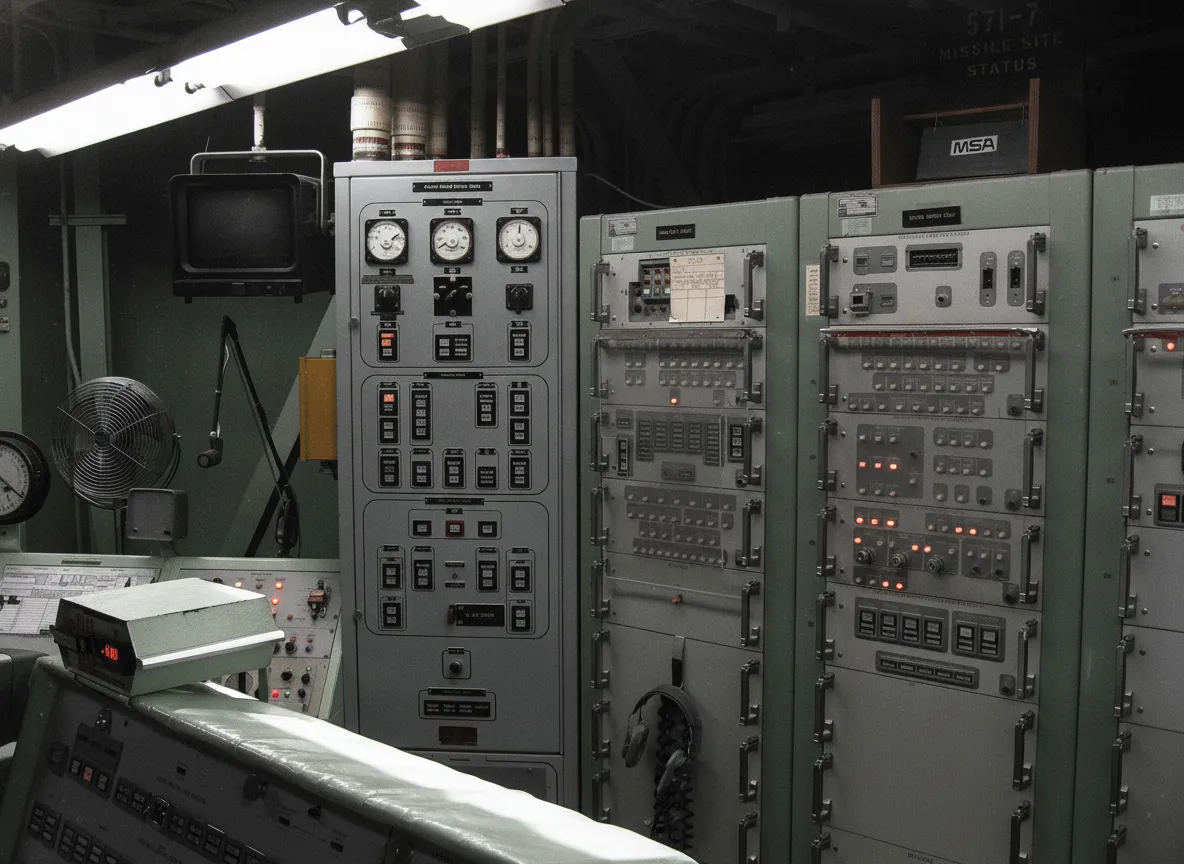
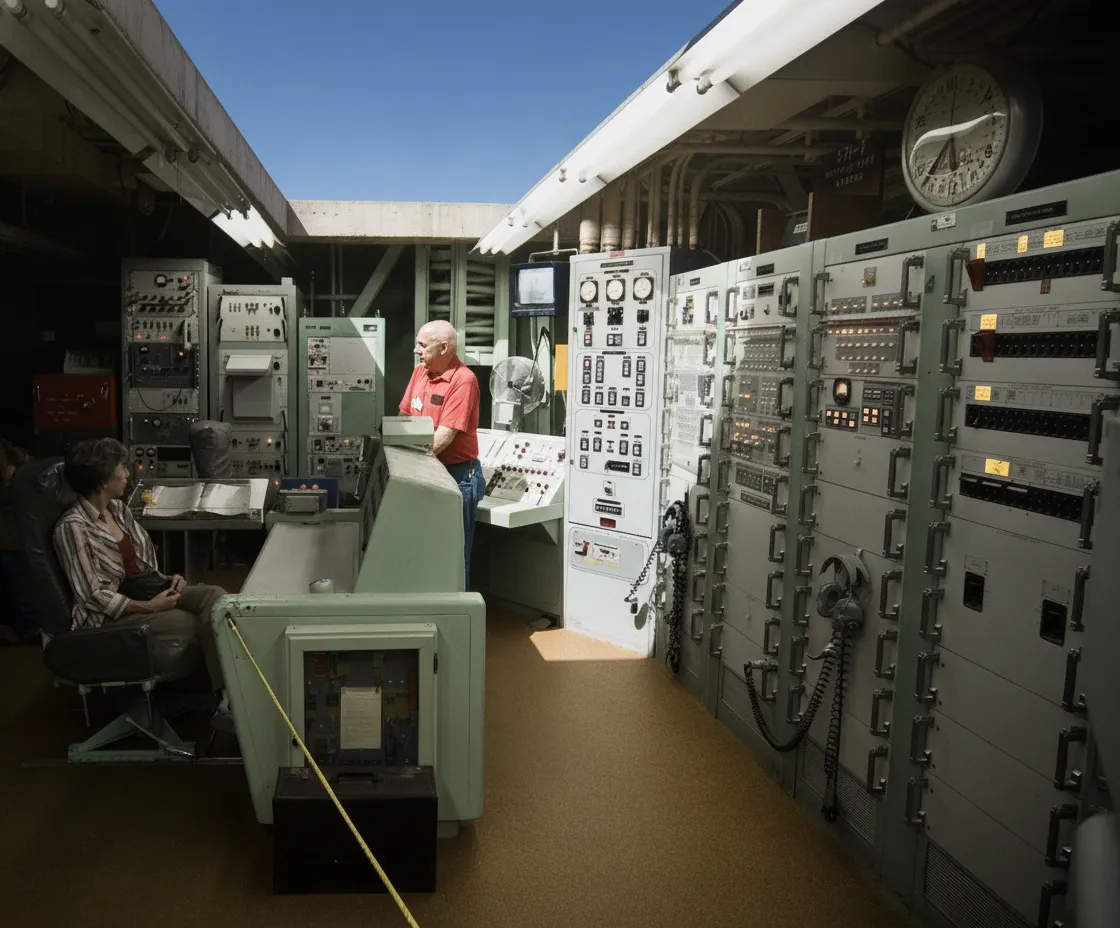
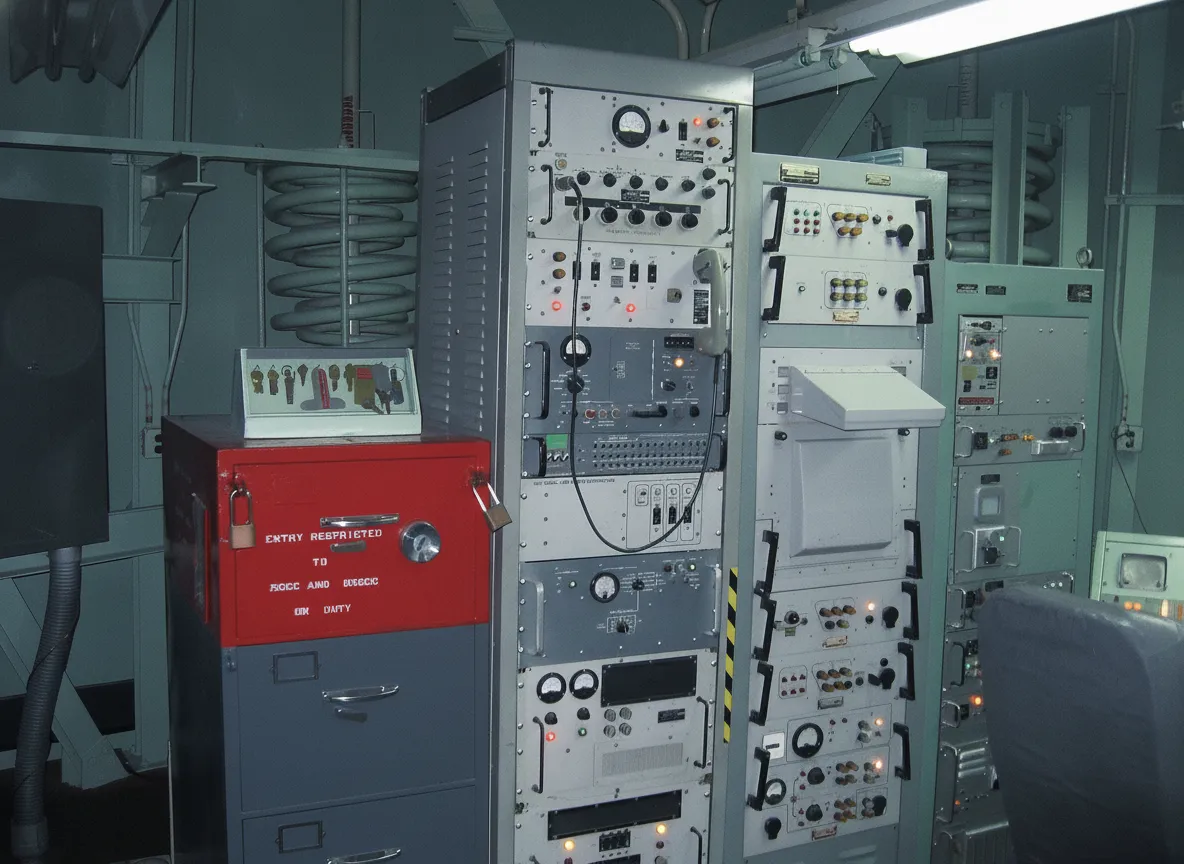
Inside the LCC, you'll find yourself in a compact, windowless room filled with blinking lights, complex consoles, and the unmistakable scent of old electronics. This is where the missileers lived and worked, monitoring systems and awaiting potential launch orders. Your guide will point out key features: the red phone, the secure communication systems, and most importantly, the launch consoles with their iconic "launch keys." Here, you'll witness a simulated launch sequence, complete with flashing lights, alarm sounds, and the dramatic countdown. It's a heart-pounding moment that vividly illustrates the immense power and responsibility held by the crews. You'll hear stories of their daily routines, the drills, and the psychological toll of being ready to end the world at a moment's notice.
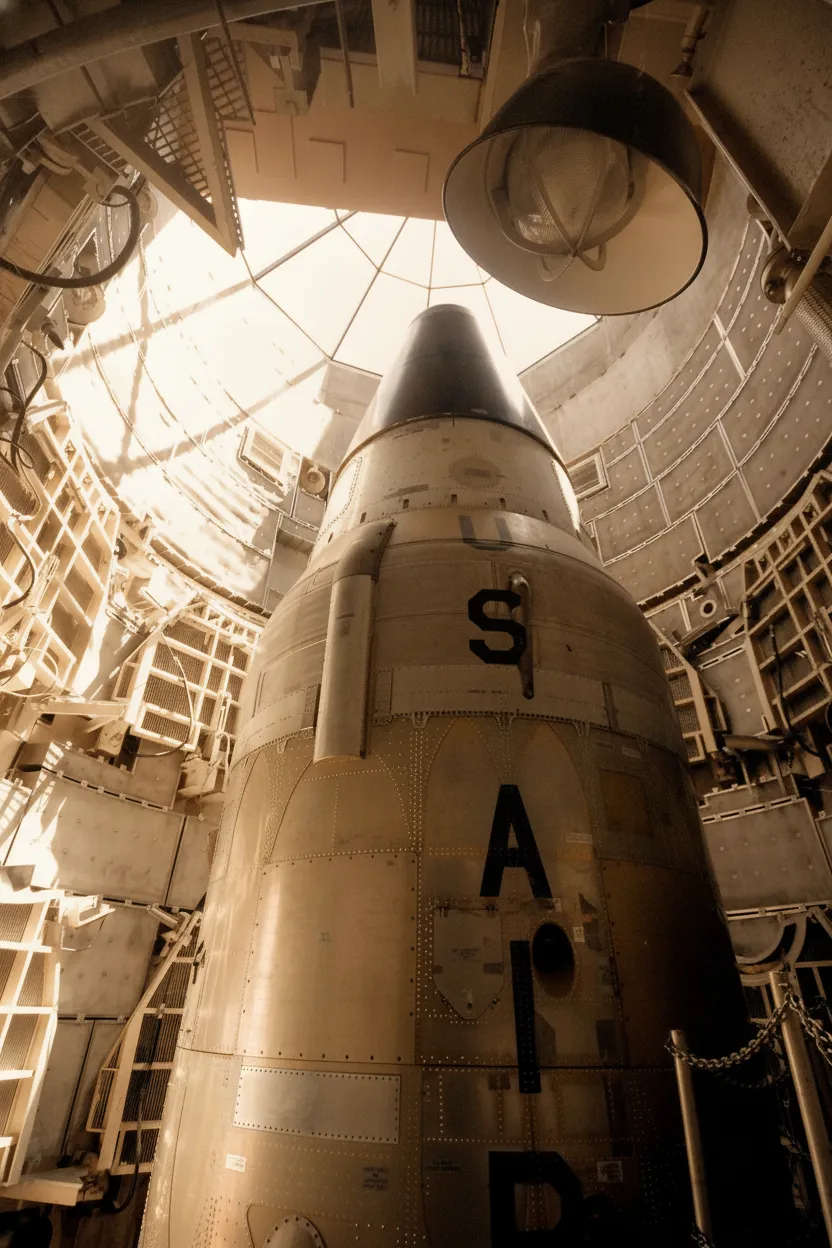
From the LCC, you'll move through a series of underground tunnels, passing through thick concrete blast doors designed to withstand a nuclear attack. The tunnels lead you to the missile silo itself, a cavernous chamber where the sheer scale of the Titan II missile becomes truly apparent. Standing 103 feet tall, the missile dominates the space, its sleek, powerful form a stark reminder of its destructive potential. You can walk around its base, marveling at the engineering, and peer up at its nose cone, which once housed a nuclear warhead. The silo's massive lid, weighing 740 tons, is partially open, allowing a sliver of sunlight to filter down, creating an almost surreal atmosphere. It’s an awe-inspiring sight, a tangible link to a pivotal era that forever changed global politics.
Beyond the main attractions, the museum also features a fascinating collection of Cold War artifacts, uniforms, and interpretive displays that further contextualize the Titan II program within the broader history of the Cold War. You'll leave with a profound appreciation for the sacrifices made, the dangers averted, and the delicate balance of power that shaped the latter half of the 20th century.
Planning Your Unforgettable Visit
Ready to descend into history? The Titan Missile Museum is located just south of Tucson, Arizona, making it an excellent day trip if you're exploring the region. Here are a few practical tips to help you make the most of your visit:
- Book in Advance: Tours are guided and capacity is limited. Especially during peak season (winter and spring), booking your tickets online well in advance is highly recommended to secure your preferred time slot.
- Accessibility: The tour involves descending 55 steps into the underground facilities. There is an elevator available for those who require it, but it's best to confirm accessibility options when booking if you have concerns. Comfortable shoes are a must!
- Tour Duration: Expect your guided tour to last approximately one hour. However, allow extra time to explore the surface exhibits and gift shop before or after your tour.
- Photography: Photography is generally permitted in most areas, but always check with your guide for any specific restrictions, especially in the launch control center during the simulated launch.
- Temperature: While the Arizona desert can be hot, the underground facilities maintain a cool, consistent temperature year-round, so a light jacket might be comfortable for some.
- Getting There: The museum is easily accessible by car from Tucson via I-19 South. It’s well-signposted once you exit the highway.
- Combine Your Trip: Tucson and its surroundings offer a wealth of attractions. Consider combining your visit to the Titan Missile Museum with other unique Arizona experiences like Saguaro National Park, the Pima Air & Space Museum (another incredible aviation and space history site), or exploring the vibrant downtown Tucson scene.
The Titan Missile Museum is more than just a historical site; it's a powerful educational experience that resonates long after you've resurfaced. It’s a testament to human ingenuity, a stark warning about the consequences of conflict, and a moving tribute to the men and women who served on the front lines of the Cold War. If you're seeking a genuinely unique, thought-provoking, and unforgettable travel adventure, put the Titan Missile Museum at the very top of your list. You won't regret descending into this incredible piece of history.
Essential Travel Information
- Location Titan Missile Museum, United States
- Best Time October to April (cooler weather, ideal for desert exploration)
- Getting There Located south of Tucson, Arizona, easily accessible by car via I-19 S (Exit 69 for Duval Mine Road, then follow signs).
- Airport Tucson International Airport (TUS)
- Budget Mid-range (approx. $100-150/day including museum entry, basic food, and local travel)
- Language English
Find Places to Stay Near Titan Missile Museum
Compare hotels, hostels, and unique stays in United States.
Search AccommodationTours & Experiences Near Titan Missile Museum
Book guided tours, day trips, and unique experiences.
Browse Tours