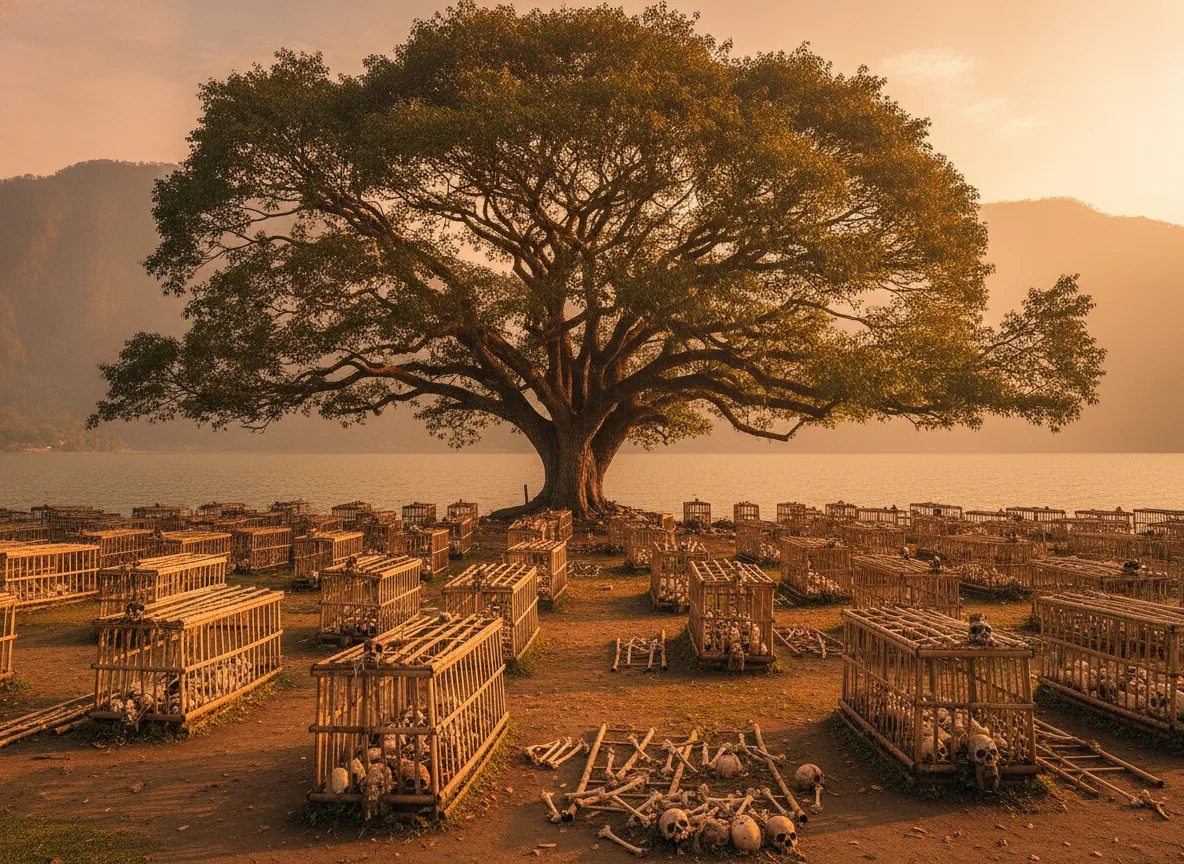
Imagine a Bali far removed from the bustling beaches and vibrant rice terraces you’ve seen in postcards. Picture a place where the spiritual tapestry of the island weaves a darker, more profound thread, one that speaks of ancient traditions and a unique communion with nature. On the shores of an ancient caldera lake, cradled by the majestic Kintamani volcano, lies a village where the deceased are not buried or cremated, but left exposed to the elements under a sacred tree that mysteriously absorbs their scent. Welcome to Trunyan Village, home to Bali’s most extraordinary open-air cemetery, a destination that will challenge your perceptions of life, death, and the very essence of Balinese spirituality.
This isn't just a macabre curiosity; it's a living testament to the Bali Aga people, the island's aboriginal inhabitants, who cling to customs that predate the Hindu influences shaping modern Bali. Venturing to Trunyan is more than just a trip; it's a journey into the heart of an ancient culture, a profound encounter with funerary rites unlike anything you've ever witnessed. If you're ready to peel back the layers of Bali's popular image and discover its untouched, mysterious soul, then Trunyan Village beckons.
Trunyan: A Glimpse into Bali's Ancient Soul
Trunyan isn't just a place; it's a window into Bali's distant past. Tucked away on the eastern shore of Lake Batur, at the foot of Mount Abang, this remote village is one of the last strongholds of the Bali Aga people. Unlike the majority of Balinese, who practice a unique form of Hinduism known as Agama Tirta (Religion of Holy Water), the Bali Aga adhere to animist traditions that have been passed down through generations for thousands of years. Their way of life is deeply intertwined with the natural world, ancestral spirits, and a complex system of customary laws known as "adat."
The isolation of Trunyan, historically only accessible by boat across the vast caldera lake, has allowed its inhabitants to preserve their unique customs relatively untouched by external influences. Their villages, including Trunyan, Penglipuran, and Tenganan, are living museums of pre-Hindu Balinese culture, offering a stark contrast to the more widely known Hindu-Balinese practices. The Bali Aga believe in a cosmic balance, where the living and the dead, the seen and the unseen, coexist in a delicate harmony. This worldview profoundly shapes their approach to death, culminating in the extraordinary funerary practice that has made Trunyan famous.
Their traditions are not merely relics of the past; they are vibrant, daily practices that govern everything from farming and family life to their unique spiritual ceremonies. The Bali Aga are known for their strong community bonds, their distinct architectural styles, and their commitment to ancestral worship. Visiting Trunyan offers a rare opportunity to connect with a culture that represents the very roots of Balinese identity, a culture that chose a path less traveled, preserving its ancient heritage against the tides of change.
The Taru Menyan Tree: Bali's Olfactory Enigma
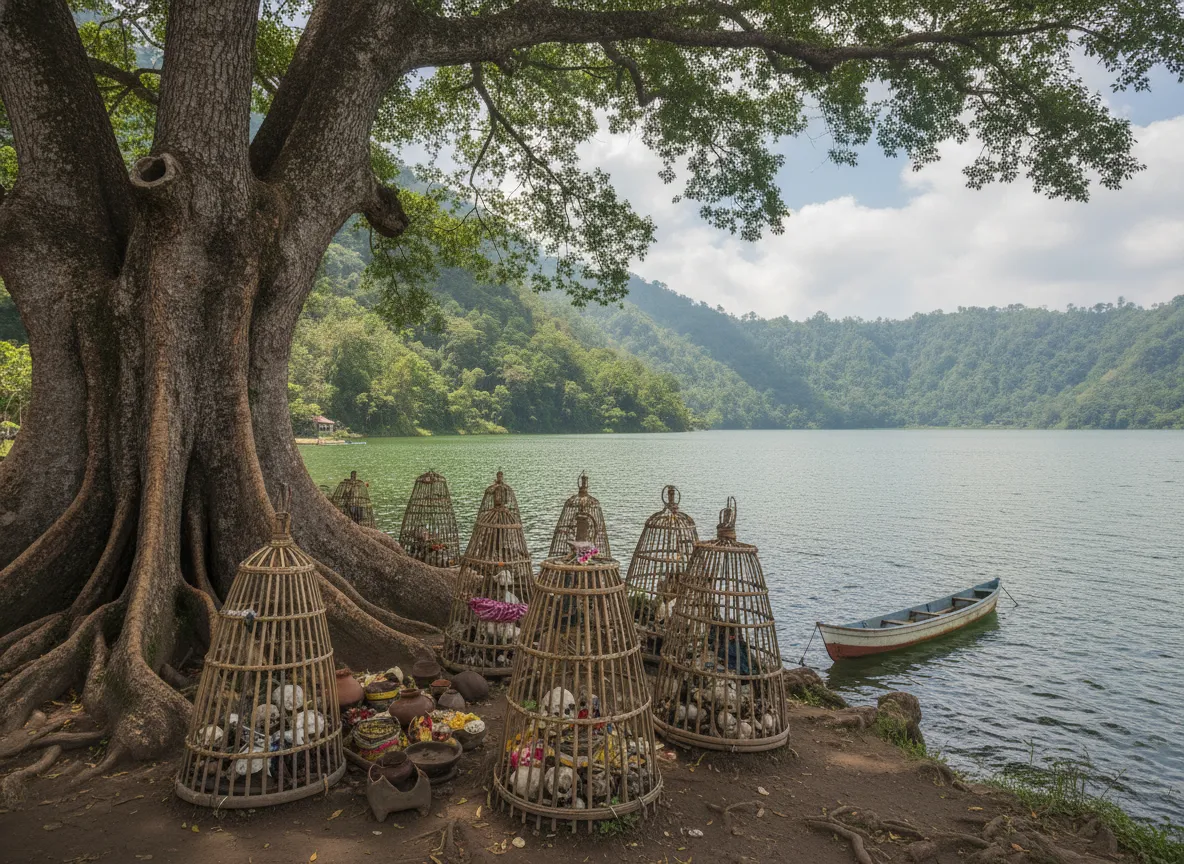
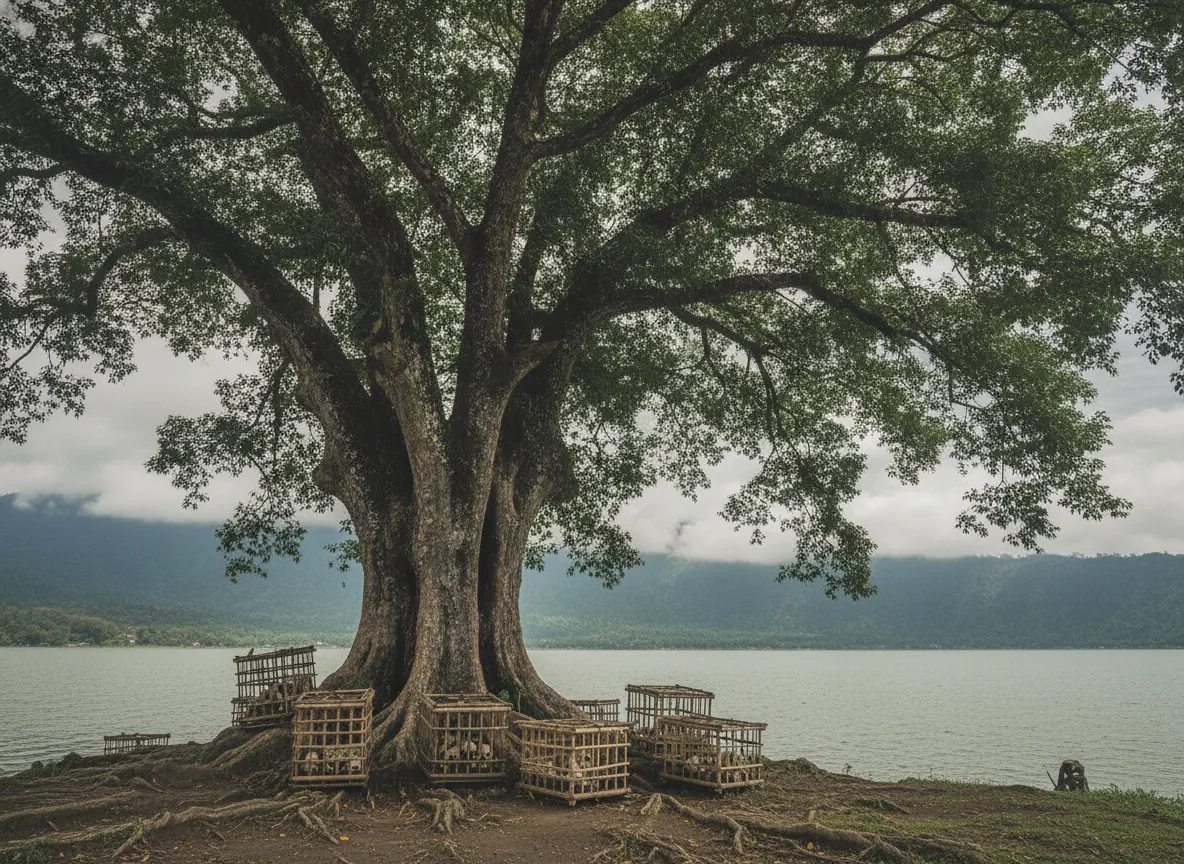
The true heart of Trunyan's mystique lies in its open-air cemetery and the extraordinary Taru Menyan tree. "Taru" means tree, and "Menyan" refers to the fragrant resin it produces. According to local lore, this ancient banyan-like tree possesses a miraculous ability to neutralize the scent of decomposition. This is not a myth; visitors consistently report that despite the exposed bodies, there is no foul odor in the cemetery. It's an olfactory enigma that defies scientific explanation and has become the cornerstone of the Trunyanese funerary tradition.
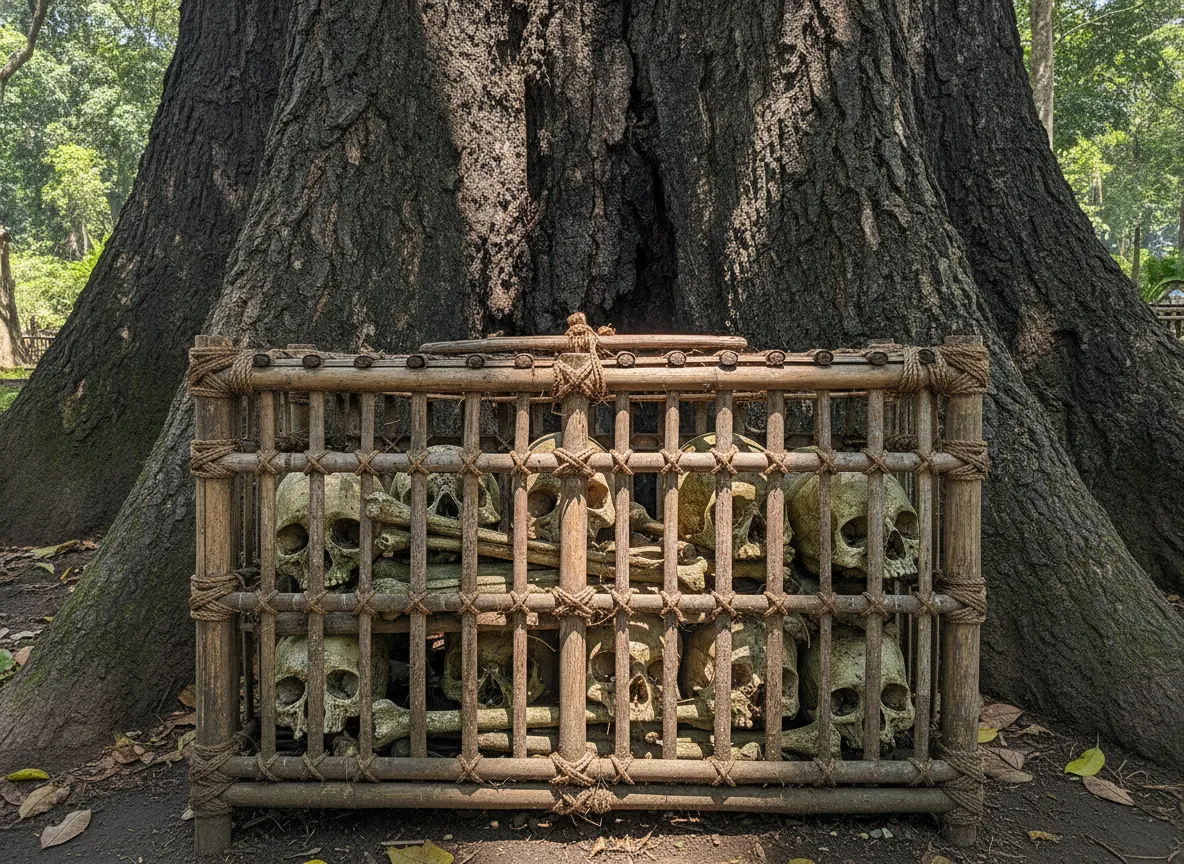
When a Trunyanese person dies, their body is first ritually cleansed. Then, instead of being buried or cremated – practices common elsewhere in Bali – the deceased is placed within a bamboo cage, known as an "ancak," and carefully positioned under the sprawling canopy of the Taru Menyan tree. The bodies are simply left to decompose naturally, exposed to the elements. This practice is reserved for those who have died a natural death and are married. Children, unmarried individuals, or those who died an unnatural death (like accidents or suicide) are buried in different, less prominent locations within the village.
As the bodies decompose, the Taru Menyan tree is believed to absorb their scent, leaving the air eerily fresh. Once the soft tissues have decomposed, and only the bones remain, the skulls are carefully removed and arranged on a stone altar near the base of the tree. The bamboo cage is then reused for the next deceased villager. This cyclical process symbolizes the Bali Aga's profound respect for the natural cycle of life and death, viewing decomposition not as an end, but as a return to the earth, facilitated by the sacred tree.
This practice is deeply spiritual for the Bali Aga, reflecting their belief that the deceased are not truly gone but have transitioned into the realm of ancestors, who continue to watch over the living. The Taru Menyan tree acts as a sacred intermediary, purifying the passage and maintaining the delicate balance between worlds. It’s a powerful, humbling, and utterly unique demonstration of cultural reverence that challenges conventional notions of mortality.
What to Expect on Your Journey to Trunyan
Visiting Trunyan is an adventure in itself, typically beginning with a scenic drive through the Kintamani region, offering breathtaking panoramic views of Lake Batur and Mount Batur volcano. The most common way to reach Trunyan Village and its cemetery is by hiring a traditional wooden boat from one of the jetties on the western shore of Lake Batur, usually from the village of Kedisan or Toya Bungkah. The boat ride across the tranquil, deep blue waters of the caldera lake is an experience in itself, with the towering volcanic peaks providing a dramatic backdrop.
As you approach the Trunyan shore, you'll first see the simple, traditional houses of the Bali Aga village. The cemetery itself is a short walk from the boat landing, nestled within a sacred grove. Upon arrival, the atmosphere is instantly palpable – a profound quietude broken only by the gentle lapping of the lake and the rustling of leaves. You'll be greeted by local guides, typically Bali Aga villagers, who are essential for navigating the site and understanding its cultural significance. They can explain the customs, answer questions, and ensure your visit is respectful.
What you'll see under the Taru Menyan tree are the bamboo cages, each containing a body in various stages of decomposition. Nearby, on a stone platform, are rows of skulls and bones, neatly arranged, remnants of those who have completed their natural cycle under the tree. It’s a stark, powerful sight, but surprisingly devoid of the morbid atmosphere one might expect. Instead, there's a sense of peace and ancient wisdom. The absence of odor truly is astonishing and adds to the site's mystique.
Beyond the cemetery, a brief exploration of Trunyan Village itself, if permitted by your guide, can offer further insight into the Bali Aga way of life. You might observe their traditional houses, their daily routines, and perhaps even their unique form of weaving or agriculture. Remember, this is not a tourist attraction designed for entertainment, but a sacred site and a living community. Approach it with an open mind, a quiet demeanor, and a deep sense of respect.
Respectful Exploration: Practical Tips for Visiting Trunyan
A visit to Trunyan is an unforgettable cultural immersion, but it requires careful planning and a deep commitment to respectful tourism. Here are some practical tips to ensure a meaningful and appropriate experience:
- Getting There: The only way to reach the Trunyan cemetery is by boat across Lake Batur. You can hire a boat from Kedisan or Toya Bungkah. It's advisable to arrange this through a reputable local tour operator or guide, as they can negotiate fair prices and ensure a safe journey. Be prepared for some negotiation on boat prices.
- Best Time to Visit: The dry season (April to October) is ideal, offering calmer lake conditions and clearer skies. Mornings are generally best for pleasant weather and fewer crowds.
- Dress Code: As a sacred site, modest attire is essential. Wear clothing that covers your shoulders and knees. A sarong and sash (often provided by your guide or available for rent) are customary and respectful.
- Local Guides: Hiring a local Bali Aga guide is highly recommended, if not mandatory. They provide invaluable cultural context, ensure you navigate the site respectfully, and directly support the local community. They can also mediate any interactions with villagers.
- Photography: While photography is generally allowed, always be discreet and respectful. Avoid close-up shots of the deceased or villagers without explicit permission. Remember, this is a sacred place, not a photo op.
- Cultural Sensitivity: Maintain a quiet, contemplative demeanor. Do not touch any of the remains or offerings. Avoid littering. Be mindful of your actions and words, showing utmost respect for the beliefs and practices of the Bali Aga people.
- Costs: Expect to pay for the boat hire (which can be shared if you find others), the local guide, and potentially a small entrance fee to the village. Clarify all costs upfront to avoid misunderstandings.
- Combine Your Trip: Trunyan is often visited as part of a larger Kintamani tour, which might include stops at coffee plantations, hot springs, or viewpoints overlooking the volcano. Make a day of it!
- Health & Safety: Bring water, sunscreen, and a hat. The boat ride can be bumpy, so if you're prone to motion sickness, take precautions.
Trunyan Village Open-Air Cemetery is not for the faint of heart, but for the curious and culturally sensitive traveler, it offers an unparalleled journey into the soul of Bali. It’s a powerful reminder that beneath the island's popular veneer lies a deep, complex, and utterly fascinating spiritual heritage waiting to be discovered. This is a place that will stay with you long after you’ve left its shores, prompting reflection on life, death, and the extraordinary diversity of human culture.
Essential Travel Information
- Location Trunyan Village Open-Air Cemetery, Indonesia
- Best Time Dry season (April to October), mornings
- Getting There By boat from Kedisan or Toya Bungkah on Lake Batur. Access to these jetties is typically by car/scooter from Kintamani.
- Airport Ngurah Rai International Airport (DPS)
- Budget Mid-range (approx. $50-100 USD/day including transport, guide, food)
- Language Balinese (Trunyan dialect), Indonesian
Find Places to Stay Near Trunyan Village Open-Air Cemetery
Compare hotels, hostels, and unique stays in Indonesia.
Search AccommodationTours & Experiences Near Trunyan Village Open-Air Cemetery
Book guided tours, day trips, and unique experiences.
Browse Tours