Imagine this: an entire underground river, meticulously crafted by human hands over two millennia ago, silently flowing beneath a scorching desert. It’s not a myth, but a living, breathing testament to ancient ingenuity, still bringing life to one of the world's hottest and driest places. Welcome to the Turpan Karez System in China's Xinjiang Uyghur Autonomous Region, a hidden marvel that will completely redefine your understanding of human perseverance and hydrological engineering.
Nestled in the Turpan Depression, a basin known for its extreme temperatures that regularly soar above 40°C (104°F) and plunge well below freezing, lies an oasis that shouldn't exist. Yet, it thrives, thanks to an ingenious network of subterranean channels known as the Karez. This isn't just an ancient relic; it's a vibrant, functional lifeline, a quiet symphony of water and stone that has sustained agriculture, trade, and human civilization for over 2,000 years, transforming a barren landscape into fertile vineyards and bustling communities.
The Invisible Lifeline: What Makes the Turpan Karez System Unique?
The Turpan Karez System is nothing short of an engineering masterpiece, often lauded as one of China's three great ancient projects, alongside the Great Wall and the Grand Canal. But unlike those visible giants, the Karez largely hides its brilliance beneath the earth. At its peak, this sprawling network comprised over 1,100 individual Karez systems, stretching for an astonishing 5,000 kilometers in total – a distance greater than the diameter of the moon!
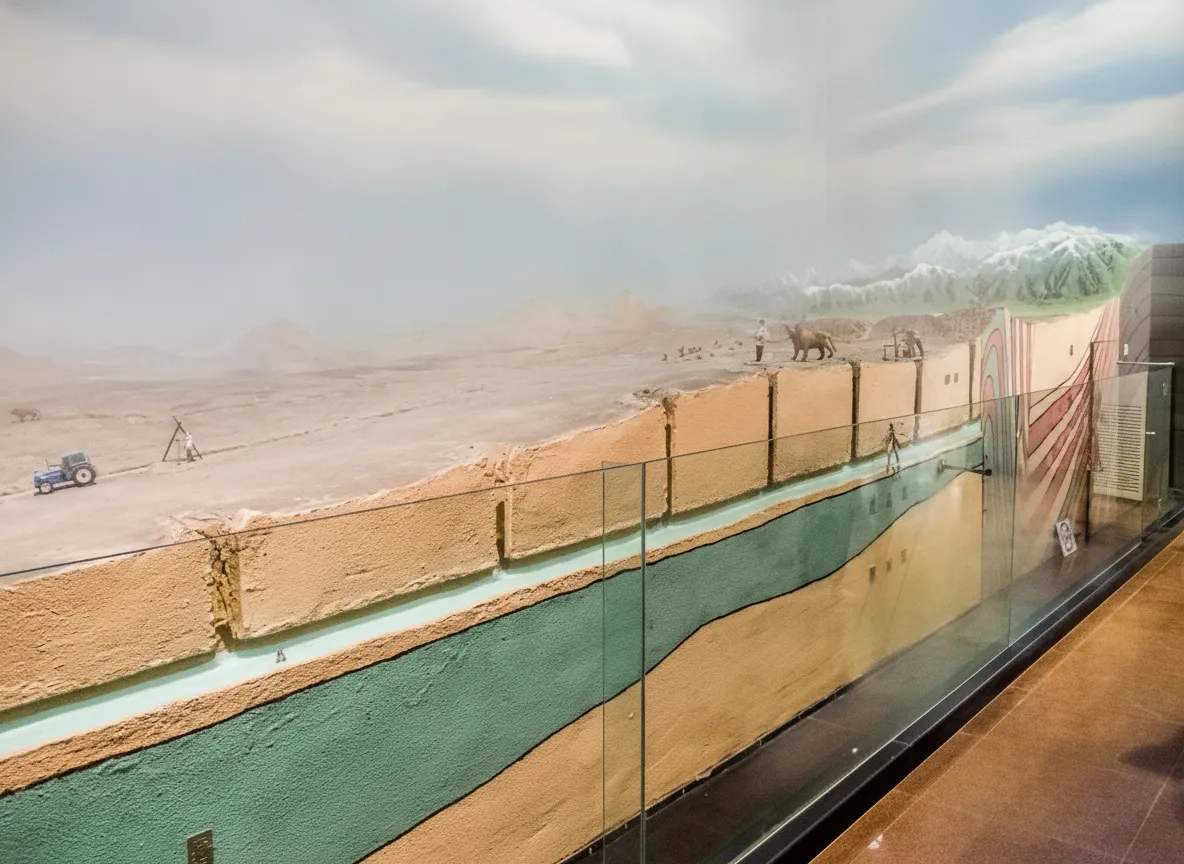
So, how does it work? Picture this: distant, snow-capped mountains – like the towering Bogda Peak of the Tian Shan range – collect vast amounts of snow. As this snow melts, the water seeps into the ground. The Karez builders, with incredible foresight and understanding of hydrogeology, tapped into this underground water table. They constructed a series of vertical shafts (wells) that descend deep into the earth, sometimes over 100 meters, to reach the water source. From these wells, they then painstakingly excavated long, gently sloping underground channels – known as *qanats* – that transport the water, entirely by gravity, to the thirsty plains of the Turpan Depression.
What makes this system so profoundly brilliant, especially in a desert environment, is its design to minimize evaporation. While surface canals would lose precious water to the intense sun and dry winds, the Karez channels keep the water cool and protected underground, delivering it efficiently to where it's needed most. This ancient air-conditioning system is so effective that the temperature inside the tunnels remains consistently cool, offering a welcome respite from the desert heat. It’s an unparalleled example of sustainable resource management, perfected millennia before the term even existed.
Echoes of Ingenuity: A Journey Through Time and Engineering
The origins of the Turpan Karez System can be traced back to the Han Dynasty, around 200 BC, with significant development during the Tang Dynasty and later periods. It’s believed that the technology itself may have migrated along the Silk Road from Persia (where similar systems are called *qanats*), but the Turpan people adapted and perfected it to suit their unique environment, creating a system of unparalleled scale and sophistication.
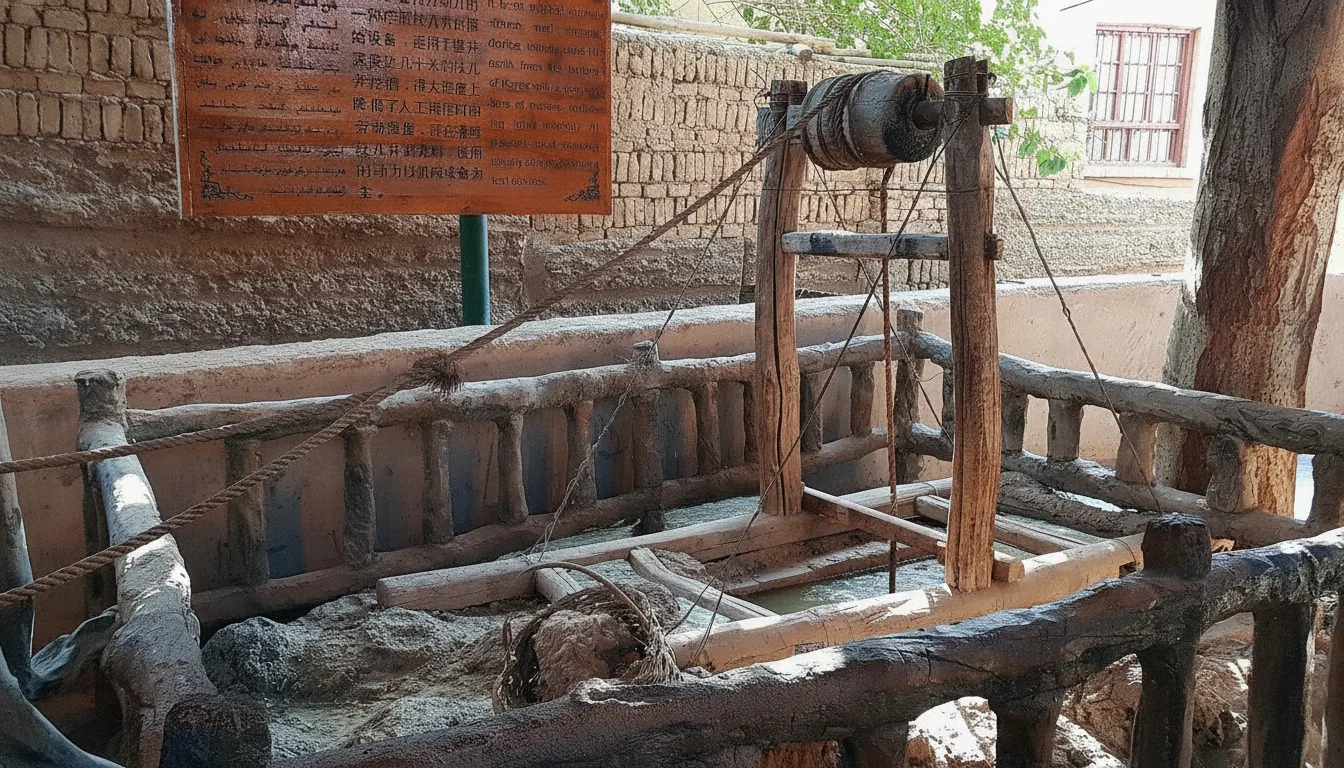
The construction of these Karez systems was an astonishing feat, requiring immense labor, specialized skills, and profound knowledge of geology and hydraulics. Imagine digging hundreds of meters of underground tunnels using only rudimentary tools, guided by the slope of the land and the sound of flowing water. The vertical shafts weren't just for accessing water; they served as ventilation shafts and allowed for the removal of excavated earth. The precision required to maintain the subtle downward gradient for gravity flow, sometimes over tens of kilometers, is mind-boggling even by modern engineering standards.
This network wasn't just about water; it was about survival and prosperity. The Karez allowed Turpan to flourish as a vital oasis city on the ancient Silk Road, a crucial stop for caravans traversing Central Asia. It transformed a desolate basin into a fertile agricultural hub, famous for its sweet grapes, melons, and cotton. The system fostered a unique "oasis civilization," where communities developed around these life-giving channels, shaping their culture, economy, and daily lives around the rhythm of the water.
Stepping into the Depths: What to Expect on Your Visit
Today, several sections of the Turpan Karez System are open to visitors, offering a rare opportunity to step back in time and experience this ancient wonder firsthand. The main Karez Museum and Exhibition Park is an excellent starting point, providing a comprehensive overview of the system's history, construction, and cultural significance.
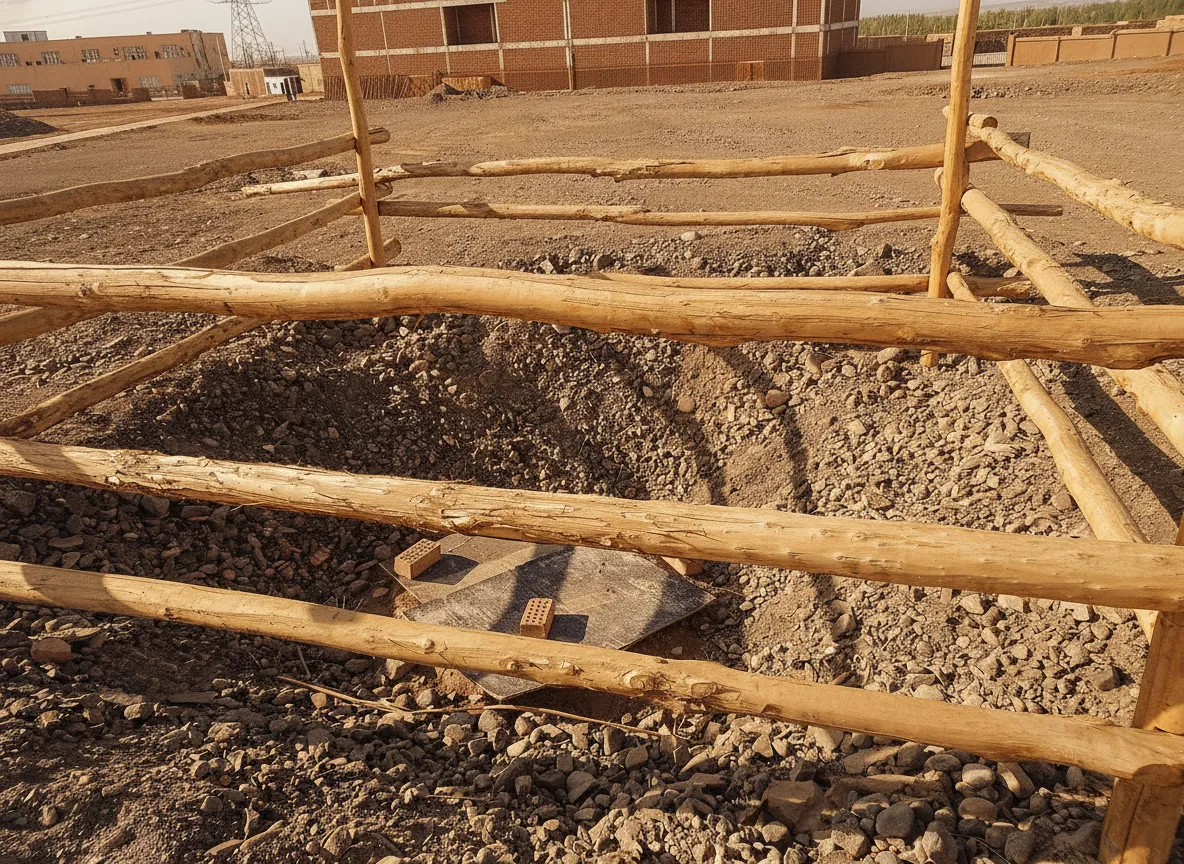
As you approach, you'll see the tell-tale signs on the surface: a series of evenly spaced, conical mounds of earth, each marking the top of a vertical shaft. These are the "eyes" of the Karez, punctuating the landscape like ancient sentinels. Inside the museum, you'll find detailed models, tools used by the original Karez builders, and informative displays that bring the complex engineering to life. It's here you truly grasp the sheer scale and ingenuity involved.
But the real magic happens when you descend. Visitors can walk into actual sections of the underground channels. As you step down into the cool, dark tunnels, the oppressive desert heat immediately dissipates, replaced by a refreshing coolness and the gentle, constant murmur of flowing water. It’s an almost spiritual experience – standing in a space carved by hand millennia ago, knowing that the very water flowing past your feet has sustained life here for countless generations.
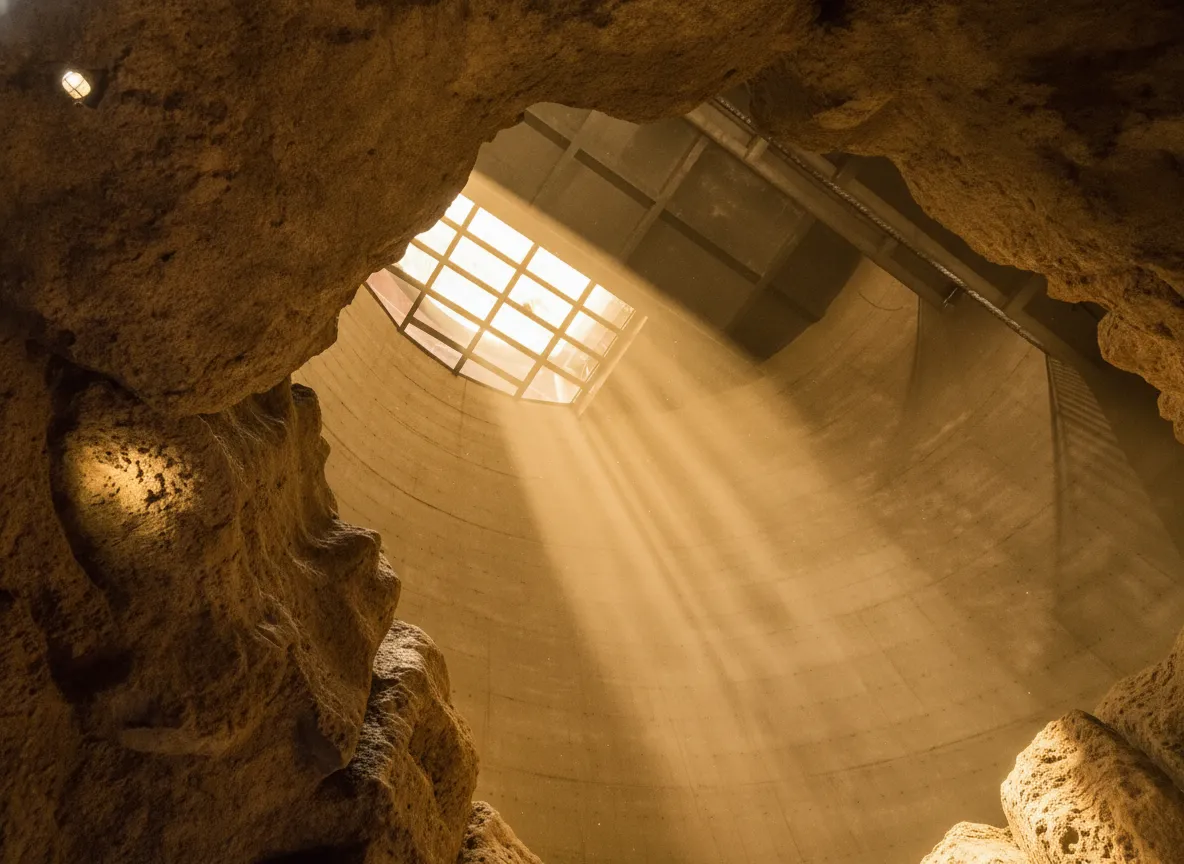
The tunnels are often narrow and low in places, creating an intimate connection with the earth and the flow of the water. You’ll feel the damp air, hear the echoes of your own footsteps, and marvel at the incredible effort it took to create this hidden world. Emerging back into the bright sunshine, you'll have a profound new appreciation for the vibrant vineyards and orchards that stretch across the Turpan oasis, knowing their existence is entirely thanks to this invisible, ancient lifeline.
Planning Your Expedition to Turpan's Hidden Wonder
Visiting the Turpan Karez System is an essential part of any journey through Xinjiang, offering a unique blend of history, engineering, and natural beauty. It's a journey into the heart of an ancient civilization's enduring legacy.
Best Time to Visit
While the underground tunnels remain cool year-round, the Turpan Depression experiences extreme temperatures. Spring (April-May) and Autumn (September-October) offer the most pleasant weather for exploring both the Karez and other nearby attractions, with comfortable temperatures for sightseeing.
Getting There
Turpan is easily accessible. Most travelers arrive via Urumqi, the capital of Xinjiang. From Urumqi, you can take a high-speed train (around 1 hour) or a bus (3-4 hours) to Turpan. Once in Turpan city, the Karez Museum and other sites are a short taxi or local bus ride away.
What to Bring
Comfortable walking shoes are a must, especially if you plan to explore the tunnels. While the tunnels are cool, the surface can be very hot, so bring sun protection (hat, sunglasses, sunscreen) and plenty of water. A light jacket might be comfortable for the cooler underground sections. Don't forget your camera – the contrasts between the desert and the oasis, and the ingenuity of the Karez, offer incredible photo opportunities.
Beyond the Karez
Turpan offers a wealth of other fascinating historical and natural sites, making it an ideal multi-day destination. Explore the ancient city ruins of Jiaohe and Gaochang, wander through the bustling Turpan Bazaar, or gaze upon the fiery hues of the Flaming Mountains. Each site adds another layer to the rich tapestry of this unique region, all sustained by the enduring power of the Karez.
The Turpan Karez System isn't just an old irrigation method; it's a living monument to human ingenuity, resilience, and harmony with nature. It tells a story of survival, of turning adversity into abundance, and of a civilization that understood the profound value of water. Standing within its cool, dark channels, you don't just see history; you feel it, flowing silently, powerfully, as it has for millennia. This hidden gem deserves a place on every adventurous traveler's list.
Essential Travel Information
- Location Turpan Karez System, China
- Best Time April-May (Spring) and September-October (Autumn)
- Getting There High-speed train or bus from Urumqi to Turpan city, then local transport to the Karez sites.
- Airport Urumqi Diwopu International Airport (URC)
- Budget Mid-range, with approximate daily cost of 50-100 USD (excluding major transportation)
- Language Mandarin Chinese, Uyghur
Find Places to Stay Near Turpan Karez System
Compare hotels, hostels, and unique stays in China.
Search AccommodationTours & Experiences Near Turpan Karez System
Book guided tours, day trips, and unique experiences.
Browse Tours