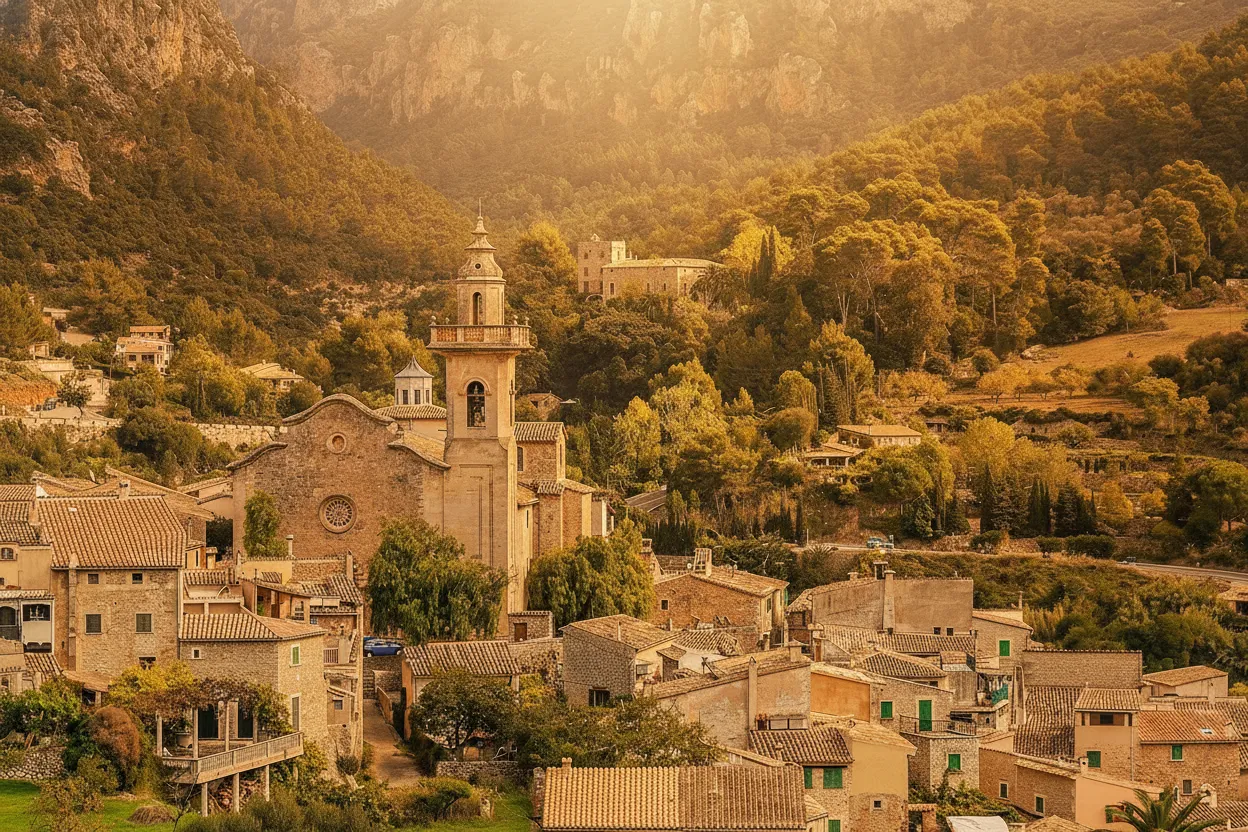
Imagine stepping into a village where every single house, without exception, is adorned with a unique, hand-painted ceramic tile depicting the same local saint. A place where ancient cobblestone streets become an open-air art gallery, each dwelling a canvas of collective devotion. This isn't a scene from a fantasy novel; it's the living, breathing reality of Valldemossa, a truly extraordinary hidden gem nestled in the heart of Mallorca's majestic Serra de Tramuntana mountains. Prepare to be captivated by a destination that whispers tales of faith, beauty, and tradition, a place few travelers truly uncover.
Valldemossa: Where Every House Tells a Story of Devotion
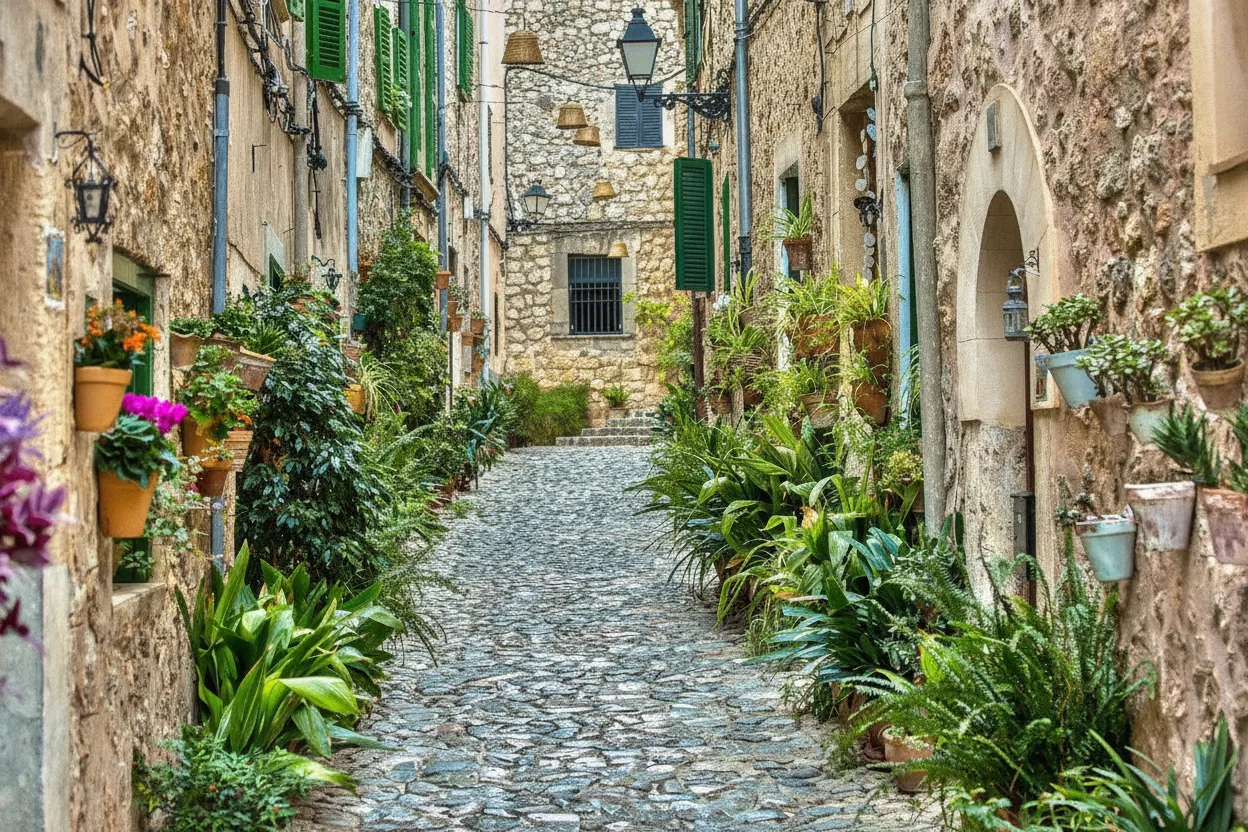
What makes Valldemossa truly unique, setting it apart from even the most picturesque villages in Spain, is its unparalleled artistic tradition. As you wander through its narrow, sun-drenched alleys, you'll notice it immediately: every single historic stone dwelling, from the humblest home to the grandest facade, proudly displays a ceramic tile. And not just any tile – each one is a unique, hand-painted portrayal of Saint Catherine Thomas, Mallorca's only saint. This isn't a fleeting trend; it's a centuries-old tradition, a testament to the village's unwavering reverence for their local patroness.
This isn't just decoration; it's a profound cultural statement. The sheer consistency and artistry of these tiles transform the entire community into a cohesive, enchanting artwork. It's a living museum, a continuous narrative of faith etched onto the very fabric of the village. For art lovers, cultural explorers, and anyone seeking a truly authentic experience, Valldemossa offers a unique pilgrimage. Each tile, while depicting the same saint, carries the individual touch of its artist, reflecting subtle variations in style, color, and interpretation. It's a fascinating study in collective identity expressed through individual craftsmanship.
Beyond the tiles, Valldemossa itself is impossibly picturesque. Terracotta roofs cascade down a gentle slope, framed by the dramatic, pine-clad peaks of the Serra de Tramuntana, a UNESCO World Heritage site. Bougainvillea spills over ancient walls, potted plants add splashes of color, and the scent of jasmine often hangs in the air. It’s a village designed for slow exploration, for lingering over a coffee in a quiet square, and for letting the sheer beauty of the surroundings wash over you. This blend of natural splendor and unique human tradition creates an atmosphere that is truly unforgettable.
A Glimpse into the Past: Valldemossa's Rich Tapestry
The story of Valldemossa is deeply intertwined with that of Saint Catherine Thomas, born here in 1531. A humble farm girl, she later became a nun and was renowned for her piety and mystical visions. Canonized in 1930, she remains a beloved figure, her life inspiring the unique tile tradition that has become the village's signature. The tiles serve as a protective charm, a blessing for the inhabitants, and a constant reminder of their shared spiritual heritage. Walking these streets is like stepping back in time, where devotion is visibly woven into the architecture.
But Valldemossa's history extends beyond its patron saint. The village rose to prominence around the Real Cartuja de Valldemossa (Royal Carthusian Monastery), originally a royal palace built by King James II of Mallorca in the early 14th century for his son, Sancho. Later, it was converted into a Carthusian monastery, housing monks for centuries until the Disestablishment of Mendizábal in 1835. It was during this period, in the winter of 1838-39, that the monastery gained international fame for hosting two of Europe's most celebrated figures: the Polish composer Frédéric Chopin and French writer George Sand.
Their tumultuous winter stay, intended to improve Chopin's health, was far from idyllic. Sand famously chronicled their experiences, both the beauty and the hardships, in her memoir "A Winter in Mallorca." Despite the challenges, it was a period of intense creativity for Chopin, who composed some of his most beautiful preludes here. The monastery, with its austere cells and tranquil cloisters, became a crucible for their artistic endeavors, leaving an indelible mark on Valldemossa's cultural legacy. Their presence solidified Valldemossa's place on the map, attracting artists, writers, and musicians for generations to come, drawn by the echoes of their genius.
Beyond the Tiles: What to Explore in Valldemossa
While the tiles are undoubtedly the star attraction, Valldemossa offers a wealth of other experiences that make it an essential stop on any Mallorca itinerary. Your first port of call should be the magnificent Real Cartuja de Valldemossa. This sprawling complex allows you to step directly into the past. Explore the beautiful church, the ancient pharmacy, and the meticulously preserved cells where the monks once lived. Crucially, you can visit the very cells where Chopin and Sand resided, now a museum displaying their personal effects, Chopin's piano, and letters. It's an intimate glimpse into their lives and creative process, made even more poignant by the knowledge of the struggles they faced there.
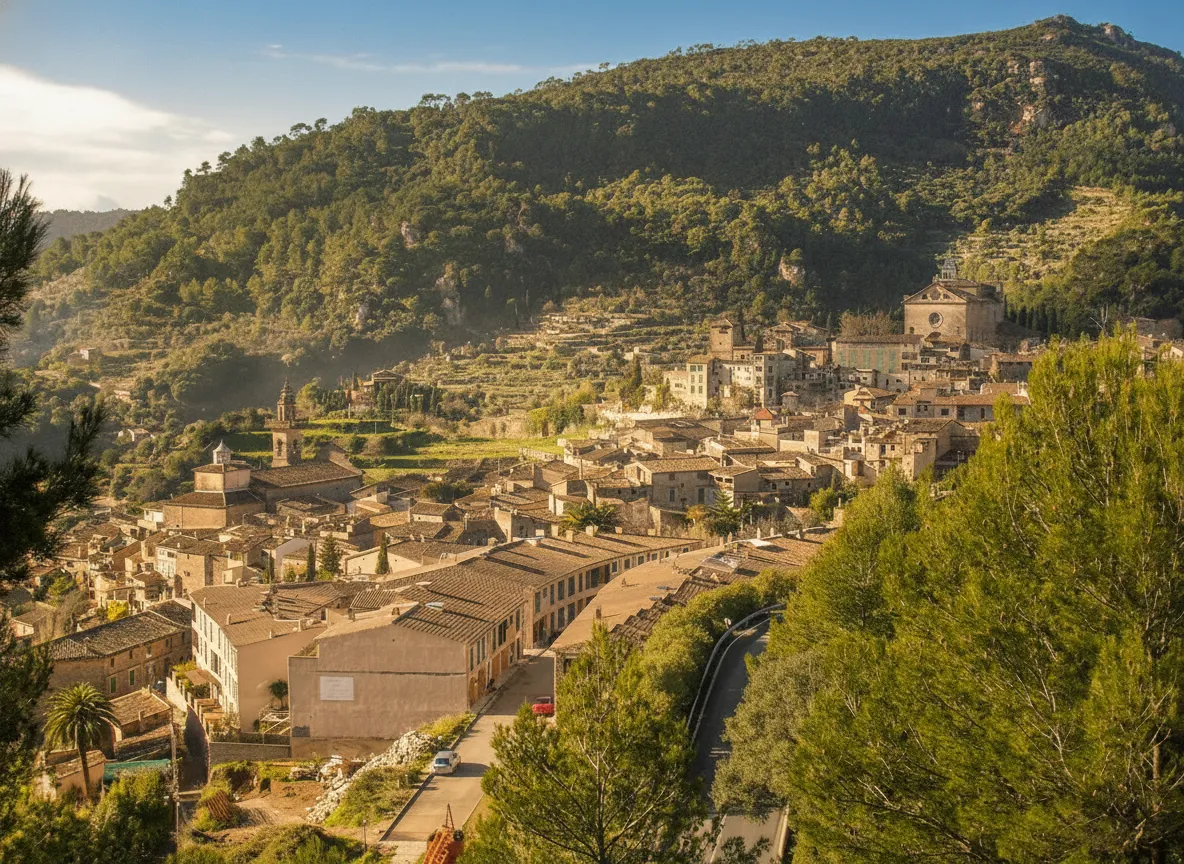
Don't miss the opportunity to visit the birthplace of Saint Catherine Thomas, a humble house preserved as a shrine, offering a deeper insight into the village's spiritual heart. Afterwards, simply get lost in the village's enchanting streets. Each turn reveals a new vista, a charming cafe, or a boutique selling local artisan crafts. The tranquil Jardins de la Cartoixa (Carthusian Gardens), adjacent to the monastery, offer a peaceful retreat with stunning views of the valley and mountains – perfect for a leisurely stroll.
For those who love the outdoors, Valldemossa is perfectly situated for exploring the Serra de Tramuntana. Numerous hiking trails branch out from the village, offering breathtaking panoramic views of the coastline and the rugged interior. Consider a drive along the scenic MA-10 road, which snakes through the mountains, connecting Valldemossa to other charming villages like Deià and Sóller. And no visit would be complete without indulging in the local gastronomy. Seek out a traditional Mallorcan restaurant to savor local delicacies like *tumbet* (a vegetable gratin), *frit mallorquí* (fried meat and vegetables), or the iconic *coca de patata*, a sweet potato bun that is a specialty of Valldemossa, best enjoyed with hot chocolate or almond ice cream.
Planning Your Valldemossa Escape: Practical Tips for a Seamless Visit
To truly savor the magic of Valldemossa, timing is key. The shoulder seasons – April to June and September to October – offer the best balance of pleasant weather and fewer crowds. The scorching summer months (July-August) can be very busy and hot, making leisurely exploration less comfortable. Winters are mild but can be damp, though the quiet ambiance can be particularly charming for those seeking solitude.
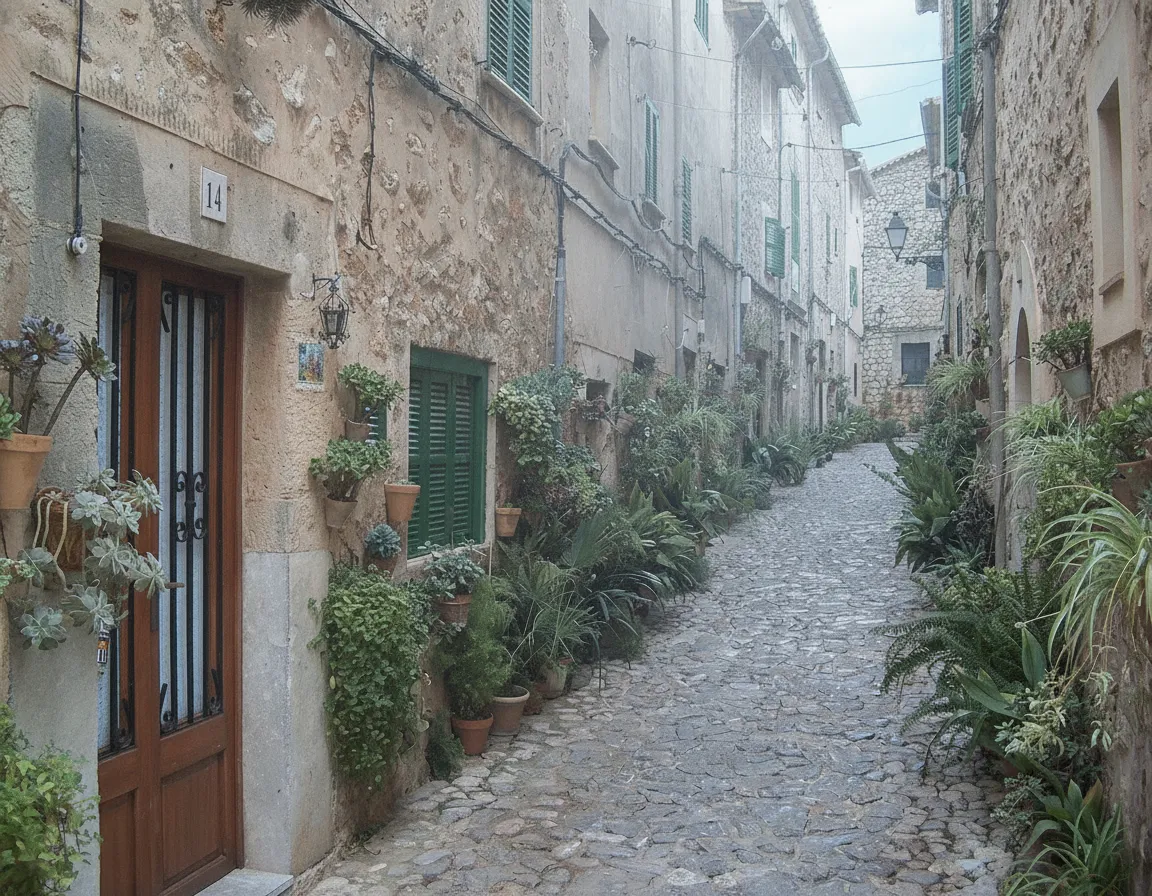
Getting to Valldemossa is relatively straightforward. If you're flying into Mallorca, Palma de Mallorca Airport (PMI) is your gateway. From there, renting a car is highly recommended as it provides the most flexibility to explore Valldemossa and the surrounding Serra de Tramuntana at your own pace. The drive from Palma is a scenic 30-minute journey. Public buses also connect Palma (from the Estació Intermodal) to Valldemossa regularly, making it accessible even without a car. Once in the village, Valldemossa is best explored on foot, so bring comfortable walking shoes – those cobblestone streets are charming but can be uneven.
When it comes to accommodation, Valldemossa offers a range of options, from charming boutique hotels nestled within historic buildings to cozy guesthouses. Booking in advance, especially during peak season, is advisable. While Valldemossa is small, it's worth considering staying for a night or two to experience its evening tranquility after the day-trippers have departed. Alternatively, Palma or nearby coastal towns offer a wider selection of hotels, making Valldemossa an easy and rewarding day trip. Remember that the local language is Catalan (Mallorquín dialect), but Spanish is widely spoken, and English is understood in most tourist-oriented establishments. Embrace the pace of island life, savor the unique cultural tapestry, and let Valldemossa's quiet charm enchant you.
Essential Travel Information
- Location Valldemossa, Spain
- Best Time April to June, September to October
- Getting There Rent a car from Palma de Mallorca Airport (PMI) for a 30-minute scenic drive, or take a public bus from Palma's Estació Intermodal.
- Airport Palma de Mallorca Airport (PMI)
- Budget Mid-range (approx. €80-€150 per day, excluding accommodation)
- Language Catalan (Mallorquín dialect), Spanish
Find Places to Stay Near Valldemossa
Compare hotels, hostels, and unique stays in Spain.
Search AccommodationTours & Experiences Near Valldemossa
Book guided tours, day trips, and unique experiences.
Browse Tours