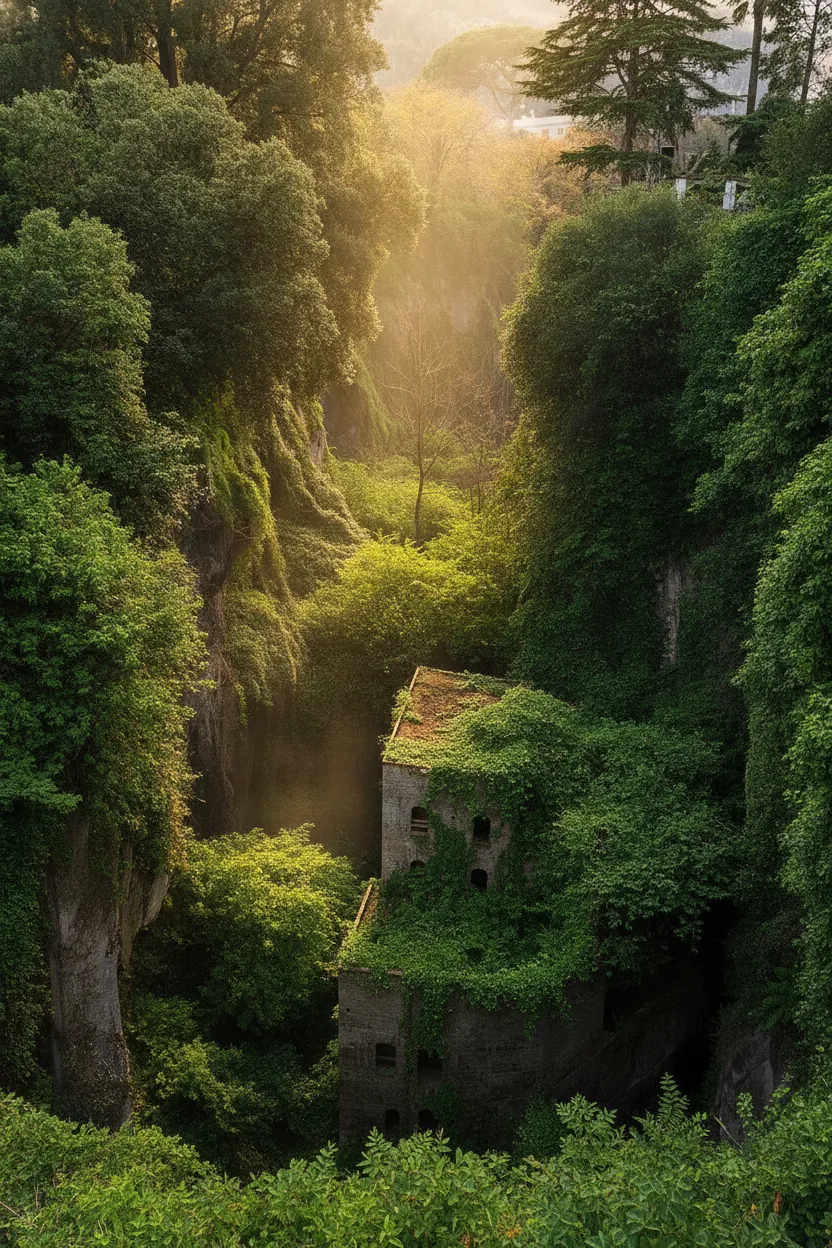
Imagine this: you're strolling through the sun-drenched, bustling streets of Sorrento, gelato in hand, the vibrant energy of the Amalfi Coast washing over you. Then, almost without warning, you peer over a stone wall or through a gap in the buildings, and the world drops away. Beneath the very foundations of this lively Italian town lies a forgotten volcanic chasm, a deep, ancient scar on the earth where time seems to have stopped, and nature has truly taken over. This, my friends, is the Vallone dei Mulini – the Valley of the Mills – a place so utterly unique, so breathtakingly beautiful in its decay, that it feels less like a historical site and more like a portal to a lost world. Here, a medieval flour mill has been completely swallowed by an emerald tide of ferns, moss, and tropical vegetation, creating a haunting, verdant cathedral that will steal your breath away.
The Emerald Embrace: What Makes Vallone dei Mulini So Special?
What makes the Vallone dei Mulini, or Valley of the Mills, so profoundly captivating isn't just its hidden location; it's the sheer, unadulterated spectacle of nature's relentless power. Tucked away in a deep, ancient crevasse formed by a prehistoric eruption, this isn't your typical Italian ruin. There are no meticulously preserved frescoes or grand marble columns here. Instead, you'll find the skeletal remains of centuries-old flour mills and sawmills, now completely engulfed by an explosion of vibrant green life. Picture massive, velvety ferns clinging to crumbling stone walls, delicate mosses blanketing every surface, and dense tropical vegetation weaving through windows and doorways, transforming man-made structures into living sculptures. It’s a scene of ruin and reclamation, a poignant testament to the cyclical dance between human endeavor and the wild, untamed world.
The air itself feels different down in the chasm – cooler, damper, imbued with the earthy scent of ancient stone and thriving plant life. This unique microclimate, shielded from direct sunlight and fed by natural springs, created the perfect conditions for the mills to operate for centuries, but ultimately sealed their fate. It's this very humidity that forced their abandonment in the 1940s, paving the way for the incredible transformation you see today. Visiting Vallone dei Mulini isn't just about seeing a historical site; it's about witnessing an extraordinary botanical phenomenon, a living, breathing diorama of ecological succession. It's a place that sparks wonder, makes you ponder the impermanence of our own creations, and reminds you that sometimes, the most beautiful things are found in unexpected places, reclaimed by the quiet, persistent strength of the natural world.
Whispers of the Past: A Glimpse into its History
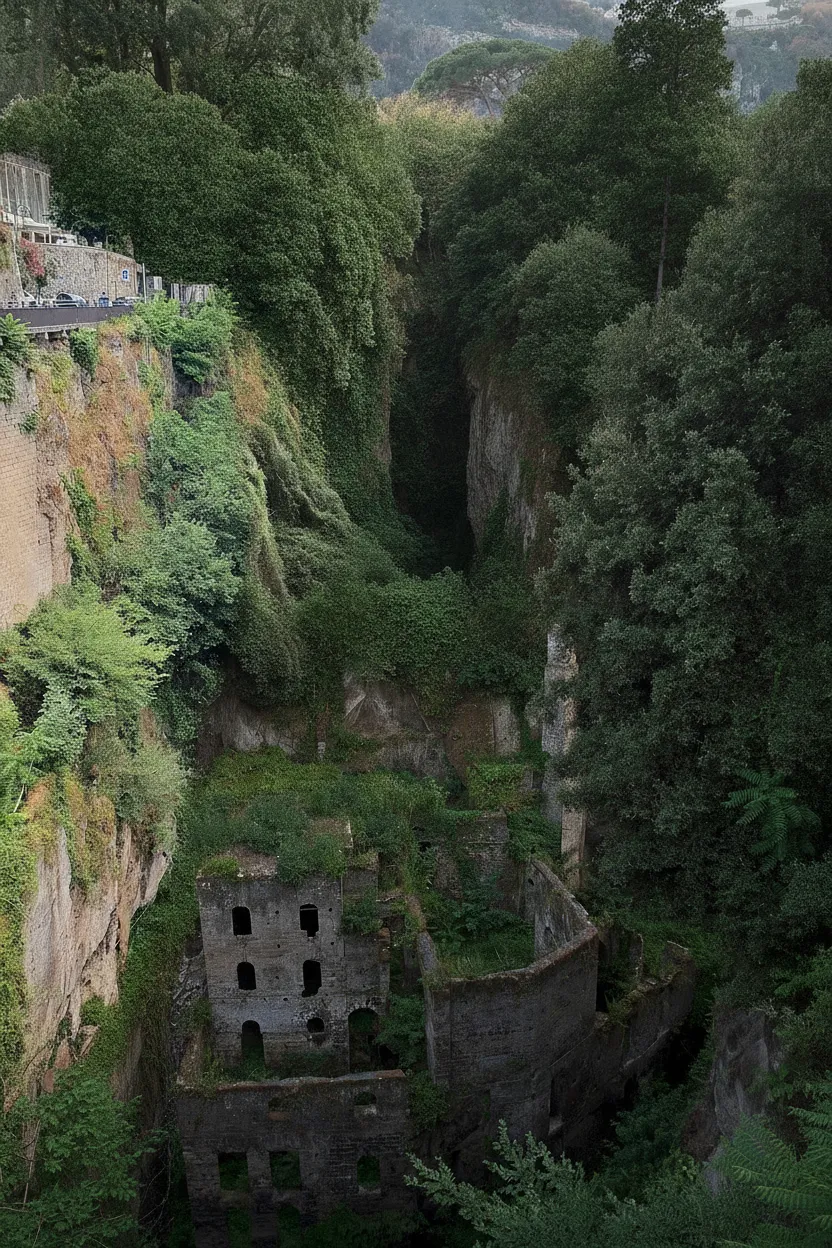
To truly appreciate the Vallone dei Mulini, we need to rewind the clock – far, far back, even before the first stone of a mill was laid. The very chasm itself is a geological marvel, a deep, ancient fissure in the earth carved out by a prehistoric volcanic eruption. This natural ravine, running deep into the tufa rock, provided not only shelter but also a vital water source, making it an ideal location for industrial activity in medieval times. Imagine a time when Sorrento wasn't just a picturesque tourist destination, but a bustling hub of commerce, reliant on the power of water to grind grain and cut wood.
The earliest records indicate that flour mills were established here as far back as the 10th century, harnessing the flow of two small streams that converged at the bottom of the valley. Over the centuries, these mills became the lifeblood of Sorrento, providing flour for the town's inhabitants and sawmills processing timber. The structures you see today date primarily from the 17th century, a testament to their long and industrious service. For hundreds of years, the rhythmic clatter of millstones and the hum of saws would have echoed through the valley, a constant soundtrack to the town's daily life. However, progress, and nature, had other plans.
The rapid urbanization of Sorrento in the late 19th and early 20th centuries, particularly the construction of Piazza Tasso and the surrounding road network, gradually isolated the valley. More critically, the diversion of the streams and the increased humidity in the enclosed chasm created an unbearable environment for the workers. By the 1940s, the mills were deemed unviable and were finally abandoned. Once the human element receded, nature, with an almost poetic eagerness, began its incredible reclamation project. The same damp, enclosed environment that drove humans away became a fertile nursery for an astonishing variety of plants, slowly but surely transforming the industrious valley into the verdant, ghostly wonder we see today.
Exploring the Verdant Cathedral: What You'll See and Experience
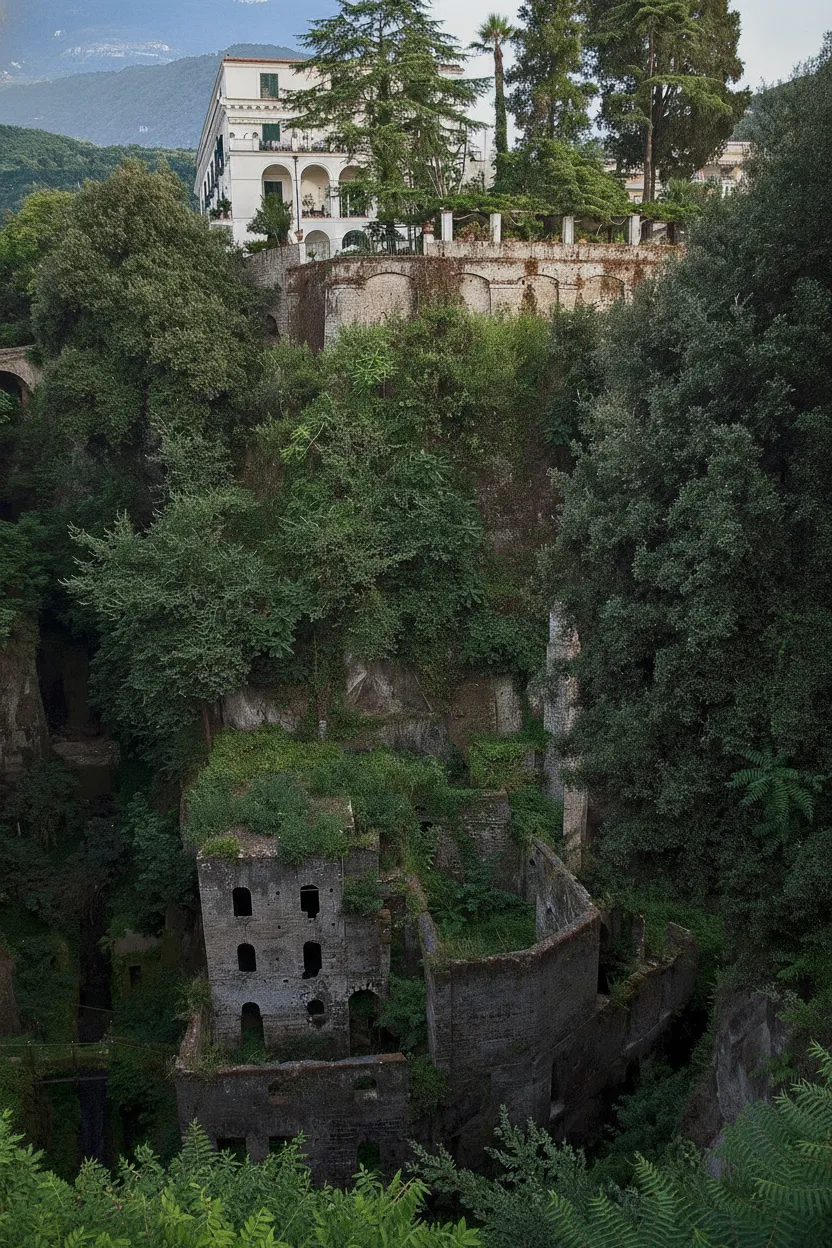
While direct access to the very bottom of the Vallone dei Mulini is generally restricted for safety and preservation, the primary and most breathtaking experience comes from viewing it from above. The most iconic vantage point is from the aptly named Via Fuorimura, just off Piazza Tasso in the heart of Sorrento. As you approach, the sounds of the town slowly fade, replaced by a profound hush as you gaze down into the abyss. It’s a sudden, dramatic reveal that never fails to elicit gasps of awe. From this elevated perspective, you get a panoramic view of the entire chasm, a deep, V-shaped incision in the earth, completely carpeted in a riot of green.
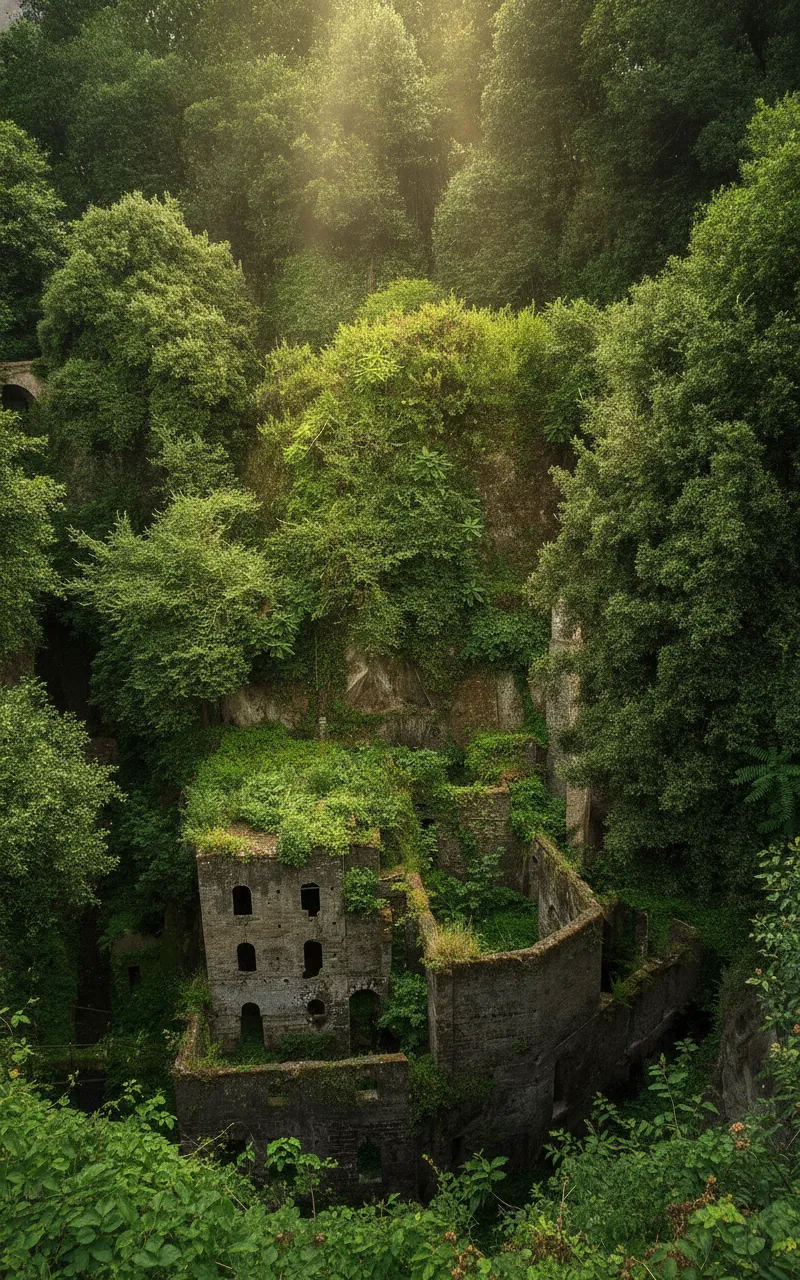
Your eyes will trace the crumbling stone walls of the old mill, almost entirely obscured by a thick, emerald blanket of ferns, mosses, and ivy. You can still discern the outlines of windows and doorways, now framing natural tapestries of foliage. Huge, ancient trees reach skyward from the valley floor, their roots intertwining with the mill's foundations. It's like looking into a miniature rainforest, a jungle that has swallowed a piece of medieval industry whole. You might spot remnants of old machinery, perhaps a gear or a broken millstone, peeking out from the dense undergrowth, offering a tangible link to its past life.
Take your time here. Lean over the railings (safely, of course!) and let your gaze wander. Notice the subtle variations in green, the way the light filters down into the chasm, creating pockets of shadow and brilliance. You'll feel a sense of profound peace mixed with a touch of melancholy for what once was, and immense respect for what nature has created. It's an extraordinary spot for photography, with every angle offering a new perspective on this unique natural and historical wonder. The Vallone dei Mulini is not just a sight; it's an experience that engages your senses and stirs your imagination, making you feel as though you’ve stumbled upon a secret, forgotten world right beneath your feet.
Planning Your Adventure: Practical Tips for Visiting Vallone dei Mulini
Ready to discover this hidden gem for yourself? Here are a few practical tips to ensure your visit to Vallone dei Mulini is as wonderful as the place itself:
- Getting There: The Vallone dei Mulini is incredibly easy to find, as it's located right in the heart of Sorrento. You don't need a map or special directions, just head towards Piazza Tasso. From the piazza, walk along Via Fuorimura (it's the road that bridges over the valley) or Via Correale, and you'll find several excellent viewing points with railings.
- Best Time to View: While the Valley of the Mills is stunning year-round, the lush greenery is at its most vibrant during spring (April-May) and early summer (June) when everything is in full bloom, or in autumn (September-October) when the air is crisp and the light is soft. The cooler temperatures during these seasons also make exploring Sorrento itself more comfortable.
- Optimal Photography: For the best photos, aim for late morning or early afternoon when the sun is higher in the sky. This allows light to penetrate deeper into the chasm, illuminating the vibrant greens. Overcast days can also create beautiful, diffused light that enhances the richness of the colors.
- Accessibility: As mentioned, the primary viewing experience is from above, looking down into the valley. There are paved sidewalks and secure railings at the main viewpoints, making it accessible for everyone. While there are paths that lead to the edges of the chasm in some areas, direct access to the mill ruins at the bottom is generally not permitted and can be unsafe due to steep, unstable terrain. Enjoy the view from the designated spots!
- Combine Your Visit: Since the Vallone dei Mulini is so central, it's perfect to combine with other Sorrento activities. After marveling at the valley, you can explore Piazza Tasso, wander through Sorrento's charming old town, enjoy some limoncello tasting, or head down to Marina Grande for fresh seafood.
- Respect the Site: Remember that this is a delicate ecosystem and a historical site. Do not attempt to climb over railings or throw anything into the valley. Let nature continue its beautiful work undisturbed.
The Vallone dei Mulini is more than just a picturesque spot; it’s a powerful reminder of nature’s enduring spirit and the captivating stories that lie beneath the surface of even the most familiar places. So next time you're dreaming of Italy, add this extraordinary emerald chasm to your must-see list. It’s a truly unforgettable experience that speaks volumes without uttering a single word.
Essential Travel Information
- Location Vallone dei Mulini (Valley of the Mills), Italy
- Best Time Spring (April-May) and Autumn (September-October)
- Getting There Located in the heart of Sorrento, easily viewed from Via Fuorimura or Piazza Tasso. Sorrento is accessible by train (Circumvesuviana line) from Naples.
- Airport Naples International Airport (NAP)
- Budget Mid-range (viewing the mill is free, but Sorrento can be a mid-range to luxury destination for accommodation and dining)
- Language Italian
Find Places to Stay Near Vallone dei Mulini (Valley of the Mills)
Compare hotels, hostels, and unique stays in Italy.
Search AccommodationTours & Experiences Near Vallone dei Mulini (Valley of the Mills)
Book guided tours, day trips, and unique experiences.
Browse Tours