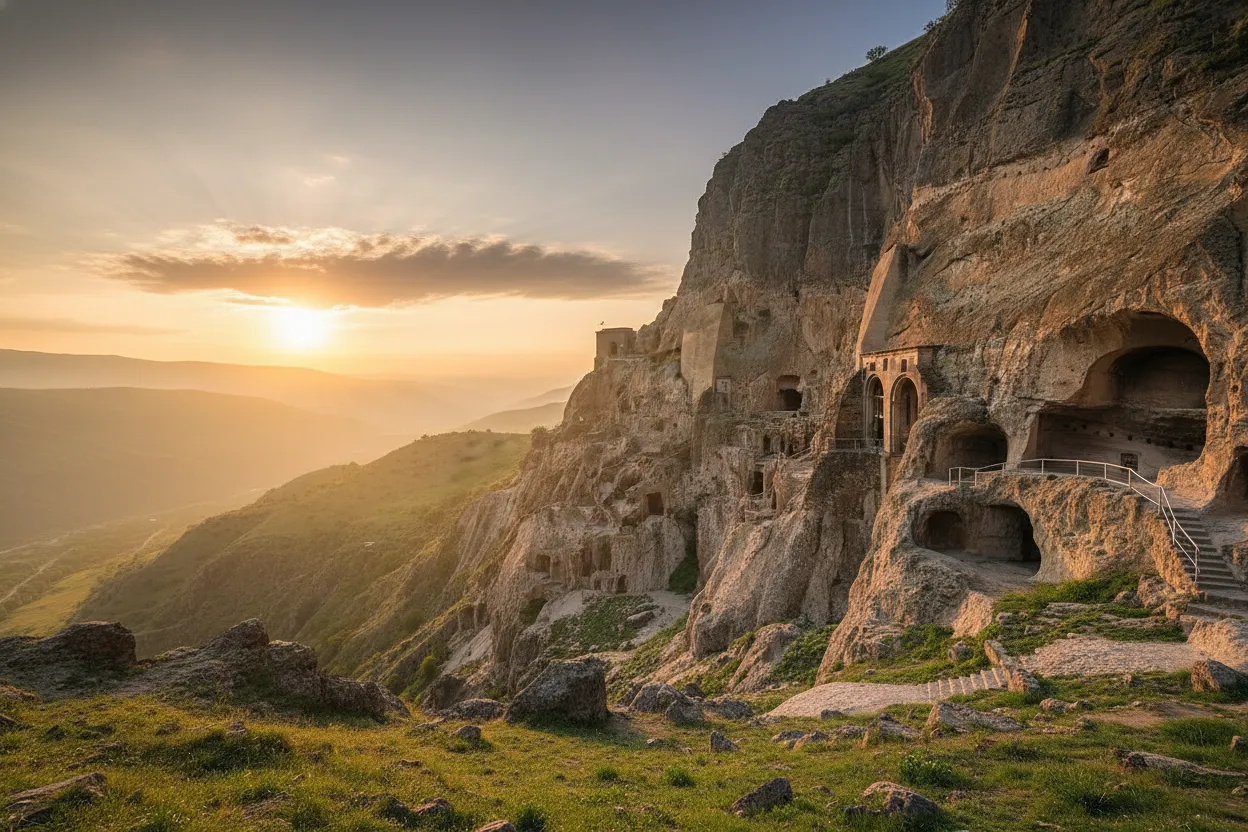
Imagine standing at the base of an imposing cliff face, eyes tracing the rugged contours of the rock, when suddenly, a faint outline begins to emerge. Not just natural formations, but windows, doors, and entire sections of what appears to be a sprawling city, meticulously carved directly into the living stone. This isn't a scene from a fantasy novel; this is Vardzia, Georgia’s breathtaking medieval cave monastery, a hidden marvel that defies imagination and begs to be explored. Tucked away in the heart of the Samtskhe-Javakheti region, Vardzia isn't merely a historical site; it's an entire world sculpted into the earth, a testament to human ingenuity, faith, and resilience.
For centuries, whispers of this ancient Georgian city have captivated those who stumble upon its story. A sprawling underground labyrinth of monasteries, homes, and churches, it's a place where history isn't just observed; it's felt in every echoing corridor and every fresco-adorned wall. If you're yearning for an adventure that transcends the ordinary, a journey into a destination that truly feels like stepping back in time, then prepare to be utterly spellbound by the enigmatic allure of Vardzia.
Vardzia's Unparalleled Charm: What Makes It So Special?
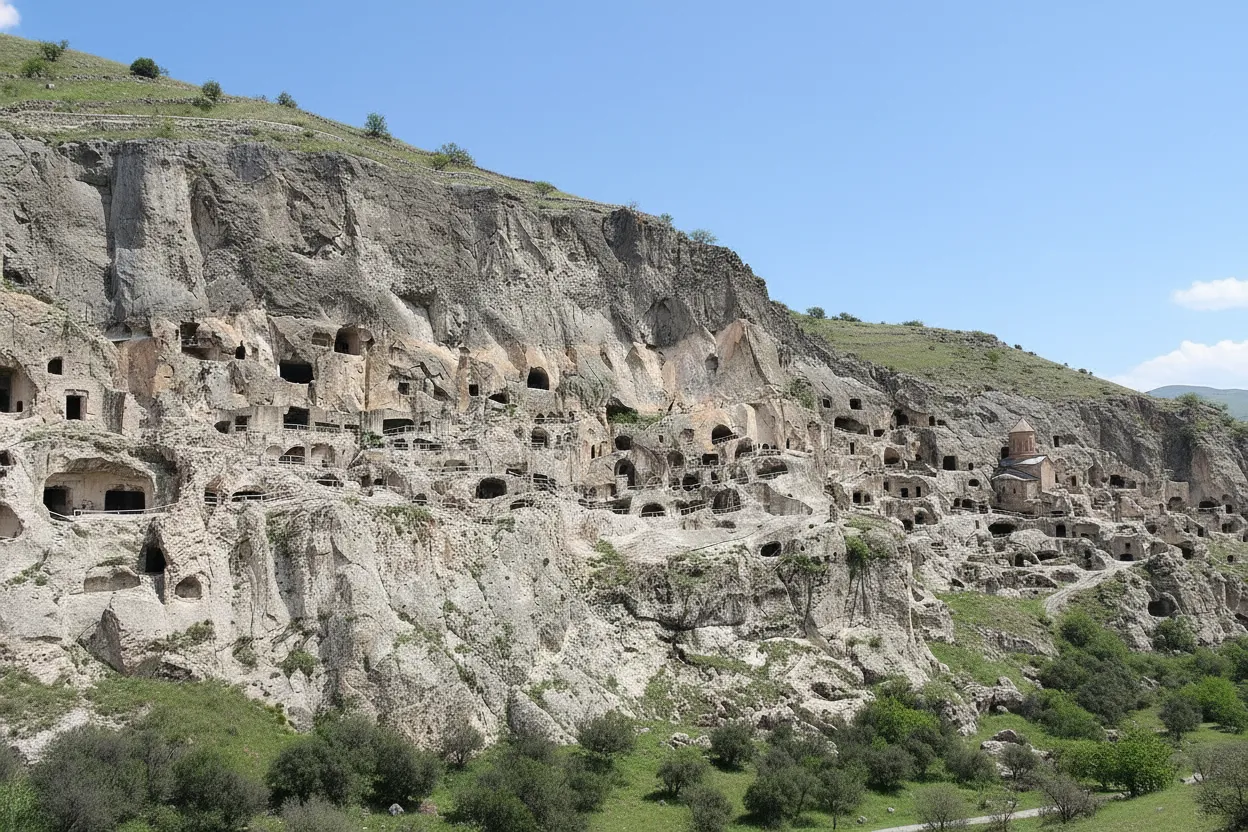
What sets Vardzia apart from other historical sites, even other cave cities, is its sheer scale and the intricate level of planning that went into its creation. Hidden deep within the Erusheti Mountain, Vardzia isn't just a collection of caves; it's a fully-fledged medieval city that once housed thousands of inhabitants. Picture this: a multi-story complex extending over thirteen levels, featuring some 6,000 apartments, a grand church, chapels, living quarters, pharmacies, and even a sophisticated irrigation system that brought fresh water directly to its residents. It's an architectural marvel, literally sculpted into the earth, designed to be both a sanctuary and a fortress.
Originally conceived as a defensive stronghold against the Mongol invasions in the 12th century, Vardzia quickly evolved into a significant cultural and spiritual center. Its unique design meant that from the outside, it was almost invisible, blending seamlessly with the cliff face – a true "hidden city." While a massive earthquake in the 13th century exposed much of its facade, revealing the stunning honeycomb structure we see today, the sense of discovery and awe remains palpable. Walking through its tunnels and chambers, you can almost hear the echoes of monks chanting, craftsmen toiling, and children playing, bringing to life a vibrant community that once thrived within these stone walls.
A Journey Through Time: Vardzia's Rich History
The story of Vardzia is deeply intertwined with the Golden Age of Georgia, particularly with the reign of Queen Tamar, one of the most revered monarchs in Georgian history. Construction began in the 12th century under King George III, but it was his daughter, Queen Tamar, who oversaw its expansion and transformation into the magnificent cave city we marvel at today. Legend has it that the name "Vardzia" itself comes from a young Queen Tamar, who, while playing in the caves, got lost and called out, "I am here, uncle!" (აქ ვარ, ძია! - Ak var, dzia!), which eventually became Vardzia.
During Queen Tamar's reign (1184-1213 AD), Vardzia flourished, becoming a spiritual beacon and a symbol of Georgian strength and ingenuity. It served as a vital defensive point against external threats, particularly the Mongol hordes, offering refuge and a strategic advantage. Monks, scholars, and ordinary citizens lived side-by-side, creating a self-sufficient community protected by the very mountain it inhabited. The city was a testament to the advanced engineering skills of its builders, who managed to carve intricate structures, ventilation systems, and water channels deep within the rock using only rudimentary tools.
However, Vardzia's glory days were not without challenges. The devastating earthquake of 1283 AD was a turning point, destroying over two-thirds of the city and exposing many of its interior chambers. Despite this catastrophe, the monastery continued to function, albeit on a smaller scale, for centuries. It endured invasions and periods of decline until the Ottoman conquest in the 16th century finally led to its abandonment. For a long time, Vardzia lay largely forgotten, a silent testament to a bygone era, until its rediscovery and subsequent restoration efforts began in the 20th century, bringing this incredible heritage site back to life for the world to explore.
Exploring the Labyrinth: What You'll See at Vardzia
Stepping into Vardzia is like entering a different dimension. The sheer scale is immediately overwhelming, yet as you begin to navigate its winding staircases and interconnected tunnels, a sense of wonder takes over. Your exploration will likely begin at the lower levels, ascending gradually, offering ever more spectacular views of the Mtkvari River valley below and the intricate levels of the complex above.
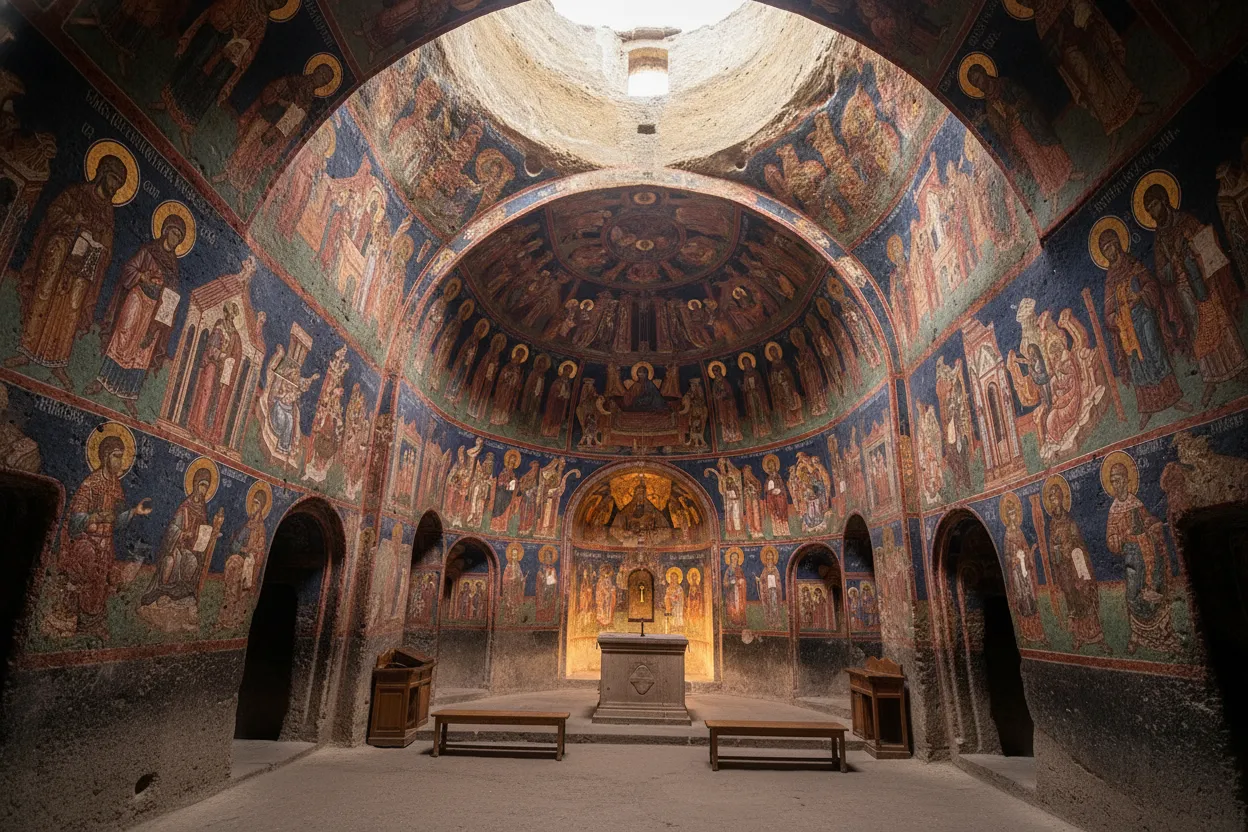
The undisputed highlight of your visit will be the **Church of the Dormition (Assumption)**, the spiritual heart of Vardzia. Carved deep within the rock, its walls are adorned with stunning 12th-century frescoes depicting biblical scenes and portraits of King George III and Queen Tamar herself. The vibrant colors and intricate details, remarkably preserved, offer a rare glimpse into the artistic prowess of medieval Georgia. Imagine standing in a sacred space that has witnessed centuries of devotion, prayer, and history – it’s a truly humbling experience.
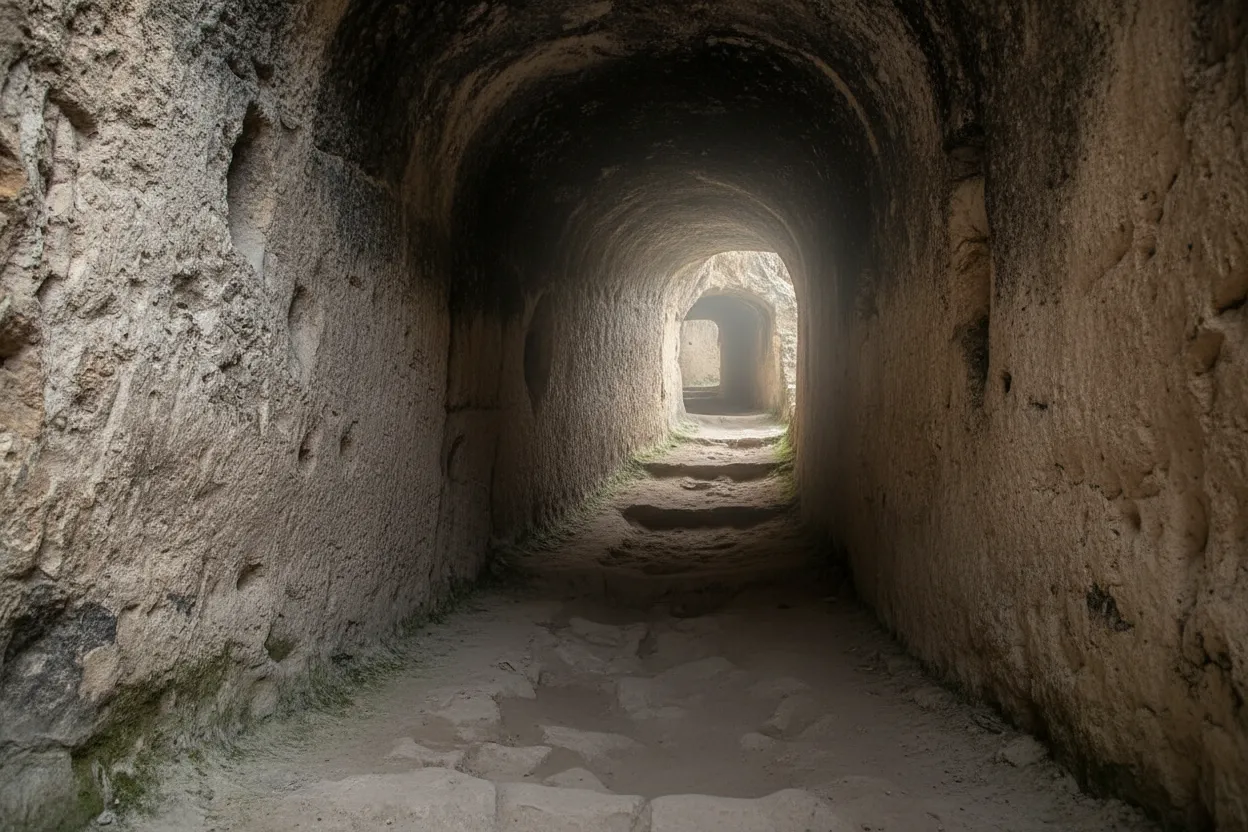
Beyond the main church, you'll discover a fascinating array of chambers. Wander through former **monk cells**, imagine their austere lives, and marvel at the ingenuity of their living arrangements. Explore the remnants of **pharmacies**, complete with niches carved into the walls for medicinal herbs. Peek into ancient **wine cellars (marani)**, where clay qvevri (large earthenware vessels) were used for winemaking, a tradition deeply embedded in Georgian culture. Don't miss the ingenious **irrigation system**, a network of pipes and channels that once brought fresh spring water from the mountain's interior directly into the city, showcasing advanced hydraulic engineering for its time.
As you climb higher, through narrow passageways and up countless steps, you’ll continually be rewarded with breathtaking vistas and new discoveries. The complex is a true labyrinth, with secret tunnels, hidden staircases, and unexpected balconies offering panoramic views. Allow yourself to get a little lost (but not really, there are usually signs!) and let your imagination run wild, envisioning the bustling life of this incredible subterranean city.
Your Essential Guide to Visiting Vardzia
To make the most of your trip to this extraordinary destination, here are some practical tips from a friend who’s been there:
**Best Time to Visit:** Spring (April-May) and Autumn (September-October) offer the most pleasant weather for exploring. The temperatures are mild, and the surrounding landscape is vibrant. Summer can be hot, and winter, while beautiful with snow, can make some paths slippery and access more challenging.
**What to Wear:** Comfortable, sturdy walking shoes are an absolute must. You'll be doing a lot of climbing, descending, and navigating uneven surfaces. Layers are also a good idea, as temperatures can vary between the exposed cliff face and the cool, damp interiors of the caves.
**Accessibility:** Be aware that Vardzia involves many stairs, narrow passages, and uneven terrain. It is not wheelchair accessible, and visitors with significant mobility issues might find it challenging. There are options to take a shuttle bus part of the way up the mountain, reducing some of the initial climbing.
**Guided Tours vs. Self-Exploration:** You can explore Vardzia independently, following marked paths. However, hiring a local guide (often available at the entrance) can significantly enrich your experience, providing historical context, fascinating anecdotes, and pointing out details you might otherwise miss. Many tours from Tbilisi or Akhaltsikhe will include a guide.
**Getting There:** Vardzia is located quite remotely. The most common way to reach it is by marshrutka (minibus) from Akhaltsikhe, the nearest major town. These run fairly regularly. Alternatively, you can hire a private taxi, join an organized tour from Tbilisi or Kutaisi, or rent a car for more flexibility. The drive itself is incredibly scenic, winding through picturesque valleys and mountains.
**Nearby Amenities:** There are a few small guesthouses and cafes near the site entrance. Akhaltsikhe offers more extensive accommodation and dining options if you plan to stay overnight in the region.
**Respect the Site:** Remember that Vardzia is a sacred historical site. Dress respectfully (shoulders and knees covered, especially when entering the church), and refrain from touching frescoes or carvings. Help preserve this incredible heritage for future generations.
Vardzia isn't just a place to visit; it's an experience that will stay with you long after you've left its ancient walls. It's a profound reminder of human ingenuity, artistic brilliance, and unwavering faith, carved into the very fabric of the earth. So, pack your bags, prepare for an adventure, and allow the magic of Georgia’s hidden cave city to unfold before your very eyes. Trust me, you'll be telling stories about Vardzia for years to come!
Essential Travel Information
- Location Vardzia Cave Monastery, Georgia
- Best Time Spring (April-May) and Autumn (September-October)
- Getting There Marshrutka (minibus) from Akhaltsikhe, private taxi, organized tour from Tbilisi or Kutaisi, or rental car.
- Airport Tbilisi International Airport (TBS), Kutaisi International Airport (KUT)
- Budget Mid-range (approx. $50-100 USD/day for accommodation, food, transport in the region)
- Language Georgian
Find Places to Stay Near Vardzia Cave Monastery
Compare hotels, hostels, and unique stays in Georgia.
Search AccommodationTours & Experiences Near Vardzia Cave Monastery
Book guided tours, day trips, and unique experiences.
Browse Tours