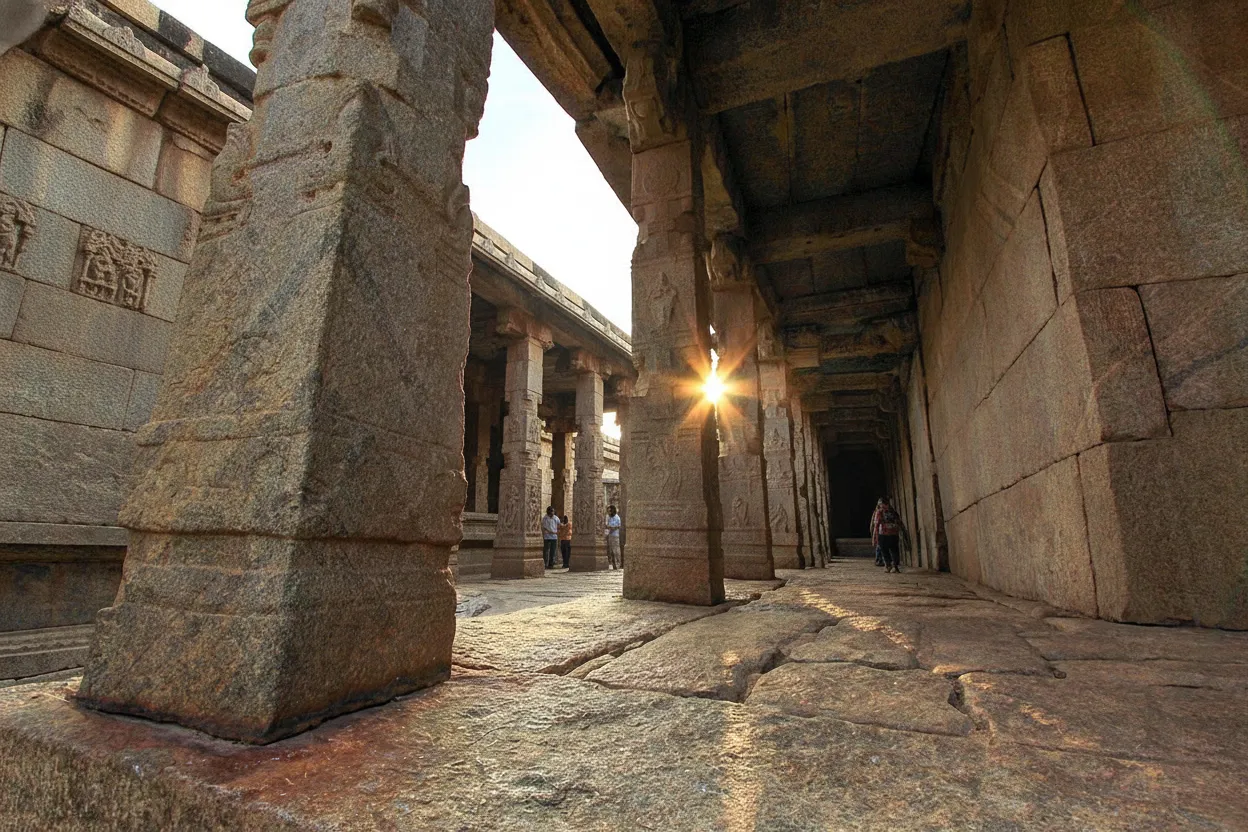
Imagine a massive stone pillar, supporting the ancient roof of a sacred temple, yet it doesn't quite touch the ground. For centuries, this architectural enigma has baffled engineers, historians, and curious travelers alike. Welcome to the Veerabhadra Temple in Lepakshi, Andhra Pradesh, a place where gravity seems to take a holiday, and the past whispers tales of unparalleled ingenuity. Nestled in the heart of India, this isn't just another historical site; it's a living testament to a lost art, a marvel that beckons you to witness the impossible with your own eyes. Forget everything you thought you knew about ancient construction, because Lepakshi is about to redefine it.
The Gravity-Defying Wonder: Lepakshi's Hanging Pillar
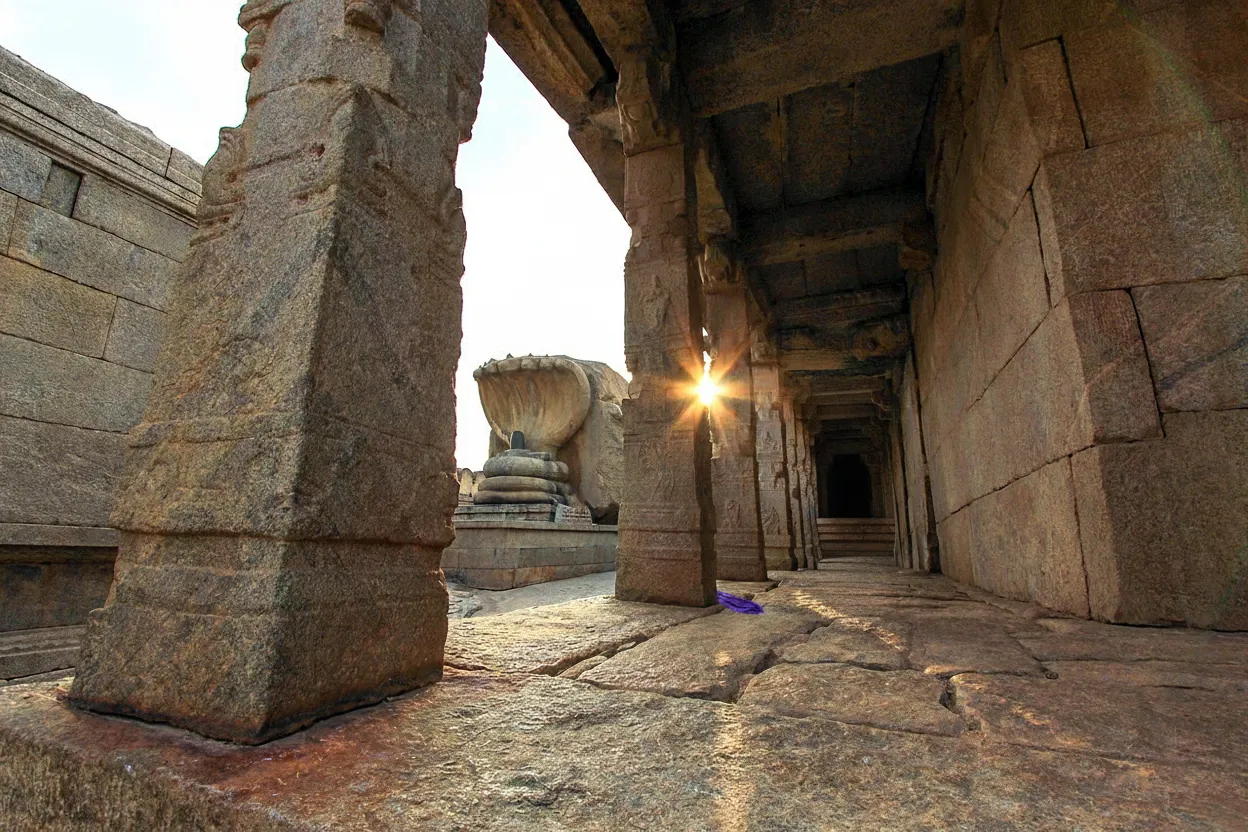
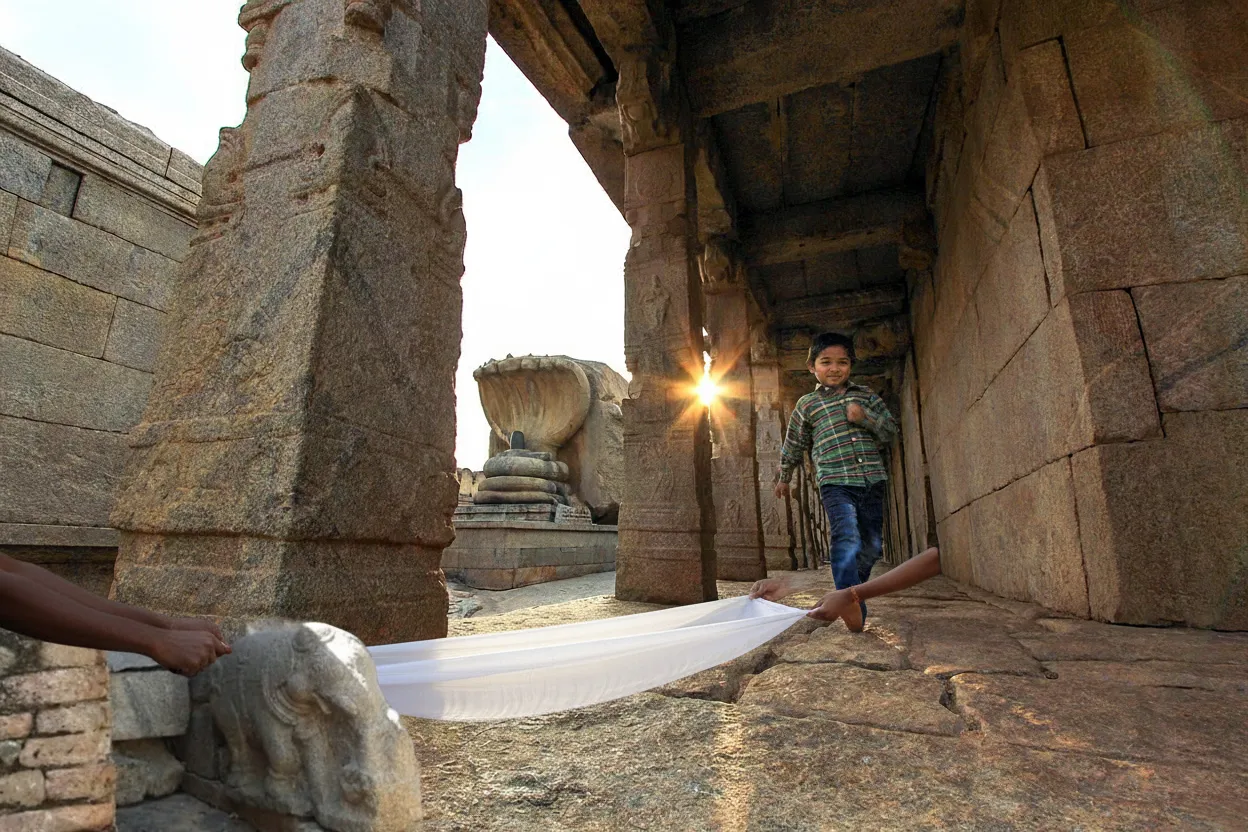
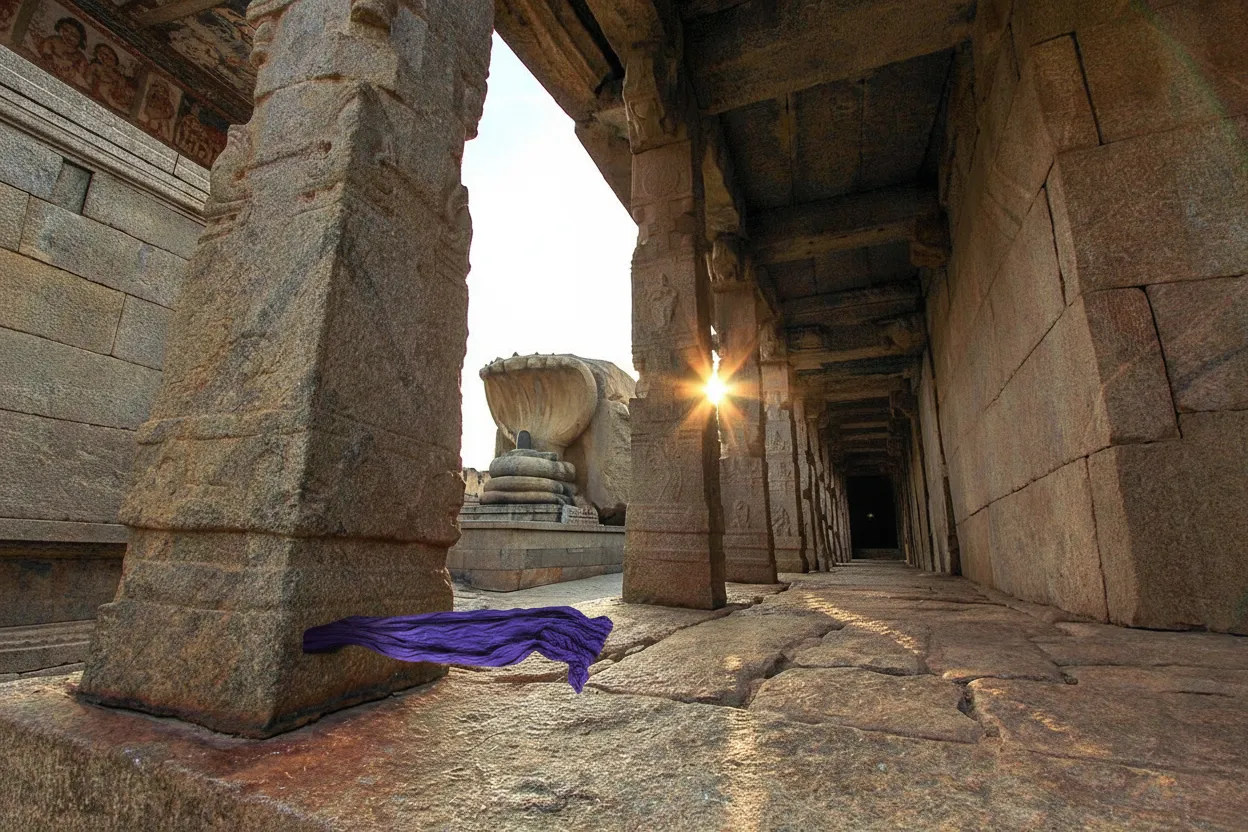
At the heart of the Veerabhadra Temple's fame lies its most profound secret: the legendary 'Hanging Pillar.' Among the seventy pillars that adorn the main mandapa (hall) of the temple, one stands out, not for its ornate carvings, but for its sheer defiance of physics. This isn't a trick of the light or a clever illusion; it's a tangible, verifiable phenomenon. Visitors are encouraged to perform a simple, yet utterly mind-boggling test: pass a thin piece of paper, a cloth, or even a handkerchief underneath its base. And every single time, it slides through effortlessly, proving beyond a shadow of a doubt that this massive stone column, supporting the heavy stone ceiling above, simply doesn't connect with the ground.
The experience is surreal. As your fingers brush the cool stone of the pillar and the paper glides through the gap, a wave of wonder washes over you. How? Why? Was it deliberate? Was it an engineering feat designed to showcase the builders' mastery, or a subtle settlement over centuries that left it suspended? Legends abound, some claiming it's a divine miracle, others attributing it to the unmatched skill of the Vijayanagara architects. One popular story suggests that during the British era, an engineer, intrigued by the mystery, attempted to dislodge the pillar to understand its secret, only to cause the entire structure to shift, forcing him to abandon his endeavor and leaving the enigma intact for future generations to ponder. Whatever the truth, the hanging pillar of Lepakshi remains a captivating puzzle, a silent challenge to modern engineering, and a powerful symbol of the advanced knowledge possessed by ancient Indian builders.
A Glimpse into History: The Vijayanagara Legacy
To truly appreciate the Veerabhadra Temple, one must understand its roots. This architectural masterpiece was constructed in the 16th century by Virupanna and Viranna, two brothers who served as governors under the mighty Vijayanagara Empire. Flourishing from the 14th to the 17th centuries, the Vijayanagara Empire was one of the most powerful and prosperous Hindu empires in South Indian history, renowned for its patronage of art, architecture, and literature. Their capital, Hampi, now a UNESCO World Heritage site, stands as a testament to their grandeur, and the Veerabhadra Temple at Lepakshi is a shining example of the distinct Vijayanagara architectural style.
Dedicated to Veerabhadra, a fierce incarnation of Lord Shiva, the temple complex itself is a sprawling canvas of intricate carvings, majestic structures, and vibrant frescoes. The Vijayanagara style is characterized by its elaborate pillared mandapas, towering gopurams (entrance towers), and an emphasis on mythological narratives depicted through detailed sculptures. The temple at Lepakshi perfectly embodies these characteristics, offering a window into a golden age of artistic and spiritual devotion. Every stone tells a story, every carving a piece of history, reflecting the profound cultural and religious vibrancy of an empire that left an indelible mark on the landscape of South India.
Beyond the Pillar: What Else Awaits at Lepakshi
While the hanging pillar is undoubtedly the star attraction, the Veerabhadra Temple is far more than a one-trick pony. The entire complex is a treasure trove of art, history, and spiritual significance that deserves hours of exploration. As you wander through its courtyards and halls, you'll discover wonders that rival the pillar in their beauty and craftsmanship.
The Monolithic Nandi
Just a short distance from the main temple complex, you'll encounter one of India's largest monolithic Nandi (the sacred bull, mount of Lord Shiva). Carved from a single massive boulder, this majestic sculpture measures approximately 27 feet in length and 15 feet in height. Its serene expression, intricate ornamentation, and sheer scale are breathtaking, making it a popular spot for photographs and a powerful symbol of the temple's devotion to Shiva.
Exquisite Frescoes and Murals
Step inside the temple's main hall, and your gaze will be drawn upwards to the ceilings, which are adorned with some of the finest examples of Vijayanagara mural art. These vibrant frescoes, though faded by time, depict scenes from Hindu mythology, particularly those related to Lord Shiva. The most famous among them is a massive painting of Veerabhadra, the fierce deity to whom the temple is dedicated, along with depictions of the 14 avatars of Shiva. The detail, the use of natural pigments, and the expressive storytelling in these paintings are truly remarkable, offering a rare glimpse into the artistic prowess of the 16th century.
Intricate Carvings and Sculptures
Every pillar, every wall, and every niche within the Veerabhadra Temple is a canvas for intricate carvings. You'll find depictions of musicians, dancers, mythological beasts, gods, and goddesses. Look closely, and you'll discover fascinating details: a carving of Lord Shiva's 'Ananda Tandava' (dance of bliss), scenes from the Mahabharata and Ramayana, and various forms of Shiva and Parvati. The Kalyana Mandapam, or marriage hall, though unfinished, showcases pillars with exquisite sculptures of divine couples and celestial beings, hinting at the grandeur it was intended to possess.
The Nagalinga
Another fascinating monolithic sculpture within the temple complex is the Nagalinga. Carved from a single stone, it features a massive multi-headed cobra (Naga) providing shelter to a lingam, the aniconic representation of Lord Shiva. The detail on the cobra's scales and hoods is impressive, and its sheer size makes it a captivating sight.
Planning Your Journey to Lepakshi: Tips for a Seamless Visit
Ready to embark on this journey to witness the impossible? Here are some practical tips to help you plan your visit to the Veerabhadra Temple in Lepakshi.
Best Time to Visit
The weather in Andhra Pradesh can be quite warm. The ideal time to visit Lepakshi is during the cooler months, from October to March. The temperatures are pleasant, making it comfortable to explore the temple complex and its surroundings.
How to Get There
Lepakshi is conveniently located in Andhra Pradesh, relatively close to Bengaluru, Karnataka.
- By Air: The nearest major airport is Kempegowda International Airport, Bengaluru (BLR), which is approximately 120 km away. From the airport, you can hire a taxi or take a bus.
- By Road: Lepakshi is well-connected by road. It's an easy and scenic drive of about 2-3 hours from Bengaluru via NH44. Regular bus services also operate from nearby towns like Hindupur (about 14 km away) and Anantapur.
- By Train: The nearest railway station is Hindupur, which is well-connected to major cities. From Hindupur, local taxis or auto-rickshaws are readily available.
Accommodation and Facilities
Lepakshi itself is a small village with limited accommodation options. Most visitors choose to make it a day trip from Bengaluru or stay in nearby towns like Hindupur or Anantapur, which offer a wider range of hotels and guesthouses. Within Lepakshi, you'll find basic eateries serving local South Indian cuisine. It's always a good idea to carry bottled water and any specific snacks you might need.
What to Wear and Temple Etiquette
As a sacred religious site, it's advisable to dress modestly. Comfortable clothing that covers your shoulders and knees is recommended. You'll also be doing a fair amount of walking, so comfortable footwear is a must. Remember to remove your shoes before entering the main temple areas. Photography is generally allowed, but always be respectful of the sanctity of the place and any specific signs regarding photography restrictions. Avoid touching the ancient frescoes and carvings to help preserve them for future generations.
The Veerabhadra Temple at Lepakshi is more than just a collection of ancient stones; it's an experience that transcends time and challenges perception. It's a place where history, art, and an inexplicable engineering marvel converge, leaving you with a profound sense of wonder. So, pack your bags, prepare to be amazed, and come witness the magic of the hanging pillar – a true hidden gem waiting to be discovered in the heart of Andhra Pradesh. Don't just read about it; experience the mystery for yourself.
Essential Travel Information
- Location Veerabhadra Temple, Lepakshi (Hanging Pillar), India
- Best Time October to March (cooler, pleasant weather)
- Getting There Approximately 120 km from Bengaluru, accessible by car/taxi via NH44. Regular bus services from Hindupur. Nearest railway station: Hindupur.
- Airport Kempegowda International Airport, Bengaluru (BLR)
- Budget Budget/Mid-range (approx. ₹1,500 - ₹3,000 per day including travel from Bengaluru, food, and entry if any)
- Language Telugu, Kannada, English, Hindi
Find Places to Stay Near Veerabhadra Temple, Lepakshi (Hanging Pillar)
Compare hotels, hostels, and unique stays in India.
Search AccommodationTours & Experiences Near Veerabhadra Temple, Lepakshi (Hanging Pillar)
Book guided tours, day trips, and unique experiences.
Browse Tours