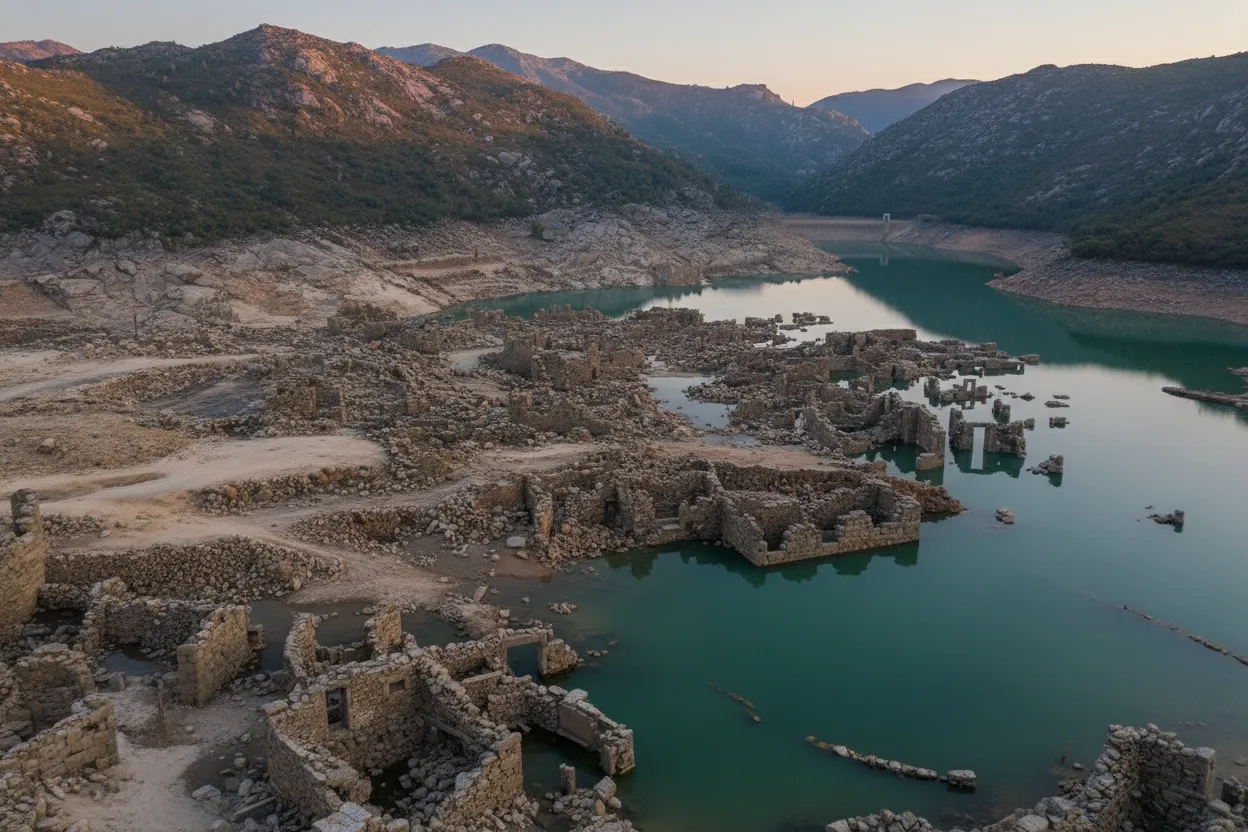
Nestled deep within the breathtaking Peneda-Gerês National Park, near the Spanish border in the Norte region, Vilarinho das Furnas is a destination unlike any other. For most of the year, it lies silently beneath the glistening waters of the Cávado River, a forgotten memory preserved by the very element that displaced it. But when severe droughts grip the Iberian Peninsula, the reservoir's levels plummet, unveiling a meticulously preserved testament to a bygone era. It's a rare, almost spiritual experience to walk these ancient paths, a journey through time that leaves an indelible mark on your soul.
Vilarinho das Furnas: A Village That Defies Time
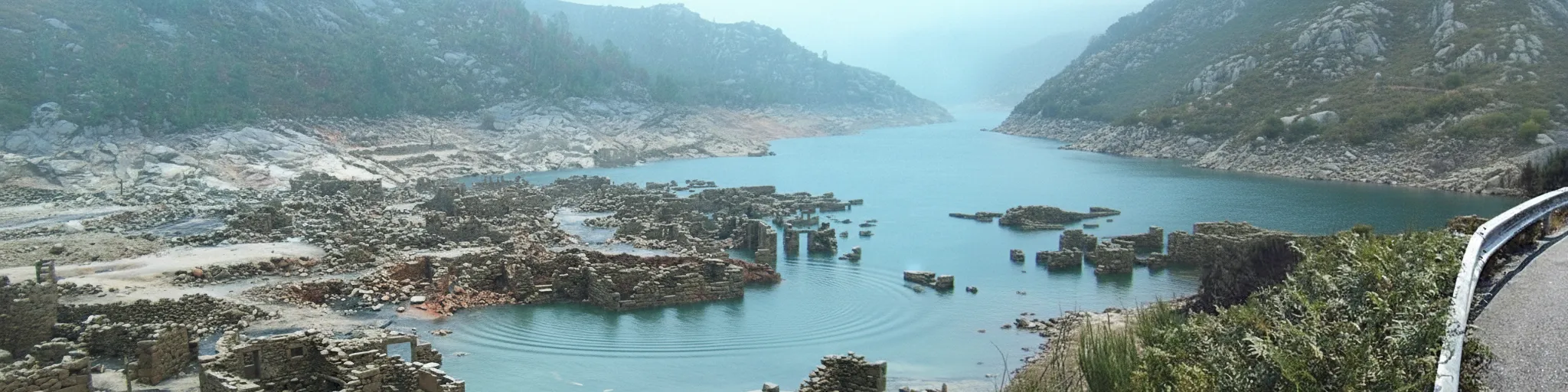
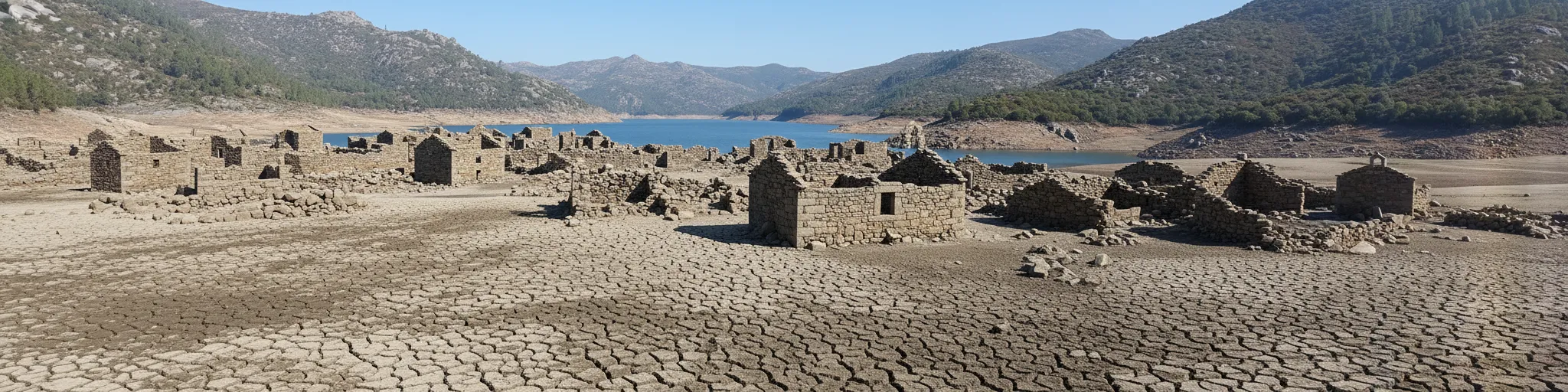
What makes Vilarinho das Furnas so uniquely captivating is its ephemeral nature. It’s a phantom village, appearing and disappearing with the whims of the climate. This isn't just another set of ruins; it's a perfectly preserved time capsule that offers a raw, unfiltered look at a community's life before it was forcibly uprooted. The stone structures, built with the sturdy resilience characteristic of mountain villages, withstand the decades of submersion, only to emerge remarkably intact. You can trace the outlines of homes, identify communal ovens, and even discern the ancient Roman roads that once connected this remote settlement to the wider world.
The experience of visiting Vilarinho das Furnas is profound. It’s a stark reminder of human impact on nature, and nature's enduring power. In an era where climate change increasingly dominates headlines, this village serves as a living, breathing (or perhaps, un-breathing) monument to the consequences of altering natural landscapes. It’s a destination that sparks wonder, contemplation, and a deep appreciation for both history and the environment. Few places on Earth offer such a poignant dialogue between the past and the present, between man-made progress and nature's slow, relentless reclamation.
Echoes from the Deep: The Story of Vilarinho das Furnas
To truly appreciate Vilarinho das Furnas, one must understand its vibrant past. For centuries, this isolated village thrived, its inhabitants living a largely self-sufficient, communal existence. Their lives were dictated by the rhythms of the land and the Cávado River, which provided sustenance and a connection to neighboring communities. Evidence suggests that the area has been inhabited since Roman times, with remnants of Roman roads and bridges hinting at its strategic importance for trade and passage through the mountainous terrain. The villagers were known for their strong communal bonds, sharing resources and responsibilities, a way of life that had been passed down through generations.
Then came 1972, a year that forever changed the fate of Vilarinho das Furnas. The Portuguese government embarked on an ambitious project to construct a dam, harnessing the power of the Cávado River for hydroelectricity. Despite protests and the deep emotional ties the villagers had to their ancestral land, the decision was made: Vilarinho das Furnas would be submerged. The residents were forced to abandon their homes, their history, and their way of life, relocating to new, unfamiliar surroundings. Imagine the heartache of leaving a place where your family had lived for hundreds of years, knowing it would soon be swallowed by water. The dam was completed, the reservoir filled, and Vilarinho das Furnas disappeared, becoming a whispered legend, a ghost beneath the waves.
Walking Through History: What You'll Discover
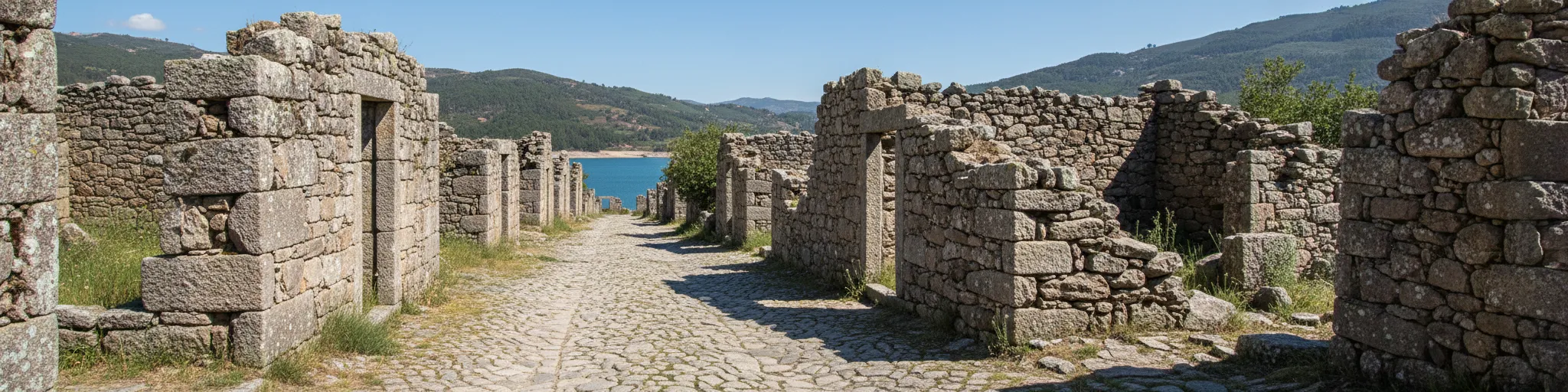
When the waters recede, a truly surreal landscape emerges. You can walk along the old cobbled streets, still remarkably intact, winding your way past the skeletal remains of stone houses. Each structure tells a silent story: the small windows that once framed mountain views, the hearths where families gathered, the granaries where harvests were stored. It’s a profoundly intimate experience to trace the outlines of these lives, to imagine the laughter, the struggles, and the daily routines that once filled these now-empty spaces.
Among the most striking features are the ancient Roman roads, their sturdy construction enduring both time and water. These pathways offer a tangible link to an even deeper past, reminding you that this land has been traversed by humans for millennia. You might spot a communal washing tank, a livestock enclosure, or even the remnants of a small chapel. The air is thick with a poignant silence, broken only by the wind whistling through empty doorways and the distant sounds of the remaining reservoir. It's a place that encourages quiet reflection, a deep connection to the people who once called this extraordinary place home.
Planning Your Expedition to the Ghost Village
Visiting Vilarinho das Furnas requires careful planning and a touch of serendipity, as its appearance is entirely dependent on drought conditions. This isn't a guaranteed attraction, but rather a rare opportunity that rewards the patient and the prepared.
- When to Go: The village typically resurfaces during periods of severe drought, which most often occur in late summer or early autumn (August to October) in Portugal. However, climate patterns are unpredictable, so it's crucial to monitor water levels. Local news, regional tourism websites (like those for the Peneda-Gerês National Park or Terras de Bouro municipality), and even social media groups dedicated to the area are your best resources for real-time updates on the reservoir's water levels. Don't plan a trip solely around seeing the village without confirming its visibility.
- How to Get There: Vilarinho das Furnas is located in a remote part of the Peneda-Gerês National Park, making a rental car essential. From Porto (the nearest major airport), it's about a 1.5 to 2-hour drive. The roads within the park can be winding, but they are generally well-maintained. The village site is accessed from the shores of the reservoir, often requiring a short walk from parking areas, which can vary depending on water levels.
- What to Bring: Sturdy, waterproof hiking boots are a must, as the terrain can be muddy, uneven, and rocky. Bring plenty of water, snacks, sunscreen, and a hat, as there is little shade. A good camera is indispensable for capturing the unique atmosphere.
- Accommodation: While there are no facilities directly at the site, you can find charming guesthouses and hotels in nearby towns like Terras de Bouro, Campo do Gerês, or even further afield in Braga or Ponte da Barca. These towns offer a great base for exploring the wider national park.
- Respectful Tourism: This is a place of profound historical and emotional significance. Tread lightly, leave no trace, and take nothing but photographs. Respect the silence and the memory of the displaced community. The ground can be uneven and slippery; exercise caution at all times.
Beyond Vilarinho: Exploring the Peneda-Gerês National Park
Your journey to Vilarinho das Furnas naturally places you within the stunning embrace of the Peneda-Gerês National Park, Portugal's only national park. This expansive wilderness is a treasure trove of natural beauty, offering countless opportunities for adventure and relaxation. After your poignant visit to the ghost village, take time to explore the park's other wonders.
You can hike through ancient oak forests, discover hidden waterfalls cascading into crystal-clear pools (like the famous Cascata do Tahiti), and spot wild Garrano horses roaming freely. The park is also home to charming traditional villages that still maintain their age-old customs, offering a glimpse into a way of life that has largely disappeared elsewhere. Enjoy the local cuisine, rich in hearty mountain flavors, and immerse yourself in the tranquility of this protected landscape. Visiting Vilarinho das Furnas can be the centerpiece of an unforgettable trip exploring one of Europe's most pristine natural paradises.
A Journey Through Time and Memory
Vilarinho das Furnas is more than just a destination; it's an experience that transcends typical tourism. It’s a rare opportunity to connect with history in its rawest form, to witness a place that embodies both loss and resilience. Whether you're a history buff, a nature lover, or simply a curious traveler seeking something truly extraordinary, the ghost village of Vilarinho das Furnas offers a journey through time and memory that you won't soon forget. Keep an eye on those water levels, and prepare yourself for an encounter with a village that refuses to stay buried, a true testament to the enduring spirit of Portugal's hidden past.
Essential Travel Information
- Location Vilarinho das Furnas, Portugal
- Best Time During severe drought periods, typically late summer/early autumn (August-October), but highly variable. Monitor local water levels for visibility.
- Getting There Access by car is essential. Approximately 1.5-2 hours drive from Porto. Follow signs towards Vilarinho das Furnas dam within Peneda-Gerês National Park.
- Airport Porto Airport (OPO)
- Budget Mid-range (approx. €80-€150 per day, including car rental and accommodation in nearby towns)
- Language Portuguese
Find Places to Stay Near Vilarinho das Furnas
Compare hotels, hostels, and unique stays in Portugal.
Search AccommodationTours & Experiences Near Vilarinho das Furnas
Book guided tours, day trips, and unique experiences.
Browse Tours