Imagine a village where homes aren't built *on* the earth, but carved directly *into* it, creating a subterranean world still echoing with centuries of human life. This isn't a scene from a fantasy novel, but a tangible reality nestled beneath the gentle hills of France's enchanting Loire Valley. Welcome to the Village Troglodytique de Rochemenier, a captivating testament to human ingenuity and resilience, a quiet marvel most travelers never discover. If you’re a curious wanderer seeking genuinely unique experiences beyond the well-trodden paths, prepare to be utterly charmed by this hidden gem where the very earth provides shelter and sustenance.
For over a thousand years, inhabitants of Rochemenier have carved their lives from the soft tufa rock that defines this region. What began as simple dwellings evolved into complex subterranean communities, complete with chapels, farms, and homes, a unique way of life preserved for generations. Today, parts of Rochemenier remain privately inhabited, a living legacy, while others have been carefully conserved as an extraordinary museum. Stepping into Rochemenier is like stepping into a time capsule, a rare glimpse into a world where the boundaries between nature and human habitation blur, inviting you to explore its cool, quiet depths and uncover the stories etched into its stone walls.
What Makes Rochemenier So Special? A World Beneath Your Feet
Rochemenier isn't just a collection of caves; it's an entire village, meticulously carved and shaped by human hands over millennia. What sets it apart from other historical sites is its profound sense of authenticity and intimacy. Unlike grand châteaux that stand as monuments to power and wealth, Rochemenier speaks of everyday life, of farmers, artisans, and families who adapted to their environment in the most profound way imaginable. This isn't a reconstruction; it's a preserved piece of history, where the tools, furniture, and even the layout of the homes tell a direct story of survival and community.
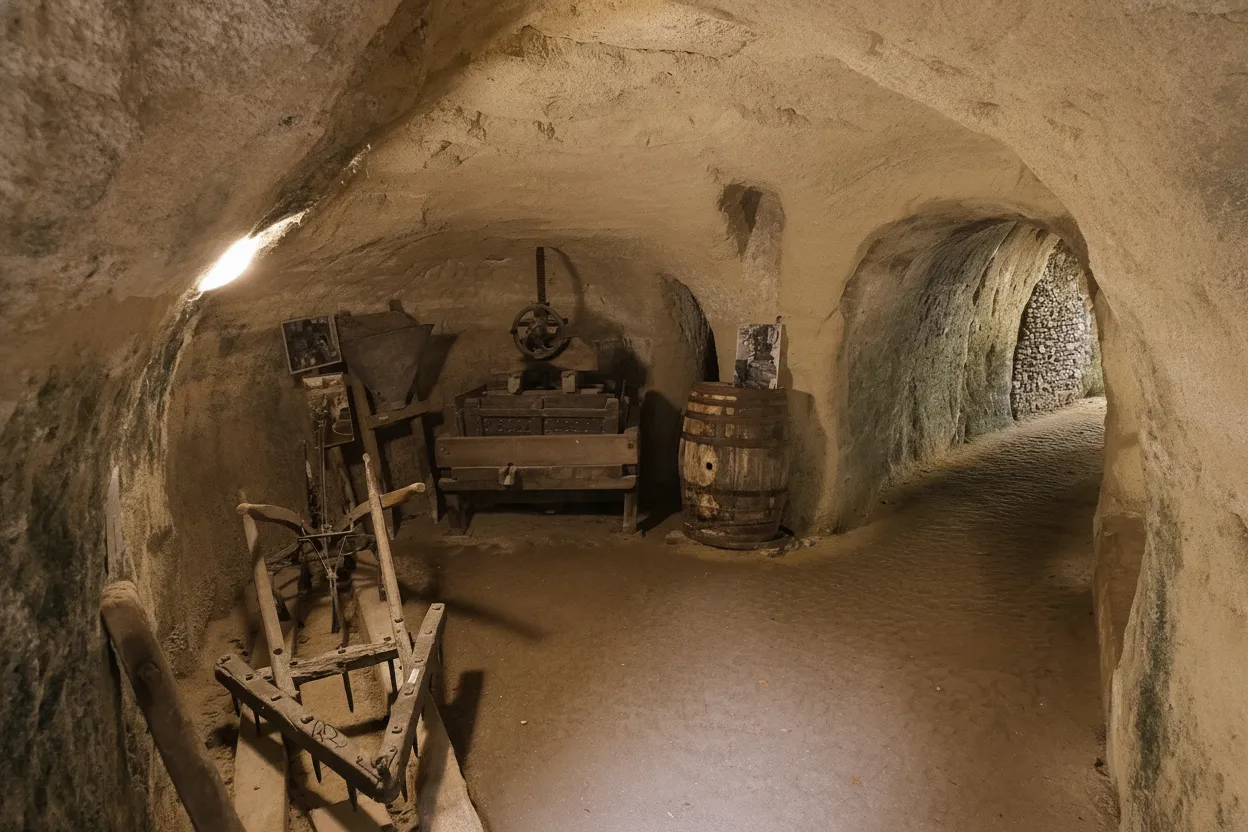
The magic truly lies in the atmosphere. As you descend into the cool, naturally temperature-regulated chambers, the sounds of the modern world fade away, replaced by a hushed reverence. The soft light filtering in through carefully placed openings, the smooth, cool touch of the tufa rock, and the sheer scale of the excavation are breathtaking. It’s a place that sparks the imagination, prompting questions about how these communities thrived, how they celebrated, mourned, and simply lived, entirely ensconced within the earth. It’s a powerful reminder of humanity's enduring connection to the land and our ability to create comfort and culture in the most unexpected places. This truly is a unique travel experience in France, offering an unparalleled insight into a lost way of living.
A Journey Through Time: The History of Rochemenier's Troglodytes
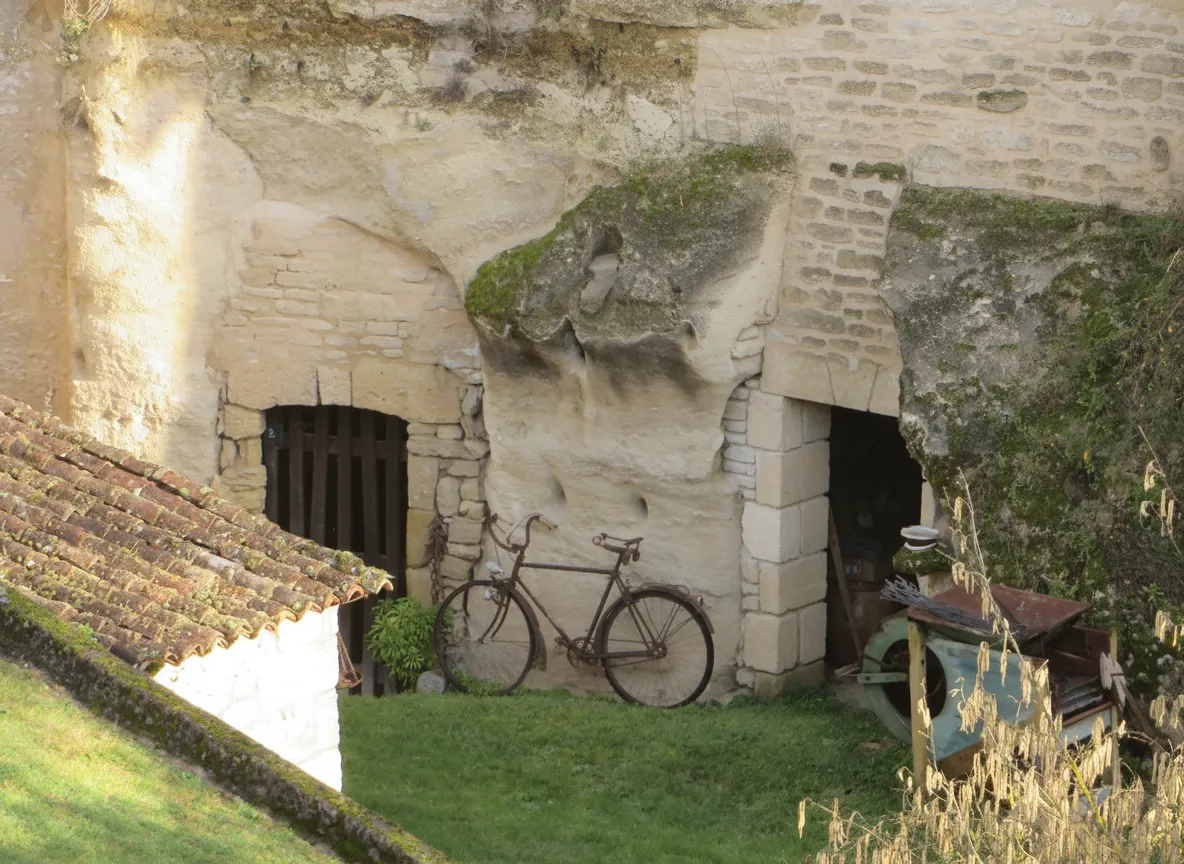
The story of Rochemenier is deeply intertwined with the geology of the Loire Valley. The region is rich in tufa (or tuffeau), a soft, porous limestone formed from ancient marine deposits. This easily workable rock was ideal for quarrying, primarily for building material used in the magnificent châteaux and cathedrals that dot the French landscape. As quarries were excavated, the resulting hollows became natural shelters. It’s believed that the earliest inhabitants of Rochemenier began settling in these natural or man-made caves as far back as the 4th century, seeking protection from invaders and the elements. By the 10th century, these simple shelters had evolved into organized communities.
Life in a troglodyte dwelling offered distinct advantages. The tufa rock provided natural insulation, keeping homes cool in summer and relatively warm in winter, a constant temperature that was also ideal for storing food and wine. Farmers found the subterranean spaces perfect for sheltering livestock and storing crops. Over the centuries, these dwellings grew more sophisticated, with multiple rooms, ventilation shafts, and even underground chapels for worship. Rochemenier wasn't just a village; it was a self-sufficient ecosystem carved from the earth itself. While many troglodyte sites in France have been abandoned or repurposed, Rochemenier stands out for its continuous habitation and its dedication to preserving this extraordinary heritage. It's a living museum that truly brings the past to life.
Exploring the Subterranean Village: What You'll Discover
Your visit to Rochemenier is an immersive journey into an underground world. The museum section offers a meticulously preserved glimpse into daily life, showcasing two ancient troglodyte farms and their numerous dependencies. As you wander through the labyrinthine passages, you'll encounter a fascinating array of spaces:
- The Homes: Step into various reconstructed living quarters, furnished with authentic period pieces. You'll see beds carved into the rock, rudimentary kitchens with hearths, and simple yet functional furniture, giving you a tangible sense of how families lived, slept, and ate within these stone walls.
- The Farm Buildings: Discover the ingenious ways farmers utilized the subterranean environment. You'll find stables for donkeys and other animals, cellars for storing wine and produce (remember, this is the Loire Valley!), and even a bread oven, all carved directly from the rock.
- The Chapels: A highlight is the underground chapel, a serene space for worship, demonstrating the spiritual life of the troglodyte community. The quiet reverence of this space is truly moving.
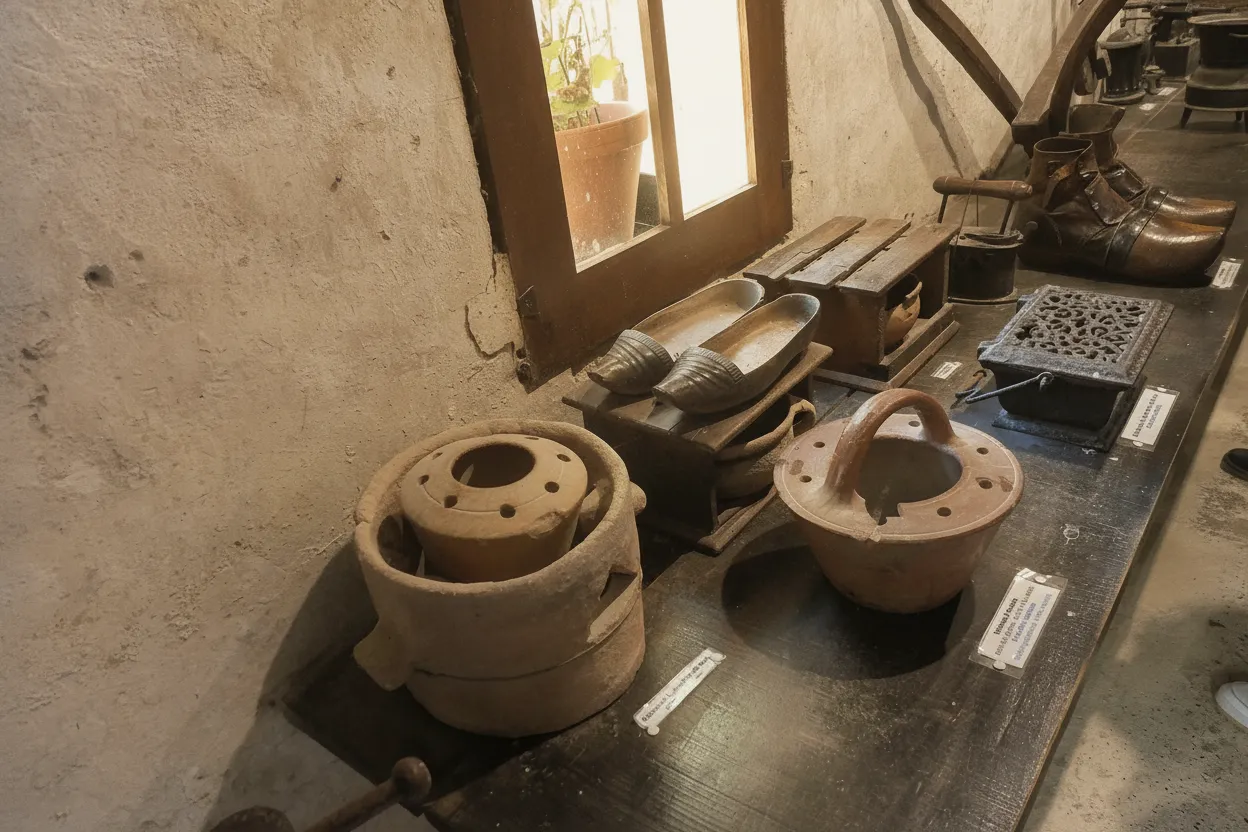
- Tools and Artifacts: Throughout the museum, displays of agricultural tools, household items, and traditional crafts further illustrate the resourcefulness and ingenuity of the troglodyte inhabitants. Each artifact tells a story of adaptation and resilience.
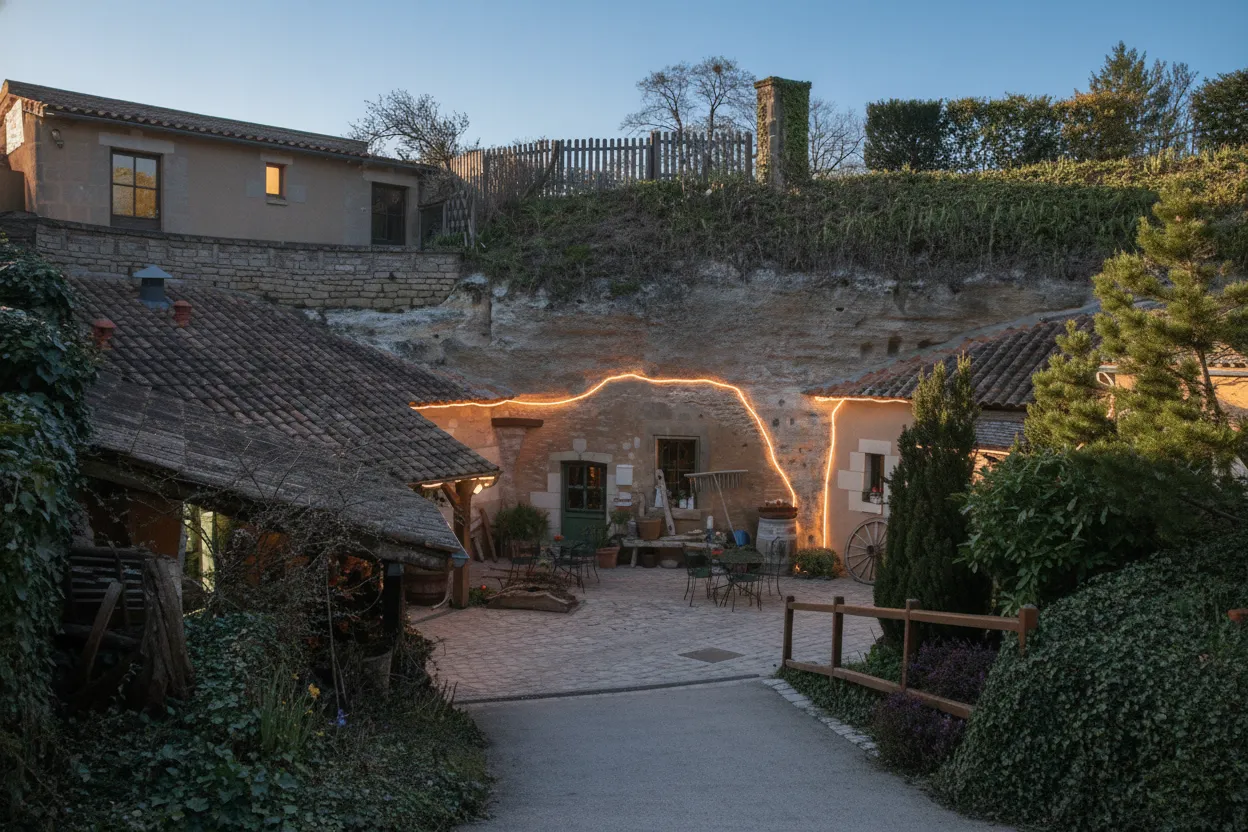
- The "Surface" Village: Don't forget to explore the surface elements too. While the main draw is underground, the visible parts of Rochemenier offer charming glimpses of the village's unique architecture, where chimneys emerge from the ground and gardens flourish above unseen homes.
The beauty of Rochemenier lies in its details – the subtle carvings, the wear on the stone from centuries of hands touching it, the ingenious solutions for ventilation and light. It’s a place that invites quiet contemplation and a deep appreciation for human history. You'll leave with a profound understanding of a unique way of life that thrived for centuries, hidden just beneath the surface.
Planning Your Visit: Practical Tips for Rochemenier
To make the most of your adventure to this incredible subterranean village, here are a few practical pointers:
Best Time to Visit
The Loire Valley is beautiful year-round, but for comfortable exploration of both the underground and surrounding areas, spring (April-June) and early autumn (September-October) are ideal. The weather is pleasant, and the crowds are generally smaller than in peak summer. The underground spaces maintain a constant cool temperature (around 12-14°C or 53-57°F), so a light jacket is advisable even on a warm day.
How to Get There
Rochemenier is located in the Pays de la Loire region, near the charming town of Saumur. A car is highly recommended as public transport options are limited for reaching such a unique, off-the-beaten-path destination. It's an easy drive from major Loire Valley cities like Angers (about 30-40 minutes) or Tours (about 1 hour). The nearest major airport is Nantes Atlantique (NTE).
What to Wear and Bring
Comfortable walking shoes are a must, as you'll be navigating uneven surfaces and steps. As mentioned, bring a light jacket or sweater for the cool underground temperatures. A camera is essential to capture the unique aesthetics of this hidden world, but be mindful of low light conditions.
Accessibility
Due to the historical nature of the site and its underground setting, some areas may have uneven floors, steps, and narrow passages, which could pose challenges for visitors with limited mobility or those using wheelchairs. It’s always a good idea to check their official website for the most up-to-date accessibility information.
Nearby Attractions
Rochemenier is perfectly situated for a day trip combined with other Loire Valley treasures. Explore the magnificent Château de Saumur, known for its cavalry school, or delve into the region's famous vineyards with a wine tasting tour. The Abbey of Fontevraud, a UNESCO World Heritage site and burial place of Eleanor of Aquitaine, is also just a short drive away. This makes Rochemenier an excellent addition to any Loire Valley itinerary.
The Village Troglodytique de Rochemenier offers more than just a historical tour; it provides a profound connection to a different way of living, a quieter, more integrated existence with the earth itself. It’s a testament to human ingenuity and a reminder that some of the greatest wonders are often found in the most unexpected, hidden places. So, if you're yearning for an authentic, awe-inspiring adventure that takes you literally beneath the surface of France, make a beeline for Rochemenier. You won't just visit a place; you'll experience a piece of history that continues to breathe, whispering stories from deep within the earth.
Essential Travel Information
- Location Village Troglodytique de Rochemenier, France
- Best Time Spring (April-June) and early Autumn (September-October) for pleasant weather and fewer crowds.
- Getting There Best reached by car. Approximately 30-40 minutes drive from Angers, 1 hour from Tours. Limited public transport.
- Airport Nantes Atlantique Airport (NTE)
- Budget Mid-range (expect €100-€180 per person per day, excluding major splurges, for accommodation, food, and activities in the region)
- Language French
Find Places to Stay Near Village Troglodytique de Rochemenier
Compare hotels, hostels, and unique stays in France.
Search AccommodationTours & Experiences Near Village Troglodytique de Rochemenier
Book guided tours, day trips, and unique experiences.
Browse Tours