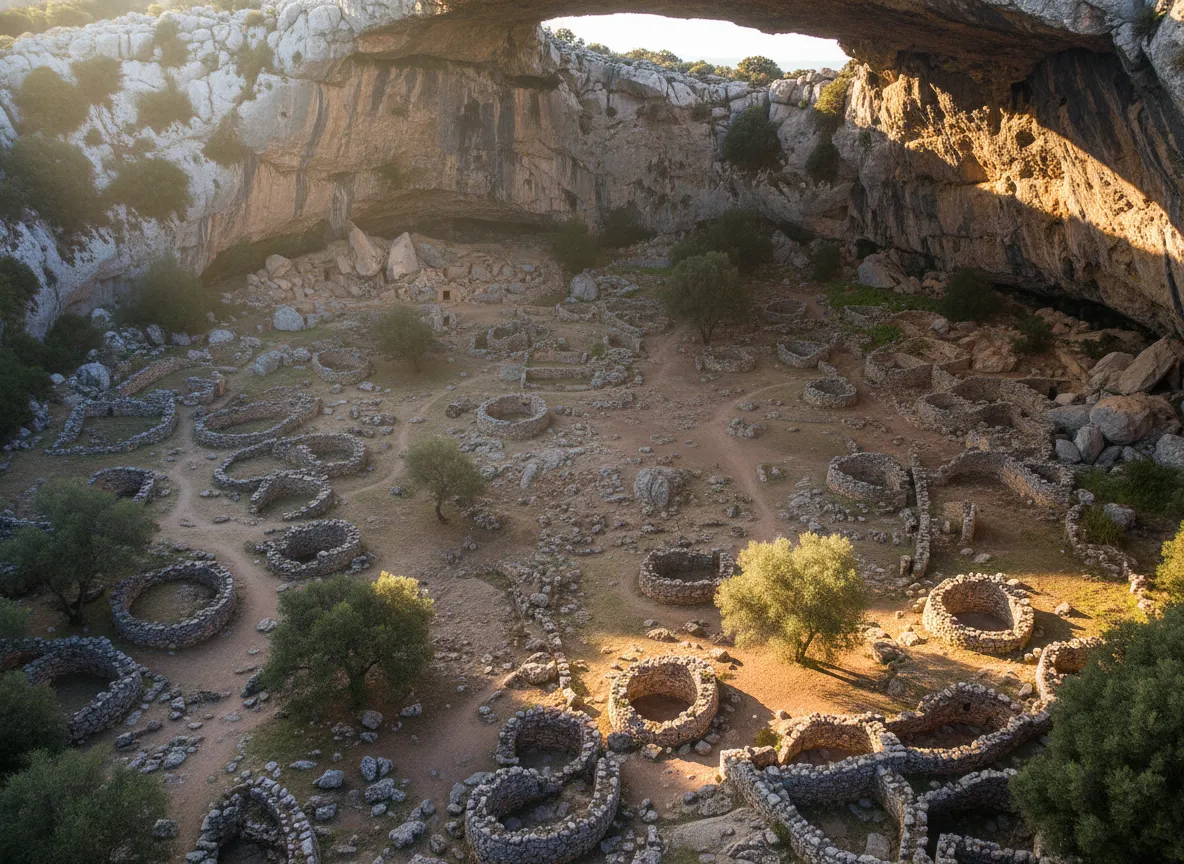
Imagine this: deep in the rugged, sun-baked mountains of Sardinia, a secret lies hidden. Not just any secret, but an entire Bronze Age village, meticulously constructed *inside* a massive collapsed cave. It's a place so incredibly well-camouflaged that you won't even know it exists until you've ventured directly into its gaping, secret crater. This isn't a scene from an Indiana Jones movie; this is the Villaggio Nuragico di Tiscali, an archaeological marvel that promises an adventure unlike any other, a true journey back in time to an ancient civilization that mastered the art of living in plain sight, yet completely out of view.
For those of us who yearn for genuine discovery, for the thrill of uncovering something truly extraordinary away from the well-trodden paths, Tiscali is a whisper on the wind, a legend that reveals itself only to the determined. It’s not just a ruin; it’s an experience, a pilgrimage into the heart of Sardinia’s wild Supramonte region, culminating in a jaw-dropping reveal that will leave you breathless and utterly spellbound.
The Unseen World: What Makes Tiscali So Special?
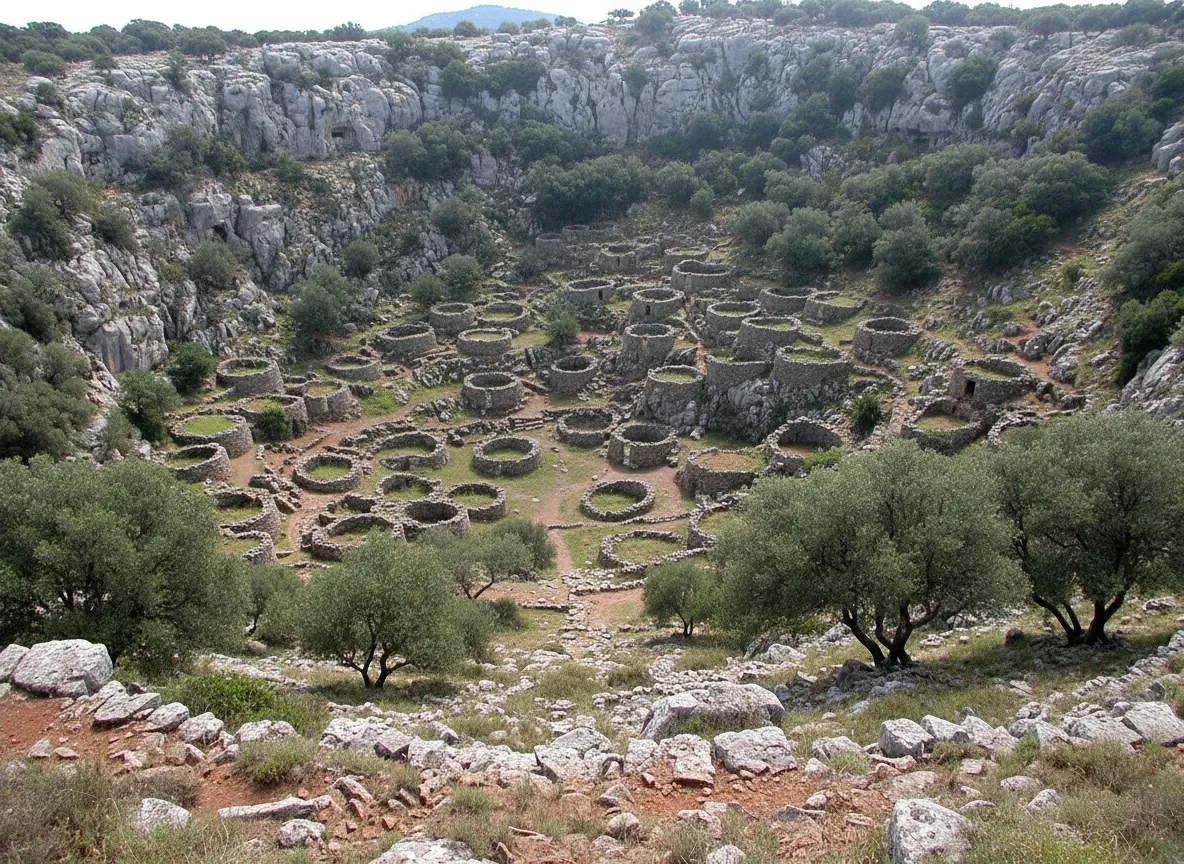
What sets Tiscali apart from any other ancient settlement you might have heard of? It's the sheer audacity of its location. Perched high on Monte Tiscali, this enigmatic Nuragic village isn't merely on a mountain; it's *within* a colossal karst doline. Picture a gigantic sinkhole, formed millennia ago when a massive cave ceiling collapsed. Now, imagine an entire community building their homes, their lives, their defenses within this natural amphitheater.
The genius of the Nuragic people who settled here is immediately apparent. The village's unique position provided unparalleled natural defense and camouflage. From the outside, Monte Tiscali appears as nothing more than a rugged, ordinary mountain peak. There's no hint of the ancient world thriving within its belly. The dwellings, clinging to the crater walls, were shielded from above by a natural roof of rock and dense vegetation, making them virtually invisible to any potential invaders or even casual passersby. This wasn't just a strategic choice; it was a profound act of symbiosis with the landscape, a testament to an ancient civilization's ingenuity and deep understanding of their environment.
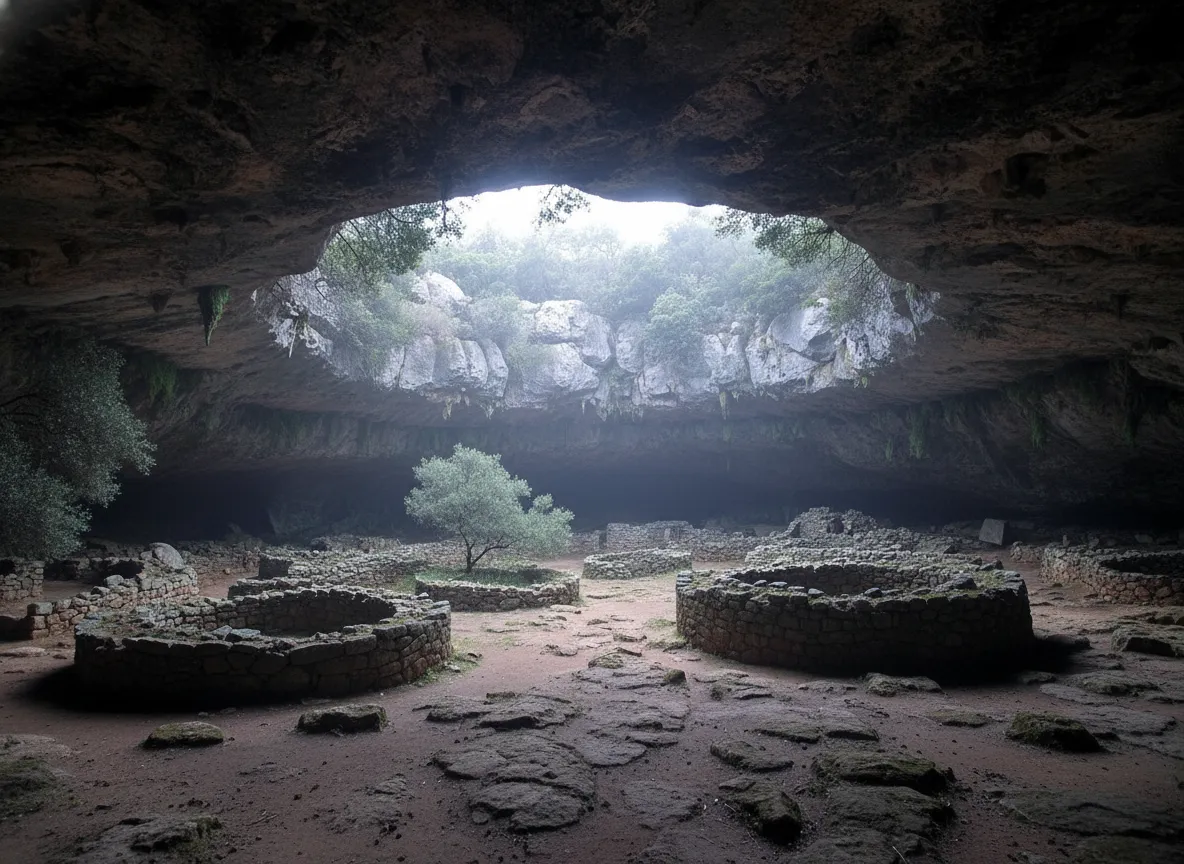
Walking through Tiscali feels like stepping into a forgotten world. The air is different here, cooler, imbued with a sense of ancient mystery. Sunlight filters down through the opening, dappling the ruins and the lush vegetation that has reclaimed parts of the doline. You're not just observing history; you're immersed in it, feeling the echoes of lives lived in this astonishingly unique haven.
Echoes of the Bronze Age: A Glimpse into Nuragic History
To truly appreciate Tiscali, one must first understand a little about the Nuragic civilization. Flourishing in Sardinia from roughly 1800 BCE to 250 CE, the Nuragic people were master builders, leaving behind thousands of distinctive stone towers known as 'nuraghi' that dot the Sardinian landscape. These conical, often elaborate structures served various purposes – defensive fortresses, residences, meeting places, and even astronomical observatories. But Tiscali represents a different, perhaps more specialized, facet of their architectural and adaptive genius.
The village at Tiscali dates primarily to the Late Bronze Age and Early Iron Age (around 1300-900 BCE), though evidence suggests earlier occupation. It’s believed to have been inhabited by a community seeking refuge and security in a time of potential unrest or tribal conflict. The impenetrable nature of the doline, accessible only via narrow, challenging paths, made it an ideal sanctuary. The settlement likely thrived on agriculture and pastoralism, with the fertile lands of the nearby Lanaitho Valley providing sustenance, while the village itself offered an unassailable stronghold.
Archaeological excavations have uncovered pottery, tools, and other artifacts that paint a picture of daily life within this hidden community. The layout of the village, with its various circular and sometimes rectangular huts, suggests a well-organized society. While the exact reasons for its eventual abandonment remain somewhat speculative, theories range from climate change impacting resources to shifts in political power or simply the community moving to more accessible areas as threats diminished. Whatever the cause, the village was left to the silent embrace of the mountain, preserving its secrets for millennia.
Journey to the Heart: What You'll See and Experience
The adventure to Tiscali begins long before you step foot in the doline. Getting there is an integral part of the experience, a journey that peels back layers of Sardinia’s rugged beauty. Most visits involve a guided hike, and for good reason – the trails can be challenging, and finding the entrance to the doline without local expertise is next to impossible. You'll typically embark from one of two main trailheads: the Valle di Lanaitho or S'Abba Arva. Both offer spectacular scenery, traversing ancient shepherds' paths, dense Mediterranean scrub, and dramatic limestone formations.
The hike itself is an immersion in the wild Supramonte. You’ll navigate rocky terrain, sometimes clambering over boulders, other times walking along ancient mule tracks. The air is fragrant with myrtle, juniper, and wild herbs. Your guide will share fascinating insights into the local flora, fauna, and the history of the region, bringing the landscape to life around you. The final approach to Tiscali is particularly thrilling, involving a narrow fissure in the rock face that serves as the "secret" entrance into the doline. It's a moment of true anticipation.
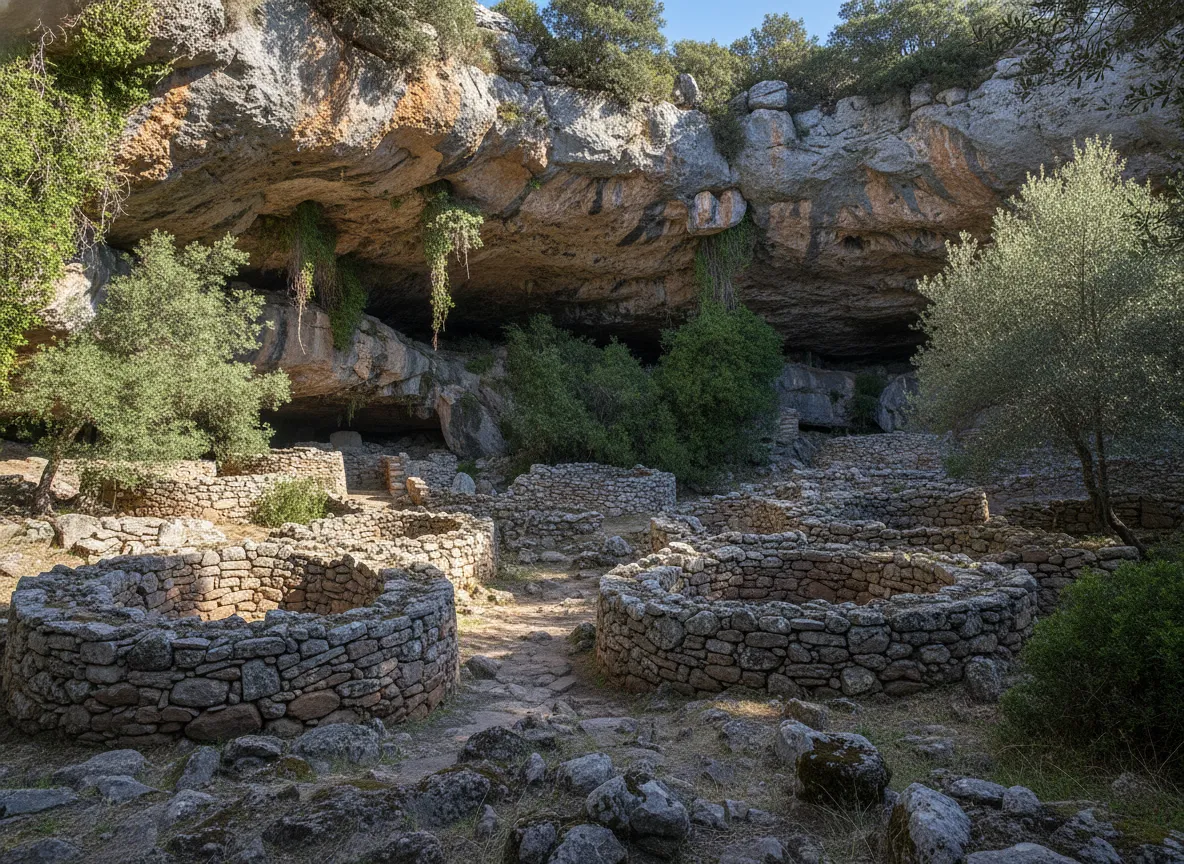
Once inside, the world shifts. The sheer scale of the doline is breathtaking. You'll find yourself in a vast, natural amphitheater, open to the sky yet enclosed by towering rock walls. The ruins of the Nuragic village are scattered across the floor and clinging to the sides of the doline. You'll walk among the foundations of circular and sometimes rectangular huts, some remarkably well-preserved, giving you a tangible sense of the community that once thrived here. Imagine families living in these stone dwellings, protected from the elements and unseen by the outside world.
Your guide will point out key features, explain the construction techniques, and recount stories of the people who called Tiscali home. You’ll see remnants of walls, doorways, and perhaps even traces of ancient pathways connecting the different sectors of the village. The natural vegetation within the doline adds to the ethereal atmosphere – ancient olive trees, mastic bushes, and wild fig trees grow amidst the ruins, their roots intertwining with history. It’s a place of quiet contemplation, where the whispers of the past feel incredibly close.
Practical Tips for Your Tiscali Adventure
Visiting Tiscali requires a bit of planning, but the rewards are immense. Here's what you need to know to make your adventure smooth and unforgettable:
Guided Tours are Essential
Seriously, do not attempt to find Tiscali on your own. The trails are unmarked in many places, and the entrance to the doline is virtually invisible. Local guides are not only crucial for navigation but also for enriching your experience with their deep knowledge of the history, geology, and ecology of the area. Several reputable tour operators in nearby towns like Dorgali, Cala Gonone, and Oliena offer guided excursions.
Gear Up Appropriately
- Footwear: Sturdy hiking boots with good ankle support are non-negotiable. The terrain is rocky, uneven, and can be slippery.
- Water: Bring plenty! Especially in warmer months. There's no water source along the trail or at the site.
- Snacks: Pack some energy bars or a light lunch.
- Sun Protection: Hat, sunglasses, and high-factor sunscreen are a must, as much of the trail is exposed.
- Backpack: A comfortable daypack to carry your essentials.
- Camera: You'll want to capture the incredible views and the unique atmosphere.
Best Time to Visit
Spring (April-May) and Autumn (September-October) are ideal. The temperatures are milder, making the hike much more enjoyable. Avoid the peak summer months (July-August) when the Sardinian heat can be intense and the trails gruelling.
Physical Fitness
The hike to Tiscali is moderately challenging. It involves ascents, descents, and navigating rough terrain. A reasonable level of fitness is required. If you're accustomed to hiking, you'll be fine, but it's not a casual stroll.
Respect the Site
Tiscali is a fragile archaeological site. Stick to marked paths, do not touch or remove any artifacts, and leave no trace. Your guide will provide specific instructions on how to behave responsibly within the doline.
Beyond Tiscali: Exploring the Supramonte
Your visit to Tiscali can easily be combined with other incredible experiences in the Supramonte region. Consider exploring the breathtaking Gola di Gorropu, one of Europe's deepest canyons, or visiting other Nuragic sites like Nuraghe Mannu. The nearby coastline, particularly around Cala Gonone, boasts stunning beaches and sea caves, offering a perfect contrast to the rugged interior. Sardinia is an island of endless wonders, and Tiscali is undoubtedly one of its crowning, most mysterious jewels.
So, if you're ready to trade the ordinary for the extraordinary, to embark on an adventure that connects you directly with the echoes of an ancient past, then Tiscali awaits. It’s more than just a destination; it’s a journey into the heart of Sardinia’s untamed spirit, a testament to human ingenuity, and a reminder that the greatest treasures are often found where you least expect them, hidden deep within the earth itself.
Essential Travel Information
- Location Villaggio Nuragico di Tiscali, Italy
- Best Time Spring (April-May) and Autumn (September-October) for mild hiking weather.
- Getting There Access requires a guided hike from trailheads like Valle di Lanaitho or S'Abba Arva. Guides are essential for navigation and safety.
- Airport Olbia Costa Smeralda Airport (OLB)
- Budget Mid-range. Expect to pay around €100-€150 per day, including guided tour fees, local transport, and accommodation in nearby towns.
- Language Italian, Sardinian
Find Places to Stay Near Villaggio Nuragico di Tiscali
Compare hotels, hostels, and unique stays in Italy.
Search AccommodationTours & Experiences Near Villaggio Nuragico di Tiscali
Book guided tours, day trips, and unique experiences.
Browse Tours