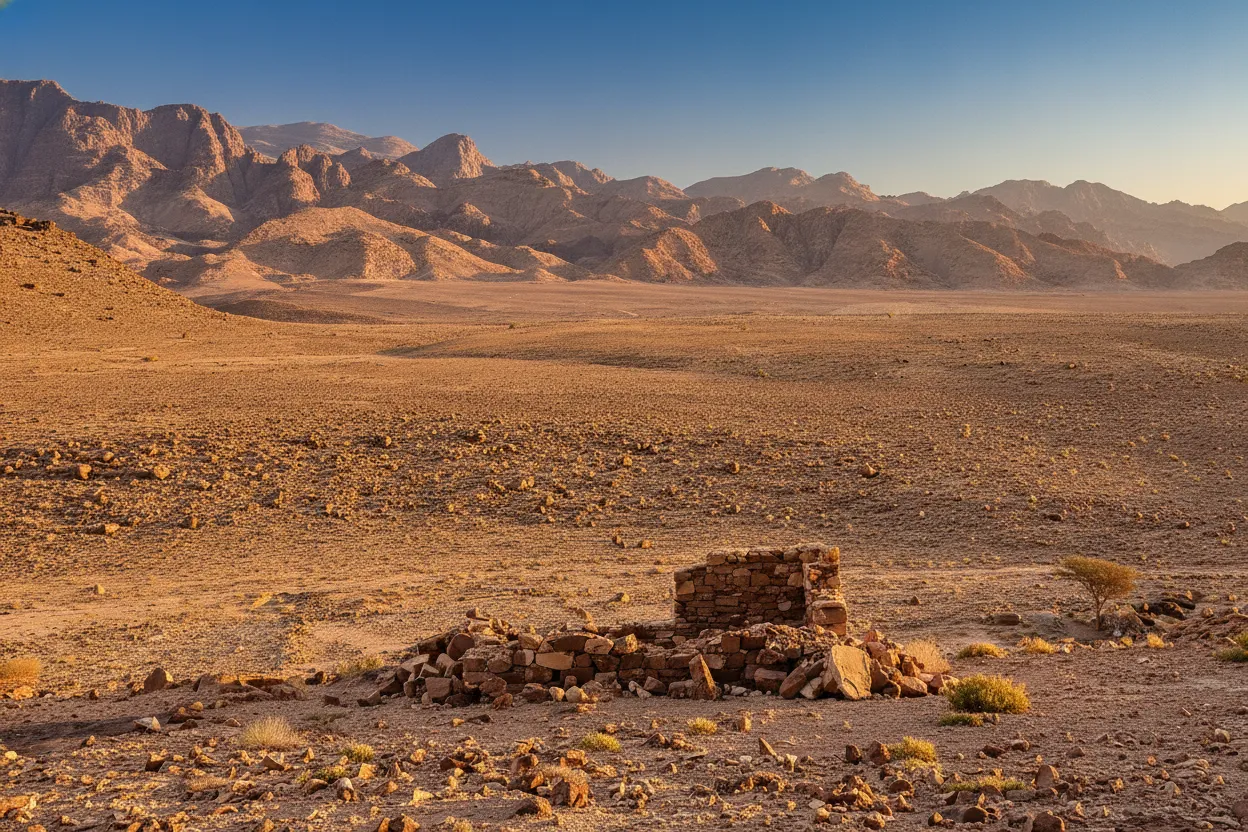
Wadi Faynan: Where Civilization Forged its Future
What makes Wadi Faynan so utterly compelling isn't just its age, but its pivotal role in humanity's development. For millennia, this seemingly desolate corner of the world was a sprawling hub of early human civilization, the Silicon Valley of its day, but for copper. It was a crucial center for copper production that quite literally fueled empires, from the nascent city-states of the Bronze Age through the mighty Roman Empire. This wasn't just a small mining operation; it was an industrial powerhouse, a place where people learned to extract, smelt, and fashion metal on an enormous scale, long before the pyramids were even a twinkle in a pharaoh's eye. The sheer scale of ancient human endeavor here is mind-boggling, offering a unique window into the birth of metallurgy and the complex societies it enabled. Unlike the bustling markets of Petra or the Roman grandeur of Jerash, Faynan offers a raw, untouched encounter with history, where the desert has preserved its secrets with remarkable integrity, waiting for the curious traveler to uncover them.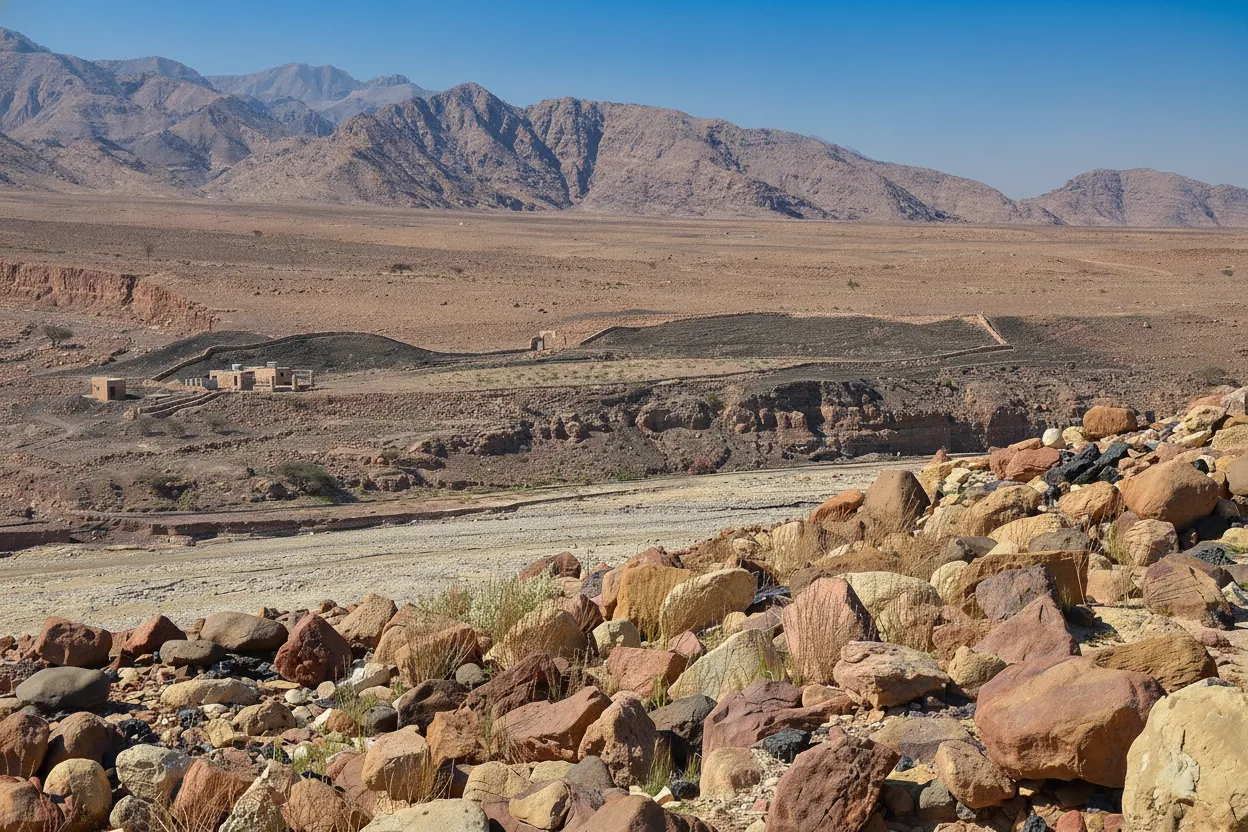
A Journey Through Millennia: The History of Faynan
The story of Wadi Faynan is a saga of relentless human activity spanning over 10,000 years. It begins in the Neolithic period, with evidence of early agricultural communities making their home in these canyons. But it was the discovery of copper that truly transformed Faynan. By the Chalcolithic period (around 4500-3300 BCE), Faynan was already a significant copper producer, pioneering techniques that would spread across the ancient Near East. Fast forward to the Bronze Age, and its copper was essential for tools, weapons, and ornaments, traded far and wide, connecting this remote valley to the burgeoning civilizations of Egypt, Mesopotamia, and the Levant. The wealth generated from Faynan's copper mines likely played a significant role in the rise and fall of regional powers, a silent force shaping the geopolitical landscape of the ancient world. The Iron Age saw a resurgence of mining, possibly linked to the Edomites, a kingdom mentioned in biblical texts. Later, under Roman rule, Faynan became an even larger industrial complex, with vast smelting sites and associated settlements. The Romans, ever practical, recognized the strategic importance of this resource, using Faynan's copper for coinage, infrastructure, and military supplies. They even established a sophisticated network of roads and water management systems to support the massive operations. What's truly remarkable is how a place so seemingly inhospitable could sustain such continuous, large-scale industrial activity for so long. It speaks volumes about human adaptability, resilience, and the enduring quest for resources. The desert here isn't just sand and rock; it's a living archive of human innovation, a testament to a forgotten legacy of industry and ingenuity.Stepping Back in Time: What Awaits You in Wadi Faynan
Visiting Wadi Faynan is less like a tour and more like an expedition into the past. As you traverse its desolate canyons, you'll encounter a breathtaking array of archaeological sites that paint a vivid picture of its ancient life. One of the most striking features is the sheer number of **vast smelting sites**, characterized by enormous mounds of black slag – the waste product of copper smelting – that litter the landscape. Some of these slag heaps are so massive they resemble small hills, a stark reminder of the immense scale of ancient industrial production. You can almost hear the clang of hammers and the roar of furnaces echoing through the ages. Beyond the industrial heartland, you'll discover the remnants of **Neolithic villages**, their stone foundations hinting at communities that predated the age of metal. Imagine people living here, cultivating crops, and beginning the long journey towards complex societies. Further afield, you'll find **ancient mineshafts**, some still visible, burrowing into the mountainsides like secret tunnels. Exploring these areas with a knowledgeable guide truly brings the arduous work of ancient miners to life.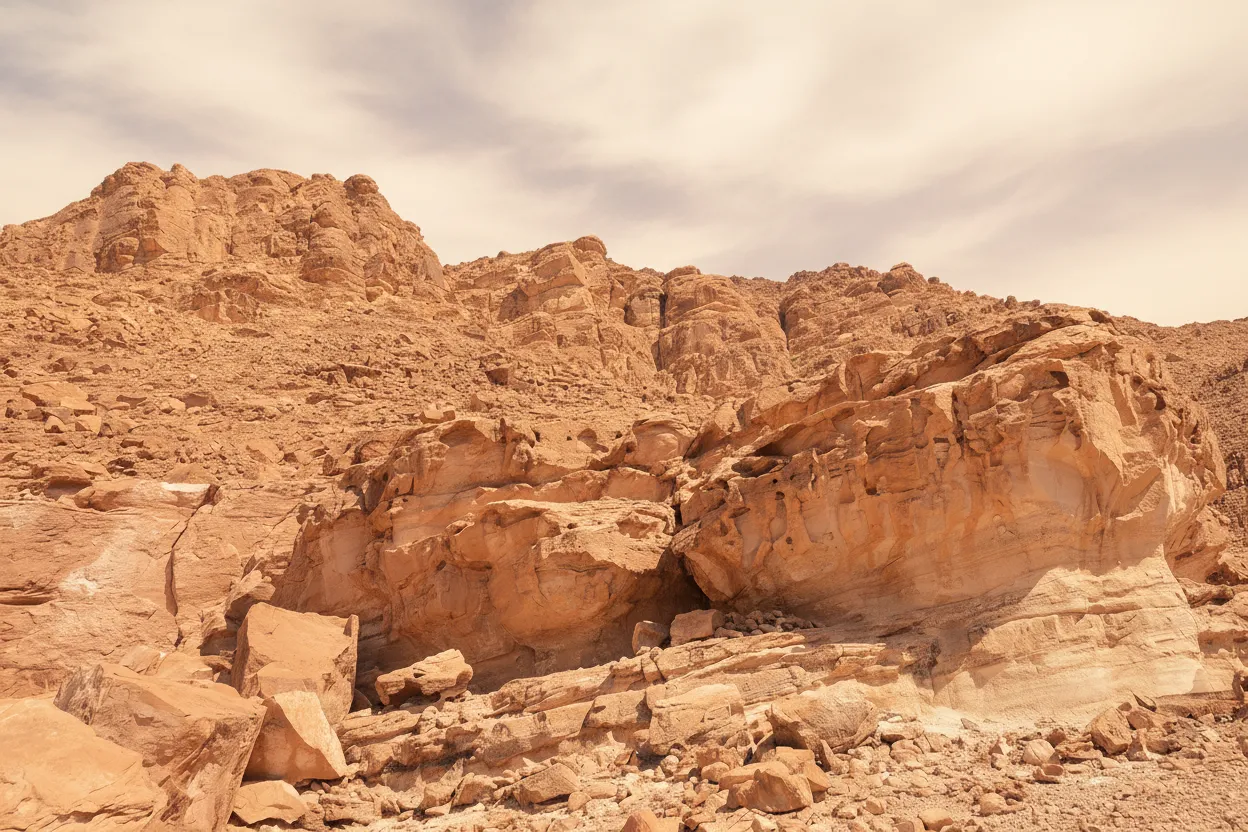 Perhaps most enigmatic are the **rock art sites**, etched into the canyon walls. These petroglyphs, depicting human figures, animals, and abstract symbols, are a fascinating glimpse into the spiritual and daily lives of Faynan's ancient inhabitants. They offer a connection to the artistic expressions and belief systems of people who lived thousands of years ago, a universal language transcending time. The sheer expanse of the archaeological landscape means you'll spend your days exploring various sites, from Roman bathhouses to Byzantine churches, all scattered across a dramatic, awe-inspiring desert backdrop. It’s an immersive experience where the line between past and present blurs, and every turn reveals another layer of history.
Planning Your Expedition to Wadi Faynan
Embarking on a journey to Wadi Faynan is an adventure, and it requires some thoughtful planning to ensure a safe and enriching experience. Trust me, it’s worth every bit of effort! **Best Time to Visit:** Due to the searing desert heat, the ideal time to visit is during the cooler months, from **October to April**. Spring (March-April) offers pleasant temperatures and a chance to see some desert flora, while autumn (October-November) is equally comfortable. Avoid the intense summer heat from May to September. **How to Get There:** Wadi Faynan is remote and requires a 4x4 vehicle. It's typically accessed from the main Desert Highway (Route 15) or from the Dead Sea region. The best way to visit is by arranging transport and a guide through a reputable tour operator in Amman or Petra. Independent travel is strongly discouraged due to the challenging terrain and lack of infrastructure. Many visitors combine Faynan with a trip to Petra or the Dana Biosphere Reserve, which is nearby. **Accommodation:** There are no luxury hotels within Wadi Faynan itself. The most authentic and recommended experience is to stay at the **Feynan Ecolodge**, an award-winning, solar-powered lodge nestled in the heart of the reserve. It offers a unique opportunity to connect with nature, enjoy delicious local food, and experience traditional Bedouin hospitality under a sky bursting with stars. Booking well in advance is essential. **What to Bring:** * **Sturdy hiking boots:** Essential for navigating rocky terrain. * **Sun protection:** Wide-brimmed hat, sunglasses, and high SPF sunscreen are non-negotiable. * **Plenty of water:** Hydration is key in the desert. * **Lightweight, breathable clothing:** Long sleeves and trousers are recommended for sun protection. * **Camera:** You'll want to capture the incredible landscapes and historical sites. * **Binoculars:** Great for spotting wildlife or distant ruins. * **A sense of adventure:** This is not a passive tourist destination!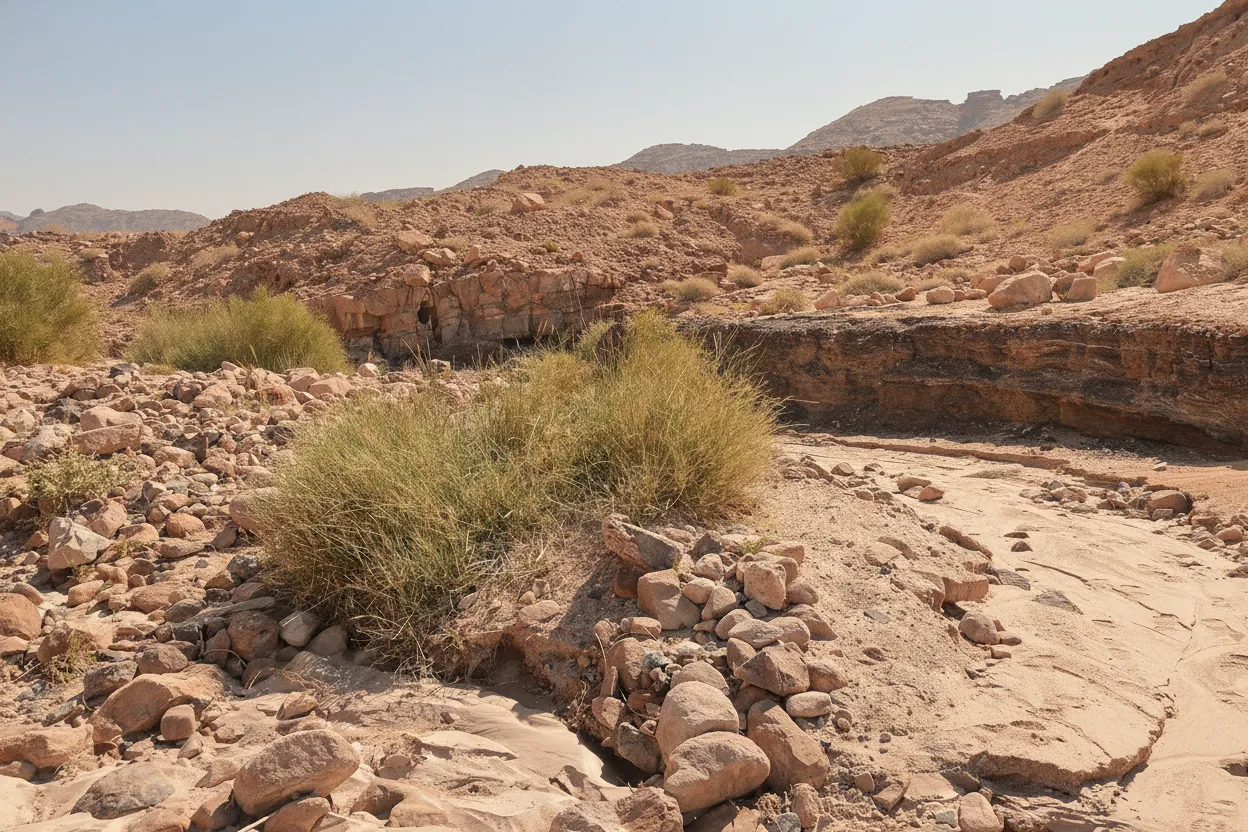 **Guides and Local Community:** Engaging a local Bedouin guide is not just recommended, it's essential. They possess invaluable knowledge of the landscape, history, and culture, and their insights will immeasurably enhance your visit. Moreover, your support directly benefits the local communities who are the custodians of this incredible heritage. Be respectful of local customs and traditions.
Wadi Faynan is more than just an archaeological site; it's a profound journey into the origins of human civilization, a testament to our enduring spirit of innovation, and a powerful reminder of the hidden wonders that still exist in our world. It’s a place that will challenge your perceptions, ignite your imagination, and leave an indelible mark on your soul. If you're ready to step off the map and into a story thousands of years in the making, Wadi Faynan awaits.
**Guides and Local Community:** Engaging a local Bedouin guide is not just recommended, it's essential. They possess invaluable knowledge of the landscape, history, and culture, and their insights will immeasurably enhance your visit. Moreover, your support directly benefits the local communities who are the custodians of this incredible heritage. Be respectful of local customs and traditions.
Wadi Faynan is more than just an archaeological site; it's a profound journey into the origins of human civilization, a testament to our enduring spirit of innovation, and a powerful reminder of the hidden wonders that still exist in our world. It’s a place that will challenge your perceptions, ignite your imagination, and leave an indelible mark on your soul. If you're ready to step off the map and into a story thousands of years in the making, Wadi Faynan awaits.
Essential Travel Information
- Location Wadi Faynan Archaeological Landscape, Jordan
- Best Time October to April
- Getting There Requires 4x4 vehicle and local guide. Best arranged through tour operators from Amman or Petra.
- Airport Queen Alia International Airport (AMM)
- Budget Mid-range (approx. $150-250 USD per person per day, including guide, transport, and accommodation at Feynan Ecolodge)
- Language Arabic (English widely spoken by guides)
Find Places to Stay Near Wadi Faynan Archaeological Landscape
Compare hotels, hostels, and unique stays in Jordan.
Search AccommodationTours & Experiences Near Wadi Faynan Archaeological Landscape
Book guided tours, day trips, and unique experiences.
Browse Tours