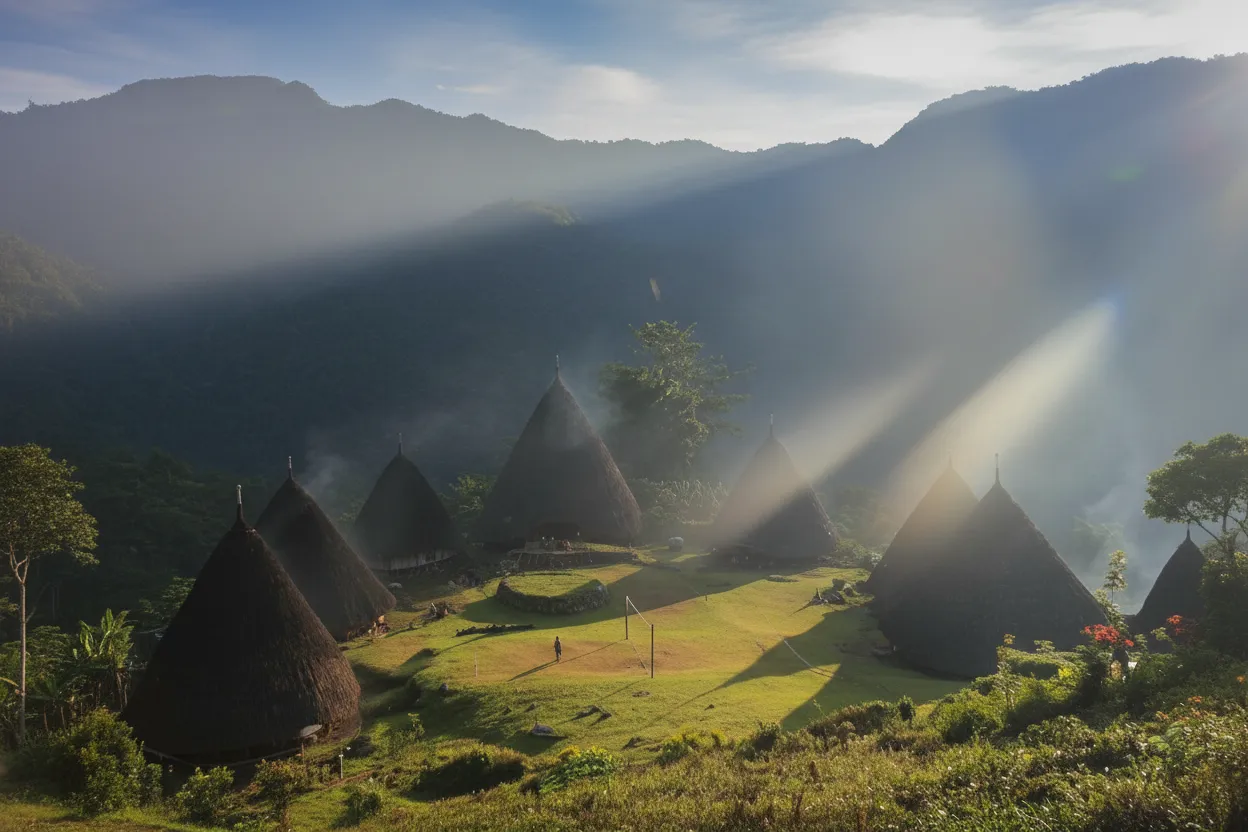
Tucked away in the cloud-kissed mountains of Flores, a village of magnificent, conical-roofed houses stands as if plucked from another time. Imagine a place where the air is crisp with the scent of rainforest, where mist often shrouds towering peaks, and where ancient traditions are not just preserved, but vibrantly lived. This isn't a fantasy; it's Wae Rebo, a hidden gem in East Nusa Tenggara, Indonesia, that promises an unforgettable journey not just through breathtaking landscapes, but into the very soul of Manggaraian culture. If you've ever dreamt of escaping the modern world and discovering a place where time slows down, allowing for genuine connection and profound wonder, then pack your trekking boots. Wae Rebo is calling.
Reaching Wae Rebo is an adventure in itself, a pilgrimage that demands effort but rewards with unparalleled beauty and a sense of profound privilege. This remote village, nestled high above the ordinary, is a testament to resilience, community, and an architectural ingenuity that defies belief. It's a place where the stories of ancestors whisper on the wind, and where every visitor is welcomed not just as a tourist, but as a temporary member of a truly special community. Trust me, the journey to Wae Rebo is more than just a trip; it's an experience that will etch itself into your memory forever.
Wae Rebo: A Glimpse into the Soul of Flores
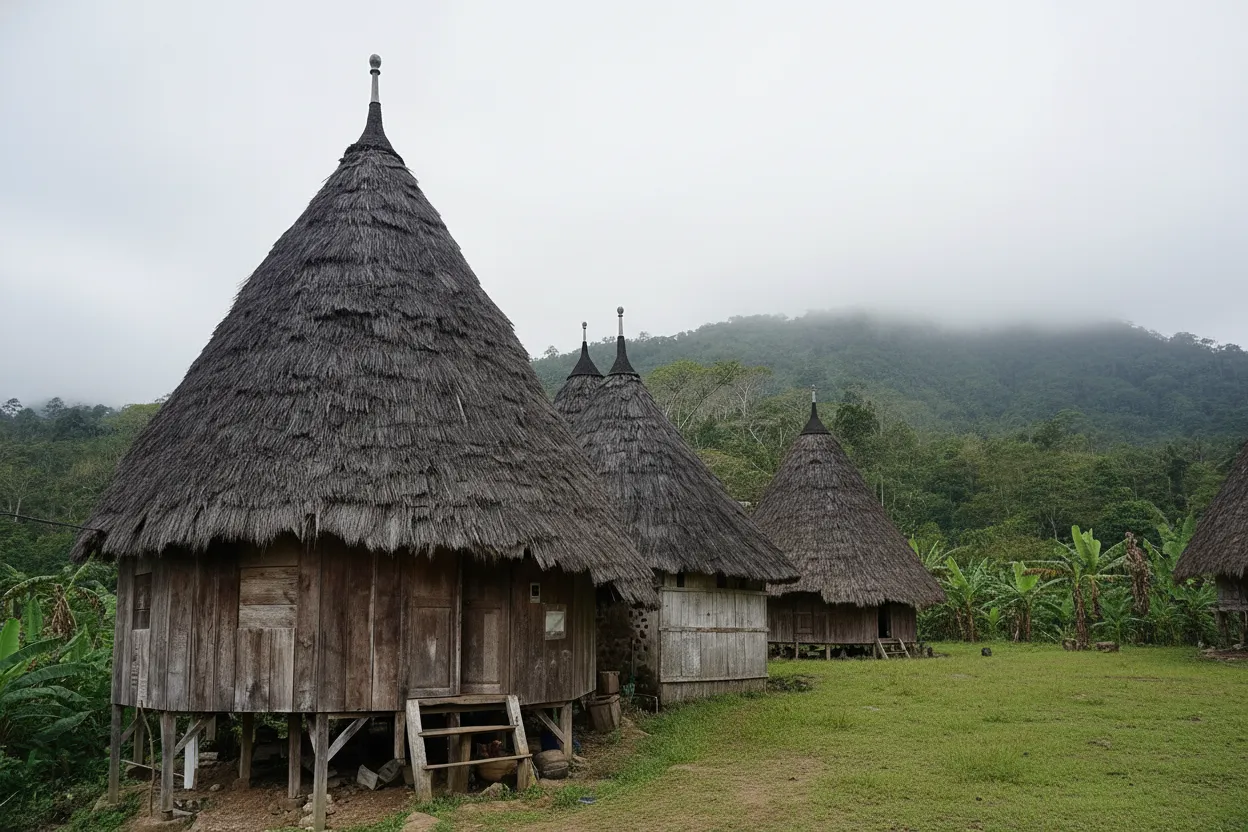
What makes Wae Rebo so utterly captivating? It begins with its iconic architecture: the *mbaru niang*. These aren't just houses; they are magnificent, drum-shaped, multi-story structures, seven in total, each crowned with an enormous, dramatically sweeping straw-thatched roof that almost seems to touch the clouds. Picture them clustered together, a harmonious circle against a backdrop of emerald mountains, often wreathed in mystical fog. Each *mbaru niang* is a universe in itself, serving as a communal dwelling where several families live together, sharing space, meals, and the rhythm of daily life.
The design of the *mbaru niang* is deeply symbolic. With five levels, each floor serves a specific purpose, from the ground floor (Lutur), where communal activities and gatherings take place, to the uppermost level (Hekang Kode), reserved for offerings to the ancestors and storing precious seeds for future harvests. This ingenious design speaks volumes about the Manggaraian people's connection to their land, their community, and their spiritual heritage. It’s a living museum, where the very fabric of the buildings tells a story of generations.
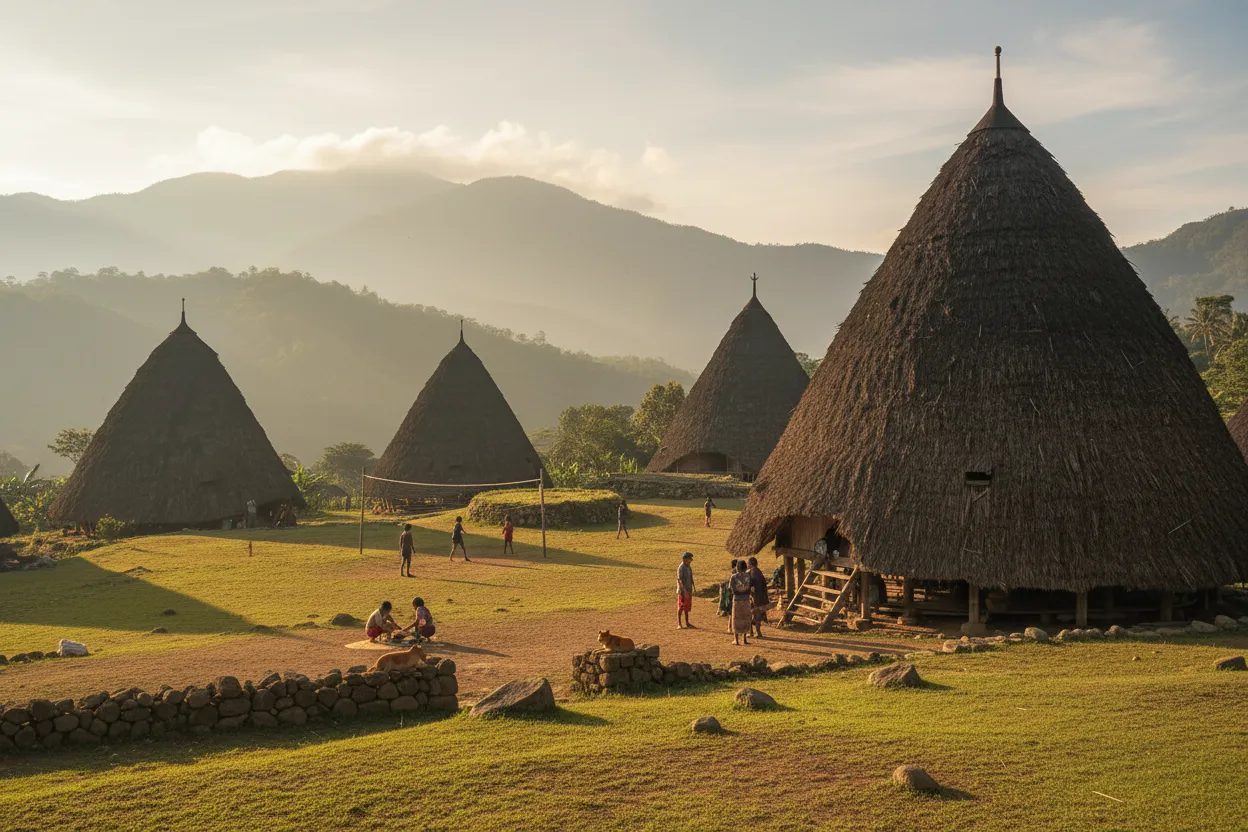
Beyond the architectural marvels, Wae Rebo's magic lies in its vibrant, living culture. This isn't a staged performance for tourists; it's authentic, everyday life unfolding before your eyes. You'll witness villagers going about their routines – preparing coffee, weaving traditional ikat fabrics, tending to their gardens. The air is often filled with the gentle hum of activity, punctuated by the sounds of nature. It’s a profound contrast to the hustle and bustle of modern life, offering a rare opportunity to disconnect and reconnect with something truly primal and beautiful.
Echoes of Ancestors: The History and Culture of Wae Rebo
The story of Wae Rebo is one of deep roots and inspiring revival. The Manggaraian people have inhabited this region for centuries, with their traditions passed down through countless generations. The *mbaru niang* themselves are not merely old buildings; they are direct links to their ancestral past, built using techniques and knowledge that have been perfected over hundreds of years. The village's isolation has played a crucial role in preserving this unique cultural heritage, shielding it from many external influences that have transformed other parts of Indonesia.
However, like many remote traditional villages, Wae Rebo faced challenges. In the late 20th and early 21st centuries, many young people began to leave the village in search of better opportunities elsewhere, leading to a decline in population and the gradual deterioration of some of the *mbaru niang*. It was through the dedicated efforts of local communities, supported by Indonesian architects and cultural preservationists, that Wae Rebo experienced a remarkable renaissance. One notable figure, Yori Antar, an Indonesian architect, played a significant role in helping to revitalize the village and restore its traditional houses, ensuring that the unique architectural legacy and cultural practices would endure.
Today, Wae Rebo stands as a beacon of cultural preservation. The villagers adhere to ancient customs, including the *Waelu* ceremony, a formal welcome ritual performed for visitors upon arrival. This ceremony is not just a formality; it's a heartfelt blessing and an acknowledgment of your presence in their sacred space. Participating in it is a powerful way to show respect and begin your immersion into their world. The Manggaraian people's deep respect for their ancestors, their land, and their communal way of life is palpable in every interaction, making your visit not just sightseeing, but a truly meaningful cultural exchange.
Your Journey to the Clouds: What to Expect in Wae Rebo
Your adventure to Wae Rebo typically begins in Labuan Bajo, the gateway to Flores and Komodo National Park. From there, you'll embark on a scenic, often winding drive to the village of Denge, the last point accessible by vehicle. This drive alone is a feast for the eyes, offering glimpses of terraced rice fields, rolling hills, and the vast expanse of the Flores Sea. From Denge, or sometimes a bit further up a rough road, the real trekking begins.
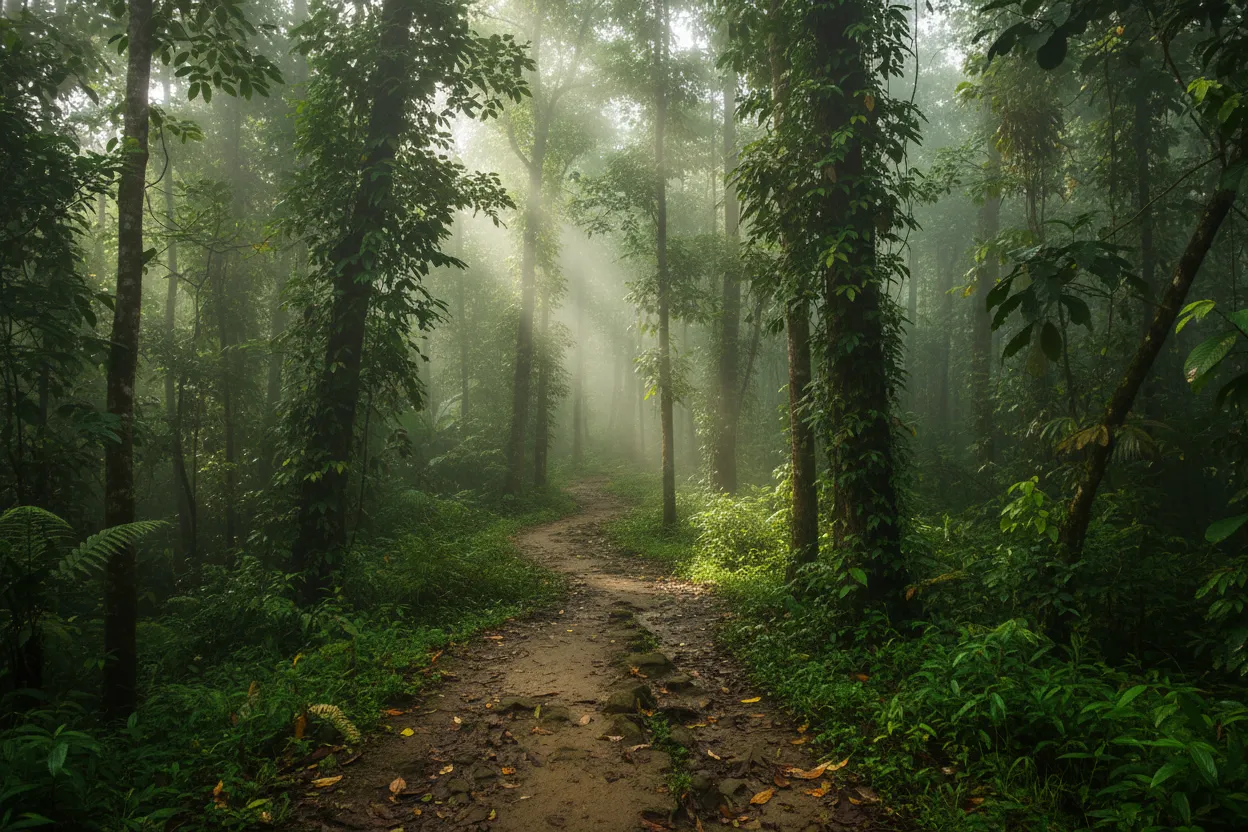
The trek to Wae Rebo is challenging but incredibly rewarding. It's a 3-4 hour hike through dense tropical rainforest, often steep and muddy, especially during the rainy season. You'll navigate narrow paths, cross streams, and climb through lush vegetation, listening to the symphony of the jungle around you. The air grows cooler and fresher as you ascend, and the anticipation builds with every step. Just when you think your legs can't take much more, you'll emerge from the forest, and there it is: Wae Rebo, nestled in a pristine valley, its magnificent *mbaru niang* rising majestically against the mountain backdrop. It’s a moment of pure awe, a vision that feels almost surreal after the arduous journey.
Upon arrival, after the *Waelu* ceremony, you'll be invited into one of the *mbaru niang* for communal sleeping. This is an integral part of the Wae Rebo experience. You'll sleep on mats on the shared floor, alongside other visitors and perhaps some villagers, enveloped in the unique atmosphere of these ancient homes. Don't expect luxury; expect authenticity. The facilities are basic, but the warmth of the hospitality is unparalleled. Meals are typically shared, simple but delicious, often featuring local ingredients. You'll find yourself sitting around a central fire, sharing stories, and perhaps even learning a few words of the local language.
During your stay, take time to simply observe. Watch the villagers going about their day, see children playing, and feel the rhythm of life in this timeless place. The mornings often bring misty veils that drift through the valley, creating an ethereal, dreamlike atmosphere. At night, with minimal light pollution, the sky explodes with stars, offering a celestial spectacle rarely seen elsewhere. You can explore the village, visit the small community market, or simply sit and soak in the tranquility. It’s an opportunity for introspection, a chance to truly disconnect from the digital world and reconnect with nature and humanity.
Planning Your Expedition: Practical Tips for Visiting Wae Rebo
Visiting Wae Rebo requires preparation and a spirit of adventure. Here's what you need to know to make your trip smooth and respectful:
Getting There: Your journey will likely start from Labuan Bajo. You can hire a private car or join a shared tour/shuttle to Denge. From Denge, the trek begins. It's highly recommended to arrange transport in advance, especially if you're on a tight schedule. Some guesthouses in Denge offer basic accommodation if you wish to break up the journey.
Guides: While not strictly mandatory for the trek itself, hiring a local guide from Denge or through your accommodation in Labuan Bajo is strongly recommended. They can navigate the trail, assist with translation during the *Waelu* ceremony, and provide invaluable insights into the Manggaraian culture and the village's history. This also directly supports the local community.
Accommodation: In Wae Rebo, accommodation is communal within one of the *mbaru niang*. You'll sleep on mats with blankets provided. There are basic shared squat toilets and cold water for bathing. Embrace the simplicity; it's part of the experience. Meals are included in the stay and are served communally.
What to Bring:
- Trekking Gear: Sturdy hiking shoes, comfortable clothes, a small backpack.
- Rain Gear: A waterproof jacket and bag cover, as rain can occur unexpectedly.
- Warm Layers: It gets surprisingly cold at night due to the altitude.
- Water & Snacks: Bring plenty of water for the trek.
- Basic Toiletries: Toothbrush, small towel.
- Power Bank: Limited electricity, so charge your devices beforehand.
- Headlamp/Flashlight: Essential for navigating at night.
- Small Gifts: While not expected, small, useful gifts for the children (e.g., pens, notebooks) or donations to the village are always appreciated.
Respectful Travel: This is paramount.
- Dress Modestly: Especially during the *Waelu* ceremony.
- Ask Permission: Always ask before taking photos of individuals, especially children.
- Be Quiet & Observant: Respect the tranquility of the village, especially at night.
- Participate Respectfully: Engage in the *Waelu* ceremony with an open mind and heart.
Best Time to Visit: The dry season (April to October) is generally preferred for trekking, as trails are less muddy. However, the misty atmosphere during the shoulder seasons or even a light drizzle can add to the village's mystical charm.
Wae Rebo is more than just a destination; it's a journey into the heart of Indonesia's cultural richness and natural beauty. It’s a place that challenges your comfort zone, broadens your perspective, and leaves an indelible mark on your soul. If you're ready for an adventure that transcends typical tourism and offers a profound connection to an ancient way of life, then Wae Rebo awaits your discovery. Go, and let the magic of the clouds and the kindness of the Manggaraian people transform you.
Essential Travel Information
- Location Wae Rebo Village, Indonesia
- Best Time April to October (Dry Season)
- Getting There Fly to Labuan Bajo (LBJ), then drive 3-4 hours to Denge, followed by a 3-4 hour hike to Wae Rebo.
- Airport Komodo Airport (LBJ)
- Budget Mid-range (approx. $50-100 USD daily, including transport to Denge, guide, and Wae Rebo stay/food)
- Language Indonesian, Manggarai
Find Places to Stay Near Wae Rebo Village
Compare hotels, hostels, and unique stays in Indonesia.
Search AccommodationTours & Experiences Near Wae Rebo Village
Book guided tours, day trips, and unique experiences.
Browse Tours