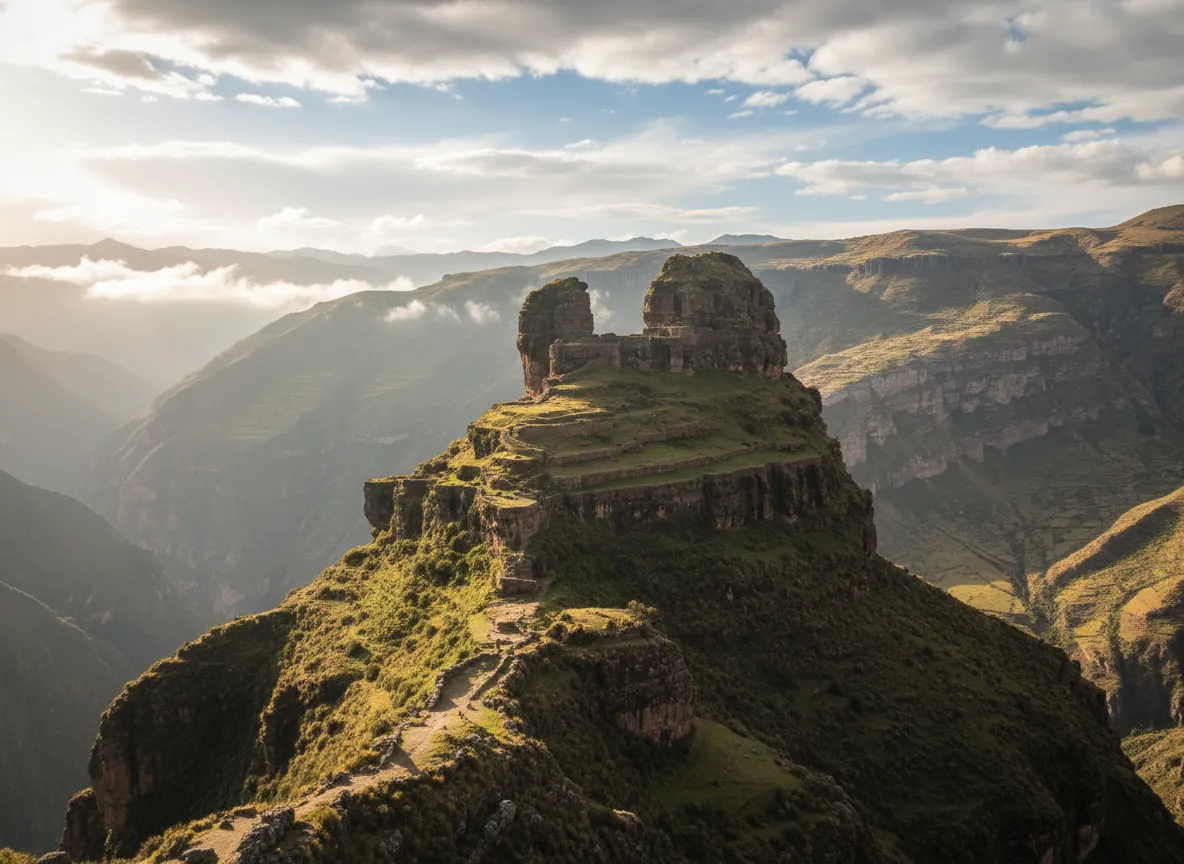
Deep within the Peruvian Andes, where emerald peaks claw at an azure sky and ancient whispers echo through rugged canyons, lies a marvel so profound it seems to defy the very laws of nature. Imagine a colossal fortress, not merely built upon a cliff, but seemingly *grown* from its very fabric, its twin "horns" jutting out impossibly into the void. This isn't a forgotten legend, but the breathtaking reality of Waqrapukara, Peru's most spectacular and least-visited archaeological treasure. If you thought you knew the wonders of the Andes, prepare to have your mind utterly blown by this pre-Inca masterpiece, a testament to forgotten ingenuity perched at an astounding 13,500 feet, waiting patiently for intrepid souls to discover its secrets.
Waqrapukara: A Horned Wonder Defying Time and Gravity
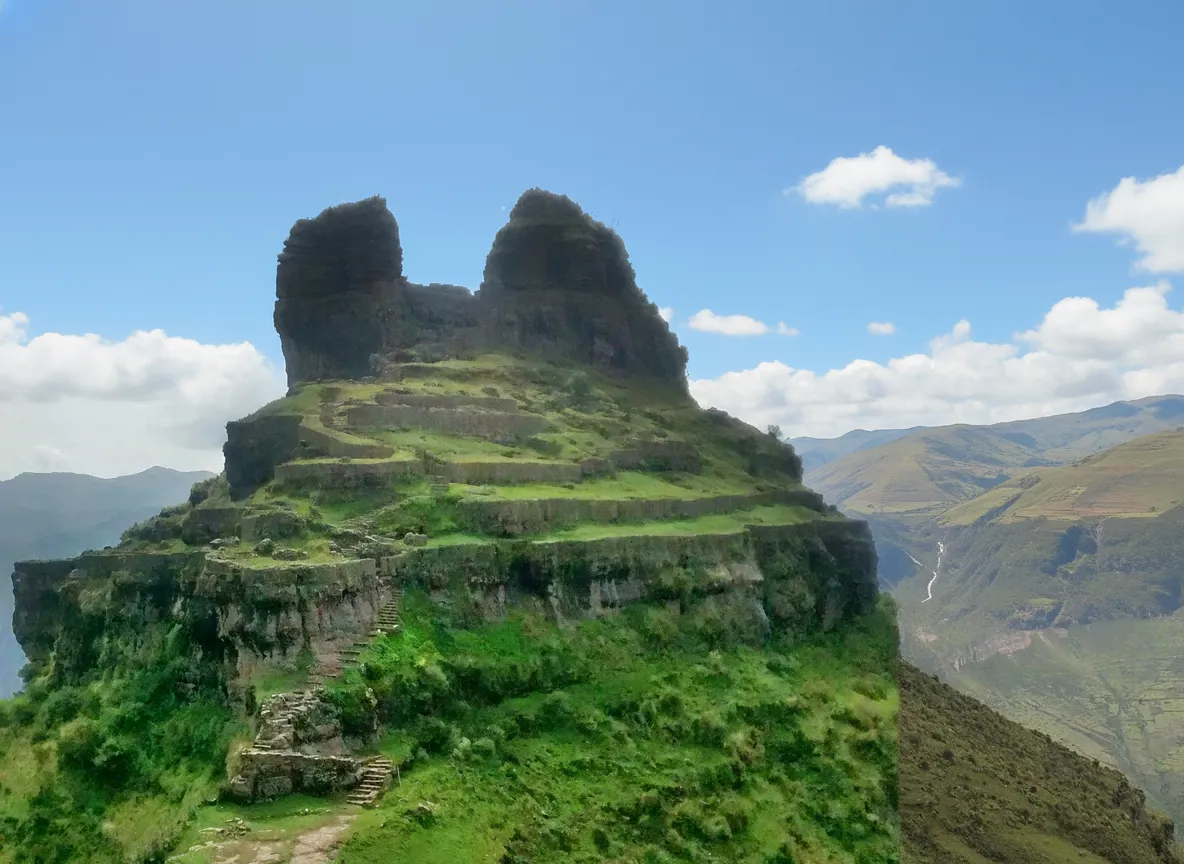
The name itself, "Waqrapukara," translates from Quechua as 'horned fortress,' and one look at its dramatic silhouette against the vast Andean sky explains why. This isn't just another ruin; it's a symphony of stone and landscape, a multi-tiered citadel that blends so seamlessly with the rugged cliffs of the Apurímac River canyon that it appears to be an organic extension of the earth itself. What makes Waqrapukara truly special, beyond its sheer visual drama, is its profound historical significance. Built centuries before the mighty Inca Empire rose to prominence, this site is a masterpiece of the Qanchi people, a civilization whose architectural prowess and strategic genius have largely been overshadowed by their more famous successors.
Unlike the well-trodden paths to Machu Picchu or Ollantaytambo, Waqrapukara remains a sanctuary of solitude. Its remote location and the challenging, yet immensely rewarding, trek required to reach it have preserved its untouched grandeur. Here, you won't find bustling crowds or souvenir stands; instead, you'll find an almost spiritual silence, broken only by the wind whistling through ancient passageways and the occasional call of a condor circling high above. The panoramic views from its ramparts are nothing short of astounding – a vast tapestry of towering mountains, winding rivers, and an endless sky that stretches to the horizon. It’s a place that not only offers incredible photographic opportunities but also a deep sense of connection to an ancient world, a true hidden gem waiting to reward the adventurous spirit.
A Glimpse into the Past: History and Mystery of the Qanchi
While much of Peru's archaeological narrative rightfully centers around the Inca, Waqrapukara offers a rare and compelling window into an even older civilization: the Qanchi. Flourishing in the southern Cusco region, the Qanchi were skilled architects, farmers, and strategists, and Waqrapukara stands as their most impressive surviving monument. Built likely between 1000 and 1400 AD, it predates the major Inca expansion and showcases a distinct architectural style characterized by intricate stonework that harmonizes with the natural environment, often utilizing natural rock formations as integral parts of the structures.
The exact purpose of Waqrapukara remains a subject of fascinating debate among archaeologists. Was it primarily a formidable fortress, strategically positioned to control vital trade routes and defend Qanchi territory against rival groups or even early Inca incursions? Its defensive walls, watchtowers, and commanding views certainly support this theory. Or perhaps it served as a significant astronomical observatory, its alignment with celestial events crucial for agricultural planning and spiritual rituals? The precise angles of its platforms and the strategic placement of certain structures hint at this possibility. Many believe it was a powerful ceremonial center, a sacred sanctuary where the Qanchi would commune with their gods, offering sacrifices and performing rituals in honor of the Apus (mountain spirits) and Pachamama (Mother Earth). The sheer effort involved in constructing such a monumental site in so remote a location suggests it held immense spiritual and political importance for the Qanchi people, a beacon of their power and faith long before the Inca ever gazed upon these peaks.
Exploring Waqrapukara: What You'll See and Feel
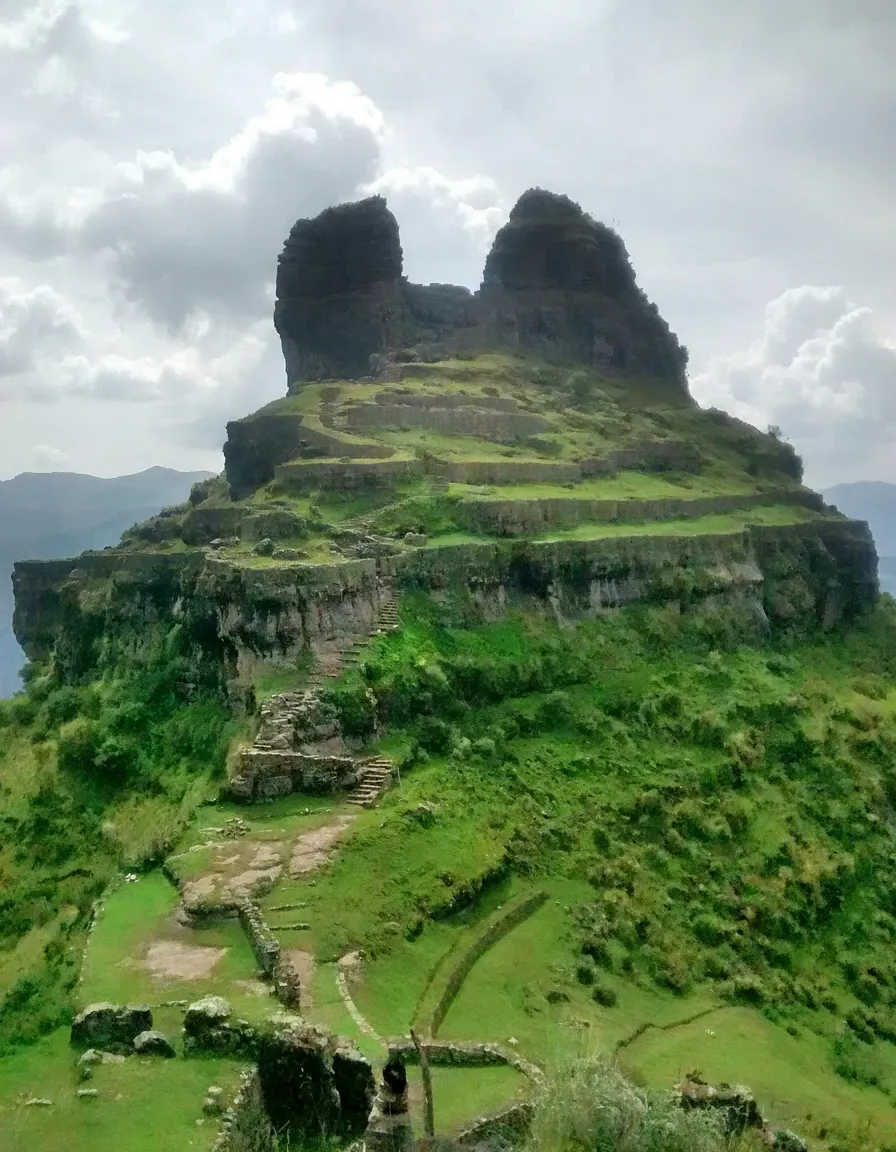
The journey to Waqrapukara is an integral part of the experience, a pilgrimage that builds anticipation with every winding trail and breathtaking vista. Once you arrive, the site unfolds before you in a series of dramatic revelations. You'll navigate through multiple tiers of expertly crafted terraces, each one meticulously integrated into the mountain's contours. Stone staircases, carved directly into the rock face, lead you upwards, revealing plazas, courtyards, and what appear to be ancient living quarters and storage facilities.
The true highlight, of course, are the iconic "horns" themselves. These two massive towers, seemingly defying gravity, crown the fortress, offering unparalleled 360-degree views. Standing atop one of these ancient watchtowers, with the vast expanse of the Apurímac canyon stretching out beneath you, is an experience that transcends mere sightseeing. You'll feel the enormity of the Andes, the profound silence of a place where time seems to stand still, and an almost tangible connection to the ancient people who once called this incredible place home. Imagine the sentinels who stood here, gazing across their dominion, or the priests who performed sacred rites under the same stars you'll witness. Keep an eye out for Andean wildlife during your trek and at the site; majestic condors are often spotted soaring on thermals, and you might even catch a glimpse of vicuñas grazing in the high-altitude grasslands.
Planning Your Expedition: Practical Tips for Visiting Waqrapukara
Visiting Waqrapukara is not a casual day trip; it's an adventure that requires planning, preparation, and a good level of physical fitness. But for those willing to make the effort, the rewards are immeasurable.
Acclimatization is Key: Waqrapukara sits at over 13,500 feet (4,100 meters). Spend at least 2-3 days in Cusco (11,150 feet / 3,400 meters) before attempting the trek to properly acclimatize. Drink plenty of water, avoid alcohol, and take it easy.
Getting There: The journey typically starts from Cusco. You'll take a bus or private transport to a village like Acomayo or Sangarará, which serve as common starting points for the trek. From these villages, several routes lead to Waqrapukara, varying in length and difficulty. Some are day treks (long and challenging), while others are multi-day expeditions involving camping. A popular route involves driving to the community of Wayqui and then trekking for about 2-3 hours to the site, making it feasible for a very long day trip or an overnight camp.
Guides are Highly Recommended: While it's possible to go independently, hiring a local guide is strongly advised. They not only know the safest and most efficient routes but also provide invaluable insights into the history, culture, and ecology of the region, enhancing your experience immeasurably. Plus, they contribute directly to the local economy.
What to Bring:
- Layers of Clothing: The weather in the Andes can change rapidly. Bring warm layers, a waterproof jacket, and a hat.
- Sturdy Hiking Boots: Essential for the rocky, uneven terrain.
- Water and Snacks: Carry ample water and high-energy snacks. There are no services at the site.
- Sun Protection: Sunscreen, sunglasses, and a wide-brimmed hat are crucial at high altitudes.
- First-Aid Kit: Including altitude sickness medication if prescribed by your doctor.
- Camera: You'll want to capture every moment of this incredible landscape.
- Camping Gear: If you plan an overnight trek, you'll need a tent, sleeping bag, and cooking equipment.
Leave No Trace: As a pristine archaeological site and natural environment, it's vital to practice responsible tourism. Carry out everything you carry in, stick to marked trails, and respect the local culture and environment.
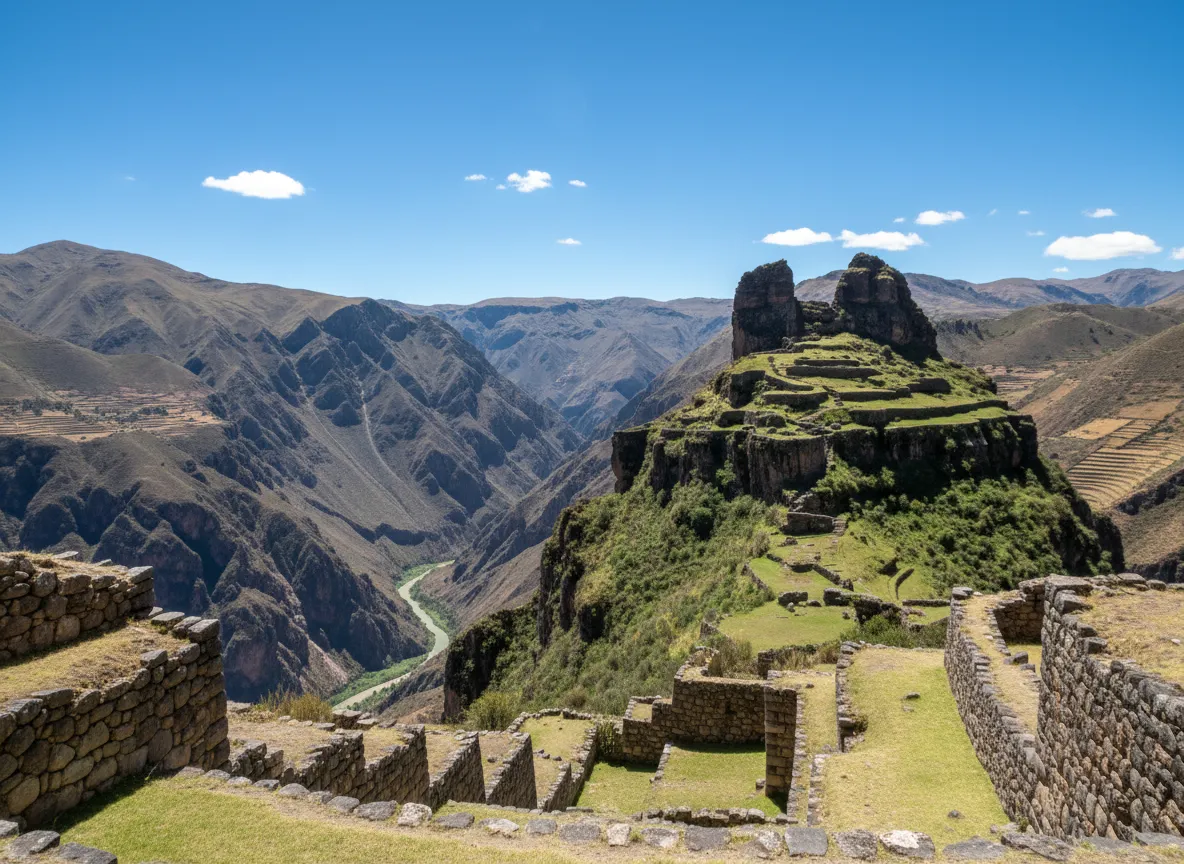
Waqrapukara is more than just an archaeological site; it's an invitation to step off the beaten path and into a world of ancient mystery and unparalleled natural beauty. It’s a place that challenges your body, invigorates your spirit, and leaves an indelible mark on your memory. If you're seeking an authentic, awe-inspiring adventure that few others have experienced, then pack your bags, lace up your boots, and prepare to discover the horned fortress of the Andes. The secrets of the Qanchi await.
Essential Travel Information
- Location Waqrapukara, Peru
- Best Time May to October (dry season)
- Getting There From Cusco, take transport to Acomayo or Sangarará, then trek (2-3 hours to multi-day) to the site. Hiring a local guide is highly recommended.
- Airport Alejandro Velasco Astete International Airport (CUZ)
- Budget Mid-range (due to transport, guide, and potential camping/lodging costs; approx. $80-$150 per day depending on tour type)
- Language Spanish, Quechua
Find Places to Stay Near Waqrapukara
Compare hotels, hostels, and unique stays in Peru.
Search AccommodationTours & Experiences Near Waqrapukara
Book guided tours, day trips, and unique experiences.
Browse Tours