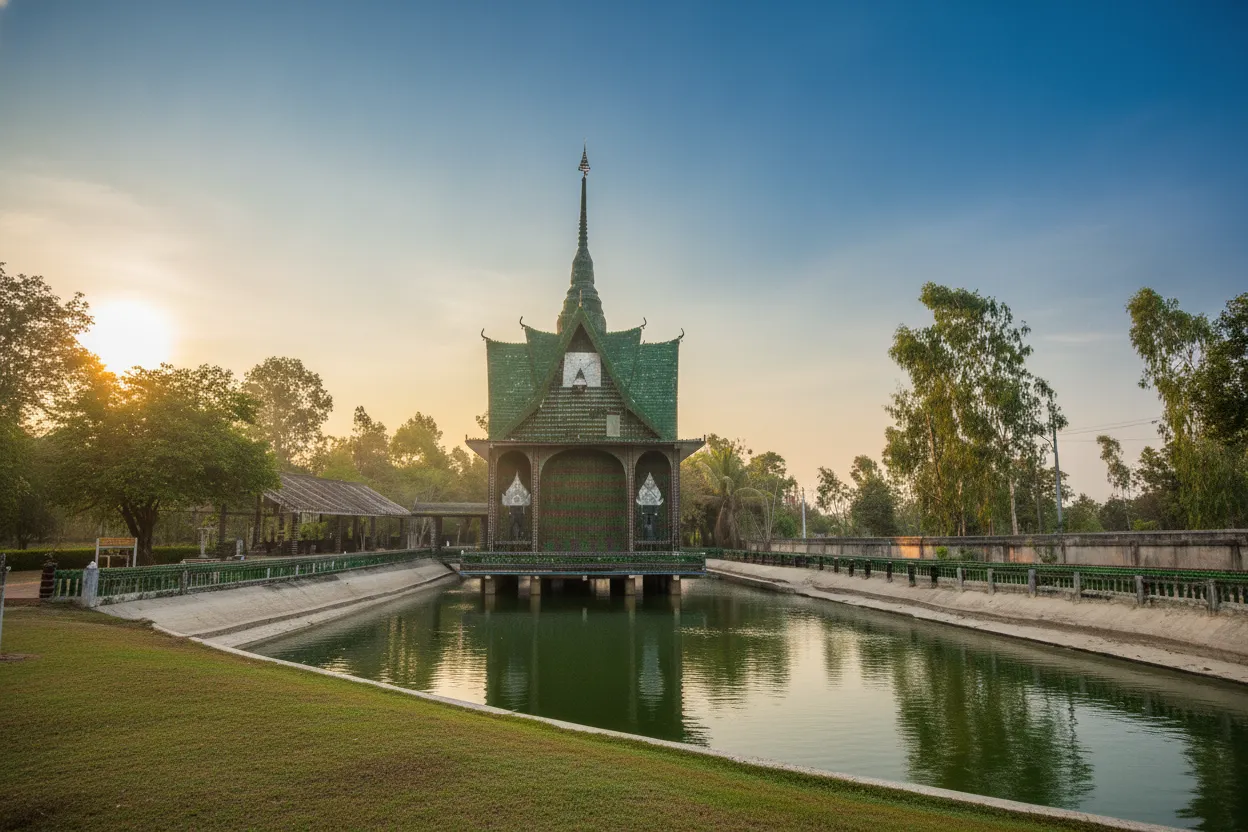
Imagine stepping into a gleaming, kaleidoscopic temple where every surface — from towering walls to shimmering water towers — is meticulously crafted from over 1.5 million discarded beer bottles. This isn't a scene from a fantastical dream; it's the breathtaking reality of Wat Pa Maha Chedi Kaew, affectionately known as the "Temple of a Million Bottles," nestled deep within Thailand's Sisaket Province. Prepare to have your perceptions of beauty, sustainability, and spiritual devotion utterly redefined as you discover this truly extraordinary hidden gem.
The Shimmering Symphony of Sustainability: What Makes It Special
What makes Wat Pa Maha Chedi Kaew so utterly unique isn't just its striking appearance, but the powerful message it embodies. Born from a desire to transform waste into wonder, this temple stands as a monumental testament to human ingenuity and environmental consciousness. The sheer scale of its construction — utilizing over 1.5 million green Heineken and brown Chang beer bottles — is mind-boggling. These aren't just decorative elements; they are the very building blocks of the entire complex.
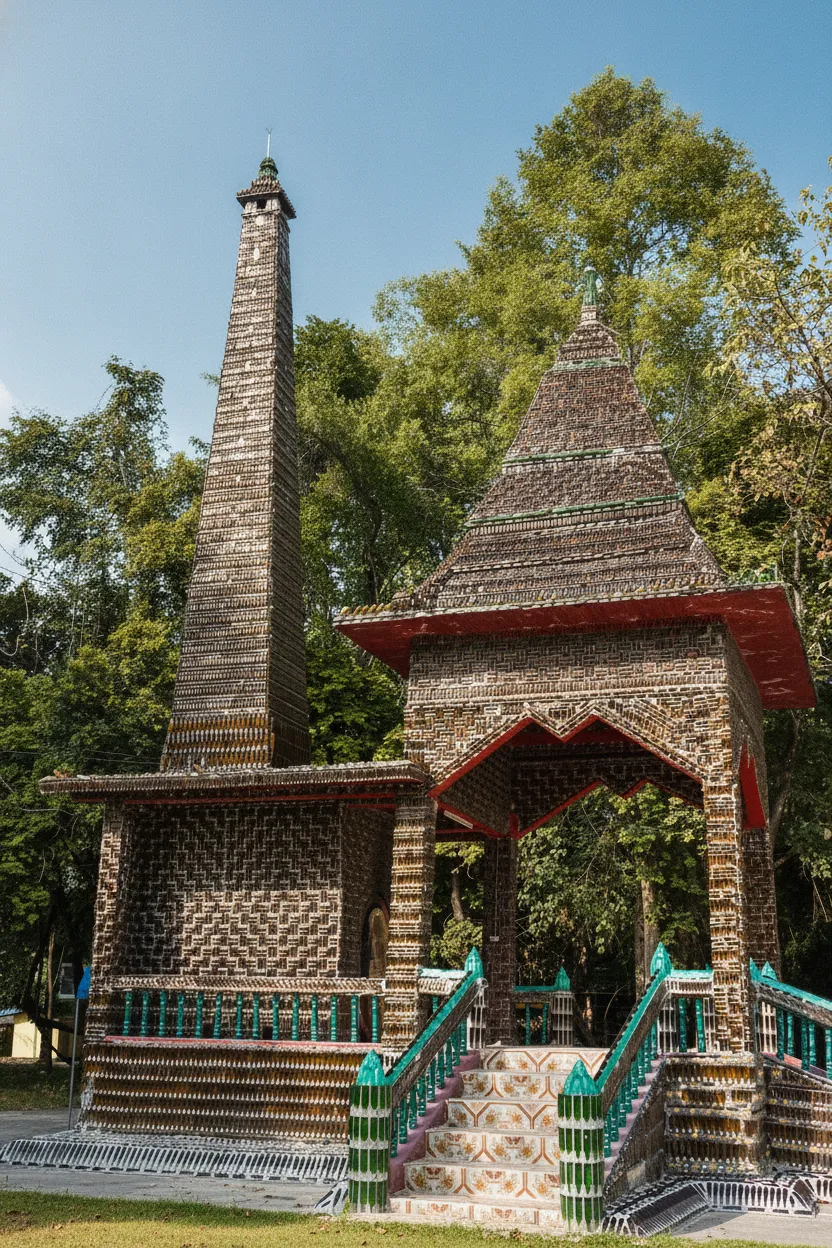
As you approach, the temple complex shimmers under the tropical sun, the myriad glass bottles catching and refracting light in a dazzling display. The distinct green and brown hues create intricate, mosaic-like patterns that dance across every surface, from the main ordination hall to the bell tower and even the surrounding structures. It’s a visual feast, a constantly changing spectacle of light and color that shifts with the angle of the sun and the movement of clouds. But beyond the visual spectacle, the bottles serve a practical purpose too. Their thick glass provides surprising natural insulation, keeping the interiors cooler than traditional structures in Thailand's often scorching climate, creating an unexpectedly tranquil and comfortable sanctuary.
This isn't just an architectural marvel; it's a living philosophy. The monks and local community saw not trash, but potential. They transformed a colossal waste problem into a profound statement about recycling, resourcefulness, and the beauty that can emerge when creativity meets necessity. It’s a sustainable sanctuary, a place where spiritual devotion is intertwined with a deep respect for the environment, offering a profound and thought-provoking experience unlike any other sacred site in the world.
The Visionaries Behind the Bottles: History and Background
The story of Wat Pa Maha Chedi Kaew begins in 1984, not with an architectural blueprint, but with a simple, yet profound, idea. The local monks, led by their abbot, were concerned about the growing problem of waste in their community, particularly the discarded beer bottles that littered the landscape. Instead of letting them accumulate in landfills or pollute the natural environment, they envisioned a radical solution: using the bottles as building materials for a new temple complex.
This wasn't a top-down directive; it was a grassroots movement fueled by community spirit. Monks, local residents, and volunteers from surrounding villages began collecting bottles – millions of them. They meticulously cleaned them, sorted them by color, and began the painstaking process of construction. It was a labor of love, a collective act of faith and environmental stewardship. The initial structures were humble, but as more bottles were collected and more hands joined the effort, the vision expanded.
Over the decades, the temple complex grew, piece by shimmering piece. Each bottle laid became a prayer, a testament to dedication and the belief that even the most mundane objects could be transformed into something sacred and beautiful. The project became a powerful symbol of collaboration, demonstrating how a community, united by a shared purpose, could achieve something truly extraordinary. It challenged traditional notions of temple construction and offered a powerful, tangible example of sustainable living and creative problem-solving in action.
A Walk Through the Bottle Temple: What You'll See There
Stepping onto the grounds of Wat Pa Maha Chedi Kaew is like entering another dimension. The air itself seems to hum with the quiet energy of a million stories, each told by a recycled bottle. Your journey begins at the main entrance, where even the gateposts are adorned with bottle ends, creating intricate, circular patterns that catch the light like emeralds and amber. As you wander deeper, you'll discover a series of remarkable structures, each more captivating than the last.
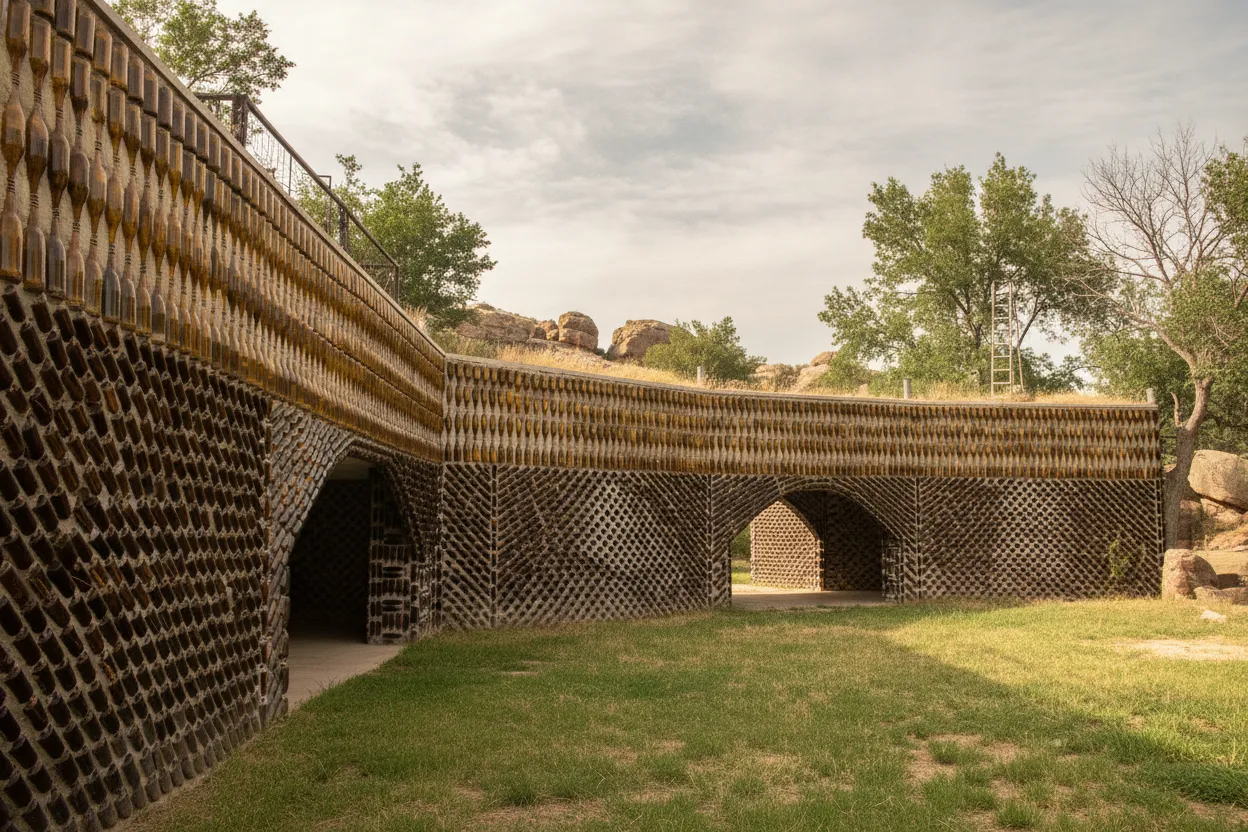
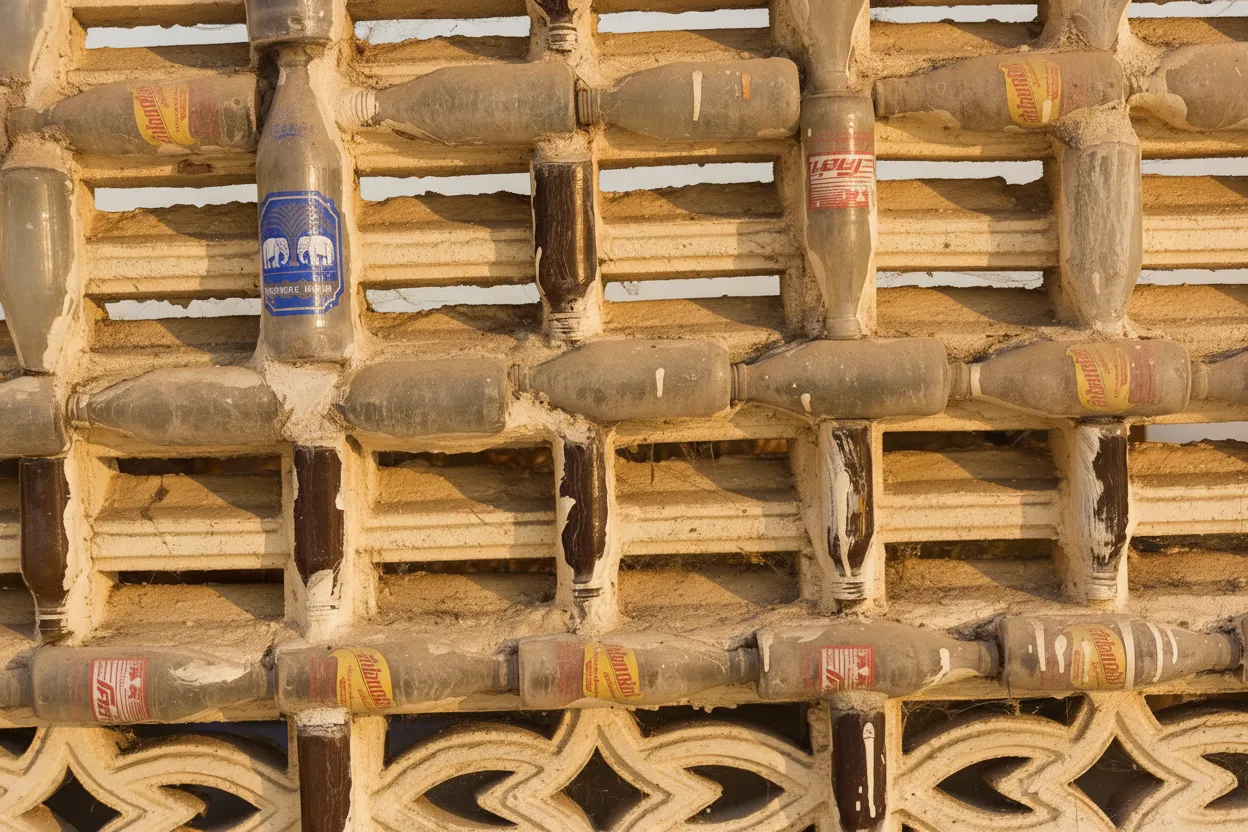
The central Ubosot, or ordination hall, is the crowning glory. Its walls are a dazzling mosaic of green and brown, with bottle caps often used to create decorative elements and intricate Buddhist symbols. Inside, the light filters through the glass, casting a soft, ethereal glow that bathes the Buddha images in an otherworldly luminescence. It’s a strangely meditative space, where the history of discarded objects gives way to a profound sense of peace and contemplation. You'll notice how the bottle bottoms form the exterior walls, while the necks often face inwards, creating a unique textured surface that feels surprisingly organic.
Beyond the main temple, you'll find a bell tower, a multi-purpose hall, a crematorium, and even the monks' living quarters, all crafted from bottles. The attention to detail is astonishing; bottle caps are incorporated into murals, bottle shards form delicate decorative patterns, and even the public restrooms are a work of art, defying all expectations. Don't miss the water towers, towering structures that gleam against the sky, serving as both functional necessities and magnificent sculptures. Everywhere you look, there's a new detail to discover, a new pattern to admire, a fresh perspective on what can be achieved with humble materials and boundless imagination.
Planning Your Pilgrimage: Practical Visit Tips
Visiting Wat Pa Maha Chedi Kaew is an adventure, taking you off the well-trodden tourist path and into the heart of rural Thailand. It’s a journey well worth making for those seeking an authentic and truly unique cultural experience.
Getting There
The temple is located in Khun Han District, Sisaket Province, in northeastern Thailand (Isaan region). The easiest way to reach Sisaket is by:
- Flying: The nearest major airport is Ubon Ratchathani International Airport (UBP). From Ubon, you can take a bus or taxi to Sisaket city, which is about a 1.5 to 2-hour drive.
- Train: Overnight sleeper trains run from Bangkok's Krung Thep Aphiwat Central Terminal (or formerly Hua Lamphong) directly to Sisaket. This is a comfortable and scenic option.
- Bus: Regular bus services connect Bangkok (Mo Chit Bus Terminal) and other major Thai cities to Sisaket.
Once in Sisaket city, you'll need to arrange local transport to the temple. It's about an hour's drive from the city center. You can hire a taxi, a tuk-tuk, or a songthaew (a shared pick-up truck taxi). Negotiate the price beforehand, or ask your accommodation to help arrange transport.
Best Time to Visit
The cooler, dry season from **November to February** is generally the most pleasant time to visit Thailand, with more comfortable temperatures and less humidity. This is ideal for exploring the temple grounds without the intense heat or the heavy rainfall of the monsoon season.
Dress Code and Etiquette
As a sacred Buddhist site, respectful attire is essential. Ensure your shoulders and knees are covered. Avoid overly revealing clothing. When entering temple buildings, remember to remove your shoes. Maintain a quiet and respectful demeanor, especially if monks are present. Photography is generally allowed, but always be mindful and respectful of worshippers and the sanctity of the place.
Facilities and Cost
There is typically no entrance fee to Wat Pa Maha Chedi Kaew, though donations are always welcome and help with the upkeep of the temple. You'll find basic restroom facilities on-site, also made from bottles! There might be small stalls selling drinks or snacks nearby, but it's advisable to carry your own water, especially on hot days. Plan to spend 1-2 hours exploring the entire complex to fully appreciate its unique architecture and serene atmosphere.
Wat Pa Maha Chedi Kaew isn't just a temple; it's an experience, a story, and a powerful statement. It's a place that challenges you to see beauty in the discarded, potential in the overlooked, and spirituality in the most unconventional forms. If you're yearning for a travel experience that transcends the ordinary, that inspires wonder and leaves a lasting impression, then add this shimmering, sustainable sanctuary in Sisaket to your must-visit list. It's a hidden gem waiting to be discovered, promising a pilgrimage unlike any other.
Essential Travel Information
- Location Wat Pa Maha Chedi Kaew (Temple of a Million Bottles), Thailand
- Best Time November to February (cooler, dry season)
- Getting There Fly to Ubon Ratchathani (UBP), then bus/taxi to Sisaket. Or take a train/bus from Bangkok to Sisaket. From Sisaket city, hire a local taxi or songthaew to the temple (approx. 1 hour drive).
- Airport Ubon Ratchathani International Airport (UBP)
- Budget Mid-range (approx. $60-100 USD daily for accommodation, food, local transport, excluding major travel to Sisaket)
- Language Thai
Find Places to Stay Near Wat Pa Maha Chedi Kaew (Temple of a Million Bottles)
Compare hotels, hostels, and unique stays in Thailand.
Search AccommodationTours & Experiences Near Wat Pa Maha Chedi Kaew (Temple of a Million Bottles)
Book guided tours, day trips, and unique experiences.
Browse Tours