Welcome to Whittier: Alaska's Vertical City
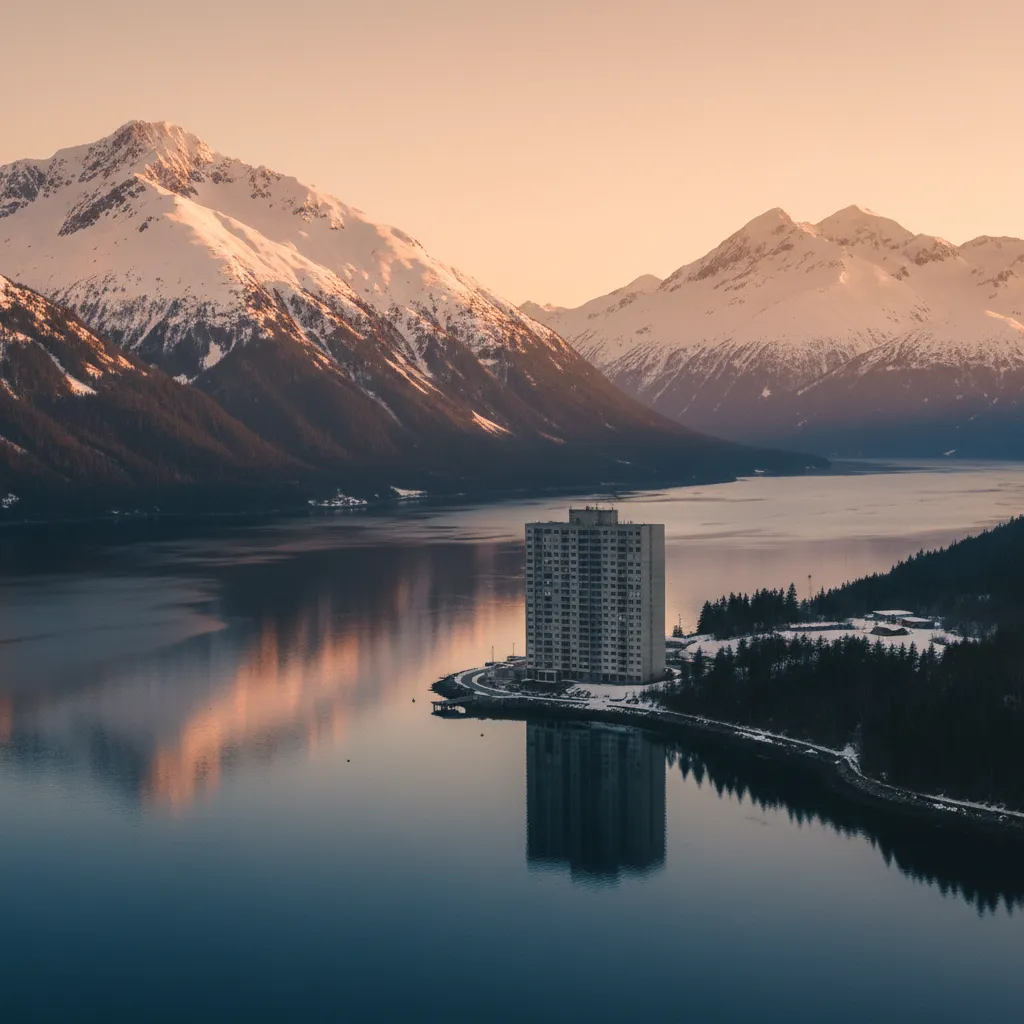
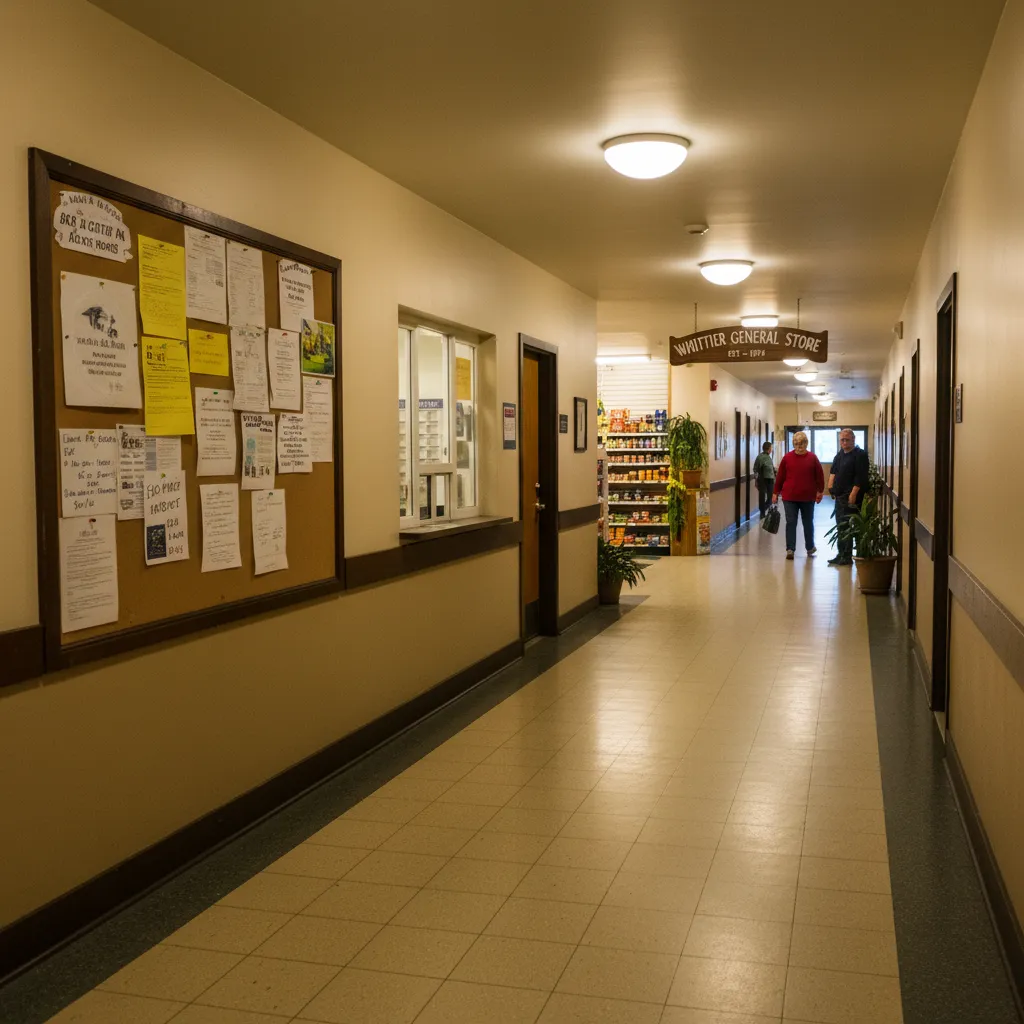
Step into Whittier, and you're stepping into a community unlike any other. The vast majority of its fewer than 300 residents call the 14-story Begich Towers home. This isn't just an apartment building; it's the beating heart of the town, a self-contained universe where daily life unfolds almost entirely indoors. Picture this: children walk down the hall to school, residents pick up their mail just a few floors below, and a quick elevator ride takes you to the local grocery store for dinner ingredients. The police station, the church, the laundromat, even a small hotel for visitors – all are housed within the concrete walls of what locals affectionately call "BTT."
This remarkable setup isn't just a quirky architectural choice; it's a brilliant, pragmatic solution to Whittier's extreme climate and remote location. Winter here brings heavy snowfall and strong winds, often isolating the town for days. Living under one roof means residents are shielded from the elements, fostering an incredibly tight-knit community where neighbors truly are an extended family. There's a palpable sense of shared experience, a quiet resilience that permeates the air. It’s a truly humbling and inspiring place, making you rethink what "community" really means.
A Glimpse into Whittier's Fascinating History
Whittier's story is as dramatic as its landscape, rooted deeply in its strategic military past. During World War II, the U.S. Army recognized the need for an ice-free port in Alaska, and Whittier’s deep-water harbor fit the bill perfectly. It became a crucial military installation, serving as a port for troops and supplies headed to the interior.
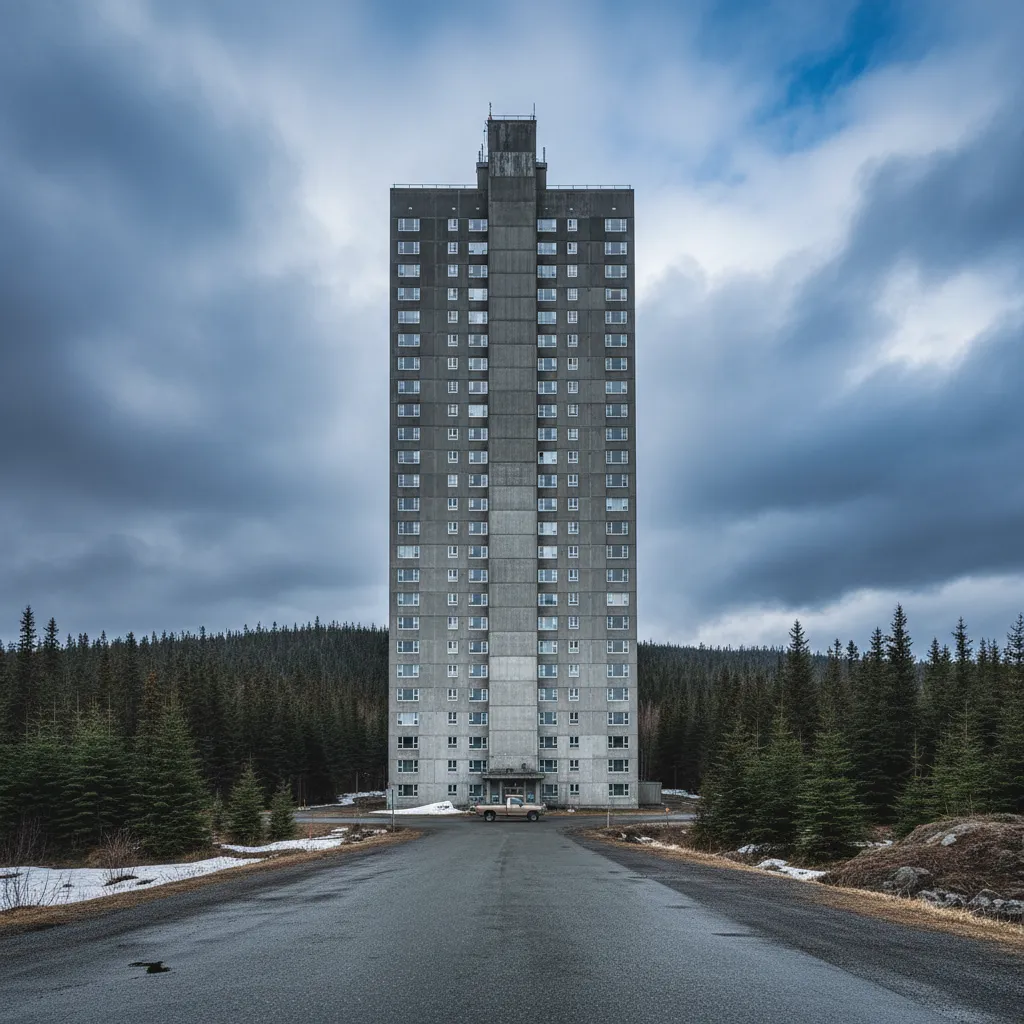
Post-war, during the Cold War era, the military constructed two massive buildings to house thousands of soldiers and support personnel: the Buckner Building and the Hodge Building. The Buckner Building, completed in 1953, was an ambitious "city under one roof" concept for its time, designed to be self-sufficient. Today, it stands mostly abandoned, a hauntingly beautiful concrete skeleton that whispers tales of a bygone era. The Hodge Building, completed in 1957, was later renamed Begich Towers. After the military pulled out in the late 1960s, these structures, particularly the Hodge Building, were repurposed for civilian life, inheriting the "vertical city" mantle.
The town also carries the scars of the devastating 1964 Good Friday Earthquake, which triggered a massive tsunami that destroyed much of Whittier's port facilities and infrastructure. Despite these challenges, the resilient community rebuilt, adapting the remaining military structures to create the unique town we see today. Exploring Whittier is like walking through a living museum, where every building and every story tells of survival, adaptation, and an unwavering spirit.
Beyond the Towers: What to See and Do in Whittier
While the Begich Towers are undoubtedly the star attraction, Whittier's true magic extends far beyond its walls. Nestled on the edge of the magnificent Prince William Sound, this area is an outdoor enthusiast's dream. Imagine pristine waters teeming with wildlife, dramatic fjords carved by ancient glaciers, and towering peaks that scrape the sky. This is the Alaska you dream of, raw and untamed.
Boat tours departing from Whittier are an absolute must. You can glide past tidewater glaciers, witness massive chunks of ice calving into the sea, and spot an incredible array of marine life: humpback whales breaching, playful sea otters floating on their backs, porpoises darting through the waves, and majestic bald eagles soaring overhead. Kayaking is another fantastic way to get up close and personal with the Sound's serene beauty, paddling through calm inlets and discovering hidden coves.
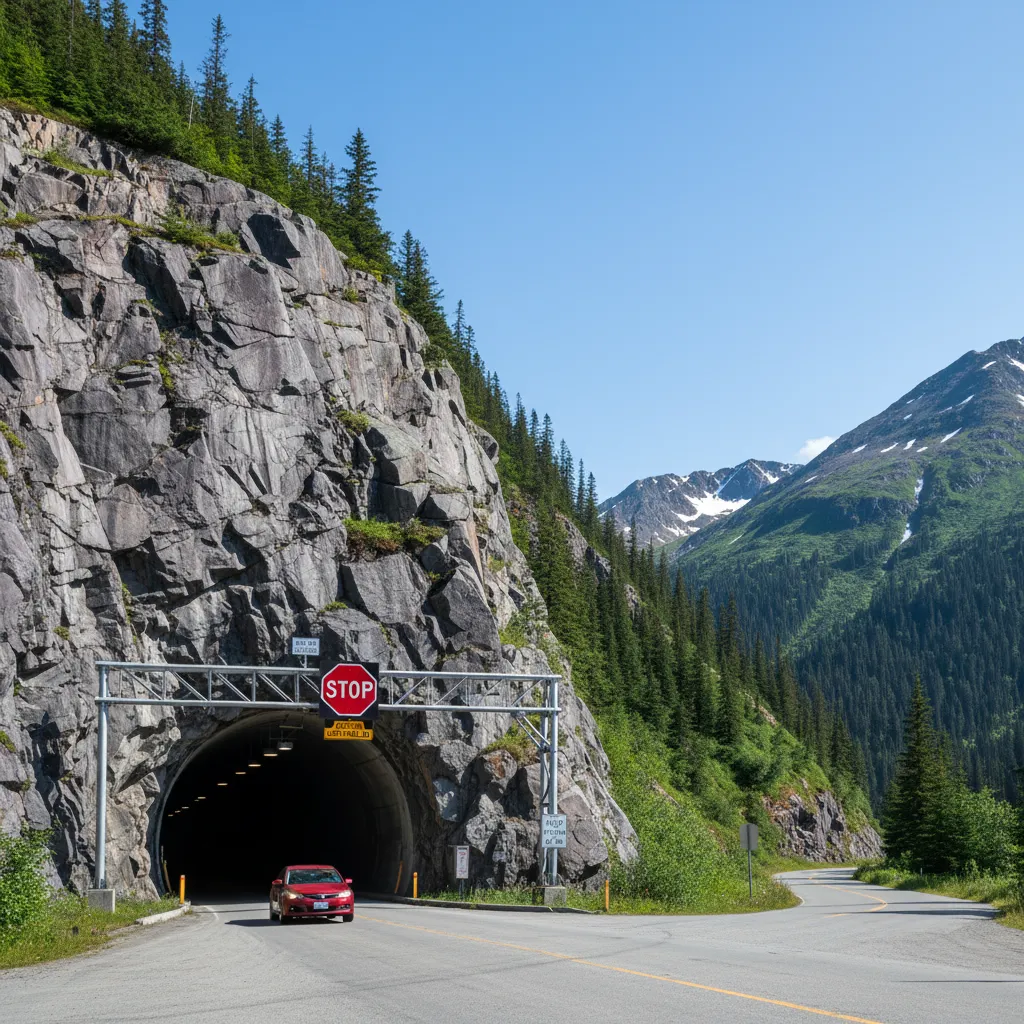
The journey to Whittier itself is an adventure. You'll travel through the Anton Anderson Memorial Tunnel, a marvel of engineering that serves as the only land access point to the town. This one-lane tunnel, shared by both cars and the Alaska Railroad, operates on a strict schedule, with traffic flowing in one direction at a time. It’s a unique experience, a literal passage through time and rock, adding to the town’s secluded charm. Once you emerge, you're greeted by the stunning vistas of Passage Canal. Explore the small boat harbor, walk along the waterfront, or venture out on one of the local hiking trails for panoramic views of the Sound. Even though it's a small town, the sheer natural beauty surrounding Whittier offers endless opportunities for exploration and wonder.
Planning Your Unforgettable Trip to Whittier
Ready to experience this extraordinary destination for yourself? Here are some practical tips to help you plan your visit:
- Getting There: The primary way to reach Whittier by land is via the Anton Anderson Memorial Tunnel, located at Mile 52 of the Seward Highway. Be sure to check the tunnel's schedule online before you go, as it operates on a timed, alternating one-way system. Alternatively, you can take an Alaska Marine Highway ferry from other coastal communities.
- Best Time to Visit: The summer months (June through August) offer the mildest weather, the longest daylight hours, and the most opportunities for boat tours and outdoor activities. Spring and fall can also be beautiful, but services might be more limited.
- Accommodation: While Whittier is small, you can find lodging options. The Begich Towers itself has vacation rentals, offering the unique experience of staying within the "vertical city." There are also a few small inns and B&Bs in town. Book well in advance, especially during peak season.
- Dining: Expect limited but satisfying dining options. There are a few casual eateries and cafes, some located within the Begich Towers. Don't come expecting gourmet dining, but you'll find hearty Alaskan fare.
- What to Pack: Alaska weather can be unpredictable, even in summer. Pack layers, including waterproof and windproof outerwear, comfortable walking shoes, and a good camera to capture the breathtaking scenery and unique town.
- Embrace the Pace: Whittier operates on its own unique rhythm. It’s a place to slow down, connect with nature, and appreciate the resilience of a community that has built a truly extraordinary life in an extraordinary place.
Whittier isn't just a place on a map; it's an experience, a story, a living testament to human adaptability and the enduring power of community. It challenges our perceptions of what a town can be, offering a glimpse into a world where an entire community thrives under one roof, surrounded by some of the most stunning wilderness on Earth. So, if you're looking for an adventure that will surprise, inspire, and leave you with memories to last a lifetime, set your sights on Whittier, Alaska. You won't regret it.
Essential Travel Information
- Location Whittier, USA
- Best Time Summer (June-August)
- Getting There Drive through the Anton Anderson Memorial Tunnel or take an Alaska Marine Highway ferry.
- Airport Ted Stevens Anchorage International Airport (ANC)
- Budget Mid-range (approx. $150-300+ daily, depending on activities)
- Language English
Find Places to Stay Near Whittier
Compare hotels, hostels, and unique stays in USA.
Search AccommodationTours & Experiences Near Whittier
Book guided tours, day trips, and unique experiences.
Browse Tours