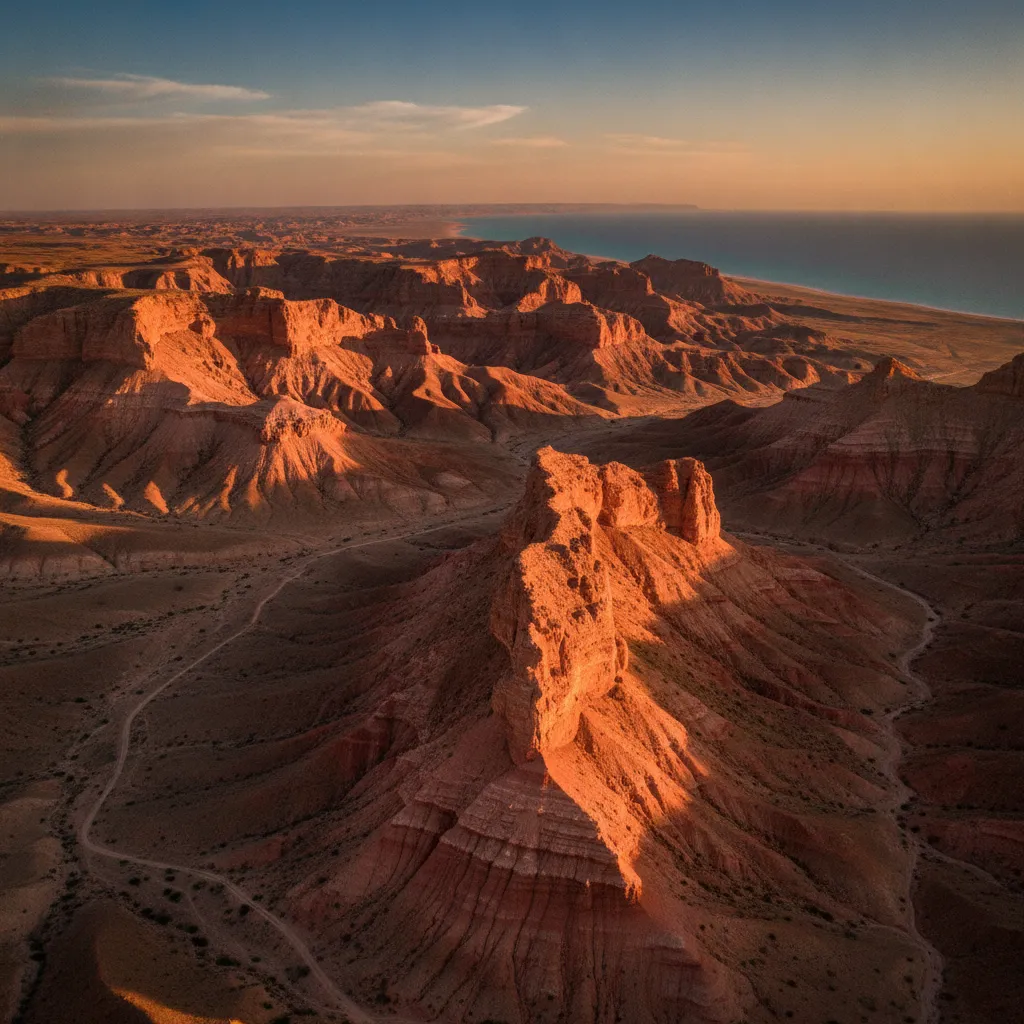
Imagine standing on the precipice of a colossal, otherworldly canyon, where the very earth seems to have been painted by a cosmic artist. Forget everything you thought you knew about deserts; here, ancient oceans have left behind a psychedelic masterpiece of crimson, pink, and gold, stretching as far as the eye can see. This isn't a dream, nor is it a scene from another planet. This is Yangikala Canyon in Turkmenistan, a hidden gem so spectacular, so utterly breathtaking, it feels like the best-kept secret on Earth.
For the intrepid traveler seeking true wonder, far beyond the well-trodden paths, Yangikala offers an experience unlike any other. It’s a place that whispers tales of deep time, of geological forces, and of a raw, untamed beauty that will etch itself into your soul. If you're ready to peel back the layers of the ordinary and discover a landscape that defies imagination, then pack your bags – we're heading to the 'fire fortresses' of Turkmenistan.
A Masterpiece of Earth's Artistry: What Makes Yangikala So Unique
Yangikala, meaning 'fire fortresses' in Turkmen, lives up to its name with a vengeance. As you approach this geological marvel, located in the remote Balkan Region of Turkmenistan, the landscape transforms dramatically. What begins as a relatively flat, arid expanse suddenly plunges into a labyrinth of towering cliffs and deep ravines, all ablaze with an impossible spectrum of colors. These aren't just subtle hues; we're talking about vibrant, almost fluorescent streaks of red, orange, pink, yellow, and even purple, swirling together in a geological ballet.
What makes Yangikala truly unique is the sheer intensity and variety of its color palette. Over millennia, wind and water have sculpted the soft sedimentary rock, exposing layer after layer of mineral deposits. Iron oxides create the fiery reds and oranges, manganese contributes to the darker purples, while other minerals paint streaks of cream, gold, and delicate pinks. The result is a living canvas that shifts and changes with every passing cloud and every angle of the sun, making each moment spent here a unique visual feast. Unlike more famous canyons around the world, Yangikala remains virtually untouched by mass tourism. There are no visitor centers, no paved paths, no gift shops – just you, the vastness, and the profound silence of a truly ancient place. It’s this untouched wilderness, combined with its unparalleled beauty, that truly sets Yangikala apart as one of the planet's most extraordinary natural wonders.
Echoes of Ancient Seas and Nomadic Paths: Yangikala's Story
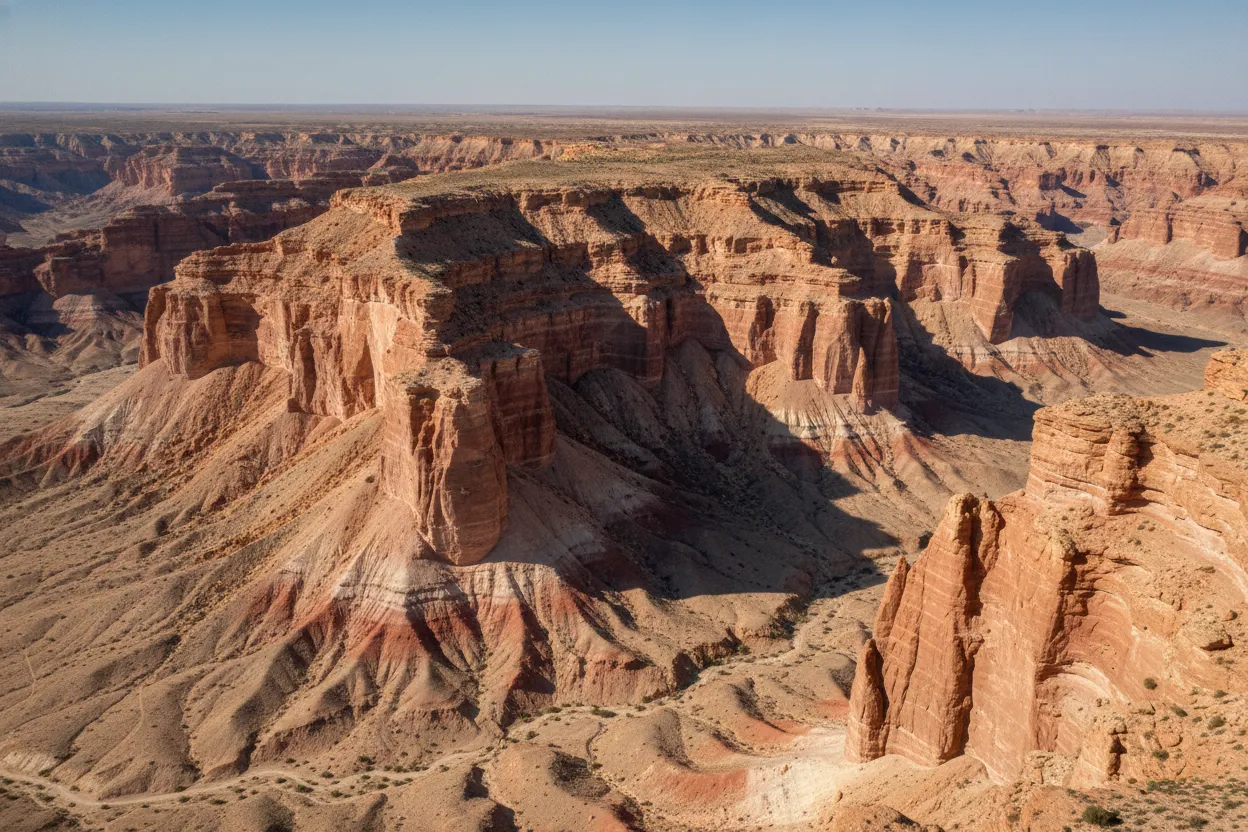
The story of Yangikala Canyon is written in its very rocks, a geological epic spanning millions of years. Long, long ago, during the Miocene epoch, this region was submerged beneath the vast Tethys Ocean. Over eons, layers of marine sediments – clays, silts, and sands – accumulated on the seabed, interspersed with the fossilized remains of ancient sea creatures. As the tectonic plates shifted and the Tethys Ocean receded, these sediments were uplifted, compressed, and hardened into the rock formations we see today.
The vibrant colors that give Yangikala its 'fire fortress' moniker are a result of various mineral compounds trapped within these sedimentary layers. Iron, in particular, oxidizes when exposed to the elements, creating the stunning reds, oranges, and yellows. Other minerals contribute to the purples, pinks, and greens, each layer telling a story of different environmental conditions at the time of its deposition. Once exposed to the desert's relentless wind and sporadic rain, these softer rocks began to erode, carving out the dramatic cliffs, pinnacles, and valleys that define Yangikala today. It's a testament to the slow, powerful artistry of nature, constantly shaping and reshaping the landscape.
While the geological history is profound, the human history of Yangikala is one of respectful distance. This remote area, part of the Karakum Desert fringe, has likely been known to local Turkmen nomadic tribes for centuries. Imagine their awe as they encountered these fiery cliffs on their migrations! However, due to its isolation and Turkmenistan's generally closed borders for much of its modern history, Yangikala remained largely unknown to the outside world until relatively recently. It’s a place that has preserved its pristine condition precisely because it has been spared the heavy footprint of widespread human activity, offering a rare glimpse into a truly wild and untamed corner of our planet.
A Symphony of Color and Silence: What Awaits You at Yangikala
Stepping into Yangikala Canyon is like entering a living, breathing painting. The sheer scale is immediately overwhelming. From the rim, vast panoramas unfold before you, an endless tapestry of sculpted rock formations bathed in an incredible array of colors. The silence here is profound, broken only by the whisper of the wind or the distant call of a desert bird. It's a silence that allows you to truly connect with the raw power and beauty of nature.
The best times to witness Yangikala's magic are during sunrise and sunset. As the sun dips below the horizon or peeks over the eastern cliffs, the canyon's colors ignite. The reds deepen into a fiery crimson, the pinks glow with a soft luminescence, and the golds shimmer. Shadows lengthen and dance across the sculpted surfaces, creating an ever-changing spectacle that will leave you speechless. You'll find countless vantage points for breathtaking photography, each offering a unique perspective on the canyon's grandeur.
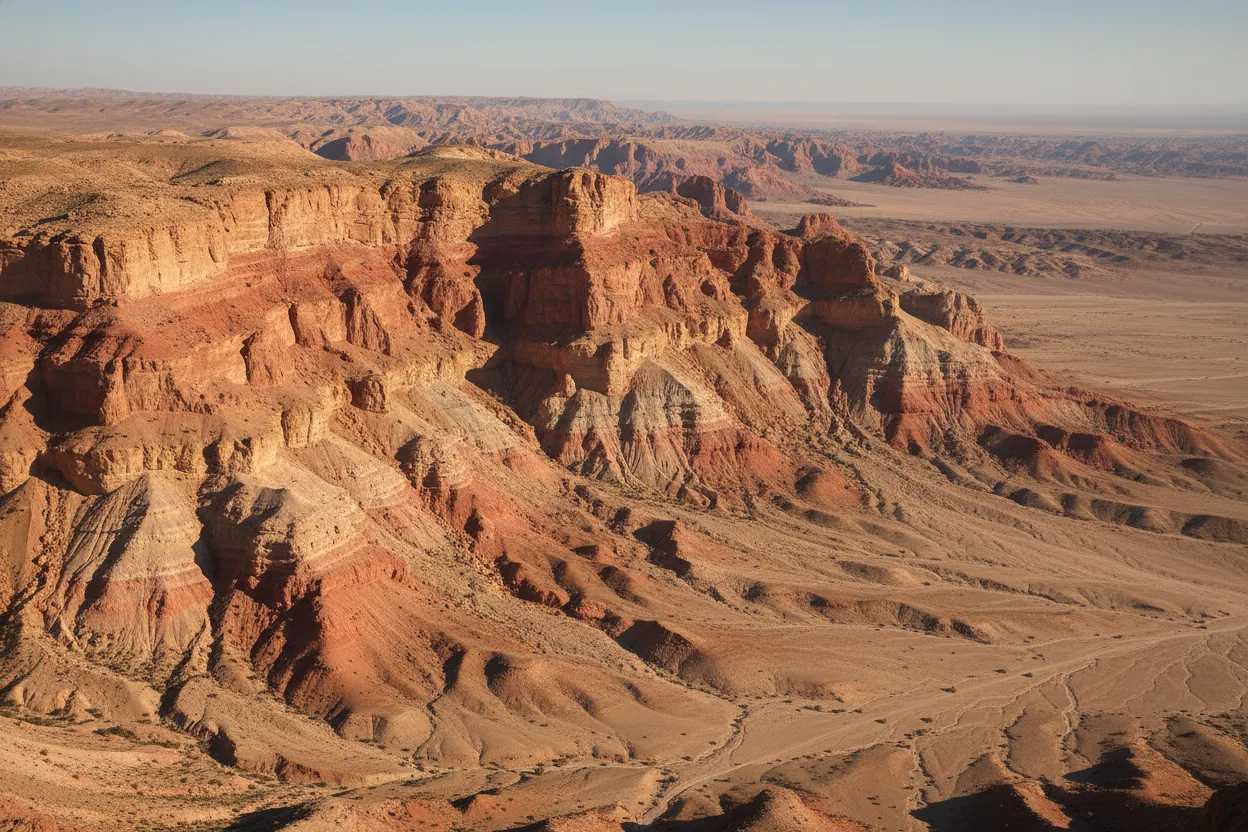
Beyond the panoramic views, exploring the canyon floor (with an experienced guide, of course) reveals even more wonders. You might discover hidden alcoves, natural arches carved by millennia of erosion, or unique rock formations that resemble ancient castles or fantastical beasts. Keep an eye out for desert wildlife – though sparse, you might spot a gazelle, a desert fox, or various species of birds adapted to this arid environment. And as night falls, far from any light pollution, the sky above Yangikala transforms into a dazzling observatory, offering an unparalleled opportunity for stargazing. The Milky Way stretches across the inky blackness, a fitting celestial canopy over this earthly marvel.
Embarking on the Expedition: Practical Tips for Visiting Yangikala
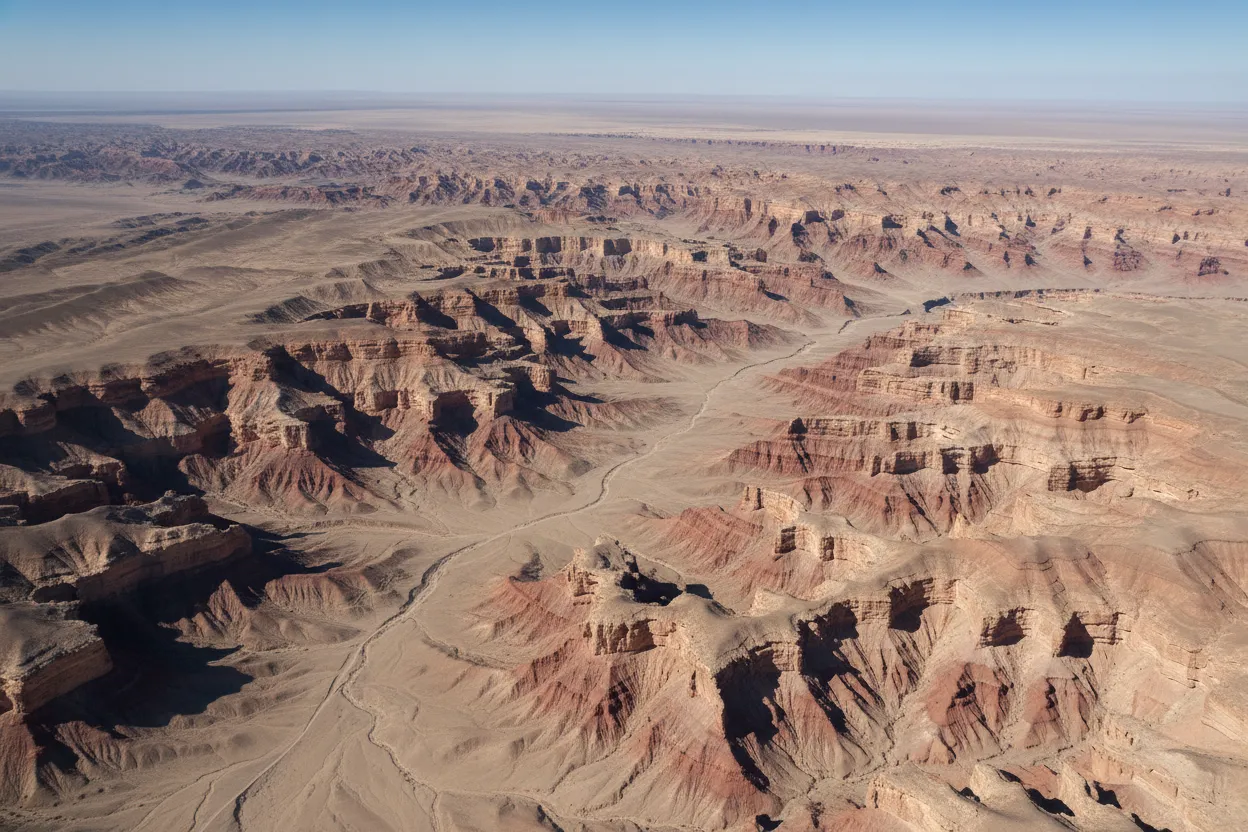
Visiting Yangikala Canyon is an adventure, and like all great adventures, it requires careful planning. Turkmenistan is not a destination for independent, spontaneous travel, especially to remote areas like Yangikala. Here's what you need to know to make your journey unforgettable:
Guided Tours are Essential: Due to Turkmenistan's visa requirements and the canyon's remote location, visiting Yangikala is almost exclusively done through organized tours with a licensed guide. These tours handle all logistics, from permits and transportation to accommodation and meals. This is not only for convenience but also for safety and adherence to local regulations.
Getting There: The nearest major cities are Turkmenbashi (with an international airport, code KRW) and Balkanabat. From either, you'll need a sturdy 4x4 vehicle, as the roads leading to Yangikala are unpaved, rough, and require experienced desert drivers. The journey itself is part of the adventure, traversing vast desert landscapes.
Best Time to Visit: The shoulder seasons of spring (April-May) and autumn (September-October) offer the most pleasant weather. Summers (June-August) are extremely hot, with temperatures soaring, making exploration challenging. Winters (November-March) can be surprisingly cold, especially at night, though the clear skies can offer stunning photographic opportunities.
Accommodation: There are no hotels or guesthouses at Yangikala itself. Most tours involve camping directly within or near the canyon. This is an incredible experience, allowing you to wake up to the sunrise painting the cliffs and fall asleep under a blanket of stars. Your tour operator will provide camping gear, but be prepared for basic facilities.
What to Bring: * **Plenty of Water:** Hydration is crucial in the desert. * **Sun Protection:** Hat, sunglasses, high-SPF sunscreen are non-negotiable. * **Sturdy Hiking Shoes:** For exploring the uneven terrain. * **Layers of Clothing:** Temperatures can fluctuate dramatically between day and night. * **Camera Gear:** You'll want to capture every angle of this incredible place. * **Basic First Aid Kit:** For minor scrapes or ailments. * **Cash (USD or Manat):** For any small purchases or tips, though most tour costs are prepaid.
Respect the Environment: Yangikala is a pristine natural wonder. Practice "leave no trace" principles: carry out everything you carry in, stay on designated paths (if any), and do not disturb the natural formations or wildlife. Your guide will provide specific instructions.
A journey to Yangikala Canyon is more than just a trip; it's an expedition into the heart of an untouched masterpiece. It's a chance to disconnect from the modern world and reconnect with the raw, breathtaking beauty of our planet. Are you ready to witness the fire fortresses and let their ancient colors ignite your wanderlust?
Essential Travel Information
- Location Yangikala Canyon, Turkmenistan
- Best Time Spring (April-May) and Autumn (September-October)
- Getting There Exclusively via guided 4x4 tours from Turkmenbashi (KRW) or Balkanabat. Requires an experienced desert driver.
- Airport Turkmenbashi International Airport (KRW)
- Budget Mid-range to Luxury (approx. $250-500+ USD/day for guided tours including permits, transport, and accommodation)
- Language Turkmen, Russian
Find Places to Stay Near Yangikala Canyon
Compare hotels, hostels, and unique stays in Turkmenistan.
Search AccommodationTours & Experiences Near Yangikala Canyon
Book guided tours, day trips, and unique experiences.
Browse Tours