What Makes Yemrehanna Kristos So Special? A Symphony of Nature and Craftsmanship
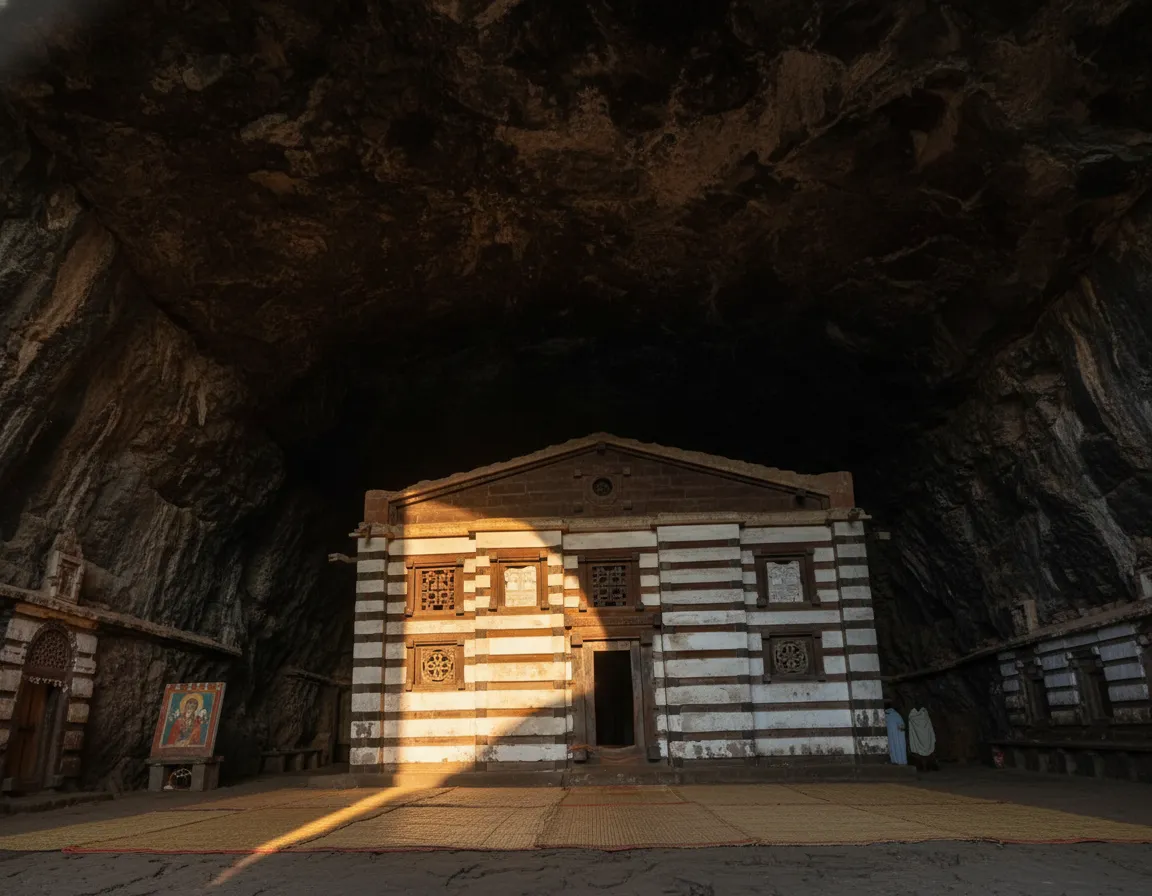
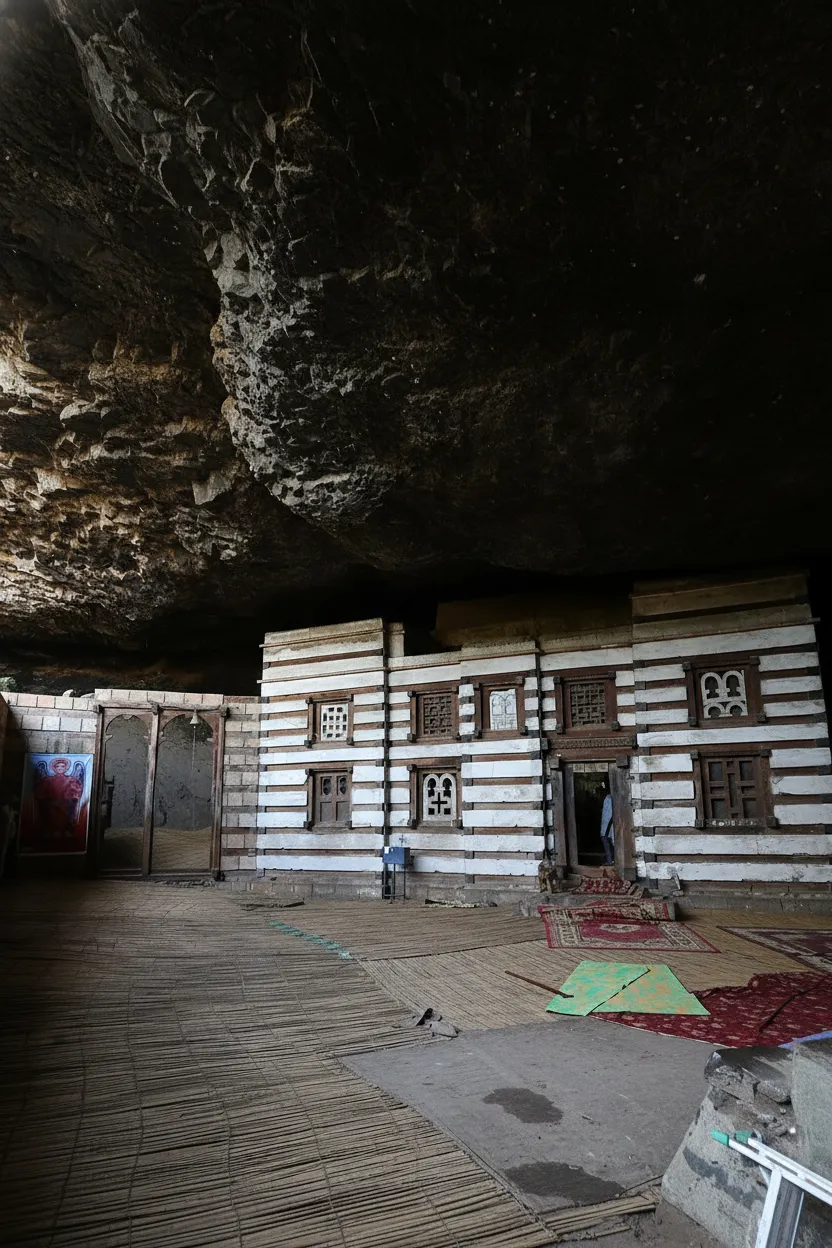
The sheer uniqueness of Yemrehanna Kristos is what truly sets it apart. Unlike its more famous counterparts in Lalibela, which were carved directly from the ground in monolithic fashion, Yemrehanna Kristos was *built* inside a gargantuan natural cave. Think of it: a massive, cathedral-like grotto, its ceiling soaring high above, providing a natural shelter for a freestanding church meticulously constructed within its confines. This blend of precisely cut rock-hewn elements, stunning timber, and intricate masonry work creates an architectural harmony rarely seen elsewhere.
Stepping into the cave is like entering another dimension. The natural rock walls provide a dramatic, almost theatrical backdrop, while the church itself stands as a beacon of human devotion. The construction techniques employed here, dating back to the 11th century, are nothing short of astounding. Skilled artisans shaped local rock into bricks, carved elaborate window frames, and crafted intricate wooden ceilings, all assembled with remarkable precision within the cave's irregular contours. It's a testament to a time when faith moved mountains – or, in this case, built sanctuaries within them.
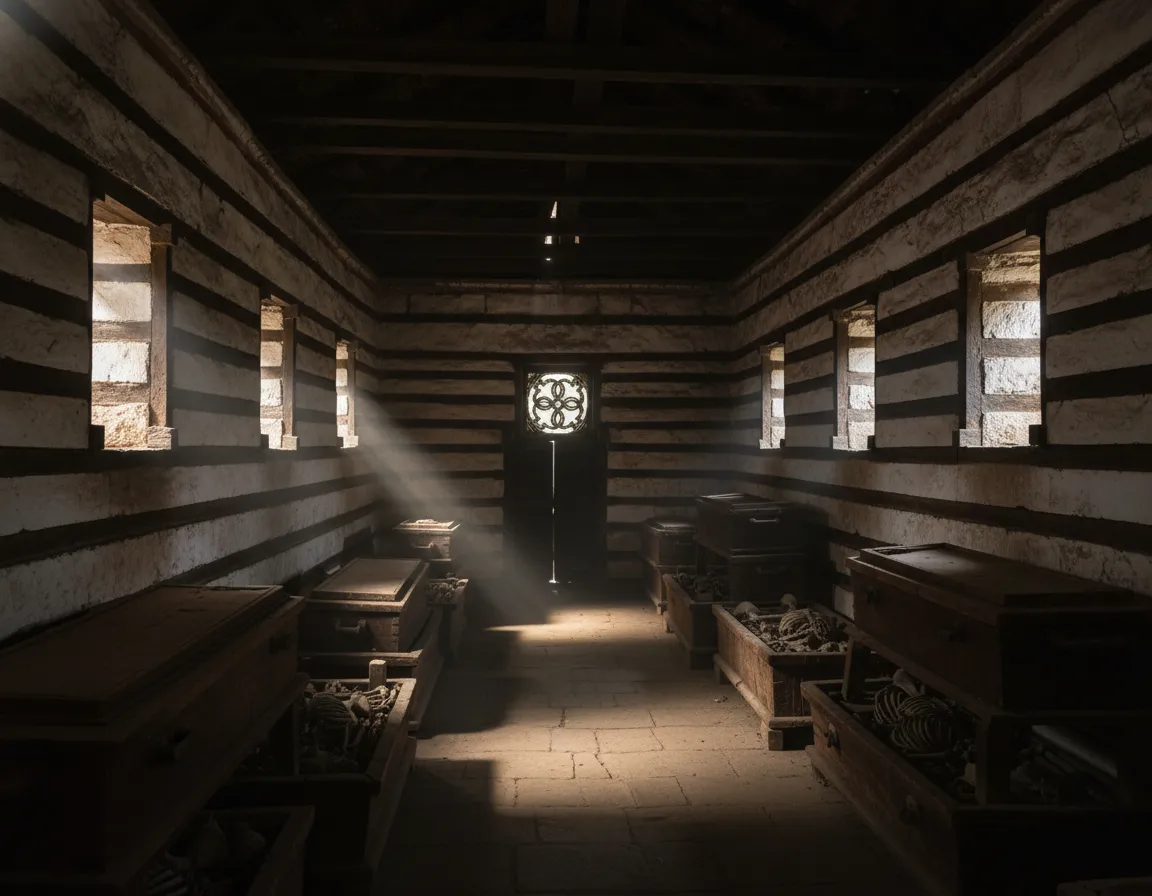
But the marvel of Yemrehanna Kristos extends beyond its engineering. This sacred site holds a profound spiritual weight, serving as a pilgrimage destination for centuries. Within its hallowed ground lie the skeletal remains of countless pilgrims, some believed to have traveled from as far as Jerusalem, seeking solace and eternal rest in this holy place. Their bones, reverently preserved, offer a tangible, humbling connection to the deep spiritual currents that have flowed through this land for nearly a millennium. It's a powerful reminder of the enduring human quest for meaning and connection to the divine.
A Journey Through Time: History and Heritage
The story of Yemrehanna Kristos is intricately woven into the fabric of Ethiopia's rich spiritual and royal history. The church bears the name of its founder, King Yemrehanna Kristos, who reigned in the 11th century. He was a member of the Zagwe Dynasty, a line of rulers who succeeded the powerful Axumite Empire and played a crucial role in shaping early Christian Ethiopia. The Zagwe period, often referred to as Ethiopia's "Dark Ages" due to the scarcity of written records, was paradoxically a time of incredible architectural and artistic flourishing, with Yemrehanna Kristos standing as a prime example.
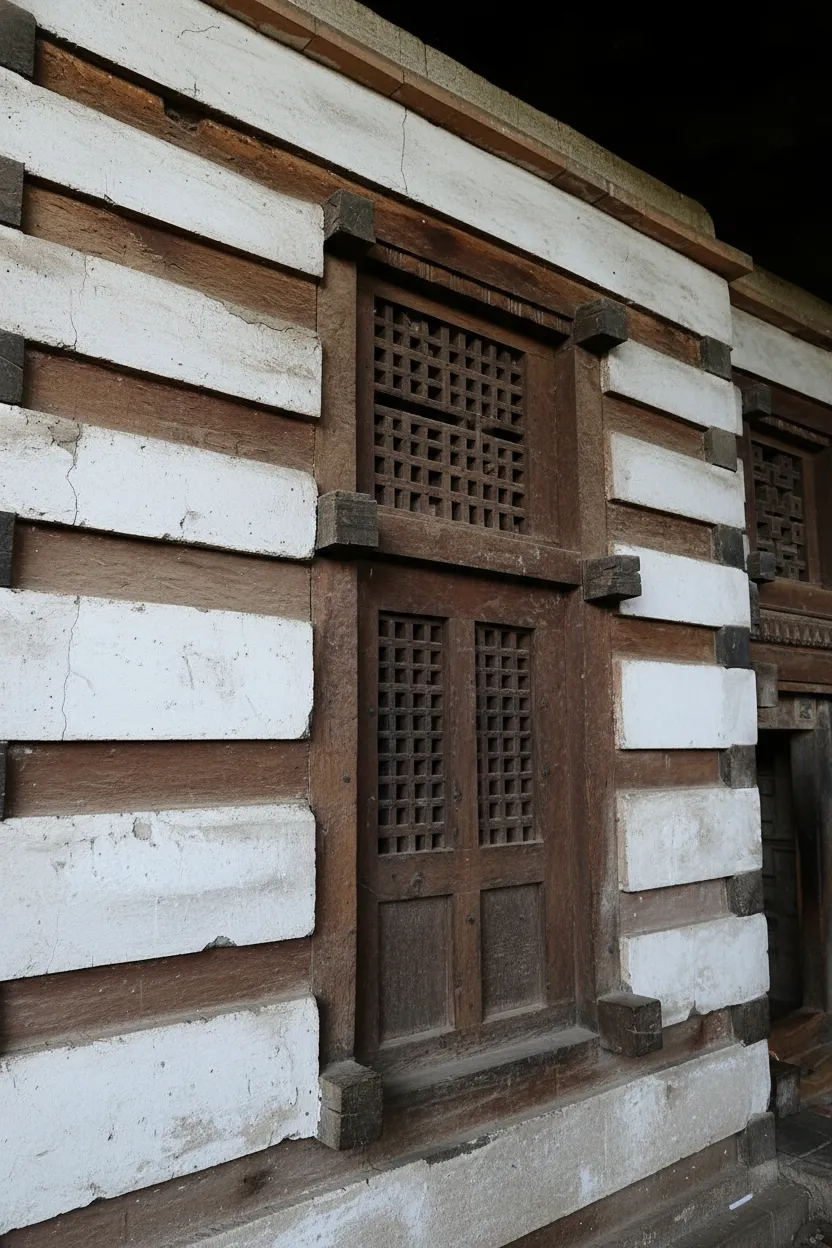
King Yemrehanna Kristos, a devout monarch, is said to have built this church as a personal sanctuary and a place of pilgrimage. His reign marked a significant era in the consolidation of Ethiopian Orthodox Tewahedo Christianity, and his legacy is etched not only in the stones of this magnificent church but also in the spiritual landscape of the region. The church’s design, with its Axumite influences visible in the timber-laced walls and unique window shapes, bridges the gap between earlier empires and the subsequent grand constructions of Lalibela.
For centuries, pilgrims undertook arduous journeys to reach this remote holy site, believing in the sanctity of the place and the blessings it offered. The church served not just as a place of worship but also as a monastic center, a repository of ancient manuscripts, and a beacon of Christian faith in a rugged, often isolated, landscape. Its continued existence, largely untouched by time and external influences, is a testament to the resilience of Ethiopian Christianity and the profound dedication of its people.
Stepping Inside a Sacred Sanctuary: What You'll Discover
As you approach the cave, the scale of the natural grotto is immediately apparent. The air grows cooler, and a profound sense of reverence descends. The church itself, built from alternating layers of timber and stone, rises majestically within the cave. Its façade is adorned with intricately carved wooden details, some still retaining traces of their original vibrant colors, hinting at the splendor of its past.
Once inside, the atmosphere is truly captivating. The interior is a treasure trove of ancient art and architecture. The walls are adorned with beautiful, albeit faded, murals depicting saints, biblical scenes, and geometric patterns. These frescoes, dating back to the church's construction, offer a rare glimpse into the artistic styles and religious iconography of 11th-century Ethiopia. The wooden ceilings, meticulously carved and assembled, create a warm, inviting canopy overhead, contrasting with the raw, dark basalt of the cave walls.
One of the most poignant and unique features of Yemrehanna Kristos is the collection of skeletal remains. In a separate chamber, thousands of bones are reverently stacked, believed to be the remains of pilgrims who journeyed here to die and be interred in this holy ground. It's a stark, powerful reminder of the church's enduring spiritual significance and the deep faith that drew people from far and wide. While it might sound macabre, the experience is deeply moving, instilling a sense of awe and connection to a lineage of believers stretching back nearly a thousand years.
Beyond the main sanctuary, you'll also find a holy spring, believed to possess healing properties, adding another layer to the spiritual importance of the site. The overall experience is one of profound tranquility and wonder, a moment suspended in time where history, faith, and nature converge in an unforgettable embrace. You'll leave with a deep appreciation for the ingenuity of its builders and the enduring power of human devotion.
Planning Your Pilgrimage: Practical Tips for Visiting
Visiting Yemrehanna Kristos is an adventure, and a little preparation will ensure a smooth and enriching experience. This hidden gem is less frequented than Lalibela, making it an even more authentic journey.
- Getting There: Yemrehanna Kristos is located approximately 40-60 kilometers northeast of Lalibela, depending on the route. The journey typically involves a scenic 2-3 hour drive over rough, unpaved roads, often requiring a sturdy 4x4 vehicle. It's highly recommended to arrange transport and a local guide from Lalibela, who can navigate the terrain and provide invaluable context to your visit.
- Best Time to Visit: The dry season, from October to March, is ideal. The roads are more accessible, and the weather is generally cooler and more pleasant for exploring. Avoid the rainy season (June to September) when roads can become impassable.
- What to Wear & Bring: Dress modestly, covering shoulders and knees, as a sign of respect for this sacred site. Comfortable walking shoes are essential, as there's a short, sometimes steep, hike from where the vehicle drops you off to the cave entrance. Bring plenty of water, sunscreen, and a hat. A headlamp or flashlight can be useful inside the darker parts of the cave, though natural light is usually sufficient in the main church.
- Respectful Conduct: Remember, this is an active place of worship. Be respectful of local customs, ask permission before taking photos of people, and maintain a quiet demeanor. You'll be asked to remove your shoes before entering the church itself.
- Accommodation: Most visitors stay in Lalibela, which offers a range of accommodation options from budget guesthouses to more upscale hotels. Day trips to Yemrehanna Kristos are easily arranged from there.
- Physical Demands: While not overly strenuous, the journey involves some bumpy roads and a short hike. Individuals with mobility issues should consult their tour operator beforehand.
A visit to Yemrehanna Kristos is more than just sightseeing; it's a profound spiritual and cultural immersion. It's an opportunity to connect with an ancient past, to witness an architectural marvel, and to experience the enduring faith of the Ethiopian people. Don't just tick off the famous sites; venture a little further, and let Yemrehanna Kristos reveal its timeless secrets to you. You won't regret it.
Essential Travel Information
- Location Yemrehanna Kristos Church, Ethiopia
- Best Time October to March (dry season, cooler temperatures)
- Getting There Typically involves a scenic drive from Lalibela (approx. 2-3 hours) via 4x4, followed by a short hike. Best arranged with a local guide and vehicle.
- Airport Lalibela Airport (LLI)
- Budget Mid-range (approx. $100-$200 USD/day including transport, guide, accommodation, and food)
- Language Amharic (English spoken in tourist areas)
Find Places to Stay Near Yemrehanna Kristos Church
Compare hotels, hostels, and unique stays in Ethiopia.
Search AccommodationTours & Experiences Near Yemrehanna Kristos Church
Book guided tours, day trips, and unique experiences.
Browse Tours