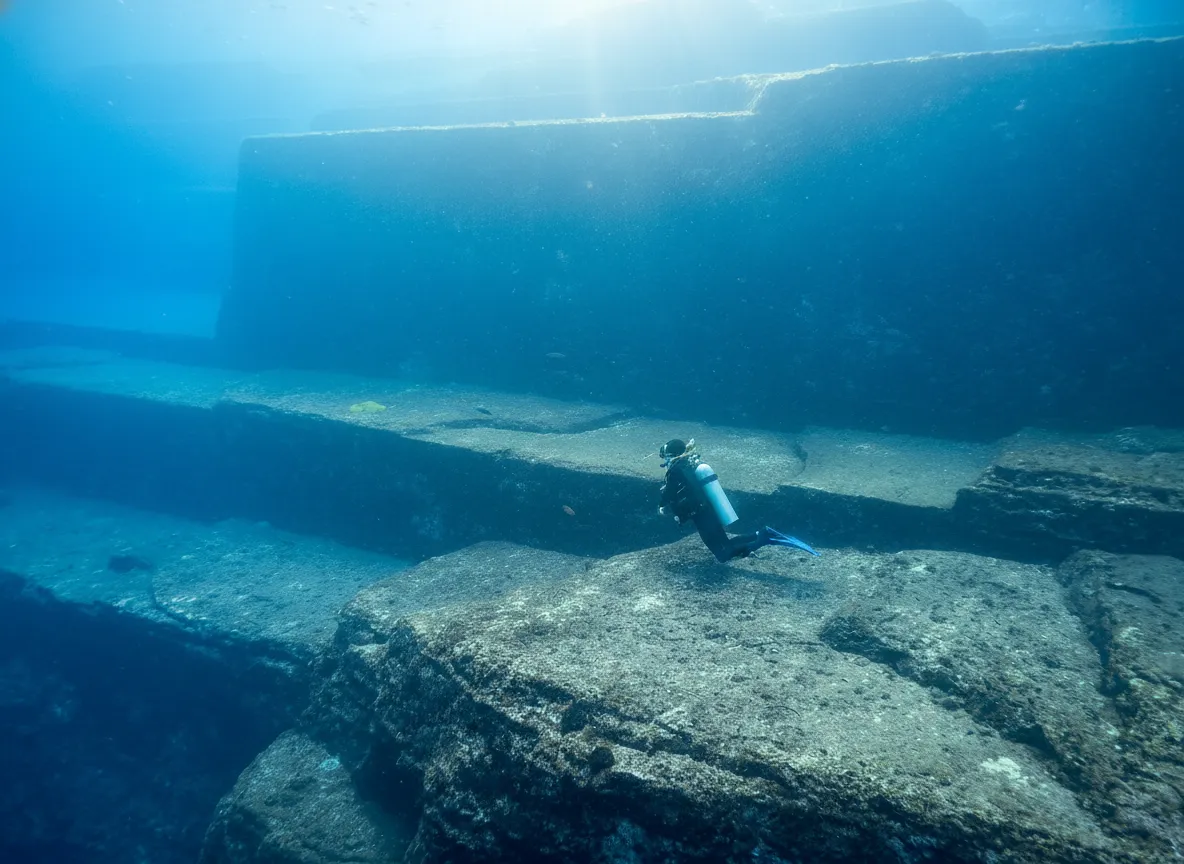
Imagine descending into the vibrant blue depths, the sunlight dappling through the water above, revealing a sight that sends shivers down your spine. Beneath the turquoise waters off Japan's westernmost island, Yonaguni, lies a monumental underwater structure, complete with terraces, steps, and right angles, baffling scientists and adventurers alike. Is it a lost city, a relic of a vanished civilization that predates our known history, or nature's most perfect, mind-bending illusion? This is the enigma of the Yonaguni Monument, often dubbed "Japan's Atlantis," and it’s waiting to ignite your imagination.
For decades, this vast submerged rock formation has been a focal point of intense debate. Its incredible geometric precision uncannily resembles ancient architecture, featuring what appear to be carved steps, perfectly straight walls, and even a 'pyramid.' While many geologists argue it's a naturally formed wonder shaped by seismic activity and erosion, its uncanny perfection sparks endless debate about a vanished civilization that challenges everything we thought we knew about human history. Ready to dive into one of the world's most compelling mysteries?
What is the Yonaguni Monument?
The Yonaguni Monument, or 'Yonaguni Jima Kaitei Chikei' as it's known locally, is an immense sandstone and mudstone formation resting on the seabed off the coast of Yonaguni Island, part of Japan's Okinawa Prefecture. Discovered by a local diver in 1986, it quickly captured global attention. What makes it so utterly captivating is its striking resemblance to ancient man-made structures. We're not talking about a few odd rocks; we're talking about colossal formations that stretch for hundreds of meters, featuring flat terraces, sharp corners, massive steps, and what looks like carved pathways and even a large, pyramid-like structure.
For many, the sheer scale and apparent design are too precise to be purely coincidental. Imagine a giant, submerged amphitheater, complete with stages, walls, and roads, all carved out of solid rock. The deepest parts of the monument lie around 25-30 meters below the surface, making it accessible to experienced scuba divers. It's a place where the line between natural wonder and ancient architecture blurs, inviting you to ponder the possibilities of a pre-Ice Age civilization with advanced engineering capabilities.
Japan's Atlantis: A Debate of Epic Proportions
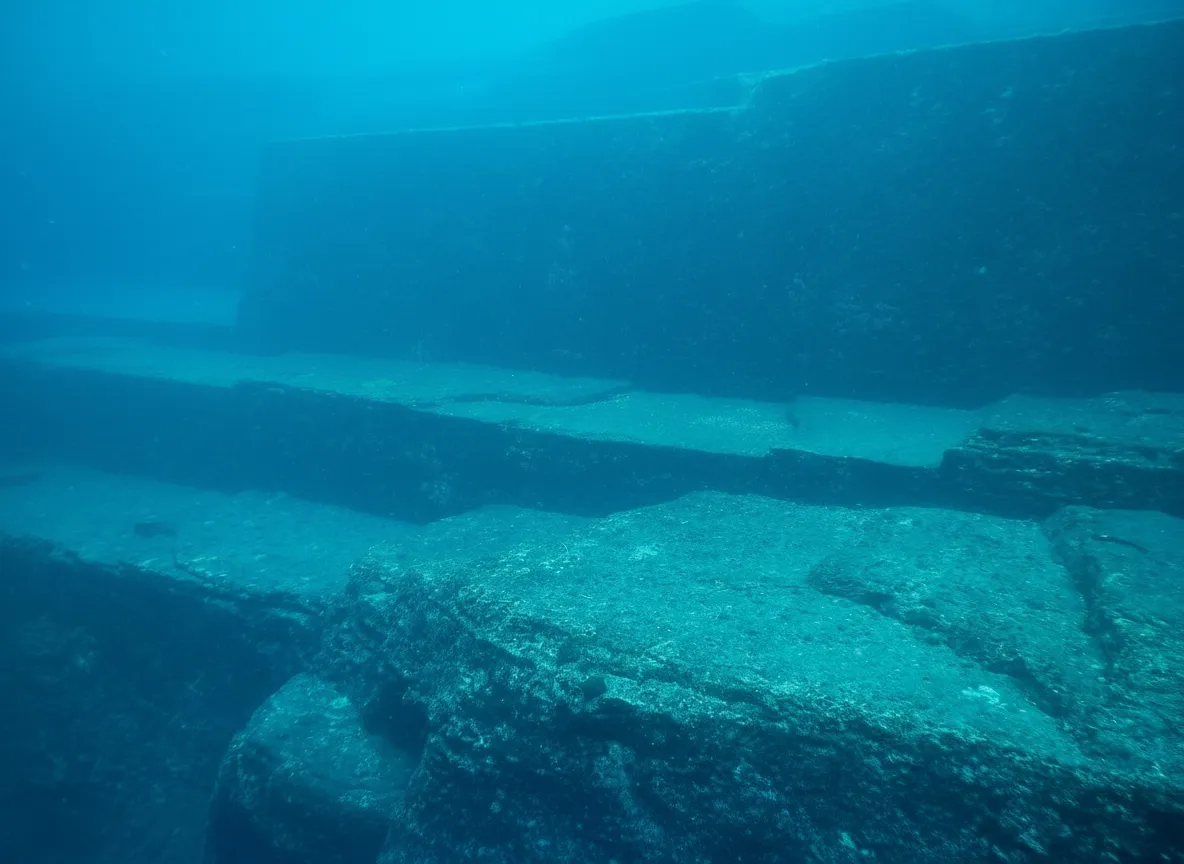
The debate surrounding the Yonaguni Monument is as deep and intriguing as the structure itself. On one side are marine archaeologists and cultural historians, most notably Dr. Masaaki Kimura, a professor from the University of the Ryukyus. Dr. Kimura has spent decades studying the site and firmly believes it is a man-made structure, the remnants of a city potentially submerged by a massive earthquake or tsunami thousands of years ago. He points to features like perfectly straight lines, right-angled corners, parallel formations, carved staircases, and what he interprets as roads, drainage systems, and even rock carvings resembling animals or human faces. For him, the evidence suggests a monumental feat of engineering by an ancient civilization, possibly predating the last Ice Age, when sea levels were significantly lower.
On the other side are many geologists, including Professor Robert Schoch of Boston University, who argue that the Yonaguni Monument is a natural geological formation. They attribute its seemingly architectural features to natural processes like erosion, seismic activity, and the inherent fracturing patterns (jointing) of the sandstone bedrock. They contend that the geometric shapes are a result of natural forces acting on the rock over millennia, exacerbated by tectonic movements that caused the land to subside. While acknowledging the striking appearance, they argue that similar, albeit less dramatic, formations can be found elsewhere in the world. The absence of clear tools or definitive archaeological artifacts also fuels their skepticism.
Regardless of which side you lean towards, the sheer fact that such a compelling debate exists is what makes the Yonaguni Monument so utterly fascinating. It challenges our understanding of history, geology, and the capabilities of ancient societies. It's a place where science meets myth, and imagination runs wild.
What Awaits You Beneath the Waves
For the adventurous diver, encountering the Yonaguni Monument is an experience unlike any other. The waters around Yonaguni Island are known for their strong currents, making this a dive for experienced and confident individuals. But the reward for navigating these conditions is immense. As you descend, the sheer scale of the monument begins to reveal itself. You'll glide past colossal flat platforms, some stretching for hundreds of feet, giving the impression of vast courtyards or plazas.
Divers often describe seeing what appear to be meticulously carved steps leading up to expansive terraces, evoking images of ancient temples or ceremonial sites. The 'main terrace' is a highlight, a massive flat area that drops off dramatically on one side, creating an awe-inspiring wall. You might spot the 'stadium' – a semicircular depression – or the 'guardians' – two large, upright rock formations that seem to stand sentinel. The incredible clarity of the Pacific waters on a good day allows for breathtaking visibility, letting you truly appreciate the intricate details and immense scale of this underwater enigma.
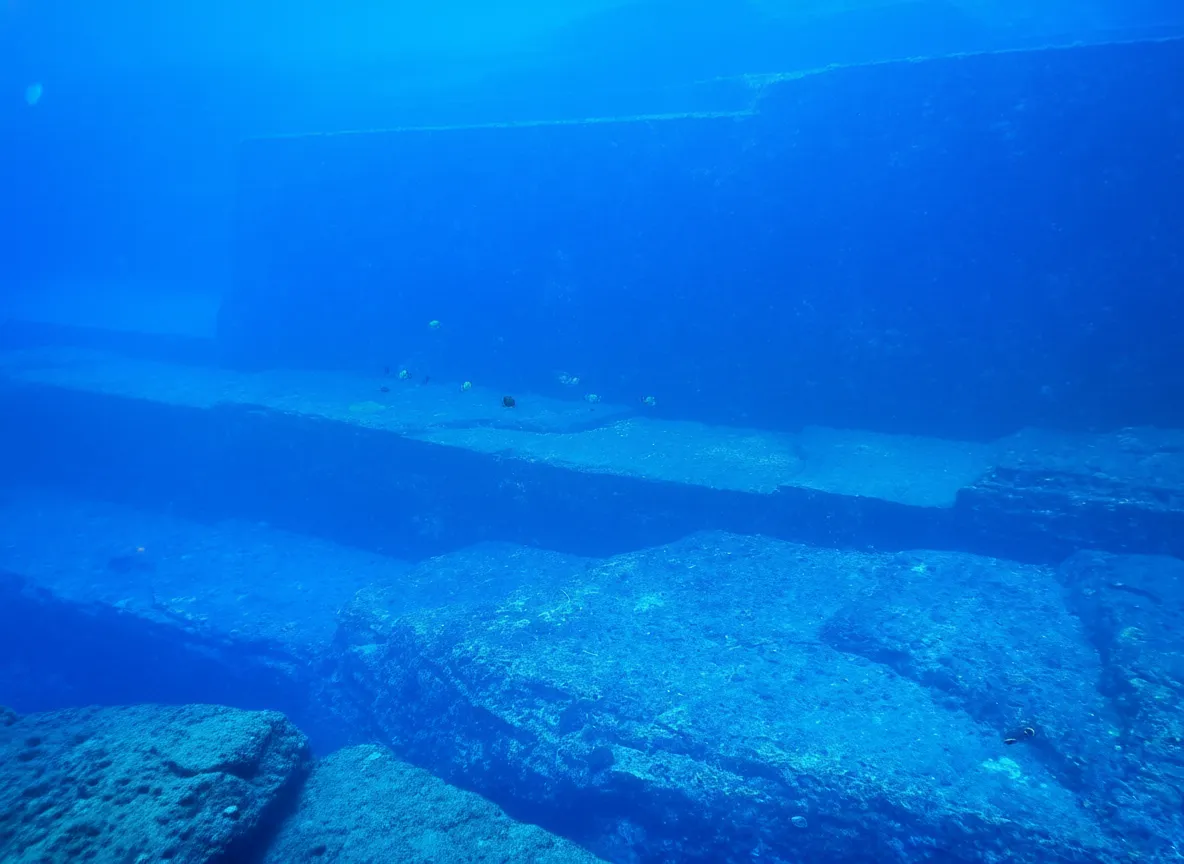
It's not just the monument itself; the marine life here is also spectacular. You'll share the waters with vibrant coral, schools of tropical fish, and if you're lucky, perhaps even hammerhead sharks during the winter months. But make no mistake, the star of the show is the silent, submerged structure, inviting you to touch its ancient stone and ponder its origins. It's a journey into a world where history is still being written, or perhaps, rewritten.
Planning Your Expedition to Japan's Hidden Wonder
Visiting the Yonaguni Monument requires a bit of planning, but the effort is well worth it for such a unique adventure. First and foremost, you'll need to get to Yonaguni Island. The most common route is to fly from Naha (Okinawa's capital) or Ishigaki Island to Yonaguni Airport (OGN). Flights are limited, so book well in advance.
Once on the island, your primary goal will likely be diving. There are several reputable dive shops on Yonaguni that specialize in trips to the monument. It's crucial to choose an operator with experienced guides who are familiar with the local currents and the monument's layout. Remember, this is an advanced dive, so ensure your diving certification and experience level are appropriate. Briefings will cover safety procedures, current conditions, and what features of the monument you'll explore.
Accommodation on Yonaguni is limited to guesthouses and small hotels, offering a charmingly rustic and authentic Japanese island experience. Book your stay along with your flights and dive trips, especially during peak seasons. While the monument is the main draw, don't miss the opportunity to explore Yonaguni Island itself. It's Japan's westernmost point, offering stunning sunsets, wild horses roaming freely, rugged coastline, and a laid-back atmosphere that feels a world away from mainland Japan.
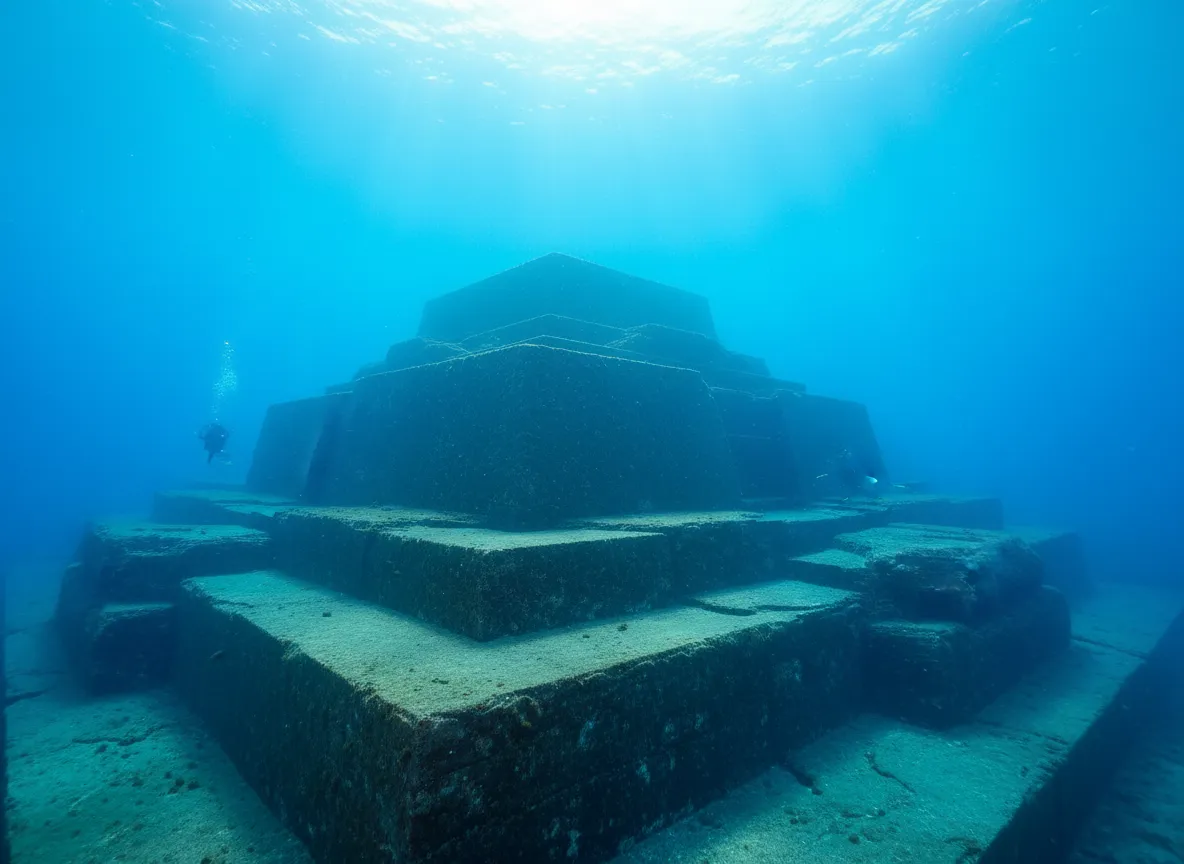
Whether you believe the Yonaguni Monument is a natural marvel or the remnants of a forgotten civilization, its power to inspire awe and curiosity is undeniable. It's a destination that challenges perceptions, sparks debate, and offers an unparalleled adventure into the depths of history and mystery. So, pack your bags, prepare your diving gear, and get ready to explore Japan's very own Atlantis – a journey that promises to be nothing short of extraordinary.
Essential Travel Information
- Location Yonaguni Monument, Japan
- Best Time Winter (December-March) for hammerhead sharks; Summer (July-September) for calmer seas and better visibility, though currents are always a factor.
- Getting There Fly from Naha (Okinawa) or Ishigaki to Yonaguni Airport (OGN). From the airport, taxis or pre-arranged transport to accommodations/dive shops.
- Airport Yonaguni Airport (OGN)
- Budget Mid-range (approx. $150-250 USD per day including diving, accommodation, and food)
- Language Japanese
Find Places to Stay Near Yonaguni Monument
Compare hotels, hostels, and unique stays in Japan.
Search AccommodationTours & Experiences Near Yonaguni Monument
Book guided tours, day trips, and unique experiences.
Browse Tours