The Unparalleled Beauty of Yuanyang: A Living Masterpiece
What sets Yuanyang apart from other terraced landscapes around the world? It’s the sheer scale, the intricate artistry, and the profound harmony between humanity and nature that has evolved over more than a millennium. These aren't just fields; they are a colossal, breathing sculpture, meticulously carved by hand and sustained by an ingenious irrigation system that has defied the ravages of time. As you stand on a viewpoint overlooking the vast expanse, the world stretches out below you in a mesmerizing mosaic of reflective pools, vibrant green shoots, or golden harvests, depending on the season.
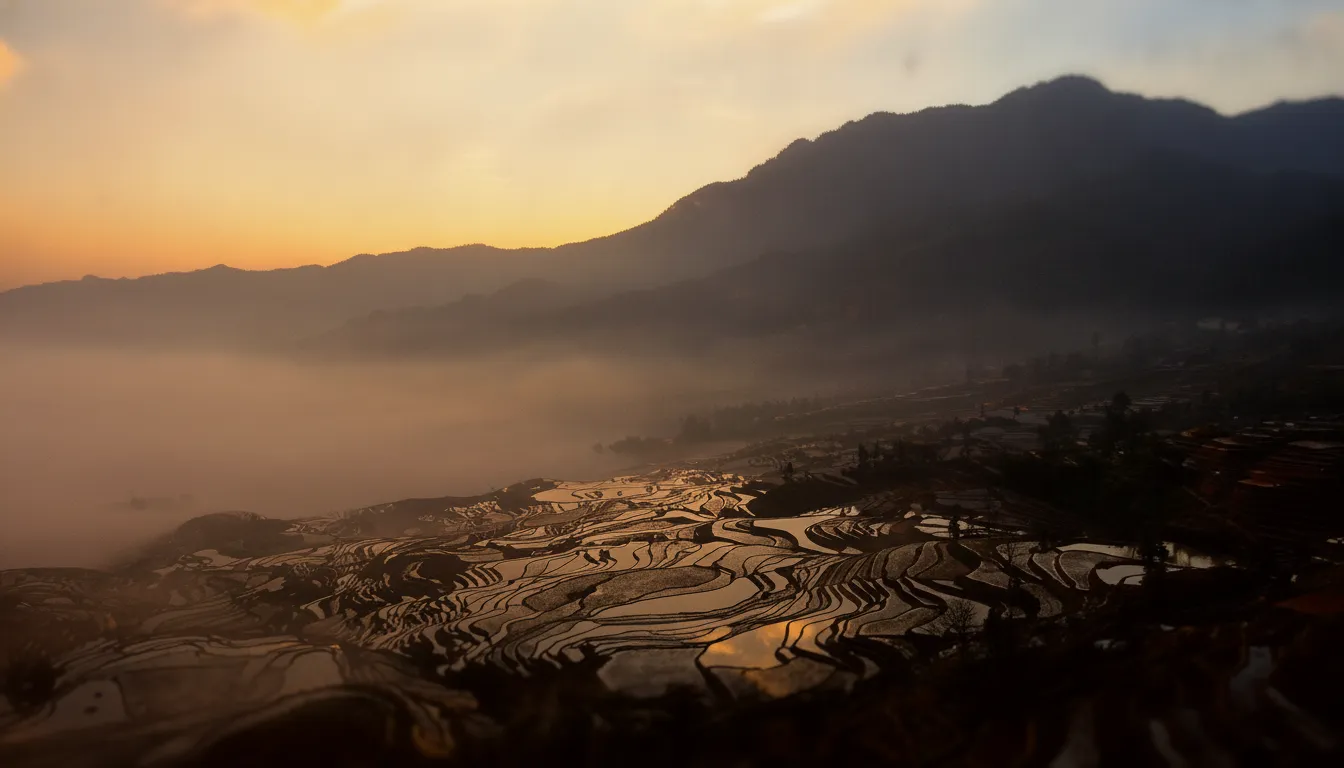
During the winter and early spring, after the rice harvest, the terraces are flooded with water, transforming them into a colossal mirror. The morning mist often clings to the valleys, slowly revealing layers of shimmering silver and blue that reflect the sky with startling clarity. Sunrises and sunsets here are legendary, painting the water-filled terraces in fiery oranges, soft purples, and deep crimson hues that shift and change with every passing minute. It’s a spectacle so grand, so ethereal, that it’s almost impossible to capture its true essence in photographs alone; you simply have to be there.
Beyond the visual drama, Yuanyang is special because it represents a living heritage. This isn't a museum or a relic of the past; it's a dynamic, working landscape where Hani families continue their ancestral farming practices, living in harmony with the land they have shaped. It's a testament to human resilience, ingenuity, and a deep respect for the environment, making it not just a beautiful sight, but a powerful story etched into the very earth.
A Legacy Carved in Stone and Water: 1,300 Years of Hani Ingenuity
To truly appreciate the Yuanyang Hani Rice Terraces, one must delve into their incredible history. For over 1,300 years, the Hani people, an ethnic minority group in China, have meticulously sculpted these terraces into the steep slopes of the Ailao Mountains. What began as a necessity to cultivate rice in a mountainous region evolved into an unparalleled feat of hydraulic engineering and sustainable agriculture. Imagine generations upon generations, using only simple tools and profound knowledge passed down through oral tradition, slowly transforming entire mountainsides into productive farmland.
The genius lies not just in the terracing itself, but in the sophisticated irrigation system that sustains it. The Hani people developed an intricate network of channels and aqueducts that capture water from the mountain forests at higher elevations and distribute it evenly across thousands of terraces, from the very top to the lowest fields. This system is a marvel of ecological harmony: the forests act as a natural sponge, regulating water flow, while the terraces prevent soil erosion, creating a self-sustaining ecosystem that has fed communities for centuries without depleting natural resources. It’s a perfect example of human adaptation and environmental stewardship.
In 2013, the Cultural Landscape of Honghe Hani Rice Terraces (of which Yuanyang is the most prominent part) was inscribed as a UNESCO World Heritage site, recognizing its outstanding universal value. This designation not only celebrates the breathtaking beauty and the remarkable engineering but also acknowledges the profound cultural significance of the Hani people's ancestral practices and their enduring spiritual connection to this extraordinary landscape. It’s a living testament to their wisdom and perseverance.
What You'll See and Experience: A Journey Through Living Art
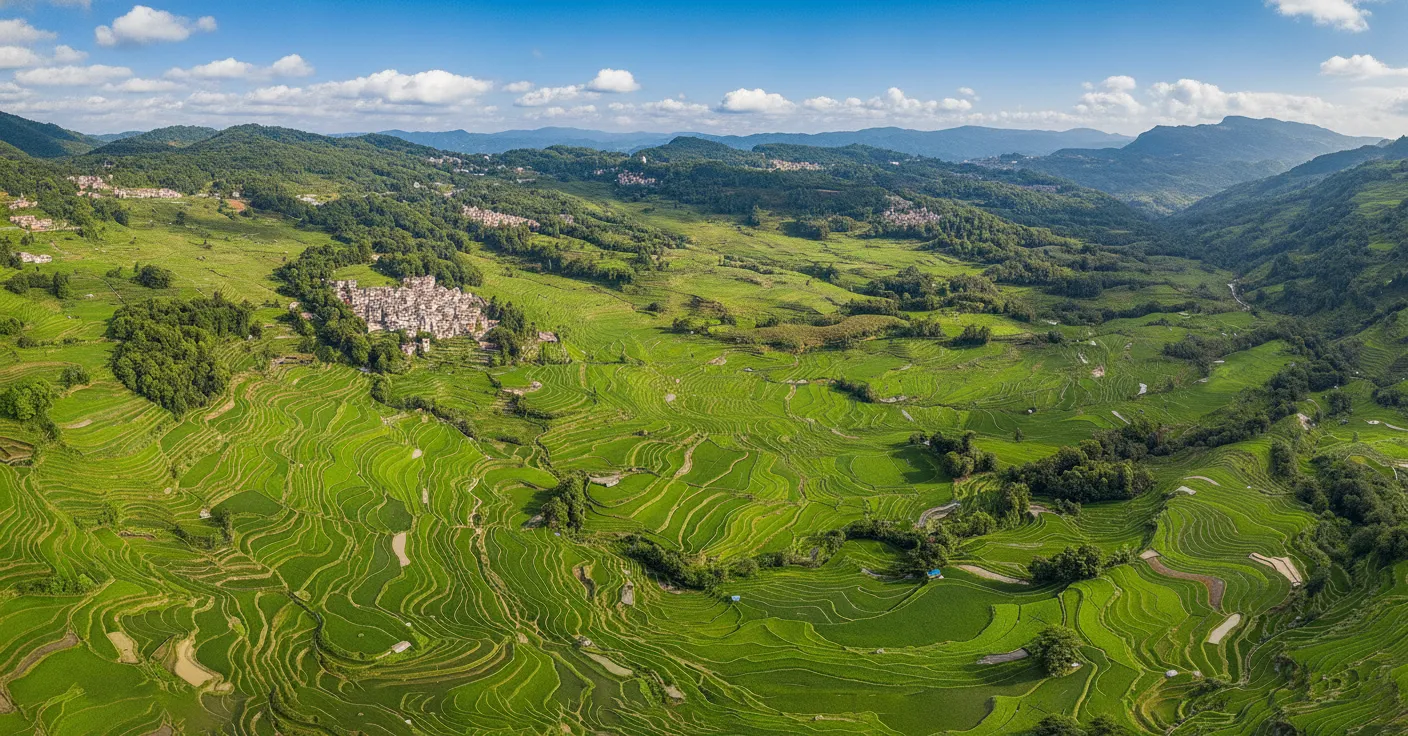
Visiting Yuanyang isn't just about seeing a beautiful landscape; it's about immersing yourself in a living, breathing work of art that constantly changes. The key to a truly magical experience lies in witnessing the terraces at different times of day and from various viewpoints, each offering a unique perspective on this grand masterpiece.
The most iconic viewpoints are **Duoyishu**, **Bada**, and **Laohuzui (Tiger Mouth)**, each famous for its distinct character. Duoyishu is renowned for its spectacular sunrises, where the first rays of light ignite the terraces in a fiery glow, often accompanied by swirling mists that create an ethereal atmosphere. Bada offers a vast, sprawling panorama, perfect for appreciating the sheer scale and complexity of the terracing, especially in the late afternoon light. And Laohuzui, or Tiger Mouth, lives up to its name with a dramatic, rugged vista, often considered the best spot for sunset, as the terraces curve and dip like the jaws of a mythical beast, reflecting the fading light in a kaleidoscope of colors.
Beyond these famous spots, take the time to wander through the Hani villages nestled among the terraces. You’ll encounter traditional mushroom-shaped houses, observe daily life unfolding – farmers tending their fields, women weaving textiles, children playing. It's an opportunity to connect with the warm and welcoming Hani people, perhaps sharing a simple meal or learning about their customs. The scent of woodsmoke, the sounds of village life, and the vast, silent beauty of the terraces combine to create an unforgettable sensory experience.
Don't rush your visit. Allow yourself to simply sit, observe, and let the tranquility of the terraces wash over you. The ever-changing light, the shifting clouds, and the seasonal transformations mean that no two moments in Yuanyang are ever truly the same. Every glance reveals a new detail, a different reflection, a fresh perspective on this incredible landscape.
Practical Tips for Your Yuanyang Adventure
Ready to embark on your journey to this extraordinary corner of China? Here’s what you need to know to make your visit to the Yuanyang Hani Rice Terraces as smooth and memorable as possible:
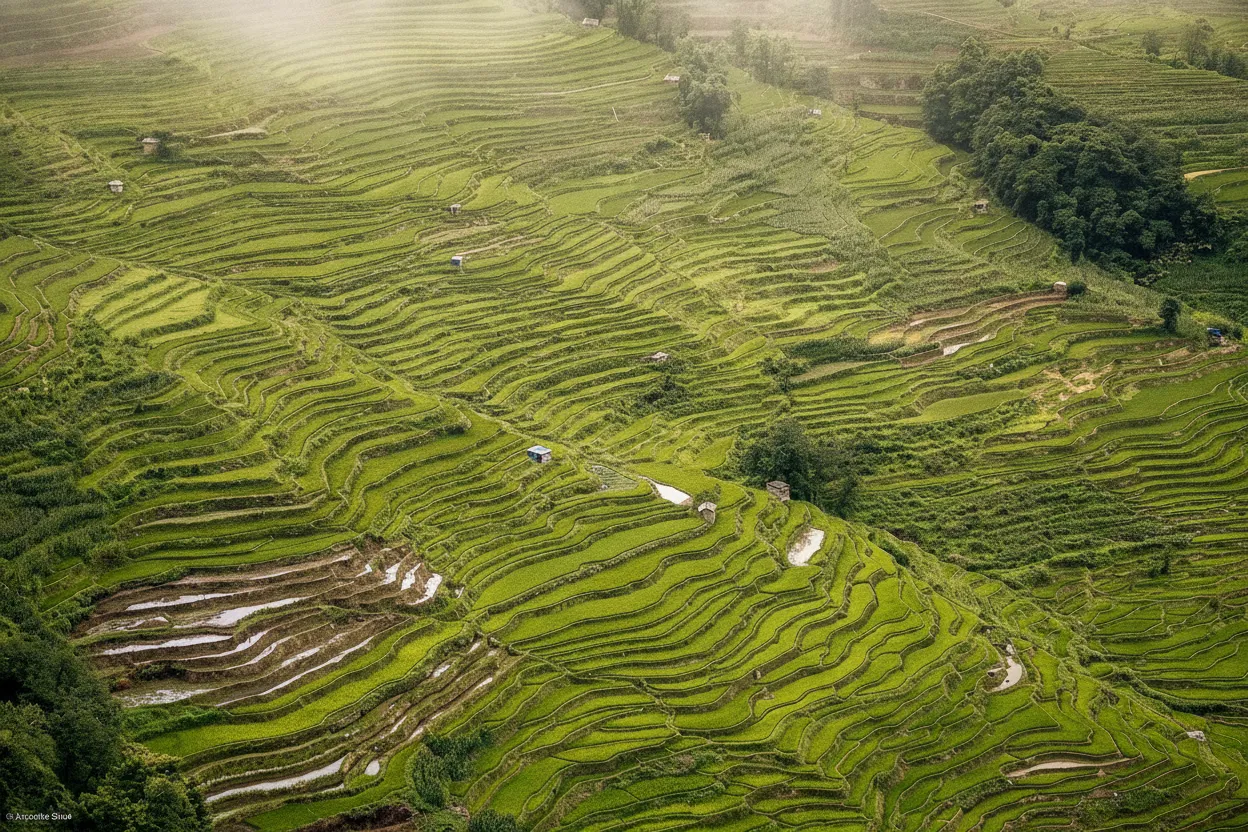
When to Visit: The absolute best time to witness the iconic reflective terraces is from **December to March**. During these winter months, the terraces are flooded after the harvest, creating those stunning mirror-like surfaces that reflect the sky and clouds. January and February are often considered peak season. From April to September, the terraces are vibrant green with growing rice, and in October/November, they turn golden during harvest – still beautiful, but different from the reflective season.
How to Get There: Your journey will likely begin in **Kunming**, the capital of Yunnan Province. From Kunming, you can take a long-distance bus (around 6-8 hours) to **Yuanyang Xinjie** (the main town serving the terraces). Alternatively, you can hire a private car or join a tour for a more comfortable and direct journey. Once in Xinjie, local minivans, taxis, or hired drivers can take you to the various viewpoints and villages, as the sites are spread out.
Accommodation: You’ll find a range of guesthouses and small hotels in and around Yuanyang Xinjie and scattered near the main viewpoints like Duoyishu. Booking in advance, especially during peak season, is highly recommended. Many guesthouses offer basic but comfortable rooms, often with stunning views.
Getting Around: The terraces are vast, and the viewpoints are quite far apart. The most flexible option is to hire a local driver for a day or two. This allows you to visit multiple spots, including lesser-known villages, at your own pace. Shared minivans also connect the main areas.
What to Bring: Pack layers of clothing, as temperatures can vary significantly between day and night, especially in winter. A good quality camera with extra batteries is a must for capturing the incredible landscapes. Comfortable walking shoes are essential for exploring villages and viewpoints. Don't forget sunscreen, a hat, and a reusable water bottle.
Respectful Travel: Remember that you are visiting living communities. Be mindful of local customs, ask permission before taking photos of people, and support local businesses. Learning a few basic Mandarin phrases will go a long way.
Local Cuisine: Don't leave without trying some authentic Hani dishes! Expect fresh, seasonal ingredients, often featuring rice, local vegetables, and various meats. The food is typically flavorful and wholesome, a true taste of the region.
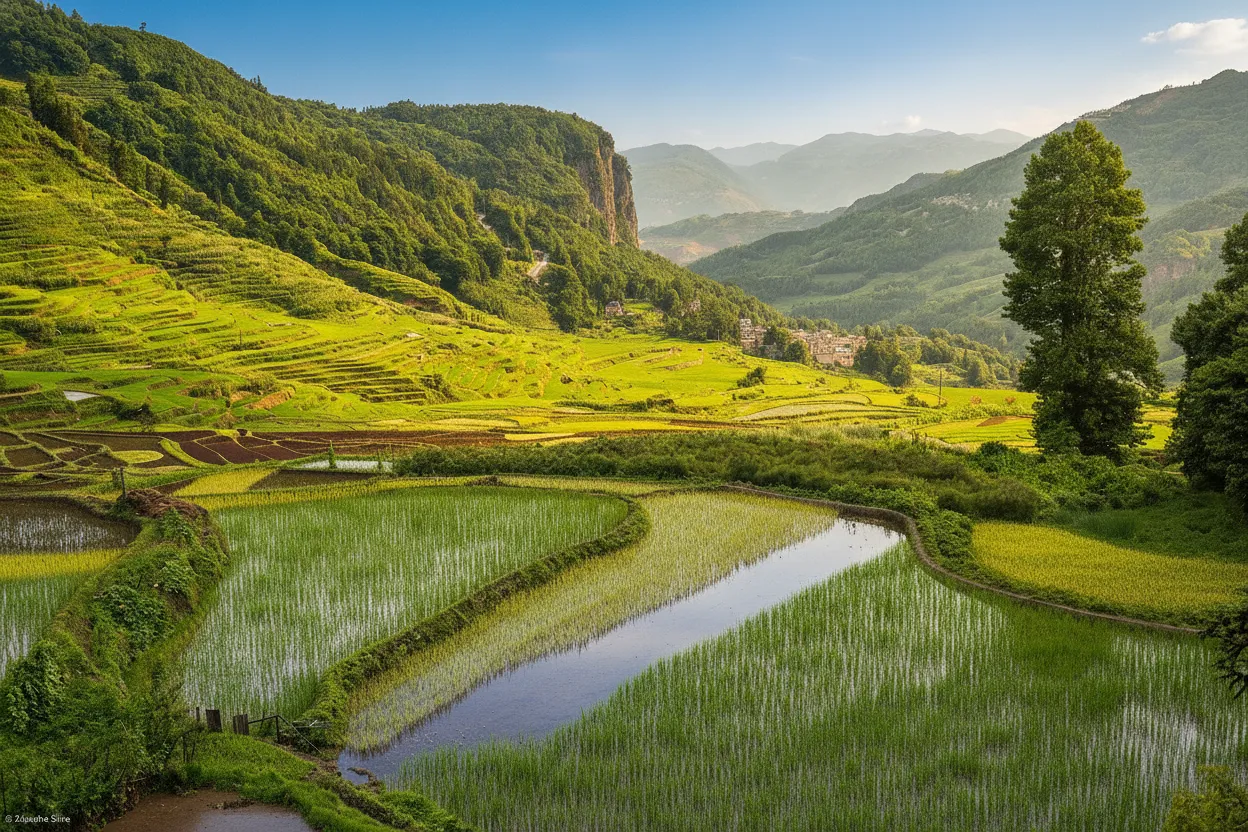
The Yuanyang Hani Rice Terraces are more than just a destination; they are an experience that touches the soul. They stand as a powerful testament to human creativity, perseverance, and a profound connection to the natural world. From the shimmering reflections of sunrise to the quiet dignity of a Hani village, every moment spent here is a reminder of the extraordinary beauty that can be forged when humanity works in harmony with nature. So, if you’re seeking a journey that will inspire, educate, and leave you utterly breathless, pack your bags and set your sights on this incredible, hidden masterpiece in the heart of Yunnan. Yuanyang awaits, ready to reveal its ancient secrets and unparalleled beauty.
Essential Travel Information
- Location Yuanyang Hani Rice Terraces, China
- Best Time December to March (for flooded, reflective terraces); April to September (green terraces); October/November (golden harvest)
- Getting There Fly to Kunming Changshui International Airport (KMG), then take a 6-8 hour bus or private car to Yuanyang Xinjie. Local transport or hired drivers are needed to reach viewpoints.
- Airport Kunming Changshui International Airport (KMG)
- Budget Mid-range (approx. $50-$100 USD per day, excluding international flights, including accommodation, food, and local transport)
- Language Mandarin Chinese, Hani (local dialect)
Find Places to Stay Near Yuanyang Hani Rice Terraces
Compare hotels, hostels, and unique stays in China.
Search AccommodationTours & Experiences Near Yuanyang Hani Rice Terraces
Book guided tours, day trips, and unique experiences.
Browse Tours