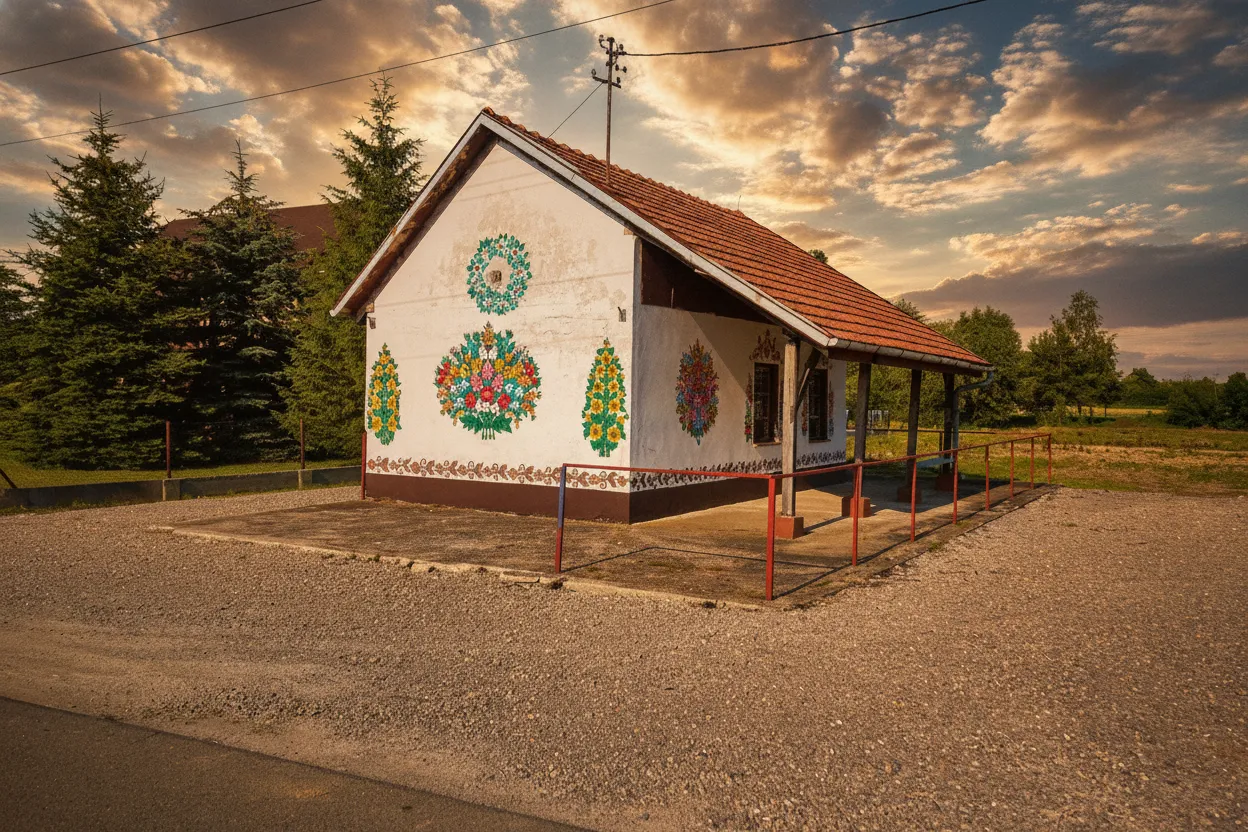
Imagine an entire village where every house, barn, well, and even dog kennel bursts with an explosion of vibrant, hand-painted floral designs, transforming a rural landscape into a living work of art. Tucked away in the picturesque Lesser Poland Voivodeship, just a stone's throw from the bustling city of Krakow, lies Zalipie – Poland’s famed Painted Village. This isn't just a collection of pretty houses; it's a living, breathing testament to a century-old tradition, a community's unwavering commitment to beauty, and an artistic expression so unique it feels plucked from a fairy tale. If you're searching for a destination that promises wonder, charm, and a splash of unexpected color, then pack your bags and prepare to be utterly enchanted by Zalipie.
What Makes Zalipie So Special? A Canvas of Dreams
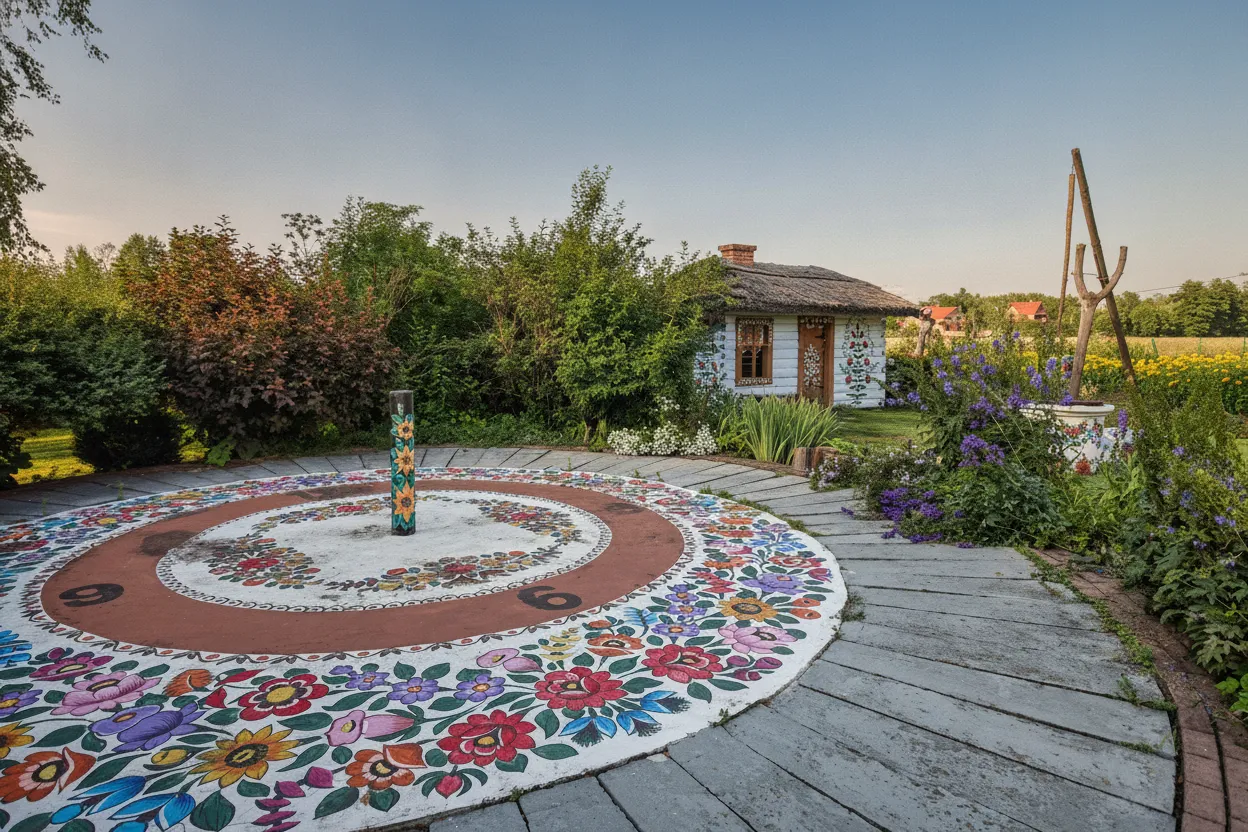
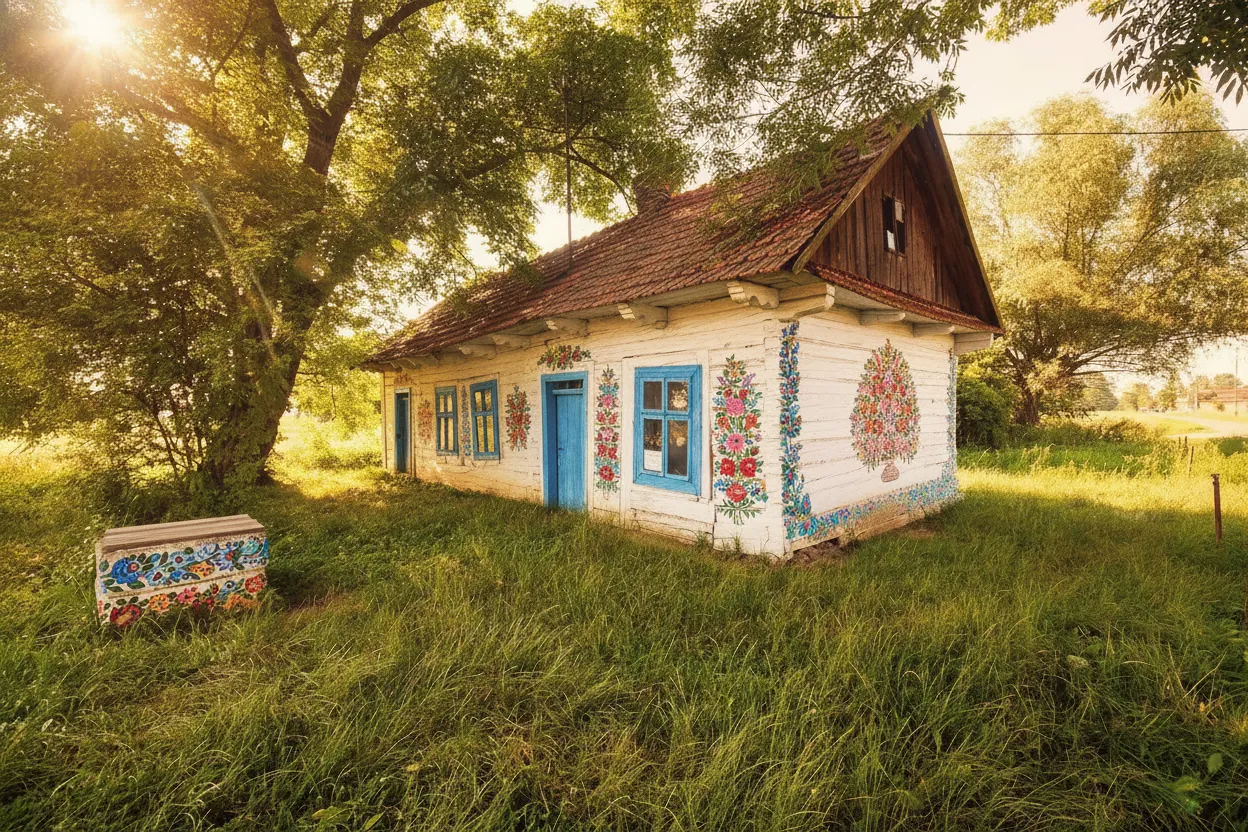
From the moment you arrive, Zalipie doesn't just greet you; it embraces you with a riot of color. Unlike anything you've ever seen, nearly every structure in this quaint Polish village is adorned with intricate, hand-painted floral motifs. Think vibrant roses, delicate poppies, and whimsical daisies spilling across whitewashed walls, weaving up window frames, and blossoming on fences, gates, and even humble dog houses. It’s an open-air gallery, meticulously maintained and constantly evolving, where the art isn't confined to canvases but breathes life into every corner of daily existence.
What truly sets Zalipie apart is the sheer scale and consistency of this artistic endeavor. It's not just a few houses; it's an entire community dedicated to this unique form of expression. The tradition has been passed down through generations, with residents taking immense pride in their homes and contributing to the village's collective masterpiece. This isn't tourism-driven art; it’s a deeply ingrained cultural practice that began organically and has blossomed into a cherished identity. Walking through Zalipie feels like stepping into a dream, a place where imagination has taken root and flourished, creating a landscape that is both profoundly beautiful and wonderfully whimsical.
A Brush with History: The Roots of Zalipie's Living Art
The origins of Zalipie's enchanting artistry are surprisingly humble and practical. Over a century ago, in the late 19th century, rural Polish homes were heated by traditional stoves that often lacked proper chimneys. This meant that the interiors, particularly the walls and ceilings, would quickly become stained with soot. To combat this unsightly grime, the women of Zalipie began to paint over the dark spots with simple white lime wash. But mere cleanliness wasn't enough for their creative spirits.
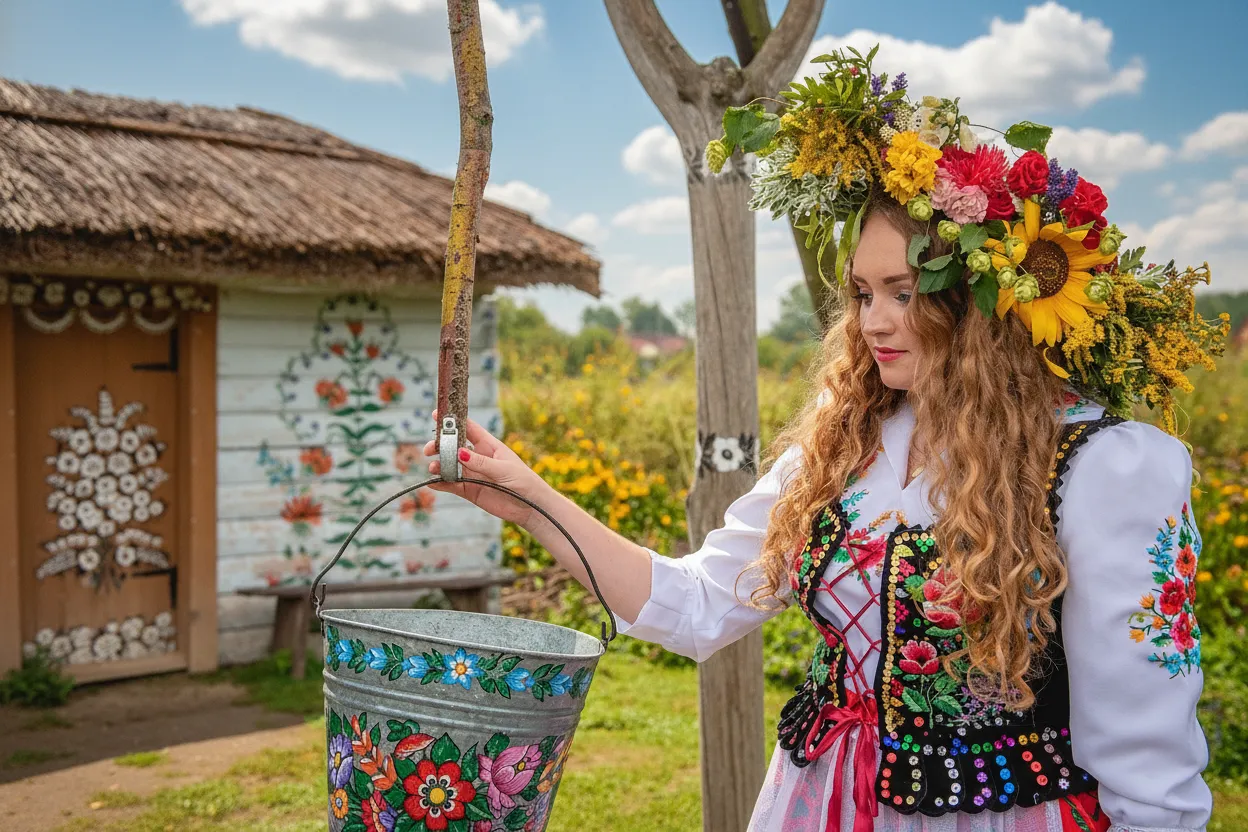
Soon, these practical whitewashing efforts evolved into something far more artistic. Using brushes made from horsehair and natural pigments, they started adding small, decorative floral patterns around the areas most prone to soot stains, like the openings of the stoves or around windows. This initial spark of creativity quickly caught on, transforming a necessity into a delightful tradition. As the years passed and chimney technology improved, the need to cover soot diminished, but the love for painting flourished. The patterns became more elaborate, the colors more vibrant, and the canvases expanded from interior walls to exterior facades, barns, wells, and even beehives.
A pivotal figure in Zalipie's artistic legacy was Felicja Curyłowa (1904–1974), a talented local artist whose home is now preserved as a museum. She was instrumental in popularizing and refining the art form, inspiring countless others and ensuring the tradition's continuation. Her dedication, alongside the community's collective spirit, cemented Zalipie's reputation as the "Painted Village." Every year, after the Feast of Corpus Christi, the village holds the "Malowana Chata" (Painted Cottage) competition, where residents refresh their designs, ensuring the village remains a vibrant, ever-evolving gallery. This annual event not only maintains the tradition but also fosters a healthy artistic rivalry and community pride.
Wandering Through a Dream: What You'll See and Do in Zalipie
Visiting Zalipie is less about ticking off famous landmarks and more about immersing yourself in an atmosphere of pure, unadulterated charm. It's a place to slow down, breathe in the fresh country air, and let your eyes feast on an explosion of color. While the entire village is a sight to behold, there are a few key spots that offer deeper insight into this unique tradition:
Felicja Curyłowa's House (Zagroda Felicji Curyłowej): This is arguably the heart of Zalipie's artistic heritage. Preserved exactly as it was when the renowned painter lived there, this ethnographic museum offers a fascinating glimpse into a traditional Polish rural home, meticulously decorated with Felicja's signature floral designs, both inside and out. It’s a truly immersive experience that showcases the depth and artistry of her work.
The House of the Women's Rural Circle (Dom Malarek): This community center serves as a hub for local artists, where you can often see women painting or purchase handmade souvenirs. It’s a great place to learn more about the techniques and motifs used in Zalipie's art.
The Local Church and Fire Station: Even public buildings in Zalipie don't escape the artistic touch! The local church, though more subtly decorated, features lovely painted elements, and the village fire station is a particularly vibrant example of the tradition applied to an unexpected structure.
Wandering and Exploring: The best way to experience Zalipie is simply to wander. Rent a bicycle or stroll along its quiet lanes, discovering new painted treasures around every bend. You'll find painted wells, bridges, benches, and even chicken coops. Each home tells its own story through its unique patterns and color schemes, reflecting the individual artistry of its residents.
Don't be shy to greet the locals; while not all speak English, their warmth and pride in their village are palpable. Remember, these are private homes, so always be respectful and ask permission before taking close-up photos of people or their properties. The joy of Zalipie is in its authenticity and the genuine passion of its inhabitants.
Planning Your Artistic Escape: Practical Tips for Visiting Zalipie
Zalipie is a true hidden gem, which means it requires a little planning to reach, but the reward is more than worth the effort. Think of it as an adventure to an off-the-beaten-path wonderland.
Getting There: Zalipie is located in the Lesser Poland Voivodeship, approximately 90-100 kilometers (about 60 miles) east of Krakow. The easiest and most recommended way to get there is by car rental, allowing you the freedom to explore at your own pace. The drive itself is scenic, taking about 1.5 to 2 hours. Alternatively, you can book an organized day tour from Krakow, which often combines Zalipie with other regional attractions. Public transport is possible but involves multiple bus connections and can be time-consuming.
Best Time to Visit: The village is beautiful year-round, but to see the floral designs in their full glory and enjoy pleasant weather for walking, late spring (May-June) or early autumn (September) are ideal. During these months, the surrounding nature also adds to the vibrant tapestry of colors. The "Malowana Chata" competition usually takes place in June, which can be an exciting time to visit, though it may also mean more visitors.
Accommodation: Zalipie itself has very limited accommodation options, primarily a few guesthouses. Many visitors choose to make it a day trip from Krakow, which offers a vast array of hotels and guesthouses for all budgets. If you prefer to stay closer, consider towns like Tarnów, which is about 30-40 minutes away and offers more amenities.
Food: You'll find a few small local eateries in Zalipie offering traditional Polish fare. Expect hearty, delicious meals. However, it's always a good idea to pack some snacks and water, especially if you plan to spend a full day exploring.
Budget: Zalipie is a relatively affordable destination. Entrance fees to Felicja Curyłowa's House are minimal, and the main attraction – the village itself – is free to explore. Your primary costs will be transport and food.
Etiquette: Remember that Zalipie is a living village, not just a museum. Be respectful of private property, drive slowly through the lanes, and always ask permission before taking photos of residents.
Zalipie isn't just a destination; it's an experience that captivates the soul and sparks the imagination. It’s a potent reminder that beauty can be found in the most unexpected places and that human creativity, when nurtured by community and tradition, can transform the ordinary into the extraordinary. So, if you're ready to step into a real-life fairy tale, Zalipie is calling. Answer its call, and prepare to be utterly charmed.
Essential Travel Information
- Location Zalipie Painted Village, Poland
- Best Time Late Spring (May-June) or Early Autumn (September)
- Getting There Best by car rental from Krakow (approx. 1.5-2 hours drive) or via organized day tours. Limited public transport options.
- Airport Krakow John Paul II International Airport (KRK)
- Budget Budget/Mid-range (€50-80 per person per day, excluding major travel)
- Language Polish (some English in tourist-focused areas)
Find Places to Stay Near Zalipie Painted Village
Compare hotels, hostels, and unique stays in Poland.
Search AccommodationTours & Experiences Near Zalipie Painted Village
Book guided tours, day trips, and unique experiences.
Browse Tours