What Makes the Zanda Earth Forest So Special?
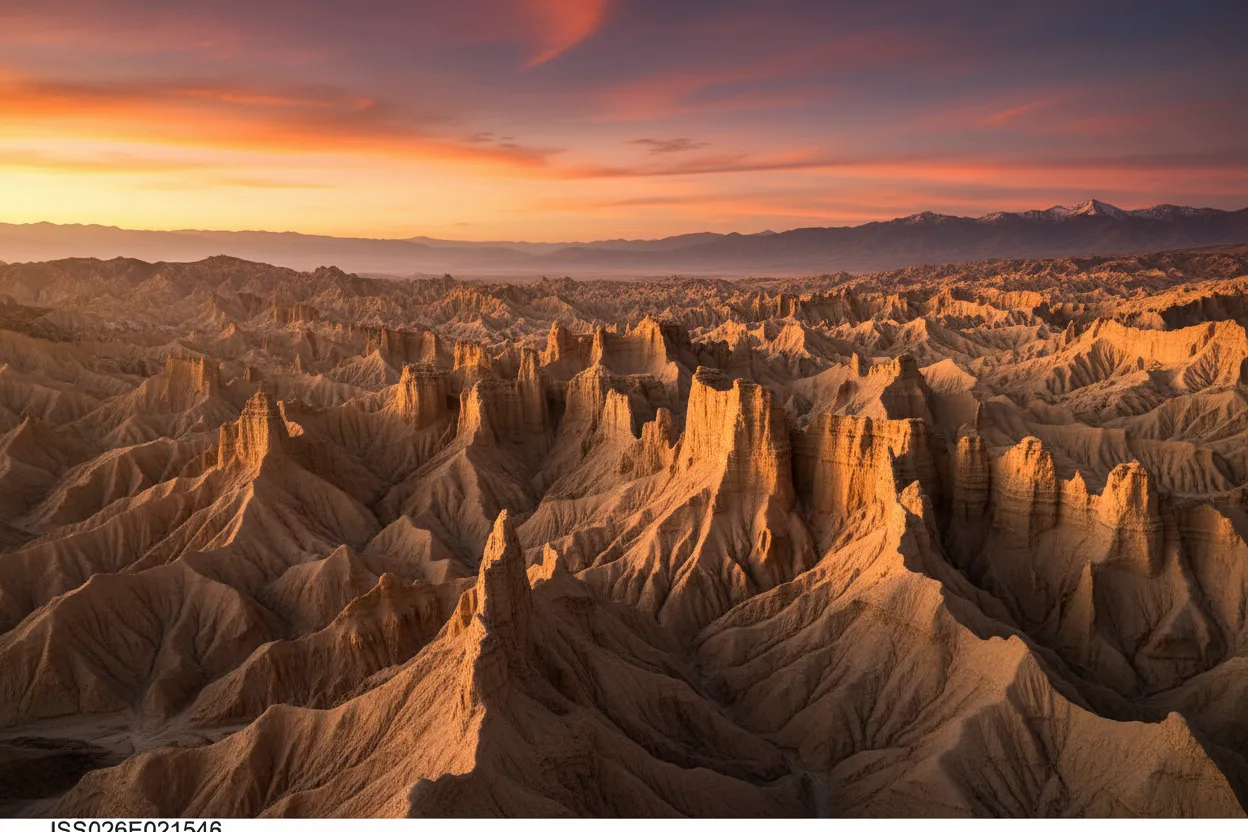
The Zanda Earth Forest is not merely a collection of interesting rock formations; it is an entire world carved from soft sedimentary rock, stretching for hundreds of square kilometers. Picture a vast, desolate basin, where for millions of years, wind and water have acted as master sculptors, chiseling away at ancient lakebed deposits to create an astonishing array of shapes. You'll encounter colossal pillars that pierce the sky, delicate spires that seem to defy gravity, and intricate 'castles' complete with turrets and ramparts, all formed from compacted layers of sand, clay, and gravel.
What makes it truly special is its sheer scale and the intricate detail of its formations. Unlike smaller hoodoo formations found elsewhere, Zanda presents an entire geological ecosystem. As you navigate its pathways, you’ll feel dwarfed by these towering structures, some reaching dozens of meters high, their surfaces etched with countless lines and patterns that tell tales of ancient geological epochs. The colors, too, are mesmerizing – layers of ochre, terracotta, grey, and cream shift with the changing light, creating a dynamic canvas that photographers dream of. It’s a testament to nature's artistry, a place where time is measured in millennia, and every turn reveals another breathtaking vista.

A Journey Through Geological Time: History and Background
To truly appreciate the Zanda Earth Forest, one must understand its deep past. This magnificent landscape is a dramatic result of the same immense geological forces that uplifted the entire Tibetan Plateau. Millions of years ago, before the Himalayas reached their current towering heights, this region was home to a vast, ancient lake. Over eons, sediment – sand, silt, and clay – accumulated on its bed, forming thick, stratified layers.
Then came the colossal collision of the Indian and Eurasian tectonic plates. As the Tibetan Plateau was thrust upwards, the ancient lakebed sediments were exposed to the elements. What followed was a painstaking process of erosion, a relentless dance between wind and water. Rain, snowmelt, and the persistent Tibetan winds began to carve away at the softer layers, leaving the harder, more resistant sections standing proud. This continuous, slow-motion sculpting created the intricate network of pillars, canyons, and valleys we see today.
The formations are essentially 'earth pillars' or 'earth pyramids,' a type of badland topography. Each pillar is a geological record, its horizontal striations revealing different layers of sediment deposited at various times in the ancient lake's history. It’s a living museum, where every rock tells a story of an ancient aquatic world transformed into an arid, high-altitude desert by the relentless power of geological uplift and erosion. While human history in the region, such as the nearby Guge Kingdom, dates back centuries, the Zanda Earth Forest’s history spans millions of years, offering a humbling perspective on the timeline of our planet.
What You'll See and Experience There
Visiting the Zanda Earth Forest is an immersive experience that engages all your senses. As you approach, the scale of the formations slowly reveals itself, growing from distant, hazy shapes into colossal, intricate structures. There are several viewpoints and designated areas from which to explore, each offering a unique perspective on this vast natural wonder.
Many visitors choose to drive through the main accessible areas, stopping at various lookouts that provide panoramic vistas. From these vantage points, you can grasp the sheer enormity of the 'forest,' seeing the pillars stretch out endlessly into the horizon. For the more adventurous, there are opportunities to venture on foot into some of the valleys and pathways between the formations. Walking amongst these towering giants is a truly humbling experience; the silence is often broken only by the wind whistling through the columns, and the sheer scale makes you feel like a tiny speck in a grand, ancient world.
Photography here is an absolute dream. The best times to visit are during sunrise and sunset, when the low-angle light bathes the formations in warm, golden hues, making the colors pop and casting dramatic shadows that accentuate their intricate details. You'll want to capture the vast panoramas, but also the close-up textures, the eroded patterns, and the interplay of light and shadow. Look out for the occasional high-altitude wildlife, like marmots or various bird species, which add a touch of life to this seemingly barren landscape.
Combine your visit with a trip to the nearby Guge Kingdom ruins, an ancient city carved into similar rock formations, and you’ll gain an even deeper appreciation for both nature's artistry and human ingenuity in this remote corner of Tibet. The contrast between the purely natural Zanda Earth Forest and the human-sculpted Guge Kingdom is profound and fascinating.

Practical Tips for Your Zanda Earth Forest Adventure
Visiting the Zanda Earth Forest requires careful planning, as it's located in a remote, high-altitude region of Tibet. But trust me, the effort is more than worth it!
Altitude Acclimatization is Key:
The Zanda Earth Forest is situated at an altitude of around 3,700 meters (12,100 feet). Altitude sickness is a serious concern. Plan to spend a few days in Lhasa or Shigatse to acclimatize before heading to Ngari Prefecture. Drink plenty of water, avoid alcohol, and don't overexert yourself.Permits and Tours:
Independent travel in Tibet is generally not permitted for foreigners. You will need to arrange your trip through a registered Tibetan tour agency, which will secure all necessary permits (Tibet Travel Permit, Alien's Travel Permit, Military Permit for Ngari). Your tour will include a guide and a driver.Best Time to Visit:
The shoulder seasons – May to June and September to October – are generally considered the best times. The weather is milder, and the skies are often clear, perfect for photography. Winters (November to April) can be extremely cold, and some roads may be inaccessible due to snow. Summers (July to August) bring warmer temperatures but also the monsoon season, which can mean more rain and cloud cover, though the landscape often looks lush and dramatic.How to Get There:
The Zanda Earth Forest is part of the larger Ngari Prefecture, often visited as part of an overland journey from Lhasa or Shigatse, which can take several days. The nearest airport is Ngari Gunsa Airport (NGQ), but even from there, it's a significant drive. Most visitors travel by sturdy 4x4 vehicles as part of an organized tour.Accommodation and Facilities:
Accommodation in Zanda County (the nearest town) is basic but comfortable, typically included in your tour package. You won't find luxury resorts here, but guesthouses offer a warm bed and simple meals. Be prepared for limited amenities and carry any personal essentials you might need.What to Bring:
Pack warm layers of clothing, even in summer, as temperatures can drop quickly. Sun protection (hat, sunglasses, high-SPF sunscreen) is crucial due to the high altitude and intense UV radiation. Sturdy walking shoes, a good camera with extra batteries, a power bank, and a refillable water bottle are also essential.Respect the Environment and Culture:
Tibet is a sacred land. Always be respectful of local customs, traditions, and the pristine natural environment. Leave no trace, and follow your guide's advice.
The Zanda Earth Forest is more than just a destination; it's an encounter with the raw, untamed spirit of our planet. It challenges you, inspires you, and leaves an indelible mark on your soul. If you're ready to step off the beaten path and witness a truly extraordinary natural wonder, then the hidden marvels of Tibet's Zanda Earth Forest await.

Essential Travel Information
- Location Zanda Earth Forest (札达土林), China
- Best Time May-June, September-October (shoulder seasons)
- Getting There Typically via organized overland tour from Lhasa or Shigatse; nearest airport is Ngari Gunsa Airport (NGQ) but still requires significant driving.
- Airport Ngari Gunsa Airport (NGQ)
- Budget Mid-range to Luxury (approx. $150-300+ USD/day for organized tours due to permits and logistics)
- Language Standard Tibetan, Mandarin Chinese
Find Places to Stay Near Zanda Earth Forest (札达土林)
Compare hotels, hostels, and unique stays in China.
Search AccommodationTours & Experiences Near Zanda Earth Forest (札达土林)
Book guided tours, day trips, and unique experiences.
Browse Tours