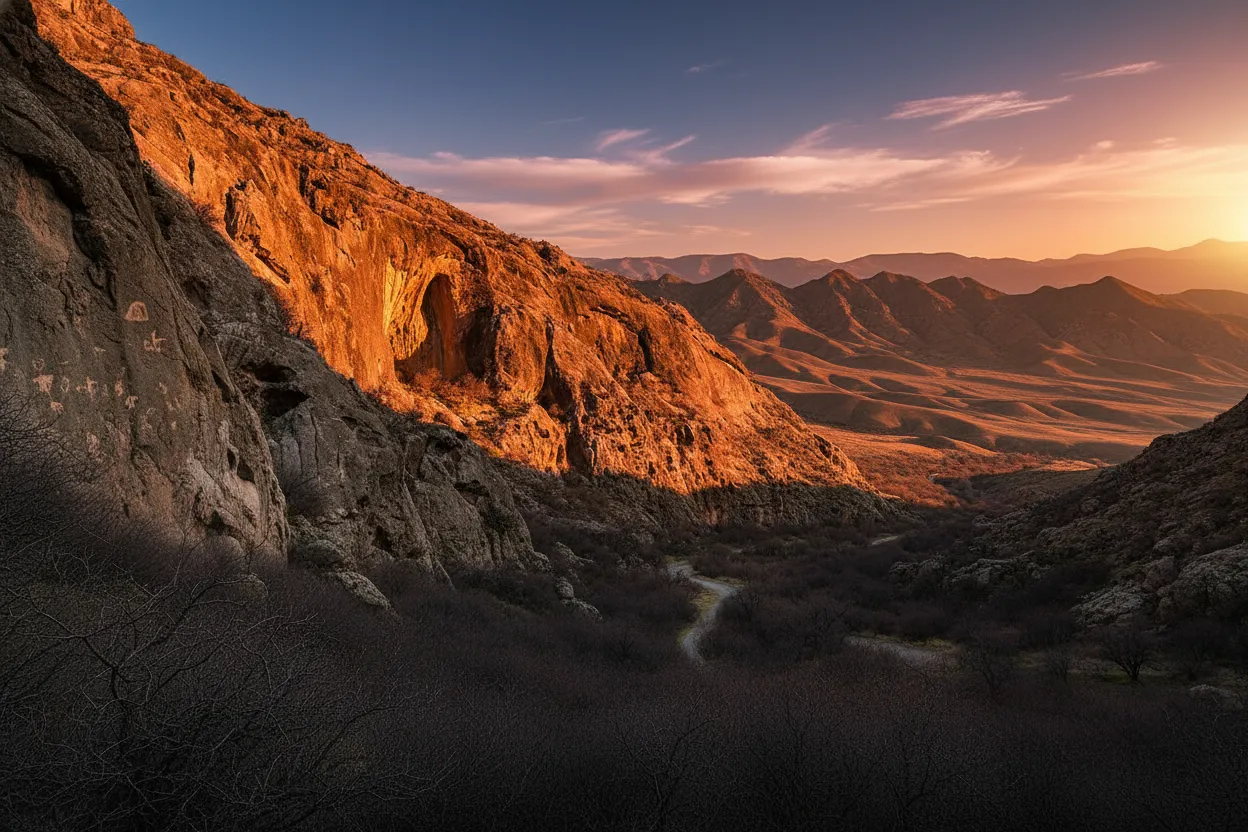
For the intrepid traveler and history enthusiast, Zarautsay offers more than just a glimpse into the past; it presents a perplexing puzzle. How did ancient people, living millennia ago, depict creatures resembling prehistoric megafauna? Was it an astonishing artistic license, a record of forgotten civilizations, or perhaps something even more extraordinary – a fleeting encounter with creatures thought long extinct? The journey to this site is as challenging as the questions it poses, a treacherous pilgrimage that adds to its mystique, solidifying its status as a truly unique wonder of the world.
The Enigma of Zarautsay: Where Ancient Art Meets Prehistoric Mystery
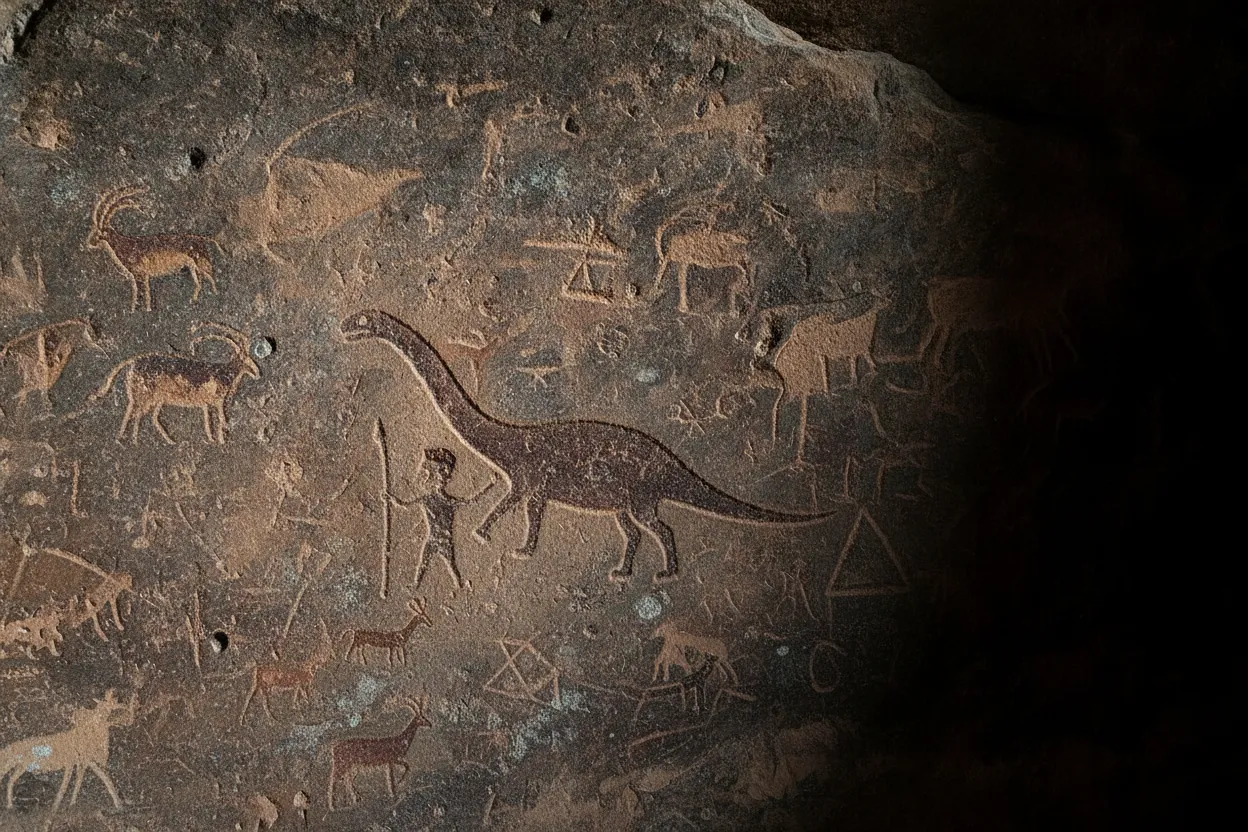
What truly sets Zarautsay apart from countless other petroglyph sites across Central Asia is the sheer audacity of its most famous panels. While many carvings depict recognizable local fauna – ibex, deer, wild boar – a select few defy easy categorization. The most celebrated, often dubbed the "dinosaur hunter" scene, shows human figures in pursuit of what can only be described as a reptilian behemoth. With its long neck, massive body, and distinct head, the creature bears an uncanny resemblance to a sauropod or a similar long-necked dinosaur. Other carvings feature creatures with armored backs, powerful tails, and sharp teeth, prompting comparisons to various prehistoric reptiles.
This isn't merely a trick of the light or an overactive imagination. Generations of archaeologists, paleontologists, and intrigued visitors have grappled with these images. Theories abound: Did a small population of dinosaurs somehow survive into the human era in this isolated pocket of the world? Did ancient people possess an inherited knowledge, perhaps through oral traditions, of creatures that roamed the Earth millions of years before them? Or is it a testament to their vivid imaginations, symbolic representations of powerful, mythical beasts that simply happen to mirror prehistoric life? The lack of definitive answers only deepens the allure of Zarautsay, making it a focal point for cryptozoological speculation and archaeological debate alike.
The petroglyphs themselves are incredibly detailed, displaying a sophisticated understanding of form and movement. Beyond the 'dinosaur' figures, you'll find intricate hunting scenes, ritualistic dances, and depictions of daily life, all etched into the rock with remarkable precision. The artistry alone is a testament to the skill and spiritual depth of the people who created them, making the additional layer of prehistoric mystery all the more compelling.
A Journey Through Time: The History and Discovery of Zarautsay
The history of the Zarautsay Petroglyphs stretches back into the mists of time, with archaeological estimates placing their creation primarily in the Neolithic and Bronze Ages, roughly 4,000 to 12,000 years ago. This period marks a pivotal transition for human societies in Central Asia, from nomadic hunter-gatherers to early agricultural communities. The Surkhandarya Region, where Zarautsay is located, has always been a crossroads of cultures and civilizations, influenced by the Silk Road and ancient empires, yet the Kugitang Mountains remained a sanctuary for more ancient traditions.
While local communities undoubtedly knew of the sacred cave for millennia, the Zarautsay Petroglyphs first came to the attention of the wider scientific community in the early 20th century. Soviet archaeologists, embarking on extensive surveys of Central Asia's rich archaeological landscape, documented the site. Their initial findings immediately sparked interest and controversy, particularly regarding the unusual depictions of fauna. Since then, Zarautsay has been a subject of ongoing study, though its extreme remoteness has meant it remains less explored and understood than many other sites.
The creators of these petroglyphs were likely early inhabitants of the region, using the cave as a ritualistic site, a place for storytelling, or a record of their world. The fact that the petroglyphs are found within a sacred cave further suggests their deep spiritual significance. They offer a unique window into the minds, beliefs, and artistic expressions of ancient Central Asian peoples, providing invaluable insights into their relationship with their environment and the creatures that inhabited it.
What Awaits You: Exploring the Sacred Cave
To reach Zarautsay is to embark on an adventure that feels less like a modern trip and more like an expedition into the unknown. The journey itself becomes an integral part of the experience, stripping away the comforts of civilization and preparing you for the raw, untamed beauty of the Kugitang Mountains. After days of arduous travel, navigating rugged terrain and winding mountain paths, you finally arrive at the sacred cave.
Stepping inside, you are immediately enveloped in a sense of timelessness. The air is cool, and the silence is profound, broken only by the drip of water or the rustle of unseen creatures. Thousands of images cover the cave walls, layer upon layer, a palimpsest of human history. Your eyes will trace the outlines of gracefully depicted wild goats (ibex), nimble deer, and powerful hunters with bows and arrows. You'll see figures engaged in what appear to be ritualistic dances, their bodies adorned with intricate patterns. The sheer volume and variety of the carvings are overwhelming, a testament to the enduring human impulse to create and communicate.
And then, you'll find them – the enigmatic creatures that defy explanation. As you stand before the "dinosaur hunter" scene, a shiver runs down your spine. The scale, the detail, the sheer mystery of it all is captivating. You'll ponder the theories, feel the weight of centuries of unanswered questions, and connect with the ancient artists across the vast expanse of time. It's an experience that transcends mere sightseeing; it's an encounter with history, mystery, and the boundless potential of human imagination.
Trekking to the Edge of the World: Practical Tips for Visiting Zarautsay
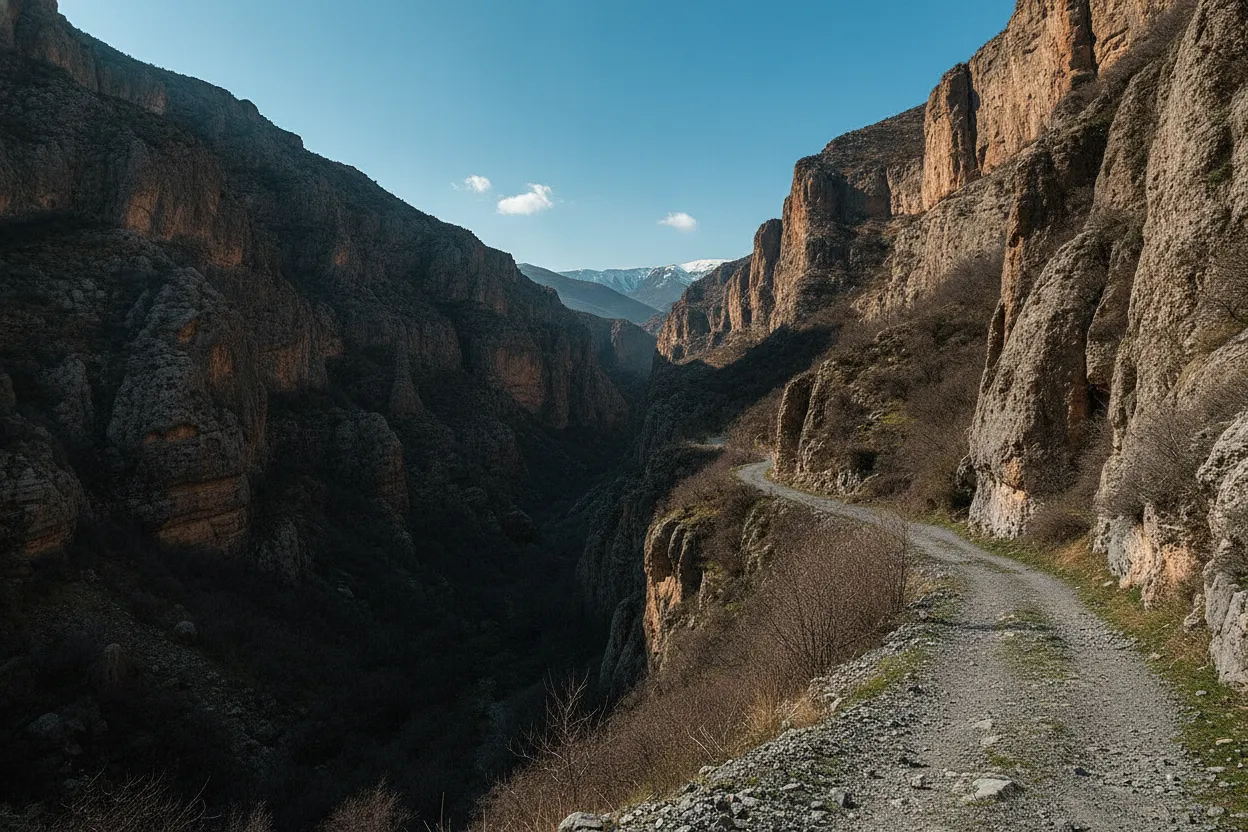
Let's be clear: Zarautsay is not a destination for the faint of heart or the casual tourist. This is a true expedition, requiring significant planning, physical stamina, and an adventurous spirit. It's precisely this difficulty, however, that preserves its untouched mystique.
-
Logistics & Guides: Accessing Zarautsay requires a specialized approach. You'll need to arrange for a sturdy 4x4 vehicle to navigate the initial rough roads, often followed by a multi-day trek on foot or horseback deep into the Kugitang Mountains. A local, experienced guide is absolutely essential – not just for navigation and safety, but also for communicating with local communities and understanding the cultural significance of the site. Guides can be arranged through reputable tour operators in Termez or Tashkent specializing in adventure travel.
-
Permits: Due to its remote location and proximity to border areas, special permits might be required. Your tour operator or guide will be crucial in securing these well in advance.
-
Best Time to Visit: Spring (April-May) and Autumn (September-October) offer the most favorable weather conditions. Summers can be intensely hot, and winters bring heavy snow, making access virtually impossible and trekking dangerous.
-
Accommodation: Expect very basic conditions. This will likely involve camping in tents or staying in simple homestays in remote mountain villages. Be prepared for limited amenities and bring all necessary personal supplies.
-
Physical Fitness: A good level of physical fitness is paramount. The trek can involve steep ascents, descents, and long hours of walking over uneven terrain.
-
Respect & Responsibility: This is a sacred and ancient site. Tread lightly, do not touch the petroglyphs, and always follow your guide's instructions. Support local communities where possible, and leave no trace of your visit.
Visiting Zarautsay is more than just seeing ancient art; it's an immersive journey into a forgotten world, a testament to human resilience, and a personal encounter with one of history's most compelling mysteries. It's a pilgrimage for those who seek the extraordinary, a place where the lines between myth and reality blur, leaving you with questions that will linger long after you've left the sacred cave.
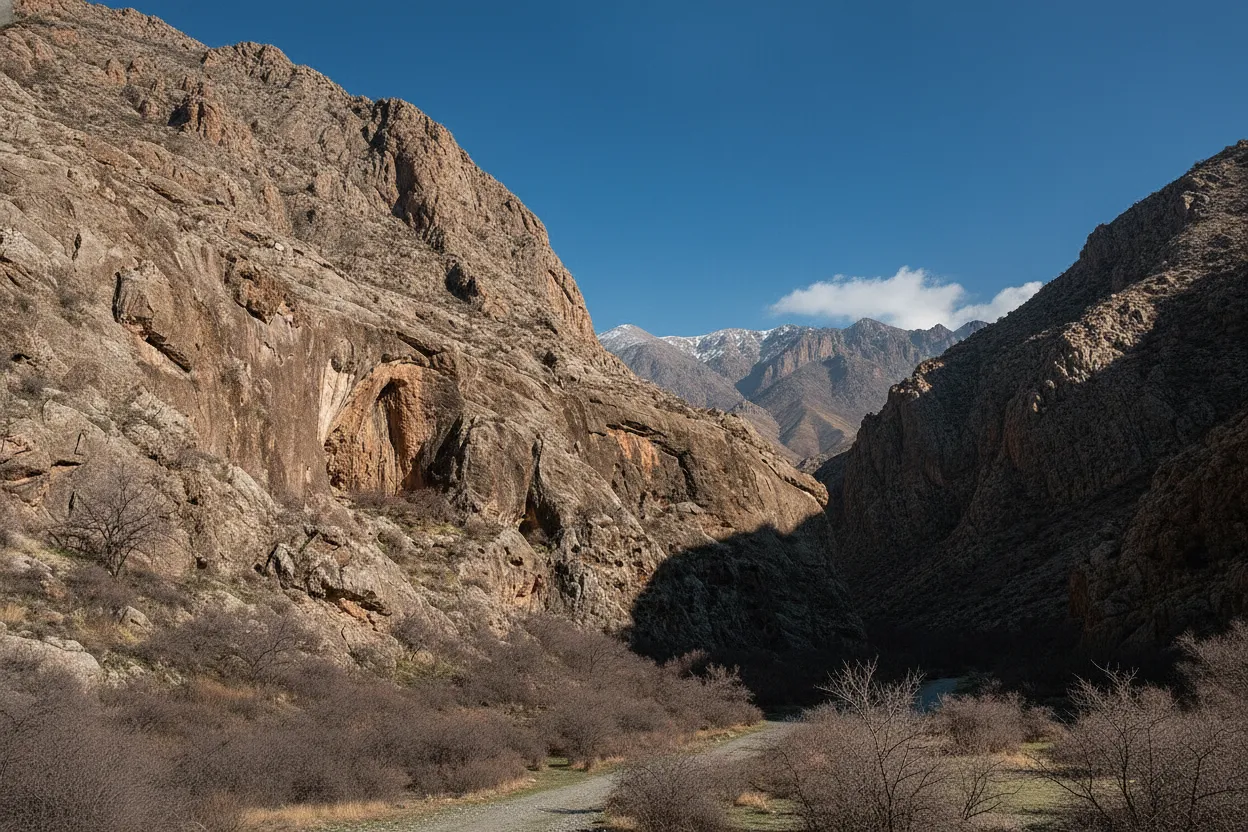
If you're drawn to the allure of the unknown, to places where history is etched not just in books but on the very face of the earth, then Zarautsay Petroglyphs beckons. It promises not just a destination, but an adventure – a rare opportunity to connect with the deep past and ponder the secrets that the ancient world still holds. Will you answer the call?
Essential Travel Information
- Location Zarautsay Petroglyphs (Zaraut-Kamar), Uzbekistan
- Best Time Spring (April-May) and Autumn (September-October)
- Getting There Fly to Termez International Airport (TMJ), then arrange 4x4 transport to Denau area. From there, a multi-day trek with local guides into the Kugitang Mountains is required.
- Airport Termez International Airport (TMJ)
- Budget Mid-range to High-end (due to specialized transport, guide, and permit requirements), approximate daily cost $150-300+ depending on group size and services.
- Language Uzbek, Russian, Tajik (in Surkhandarya region)
Find Places to Stay Near Zarautsay Petroglyphs (Zaraut-Kamar)
Compare hotels, hostels, and unique stays in Uzbekistan.
Search AccommodationTours & Experiences Near Zarautsay Petroglyphs (Zaraut-Kamar)
Book guided tours, day trips, and unique experiences.
Browse Tours