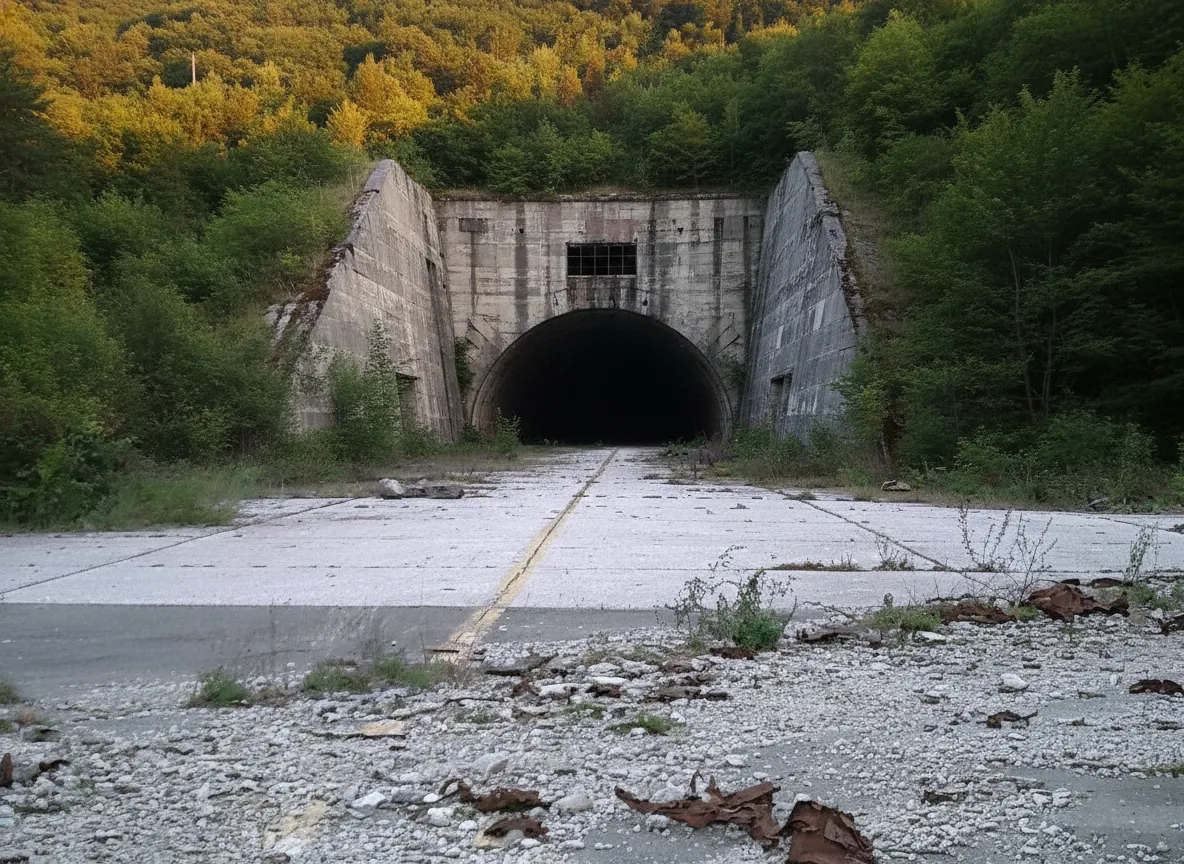
Imagine a place so secret, so strategically vital, it was built to withstand the unthinkable – a nuclear strike. Buried deep beneath a mountain on the Croatian-Bosnian border, lies a colossal testament to Cold War paranoia and ingenuity: Željava Air Base, codenamed 'Object 505.' This isn't just an abandoned building; it's Europe's largest, most secretive underground airbase, a massive labyrinth of tunnels and hangars carved into the very earth, designed to protect an entire fleet of fighter jets. Stepping into its silent, cavernous depths is like journeying back in time, a chilling encounter with a monumental relic from a bygone era that still pulses with an eerie, unforgettable energy. If you've ever dreamt of exploring a true hidden marvel, a place where history whispers from every decaying wall, then pack your bags – because Željava is calling.
What Makes Željava So Special?
This isn't your average abandoned site. Željava Air Base is an engineering marvel that beggars belief. Think about it: a facility so vast it could house 60 fully operational MiG-21 fighter jets, complete with fuel, ammunition, and living quarters for personnel, all concealed within 3.5 kilometers of interconnected tunnels. These tunnels aren't just dark passages; they're immense, high-ceilinged caverns, each capable of accommodating multiple aircraft. Four cleverly disguised entrances, camouflaged into the mountainside, allowed jets to scramble onto runways directly from their subterranean berths, ready to respond to any threat.
The sheer ambition behind its construction – designed to survive a direct hit from a 20-kiloton nuclear bomb – speaks volumes about the geopolitical tensions of the Cold War and Yugoslavia's unique, non-aligned position. Today, the silence within its colossal halls is deafening, amplifying the sense of wonder and dread, a palpable echo of the high stakes it once represented. It's a place that truly makes you feel the weight of history, a silent giant hidden beneath the picturesque landscape of Lika-Senj County.

A Glimpse into Cold War History: Object 505's Past
The story of Željava, or 'Object 505' as it was known in military circles, is as dramatic as its appearance. Construction began in the mid-1950s and spanned over two decades, consuming an estimated $6 billion USD (a staggering sum, equivalent to building a modern aircraft carrier today). This monumental investment by the Yugoslav People's Army (JNA) underscored its strategic importance as the primary command and control center for Yugoslavia's air defense, a vital hub for reconnaissance and interception missions.
For decades, it operated in absolute secrecy, a hidden dragon ready to awaken. Its operational life, however, was tragically cut short by the very conflicts it was designed to deter. As Yugoslavia disintegrated into civil war in the early 1990s, the JNA, in a desperate act of denial and destruction, decided to render the base unusable. In May 1992, retreating forces detonated over 50 tons of explosives, intending to collapse the tunnels and destroy vital equipment. While the base wasn't entirely obliterated, the explosions caused significant damage, collapsed sections, and, critically, left behind a legacy of unexploded ordnance that still poses a threat today. What remains is a monumental ruin, a testament to both human ambition and folly, now an eerie, silent witness to a turbulent past.
What You'll See and Experience at Željava
Prepare to be awestruck. As you approach Željava, the first thing you might notice is the eerie quiet and the vast, overgrown runways stretching out into the distance. Often, a decaying MiG-21 fighter jet, a ghostly sentinel, stands guard outside near the former control tower, a popular photo op that perfectly sets the tone. But the real magic lies within.
Stepping through one of the massive tunnel entrances, you're immediately swallowed by darkness and a profound sense of scale. The air grows cool, damp, and still. Your flashlight beam will cut through the gloom, revealing cavernous aircraft hangars, vast enough to feel like underground cathedrals. You'll trace the paths where fighter jets once taxied, peer into the decaying remains of control rooms, living quarters, and fuel depots. The walls, once pristine, now drip with condensation, adorned with graffiti that tells new stories over old ones. Every corner holds a secret, every echo amplifies the feeling of being in a place frozen in time. The sheer engineering required to carve these vast spaces out of solid rock is mind-boggling, and the atmosphere, thick with history and a lingering sense of Cold War paranoia, is truly unforgettable. It's a journey into the heart of a bygone era, where silence speaks volumes.

Practical Tips for Visiting Željava Air Base
Alright, my adventurous friend, if you're planning to delve into the mysteries of Željava, listen up – safety is paramount. This isn't a theme park; it's a dangerous, abandoned military installation.
Safety First, Always:
- Mines! The most critical warning: the area around Željava, particularly outside the main tunnel entrances and along the former runways, is known to contain unexploded ordnance from the Yugoslav Wars. Do not stray from established paths. Stick to the clearly visible main roads and entrances.
- Structural Integrity: The tunnels, while massive, have sustained damage. There's a risk of falling debris or unstable sections.
- Toxic Substances: Old military bases can contain hazardous materials like PCBs from transformers, asbestos, and other chemicals. Avoid touching anything and be mindful of the air quality in certain enclosed spaces.
- Darkness: It's pitch black inside. A powerful flashlight (and a spare!) is non-negotiable.
What to Bring:
- Lighting: As mentioned, robust flashlights are essential. Headlamps are even better, leaving your hands free.
- Sturdy Footwear: The ground is uneven, often wet, and can be slippery. Good hiking boots are a must.
- Warm Clothing: Even on a hot summer day, the temperature inside the tunnels is consistently cool, often around 10-12°C (50-54°F). Layers are your friend.
- Water & Snacks: There are no facilities nearby.
- First-Aid Kit: For minor scrapes or emergencies.
- Navigation: While you should stick to marked areas, having a map or GPS on your phone can be helpful for context (though signal inside is unlikely).
Getting There & Exploring:
- Location: Željava straddles the Croatian-Bosnian border. Access is typically from the Croatian side, near the village of Željava, a short drive from the famous Plitvice Lakes National Park. It's best reached by car.
- Border Considerations: Be aware that some parts of the base technically fall into Bosnian territory. While enforcement isn't always strict for visitors exploring the main tunnels, it's wise to be informed.
- Guided Tours: For the safest and most informative experience, consider hiring a local guide. They know the safe routes, share invaluable historical insights, and can navigate the complexities of the site. Several adventure tour operators in the region offer guided trips.
- Respect the Site: This is a place of immense historical significance and a potential hazard. Do not litter, vandalize, or attempt to remove anything. Leave only footprints, take only photographs.
- Time Commitment: Allow at least 3-4 hours to explore the main accessible areas thoroughly.

Željava Air Base is more than just an abandoned ruin; it's a profound journey into the heart of the 20th century's geopolitical tensions. It's a place that will spark your imagination, send shivers down your spine, and leave you with an unforgettable appreciation for the hidden chapters of history. If you're seeking an adventure that combines history, mystery, and a touch of the eerie, then Željava awaits your intrepid spirit. Just remember to tread carefully and respectfully.
Essential Travel Information
- Location Željava Air Base (Object 505), Croatia
- Best Time Spring (April-June) and Autumn (September-October) for pleasant outdoor temperatures and fewer crowds. Inside the base, temperatures are consistently cool year-round.
- Getting There Željava Air Base is best accessed by car from the Croatian side, near the village of Željava. It's a short drive from Plitvice Lakes National Park and relatively close to the Bosnian city of Bihać. A GPS is recommended for navigation.
- Airport Zagreb Airport (ZAG)
- Budget Mid-range (requires car rental, potentially a guide, and accommodation in nearby towns like Plitvice or Bihać)
- Language Croatian (Croatia), Bosnian (Bosnia and Herzegovina). English is widely understood in tourist areas.
Find Places to Stay Near Željava Air Base (Object 505)
Compare hotels, hostels, and unique stays in Croatia.
Search AccommodationTours & Experiences Near Željava Air Base (Object 505)
Book guided tours, day trips, and unique experiences.
Browse Tours