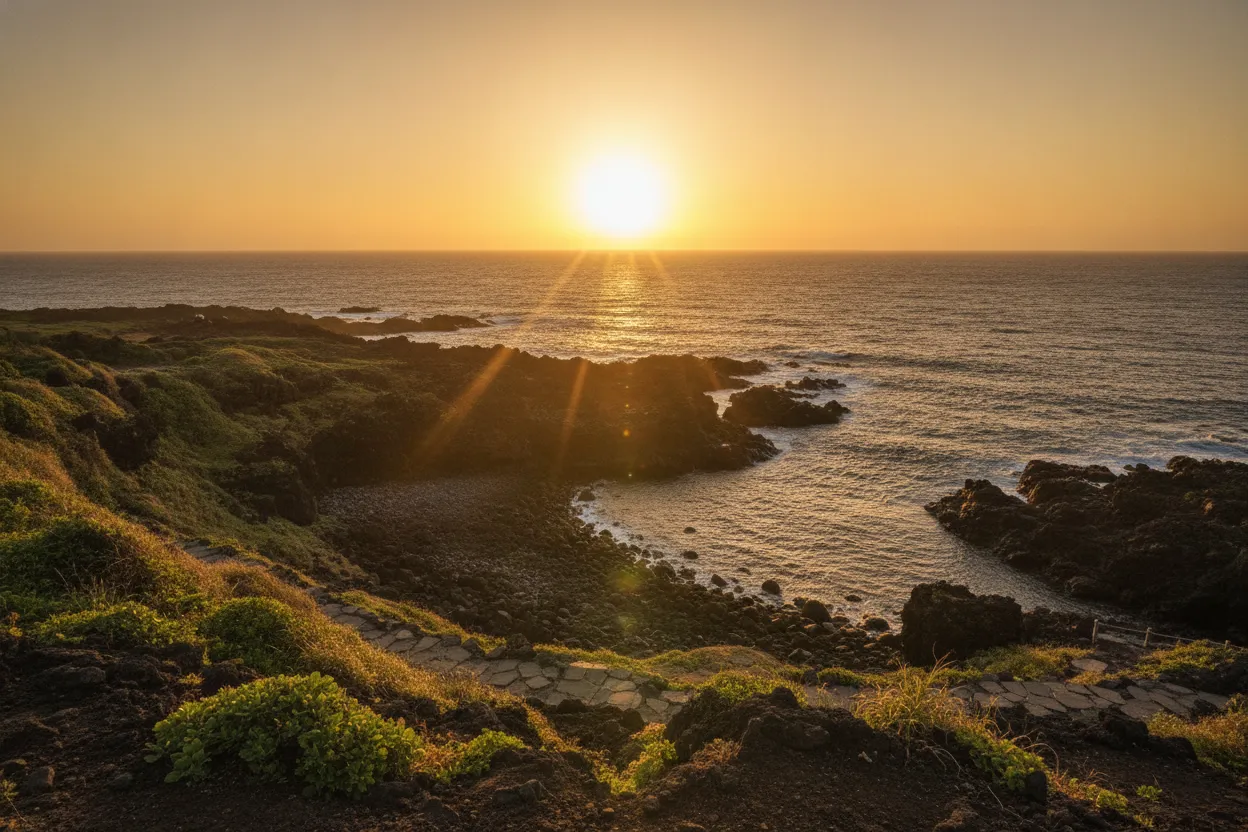
Imagine stepping into a world where the ocean isn't just a vast expanse of water, but a cherished provider, and its bounty is harvested by women who defy the limits of human endurance. Forget oxygen tanks and modern gear; these are the Haenyeo, the legendary 'sea women' of Jeju Island, South Korea. They are a living testament to resilience, a matriarchal society of free-divers whose ancient tradition, passed down through generations, continues to thrive in our modern age. If you're seeking a travel experience that transcends the ordinary, one that connects you deeply with an extraordinary culture and breathtaking natural beauty, then the story of the Haenyeo is waiting to be discovered.
The Unyielding Spirit of Jeju's Sea Women: What Makes Them Special
What makes the Haenyeo so utterly captivating? It's more than just their incredible skill; it's the entire tapestry of their existence. These women, many of whom are in their 60s, 70s, and even 80s, plunge into the often-chilly waters of the Pacific, holding their breath for minutes at a time, sometimes diving to depths of 10-20 meters. Their only equipment? A wetsuit, fins, a mask, lead weights to help them descend, and a simple net to collect their catch – abalone, conch, octopus, sea urchins, and various seaweeds. The sound of their distinctive whistle, known as sumbisori, as they surface to exhale after a dive, is a haunting melody that echoes their profound connection to the sea.
Their way of life is a powerful symbol of independence and sustainability. For centuries, the Haenyeo have been the economic backbone of their families and communities, an anomaly in many patriarchal societies. This unique cultural heritage, steeped in communal values and a deep respect for the ocean, was rightfully recognized by UNESCO in 2016 as an Intangible Cultural Heritage of Humanity. It's a recognition that highlights not just their individual prowess, but the entire social structure, knowledge, and rituals that underpin their existence. Visiting Jeju and witnessing their work isn't just seeing a spectacle; it's bearing witness to a living, breathing piece of history, an enduring legacy of human adaptation and cultural fortitude.
Echoes from the Deep: A Rich History and Cultural Background
The tradition of Haenyeo dates back to at least the 5th century, with records mentioning women divers on Jeju Island by the 17th century. Initially, both men and women participated in diving, but over time, women gradually took over the role, becoming the dominant force in this maritime profession. This shift is attributed to several factors, including men's involvement in fishing and warfare, and the belief that women's bodies, with their higher fat percentage, were better suited to withstand the cold waters for extended periods. The Haenyeo developed a sophisticated understanding of marine ecosystems, knowing when and where to dive, and crucially, how to manage resources sustainably to ensure future harvests.
Historically, the Haenyeo were not just divers; they were powerful figures in Jeju society. Their earnings often surpassed those of their husbands, granting them significant economic and social autonomy. They organized themselves into diving communities, with strict hierarchies and communal decision-making processes. They held rituals to pray for safe dives and bountiful catches, and their knowledge of the sea, marine life, and even weather patterns was unparalleled. This self-sufficient, community-driven lifestyle allowed Jeju to thrive, even in its relative isolation. While their numbers have declined significantly in recent decades due to modernization and younger generations seeking different paths, the remaining Haenyeo are fiercely dedicated to preserving their heritage, ensuring that the wisdom of the sea continues to be passed on.
Diving into the Experience: What You'll See and Do
Your journey into the world of the Haenyeo will be an immersive one, offering multiple facets to appreciate their unique culture. The absolute must-visit is the **Haenyeo Museum** in Gujwa-eup. This beautifully curated museum provides an in-depth look into their history, tools, customs, and daily lives through fascinating exhibits, historical artifacts, and poignant documentaries. It's an essential first stop to truly understand the context and significance of what you're about to witness.
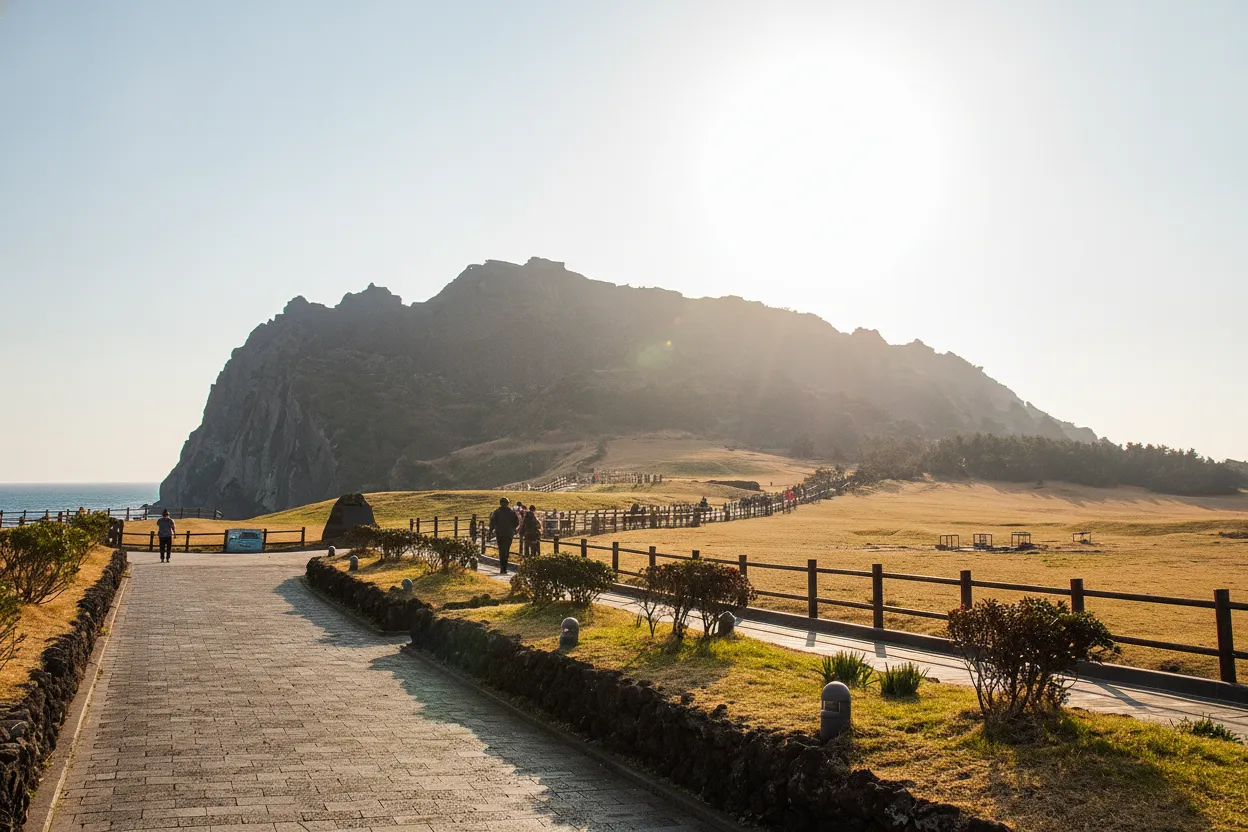
Beyond the museum, the most memorable experiences involve seeing the Haenyeo in action. Several coastal villages around Jeju offer opportunities to observe their dives. Places like the **Haenyeo Performance Hall** near Seongsan Ilchulbong (Sunrise Peak) often host daily demonstrations, where you can watch the divers plunge into the sea, emerge with their catch, and sometimes even hear their traditional songs. It's a truly moving sight, a blend of raw physical power and graceful tradition.
After witnessing their incredible work, you absolutely must indulge in the fruits of their labor. Many Haenyeo communities operate small, rustic seaside restaurants where you can savor the freshest seafood imaginable. Imagine dining on abalone porridge, grilled conch, or a platter of raw sea urchins, caught just hours before and served with the salty tang of the ocean still clinging to them. It's a farm-to-table (or rather, sea-to-table) experience that is unparalleled, and every bite supports these incredible women directly. Don't miss the opportunity to visit local markets as well, where you might find Haenyeo selling their fresh catches directly to the public, offering a chance for a genuine interaction.
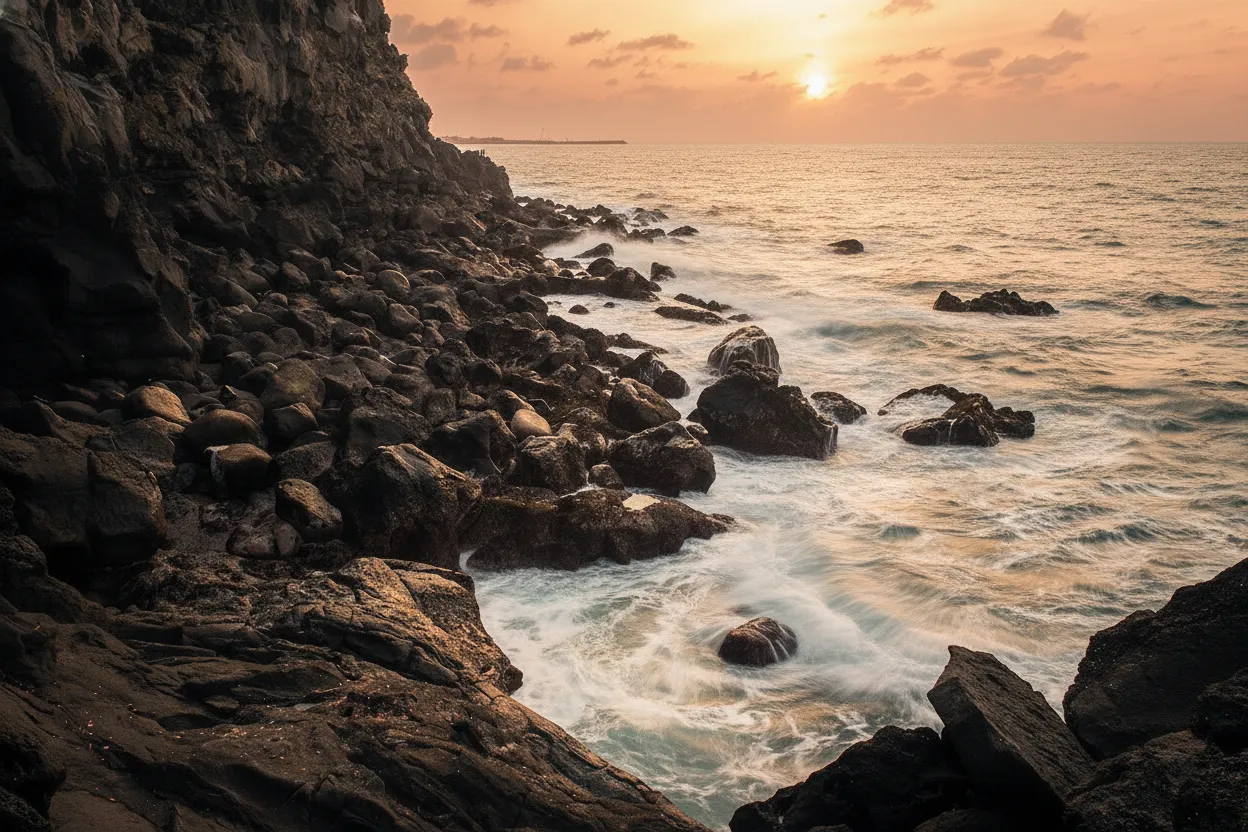
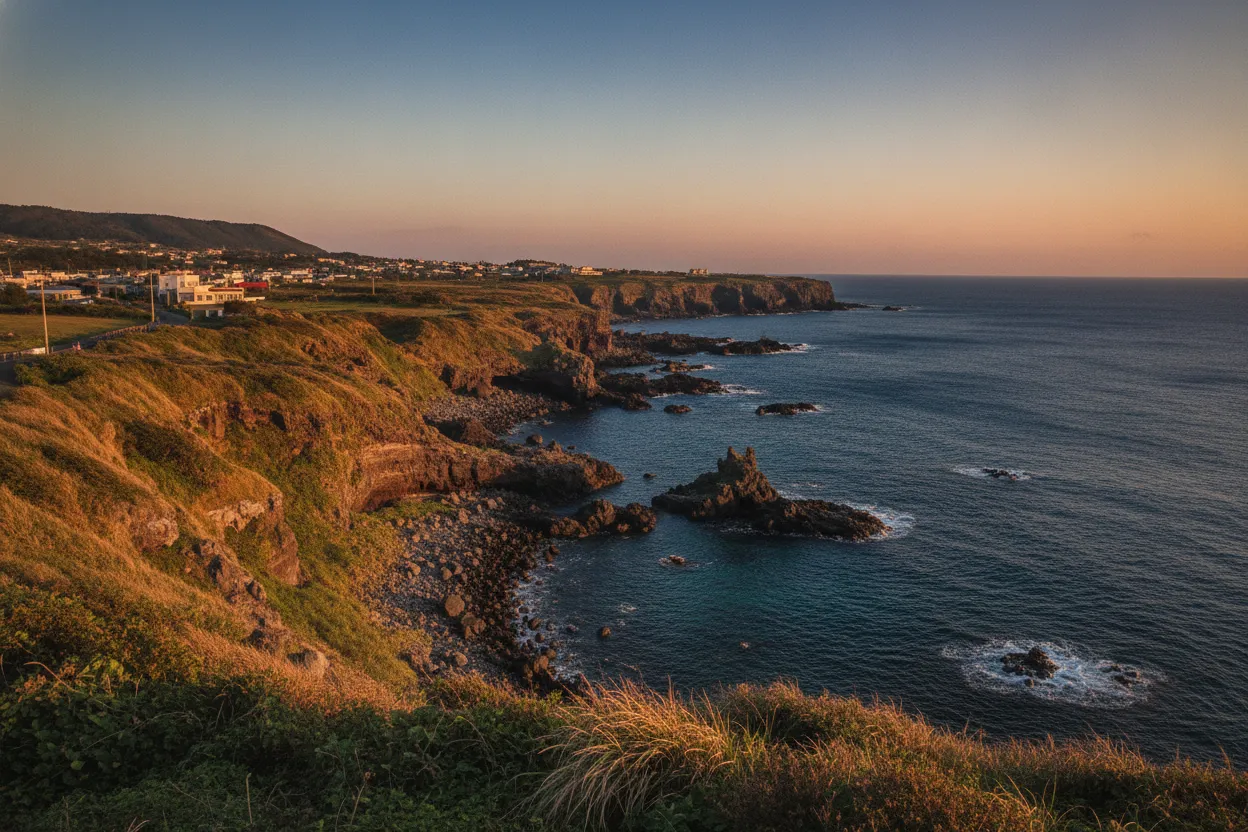
Beyond the direct interactions, simply exploring Jeju's stunning coastline, particularly areas known for Haenyeo activity, offers a profound sense of their world. The rugged volcanic cliffs, the emerald waters, and the small coastal villages all tell a story of a people intrinsically linked to their environment. Consider visiting the Manjanggul Lava Tube or exploring the Olle Trails that hug the coast, offering panoramic views and a chance to reflect on the enduring spirit of the Haenyeo.
Practical Tips for Your Haenyeo Adventure
To make the most of your visit to this extraordinary destination, here are a few friendly tips:
Best Time to Visit: Jeju Island is beautiful year-round, but for comfortable weather and optimal Haenyeo activity, aim for **Spring (April-May)** or **Autumn (September-October)**. The weather is mild, and the sea conditions are generally favorable. Summers can be hot and humid, while winters can be chilly and windy.
Getting There: Jeju Island is easily accessible by air. **Jeju International Airport (CJU)** has frequent flights from Seoul and other major Korean cities, as well as some international routes. Once on the island, renting a car is highly recommended for flexibility, especially if you plan to explore various coastal areas. Public buses are available but can be less convenient for reaching some of the more remote Haenyeo villages or sites.
Respectful Engagement: Remember that the Haenyeo are working women, not performers. While demonstrations are arranged for tourists, if you encounter them diving in other areas, maintain a respectful distance. Do not disturb them or attempt to interact without an invitation. Always ask for permission before taking photographs, especially close-ups.
Support Local: When you purchase seafood from a Haenyeo restaurant or market, you are directly supporting their livelihood and helping to preserve this invaluable cultural heritage. Embrace the simple, authentic dining experiences offered in their communities.
Learn a Few Korean Phrases: While many tourist-facing staff will speak some English, knowing basic phrases like "Annyeonghaseyo" (Hello), "Gamsahamnida" (Thank you), and "Juseyo" (Please give me) will go a long way in showing respect and enhancing your interactions.
Dress Appropriately: Jeju's weather can be unpredictable. Layering is key, and comfortable walking shoes are a must if you plan to explore the coastal trails or volcanic landscapes. A light jacket is always a good idea, even in warmer months, especially near the coast.
A journey to witness the Haenyeo of Jeju Island is more than just a trip; it's an encounter with a living legend. It's an opportunity to marvel at human resilience, celebrate cultural preservation, and taste the freshest bounty of the sea. These women, with their indomitable spirit and profound connection to the ocean, will undoubtedly leave an indelible mark on your heart and mind. Prepare to be inspired, to be moved, and to discover a truly hidden gem of our world.
Essential Travel Information
- Location Haenyeo (Women Divers) of Jeju Island, South Korea
- Best Time Spring (April-May) or Autumn (September-October)
- Getting There Fly to Jeju International Airport (CJU), then use rental car or local buses to explore the island.
- Airport Jeju International Airport (CJU)
- Budget Mid-range (approx. $100-$180 USD per person per day for accommodation, food, and local transport)
- Language Korean
Find Places to Stay Near Haenyeo (Women Divers) of Jeju Island
Compare hotels, hostels, and unique stays in South Korea.
Search AccommodationTours & Experiences Near Haenyeo (Women Divers) of Jeju Island
Book guided tours, day trips, and unique experiences.
Browse Tours